Muhammad Ibadurrohman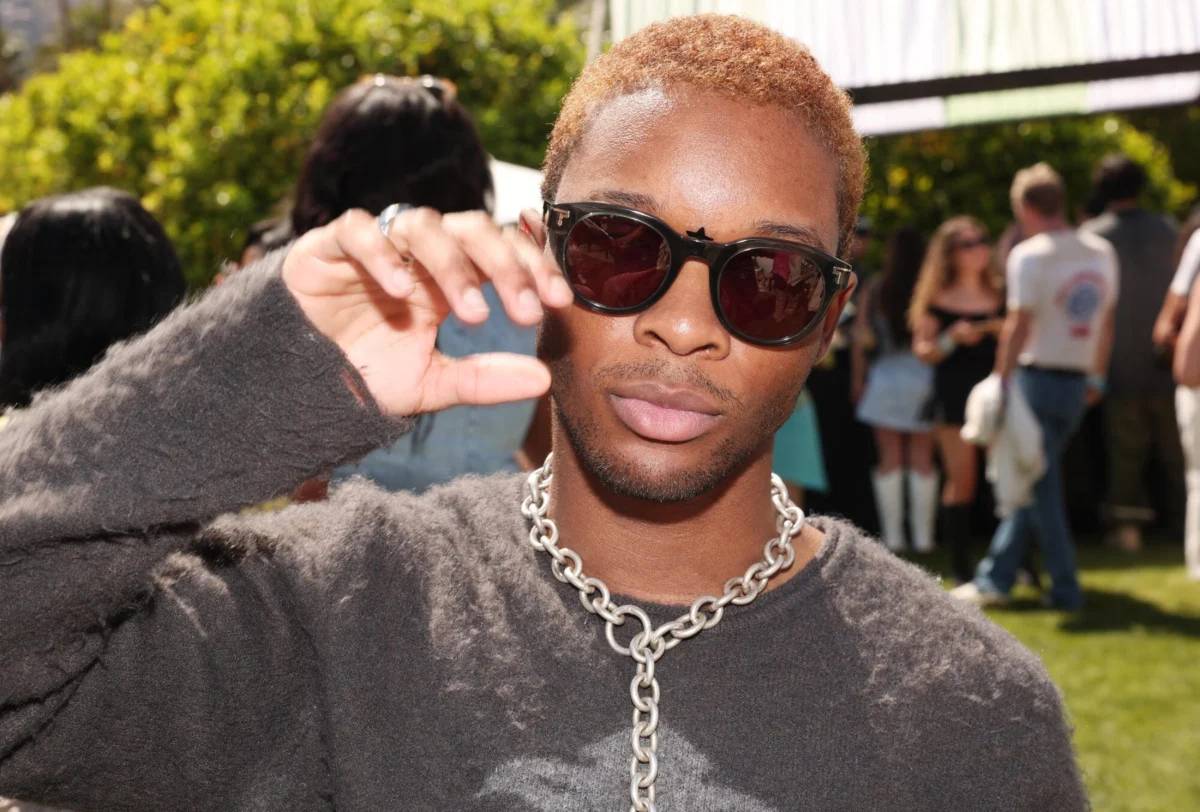
The Los Angeles District Attorney’s Office has laid out a grim timeline, asserting that the murder occurred on April 23, 2025. This date is particularly poignant as it was just two days prior to the highly anticipated release of D4vd’s debut album, Withered, which, despite the unfolding tragedy, managed to debut at No. 13 on the prestigious Billboard 200 chart. The initial weeks following the album’s release saw Burke’s career seemingly continue its upward trajectory, yet beneath the surface, a horrifying discovery was pending. Months after the alleged murder, law enforcement officers located Rivas Hernandez’s decomposed and dismembered body inside an impounded Tesla registered to D4vd, a discovery that irrevocably altered the course of his life and career.
Allegations Unveiled: The Prosecution’s Case
The prosecution’s detailed filing suggests a calculated motive behind the alleged crime. According to court documents, the alleged illegal sexual relationship between Burke and Rivas Hernandez formed the foundation of the conflict. The threat of exposure, which prosecutors claim would "devastate his musical career," is presented as the catalyst for the murder. This narrative paints a picture of a desperate act to protect a carefully constructed public image and a rapidly ascending career. The discovery of the victim’s remains in the musician’s vehicle, albeit impounded, provides a crucial piece of forensic evidence that the prosecution is expected to heavily rely upon. The District Attorney’s office has indicated that they possess a substantial amount of digital evidence, including communications between Burke and Rivas Hernandez, which they believe will corroborate their claims regarding the nature of their relationship and the threats exchanged.
Defense Mounts a Vigorous Challenge
In response to the grave accusations, D4vd, through his legal counsel, has entered a plea of not guilty to all charges. His defense team has issued strong statements, vowing to "vigorously defend" him in court and promising to dismantle the prosecution’s case. "Let us be clear," stated the singer’s lawyers in a public statement following his arrest, "the actual evidence in this case will show that David Burke did not murder Celeste Rivas Hernandez and he was not the cause of her death." This unequivocal denial signals a contentious legal battle ahead, with the defense likely to challenge the forensic evidence, the interpretation of communications, and the alleged motive. Legal analysts speculate that the defense may focus on alternative theories regarding Rivas Hernandez’s death or challenge the chain of custody and handling of evidence, particularly given the decomposed state of the body and the time elapsed before its discovery.
A Career in Freefall: Immediate Repercussions
The weight of these charges has had swift and devastating consequences for D4vd’s career. The immediate aftermath of Rivas Hernandez’s body being discovered saw his highly anticipated headlining Withered tour abruptly cut short, leaving thousands of fans disappointed and ticket holders seeking refunds. This cancellation alone represented a significant financial blow and a dent in his burgeoning live performance reputation. Furthermore, plans for a deluxe version of his debut album, intended to capitalize on its initial success and extend its promotional cycle, were immediately shelved.
Perhaps the most significant professional setback came with the severing of his ties with major industry players. D4vd was promptly dropped by Darkroom/Interscope Records, his recording label, signaling an end to his current and future recording projects. Concurrently, Sony Music Publishing, which managed his songwriting catalog, terminated their agreement. The artist management company, The•Team (formerly Wasserman), also parted ways with the musician. These actions reflect the music industry’s increasing sensitivity to serious criminal allegations, particularly those involving minors, and the prevalent use of "moral clauses" in artist contracts. Such clauses allow labels and management companies to terminate agreements if an artist’s conduct brings disrepute to the company or violates public morality, regardless of legal conviction.

Chronology of a Crisis: A Detailed Timeline
To provide a clearer picture of the events leading up to and following the charges, Billboard has compiled a detailed chronology:
- 2022: D4vd, then David Anthony Burke, achieves breakthrough success with his hit single "Romantic Homicide," rapidly gaining a significant following and critical acclaim, establishing him as a rising star in the pop music scene.
- March 9, 2025: D4vd attends the Coperni Womenswear Fall/Winter 2025-2026 show during Paris Fashion Week, an event that underscores his growing celebrity status and crossover appeal into the fashion world, showcasing his life just weeks before the alleged crime.
- April 13, 2024: (Historical Context) D4vd is photographed at the Interscope & Capitol Records Coachella Party in Palm Springs, California, a moment capturing his pre-allegation industry engagement and rising profile. This image serves as a stark reminder of his public life before the current legal troubles.
- April 23, 2025: The alleged murder of 14-year-old Celeste Rivas Hernandez is believed to have occurred, according to the Los Angeles District Attorney’s Office.
- April 25, 2025: D4vd’s highly anticipated debut album, Withered, is released, achieving commercial success by debuting at No. 13 on the Billboard 200, despite the dark events alleged to have transpired just days prior.
- Mid-2025 (Months Later): Law enforcement discovers Celeste Rivas Hernandez’s decomposed and dismembered body in an impounded Tesla registered to D4vd, triggering an intensive investigation.
- Late 2025/Early 2026: David Anthony Burke, known as D4vd, is formally arrested and charged with first-degree murder.
- Early 2026: Burke enters a plea of not guilty to all charges, and his defense team releases initial statements.
- Ongoing (Current): D4vd’s Withered tour is cancelled, the deluxe album is shelved, and he is dropped by Darkroom/Interscope Records, Sony Music Publishing, and The•Team. The legal proceedings are underway, with Billboard committed to tracking further developments.
Broader Implications for Artist Accountability and the Music Industry
The case against D4vd extends beyond the individual, raising profound questions about artist accountability, the responsibilities of record labels, and the ethical considerations within the music industry. The swift termination of contracts by major labels and management firms highlights a growing trend where companies are increasingly proactive in distancing themselves from artists facing serious allegations, even before a conviction. This pre-emptive action is often driven by public relations concerns, the potential for brand damage, and the imperative to maintain an ethical image.
Industry experts note that "moral clauses" in artist contracts have become more stringent and broadly interpreted in recent years. Historically, these clauses might have been invoked for egregious public behavior or explicit contractual breaches. However, in the era of heightened social awareness and rapid dissemination of information via social media, even credible accusations, let alone formal charges, can trigger severe professional repercussions. This creates a complex environment for both artists, who face immediate career jeopardy, and labels, who must balance legal due process with public perception and business interests.
The alleged motive—the threat of exposing an illegal relationship—also underscores the immense pressure faced by artists to maintain a pristine public image, especially when their success is tied to a younger demographic. This pressure can, in extreme circumstances, lead to desperate actions. The case serves as a stark reminder of the vulnerabilities inherent in fame and the potential for a spectacular fall from grace.
Furthermore, the legal proceedings themselves will be closely watched. A conviction could set a significant precedent for how the justice system handles high-profile individuals accused of serious crimes, particularly when digital evidence and alleged motive involve sensitive personal details. Conversely, a successful defense could prompt discussions about the speed and severity of professional repercussions in the face of unproven allegations.
The victim, Celeste Rivas Hernandez, remains at the heart of this tragedy. While the legal battle focuses on D4vd’s culpability, the pursuit of justice for Rivas Hernandez and her family is paramount. The details emerging from the trial are expected to shed light on the circumstances of her death, bringing a measure of closure or further anguish to those affected.
As the legal proceedings against David Anthony Burke, alias D4vd, continue to unfold, Billboard remains dedicated to providing objective, factual updates. The outcome of this case will not only determine the fate of a once-rising star but also leave an indelible mark on the discourse surrounding celebrity, responsibility, and justice in the contemporary entertainment landscape.