 Reynand Wu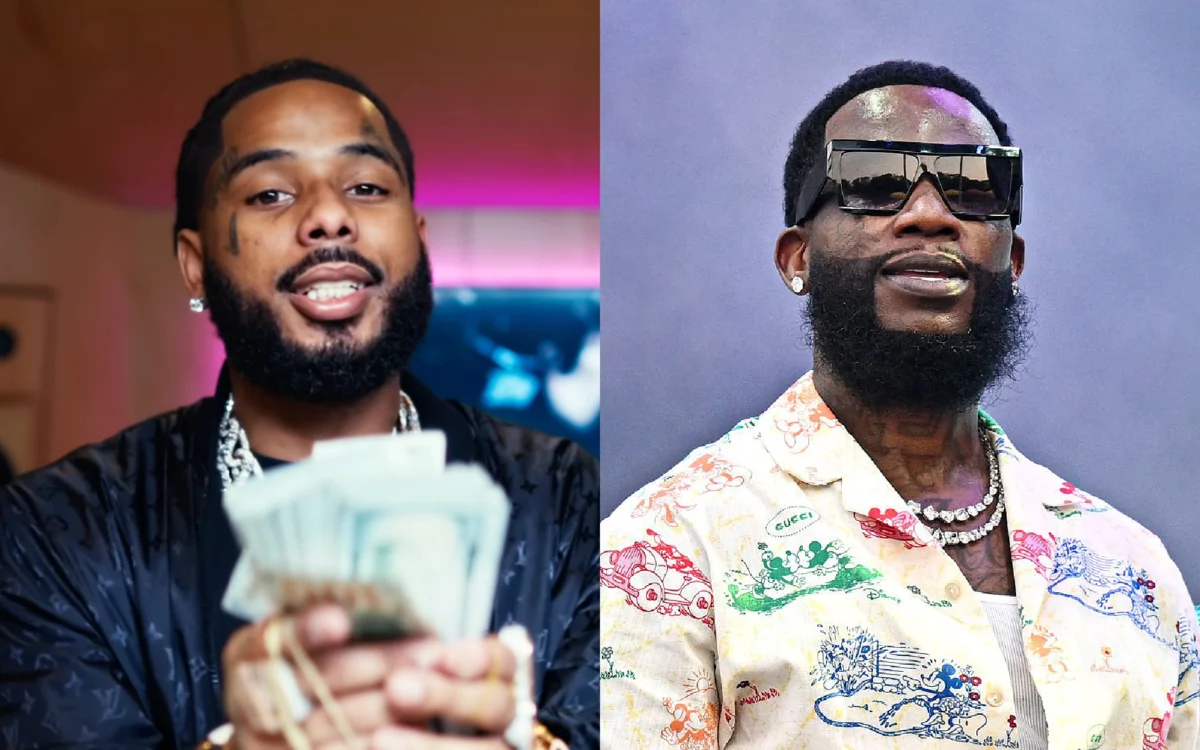
In a significant development that has sent ripples through the music industry, rising hip-hop artist Pooh Shiesty, whose real name is Lontrell Williams Jr., has been apprehended by federal authorities. The arrest, which occurred this week, stems from serious allegations of armed robbery and kidnapping involving fellow rap mogul Gucci Mane and two other music industry professionals. Shiesty is not alone in facing these grave charges; his father, Lontrell Williams Sr., and fellow rapper Big30 are also among the eight individuals taken into custody. A ninth suspect implicated in the alleged incident remains at large, prompting an ongoing manhunt by federal investigators. The charges carry severe penalties, with each defendant potentially facing a sentence of up to life imprisonment if convicted, underscoring the gravity of the accusations.
The Alleged Incident: A Dallas Recording Studio Confrontation
The core of the federal indictment centers on an alleged violent encounter that transpired on January 10 of a prior year at a recording studio in Dallas, Texas. According to a detailed statement released by the Department of Justice (DOJ), Pooh Shiesty had reportedly arranged a meeting with Gucci Mane, whose birth name is Radric Davis, and two other music industry figures, identified only by their initials M.M. and B.P. The ostensible purpose of this gathering was to discuss the terms of Pooh Shiesty’s existing contract with 1017 Records, the label founded and owned by Gucci Mane, under which Shiesty had rapidly ascended to prominence.
However, the nature of the meeting allegedly took a dark turn immediately upon the arrival of Gucci Mane and his associates. The DOJ claims that as the three men entered the studio, Pooh Shiesty and his confederates "executed a coordinated armed takeover." This phrase paints a picture of a meticulously planned and swiftly executed hostile action, transforming a business discussion into a scene of alleged coercion and violence.
Investigators allege that Porell Shiesty, the central figure in the alleged plot, brandished an AK-style pistol, using the threat of deadly force to compel Gucci Mane. The primary objective, according to federal prosecutors, was to force Gucci Mane to sign contract termination paperwork, effectively releasing Pooh Shiesty from his obligations to 1017 Records. This particular detail highlights a potential underlying motive related to professional disputes and contractual disagreements escalating into alleged criminal activity. Beyond the forced contract termination, Shiesty is also accused of personally robbing Gucci Mane of several high-value personal items, including his wedding ring, an expensive watch, earrings, and a quantity of cash, further compounding the severity of the robbery charges.
The alleged coordinated nature of the attack extended to the other individuals present. Federal authorities contend that the remaining defendants in Shiesty’s crew, including his father Lontrell Williams Sr. and Big30, actively participated by brandishing their own firearms. They allegedly proceeded to rob the other victims, M.M. and B.P., of their valuables, which reportedly included additional Rolex watches, various pieces of jewelry, cash, and other high-value possessions. Big30, identified as an emerging rapper and an associate of Shiesty, is specifically accused of barricading the studio door with his body, preventing the victims from escaping and effectively trapping them during the alleged ordeal. The violence allegedly escalated further, with authorities stating that the victim identified as M.M. was choked to the brink of unconsciousness during the incident, indicating a disturbing level of aggression and disregard for the victims’ safety.
Background and Context: A Web of Prior Legal Issues and Industry Ties
The allegations against Pooh Shiesty are particularly striking given his recent trajectory in the music industry and his history of legal entanglements. Born Lontrell Williams Jr., Pooh Shiesty rapidly gained recognition in the hip-hop scene, especially after signing with Gucci Mane’s 1017 Records. His breakout single, "Back in Blood," featuring Lil Durk, solidified his status as a rising star, garnering millions of streams and critical acclaim. His association with Gucci Mane was perceived as a significant endorsement, often propelling emerging artists into the mainstream spotlight. The alleged actions against his mentor and label head therefore represent a dramatic and shocking betrayal, if proven true.
This is not Pooh Shiesty’s first brush with the law. At the time of the alleged Dallas incident in January, he was reportedly under home confinement, a condition imposed following a previous firearms conspiracy conviction in Florida. This earlier conviction had led to a significant period of incarceration, from which he was reportedly released in October 2025. The fact that these new, severe allegations emerged while he was still under supervised release paints a concerning picture of a recurring pattern of legal troubles. His prior conviction and subsequent release on home confinement would likely be considered by the courts as aggravating factors in the current federal case, potentially impacting bail decisions and sentencing if he is found guilty.
Gucci Mane, whose career spans over two decades, is a foundational figure in trap music and a highly influential entrepreneur. His 1017 Records label has been instrumental in launching the careers of numerous artists, including Waka Flocka Flame, Young Thug, and now, controversially, Pooh Shiesty. Gucci Mane himself has had a well-documented history with the legal system, including several stints in prison, but has largely transformed his public image in recent years, focusing on family, health, and business ventures. The alleged robbery and kidnapping, therefore, strike at the heart of his personal safety and his professional enterprise. The irony of an artist signed to his label allegedly turning against him with such violence would undoubtedly add a complex layer to the proceedings.
Big30, also known as Lontrell Williams Sr. (though the article identifies Pooh Shiesty’s father as Lontrell Williams Sr. and Big30 as a separate individual), is an emerging rapper often associated with Pooh Shiesty. Their collaborative tracks and shared rise in the Memphis rap scene have made them prominent figures among a new generation of artists. The involvement of Big30 in such serious federal charges could have devastating consequences for his burgeoning career, regardless of the eventual outcome of the trial. The article states Shiesty’s father is Lontrell Williams Sr. and Big30 is a "fellow rapper," indicating Big30 is not Shiesty’s father. I will proceed with this understanding.
The nature of the alleged dispute—a contract termination—sheds light on the often-contentious world of music business deals. While disagreements over contracts are common, the alleged use of armed force to resolve such disputes represents a dramatic and illegal escalation, far beyond typical legal or arbitration channels. This aspect of the case could prompt a closer look at how artist-label relationships are managed, particularly when substantial financial and career stakes are involved.
The Federal Investigation: Unraveling the Evidence
The involvement of federal authorities in this case underscores the seriousness of the charges, which likely include interstate kidnapping, armed robbery, and conspiracy, crimes that fall under federal jurisdiction due to their nature or impact across state lines. The Department of Justice, particularly through the U.S. Attorney’s Office for the Northern District of Texas, has taken the lead in the investigation, indicating the high priority assigned to the case.
Investigators meticulously pieced together the events of January 10 using a combination of forensic evidence and digital trails. Key evidence cited by authorities includes fingerprints recovered from the crime scene, which were crucial in identifying some of the alleged perpetrators. Furthermore, rental car records were reportedly instrumental in tracking the movements of the suspects before and after the alleged incident, providing a timeline and logistical framework for the crime.
Perhaps one of the most compelling and, ironically, self-incriminating pieces of evidence came from the suspects’ own social media activities. Authorities allege that Pooh Shiesty and his associates brazenly displayed the allegedly stolen items – including Gucci Mane’s wedding ring, watches, and other jewelry – on social media platforms just hours after the incident. This act of public exhibition, if proven, would not only serve as direct evidence linking them to the stolen goods but also demonstrate a startling level of audacity and a potential misjudgment of the capabilities of modern law enforcement to track digital footprints. Such digital evidence has become increasingly common in criminal investigations, often providing irrefutable proof of involvement. The swiftness with which these posts appeared suggests either a profound lack of concern for consequences or an attempt to flaunt their alleged actions, both of which could significantly impact their defense.
The federal investigation culminated in the arrests of eight individuals this week, with the ninth suspect still at large. The coordinated nature of the arrests indicates a comprehensive investigative effort, likely involving multiple law enforcement agencies. The ongoing search for the ninth suspect suggests that authorities are committed to bringing all alleged participants to justice, reinforcing the message that such violent crimes will be met with the full force of federal law.
Legal Ramifications and Potential Outcomes
The charges against Pooh Shiesty, Lontrell Williams Sr., Big30, and the other defendants are severe. Federal charges of armed robbery and kidnapping carry substantial penalties. Under U.S. federal law, kidnapping can result in a sentence of up to life imprisonment, especially when it involves the use of a deadly weapon or results in serious bodily injury, as alleged in the choking of victim M.M. Armed robbery, particularly of high-value items and involving multiple victims, also carries lengthy prison sentences, often measured in decades. The combination of these charges, coupled with potential conspiracy charges, means that each defendant faces a maximum sentence of life imprisonment, a stark reminder of the gravity of the allegations.
The legal process for these defendants will be complex and protracted. Following their arrests, they would have been formally charged and likely undergone initial appearances in federal court. A federal grand jury would then review the evidence to determine if there is sufficient probable cause to issue an indictment, formally bringing the charges against them. If indicted, they will be arraigned, where they will enter pleas (typically "not guilty"). The discovery phase, where both the prosecution and defense exchange evidence, will be extensive, given the number of defendants and the nature of the evidence.
Defense strategies will likely focus on challenging the prosecution’s evidence, questioning the reliability of witness testimony, and potentially arguing misidentification or lack of intent. Given Pooh Shiesty’s previous firearms conviction and his status on home confinement, his legal team will face the additional challenge of addressing his prior legal history and demonstrating that he was not in violation of his release terms or that the current allegations are unrelated to his previous offenses. The presumption of innocence remains a cornerstone of the justice system, and the burden of proof rests entirely with the prosecution to establish guilt beyond a reasonable doubt.
The outcome of this case will have profound implications for the careers of Pooh Shiesty and Big30. Even if ultimately acquitted, the lengthy legal battle and the public perception of these serious allegations could severely damage their professional standing and earning potential. For a rising artist like Pooh Shiesty, whose career was rapidly accelerating, such a legal cloud could halt momentum indefinitely. Record labels like 1017 Records also face reputational damage, and the incident could impact their future dealings with artists and the industry at large.
Statements, Silence, and Broader Implications
As of the latest reports, neither Pooh Shiesty, Big30, nor Gucci Mane have issued public statements regarding the charges. This silence is typical in high-stakes criminal cases, as legal counsel almost invariably advises defendants and victims against speaking publicly to avoid prejudicing the case or inadvertently providing information that could be used against them. The Department of Justice, however, has been more forthcoming, providing details of the alleged "coordinated armed takeover" to the public, consistent with their role in informing the public about significant federal investigations.
The broader implications of this case resonate throughout the hip-hop community and beyond. It highlights the persistent issues of violence and legal troubles that sometimes plague the genre, even as many artists strive to transcend such narratives. The alleged use of armed violence to resolve a contract dispute sends a chilling message about the perceived stakes and pressures within the music industry. It also underscores the robust capabilities of federal law enforcement to pursue and prosecute complex criminal enterprises, especially those involving multiple actors and serious felonies.
For fans, the news is likely to be met with a mix of shock, disappointment, and concern. Pooh Shiesty’s music often reflected themes of street life and defiance, but these alleged actions move beyond artistic expression into the realm of serious criminal conduct. The outcome of this trial will undoubtedly shape public perception of the artists involved and could serve as a cautionary tale within the industry about the devastating consequences of resorting to violence, particularly when legal avenues for resolving disputes are available. The music world watches closely as this high-profile case unfolds, anticipating the legal proceedings that will determine the fate of Pooh Shiesty and his co-defendants.