Nana Wu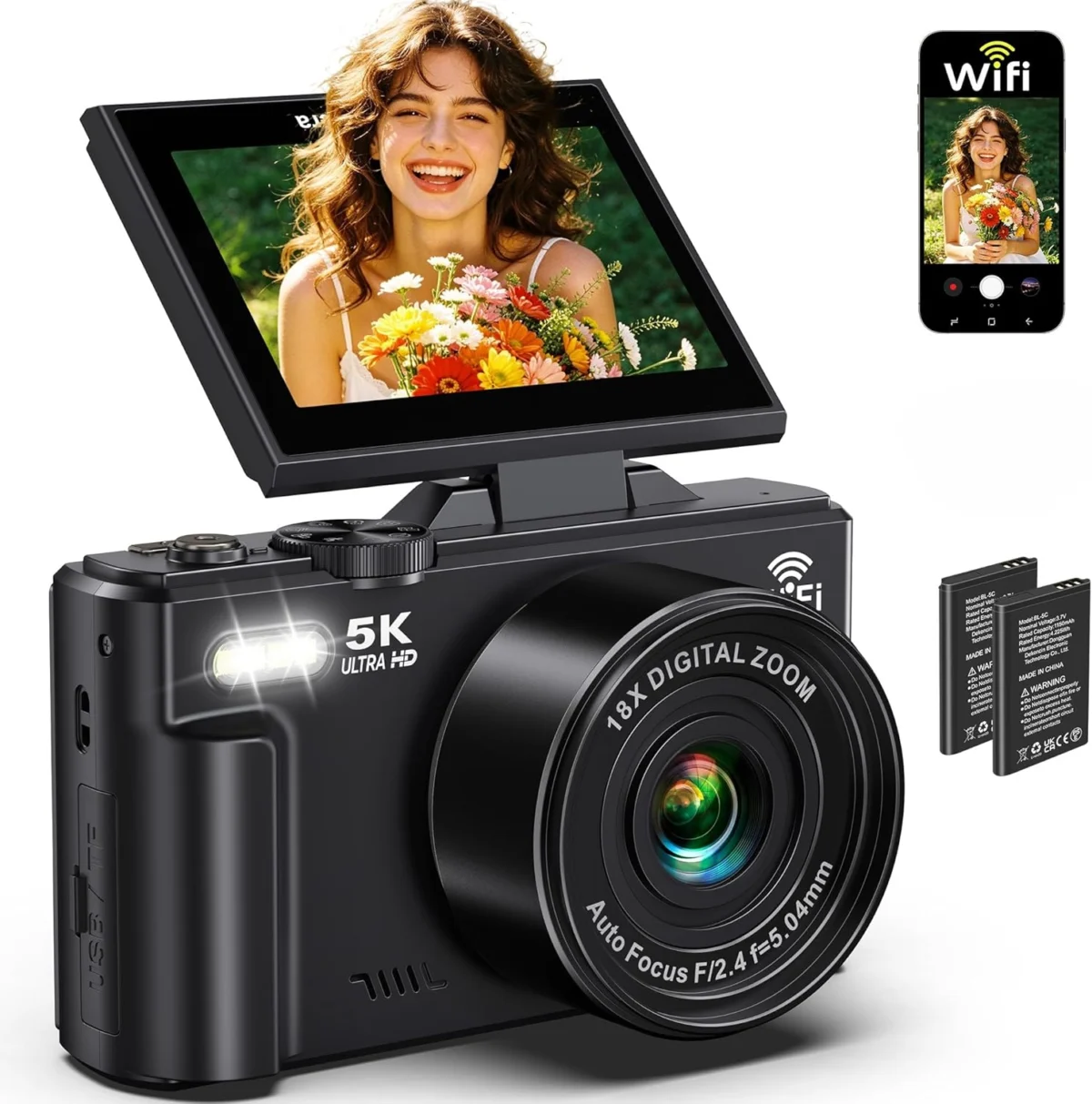
The landscape of digital imaging has witnessed an unexpected and significant shift, with point-and-shoot digital cameras, once widely considered obsolete, experiencing a remarkable resurgence in popularity. Driven primarily by Generation Z’s affinity for vintage aesthetics and authentic digital experiences, these compact devices are making a powerful comeback, especially models priced under $100. This trend represents a fascinating evolution in consumer behavior, challenging the long-held dominance of smartphone photography and carving out a distinct niche for dedicated, simple-to-use cameras.
The Digital Camera’s Perceived Demise and the Rise of Smartphone Supremacy
For over a decade, the narrative around digital cameras was one of steady decline. The pivotal moment arrived in 2007 with the introduction of the first Apple iPhone, which integrated a functional camera into a device already essential for communication and entertainment. This innovation, followed by rapid advancements in smartphone camera technology, fundamentally altered how individuals captured and shared moments. Suddenly, a dedicated point-and-shoot camera seemed redundant. Why carry an extra gadget when your phone could do it all, and often with increasing quality and immediate sharing capabilities?

By the mid-2010s, smartphone cameras had evolved to offer high megapixel counts, advanced computational photography, and a plethora of editing tools. Features like portrait mode, optical zoom (on higher-end models), and impressive low-light performance made it difficult for entry-level digital cameras to compete on technical specifications alone. Manufacturers of traditional digital cameras faced immense pressure, leading to a consolidation in the market and a focus on high-end DSLRs and mirrorless systems for professional and enthusiast photographers. The humble point-and-shoot, once a staple in every household, appeared to be relegated to history, a relic of the early 2000s.
Gen Z’s Nostalgia-Driven Revolution: The Quest for Authenticity
However, recent market research and observable cultural trends indicate a significant reversal, largely spearheaded by Generation Z. This demographic, often characterized by its digital fluency and a nuanced relationship with technology, is fueling a surge in digital camera sales. Their motivation extends beyond mere practicality; it’s deeply rooted in a desire for a vintage aesthetic and a rejection of the overly polished, filtered perfection often associated with smartphone imagery. The "Y2K" and ’90s nostalgia cycles have brought back fashion, music, and, crucially, photographic styles from those eras.
Social media platforms, particularly TikTok and Instagram, have played a critical role in amplifying this trend. Hashtags like #digitalcamera, #y2kaesthetic, and #pointandshoot have amassed millions of views, showcasing grainy, slightly imperfect photos that evoke a sense of authenticity and spontaneity. For many Gen Z users, these images feel more "real" and less curated than those meticulously composed and edited on a smartphone. This preference for a "lo-fi" look is a direct counter-response to the hyper-perfected digital content that has dominated social feeds for years.

Furthermore, the appeal isn’t just aesthetic. There’s an underlying element of "digital detox" at play. Using a dedicated camera means stepping away from the constant barrage of notifications, messages, and app distractions inherent to a smartphone. It encourages a more mindful approach to photography, focusing solely on the act of capturing a moment without the immediate pressure to share or engage with digital feedback. This deliberate disconnection offers a refreshing alternative to the always-on nature of smartphone usage, allowing users to be more present in their experiences.
Market Dynamics and Surging Sales: A Niche Reinvigorated
The impact of this Gen Z-led movement is tangible, with new research confirming an increasing surge in digital camera sales. While high-end cameras continue to serve professionals, it is the entry-level, affordable segment that is witnessing the most dynamic growth. This niche market, once thought to be completely absorbed by smartphones, is proving resilient and innovative.
The average price for a new digital camera can range between $300 and $800, encompassing models with advanced features and larger sensors. However, the current boom is largely concentrated in the sub-$100 category, demonstrating that consumers are seeking functionality and aesthetic appeal without a significant financial outlay. This affordability makes these cameras accessible to a wider audience, including students and those looking for a secondary device specifically for creative expression or event capture.

This market shift presents both challenges and opportunities for camera manufacturers and retailers. Brands that had scaled back their compact camera lines are now re-evaluating their strategies, with some releasing new models designed to tap into this retro aesthetic. Retailers are also responding by increasing their stock of budget-friendly point-and-shoots, often highlighting their "vintage" appeal. The economic implication is a revitalization of a segment previously considered stagnant, fostering new product development and marketing approaches tailored to a younger, nostalgia-driven consumer base.
The Allure of the Affordable Point-and-Shoot: Beyond Nostalgia
While nostalgia is a significant driver, the appeal of affordable point-and-shoot digital cameras is also rooted in practical benefits that smartphones, despite their advancements, cannot fully replicate for certain use cases.
-
Distinct Aesthetic: The images produced by these cameras often possess a unique character—a certain graininess, color rendition, or flash quality—that is inherently different from the crisp, often overly-processed look of smartphone photos. This "vintage vibe" or "digital film" aesthetic is highly sought after and difficult to achieve authentically with smartphone filters alone.

-
Simplicity and Focus: The term "point-and-shoot" itself highlights the core benefit: ease of use. These cameras strip away complex menus, manual settings, and overwhelming options, allowing users to simply frame a shot and press a button. This simplicity fosters a more relaxed and intuitive photographic experience, removing the barrier of technical expertise often associated with higher-end cameras. For beginners or those wanting to focus purely on the moment, this straightforward functionality is invaluable.
-
Durability and Practicality for Events: For environments like music festivals, concerts, or travel, affordable digital cameras offer distinct advantages. They are often more robust and less valuable than a high-end smartphone, making them a less anxiety-inducing choice to carry into crowded or potentially messy situations. If lost or damaged, the financial impact is significantly lower. Furthermore, many music venues and events prohibit "professional cameras" (defined by interchangeable lenses or large bodies), but typically permit compact point-and-shoot digital cameras, allowing attendees to capture memories where smartphones might struggle with lighting or zoom.
-
Dedicated Purpose: Unlike smartphones, which serve multiple functions and are constant sources of distraction, a dedicated digital camera allows for a singular focus on photography. This can lead to more intentional and creative image-making, free from the urge to check emails or scroll through social media feeds.
Key Features Defining the Modern Budget Digicam

Today’s affordable digital cameras, while embracing a retro sensibility, also integrate modern technological improvements that enhance their functionality. Consumers in the sub-$100 market can expect a surprising array of features:
- High Megapixel Counts and Video Capabilities: Many entry-level models now boast impressive sensor resolutions, ranging from 44 megapixels to an astounding 75 megapixels, far surpassing the base specifications of many premium smartphones. They also frequently offer high-definition video recording, including 4K Ultra HD and even 5K Ultra HD options, making them versatile tools for both still photography and casual vlogging.
- Image Stabilization: Crucial for capturing clear photos in dynamic environments, anti-shake features and electronic image stabilization (EIS) are common, helping to minimize blur caused by hand movement or subject motion.
- User-Friendly Design: Beyond simple operation, features like flip screens (ideal for selfies and vlogging), continuous shooting modes, and smile detection enhance the user experience. Many come with essential accessories such as rechargeable batteries (often two for extended use) and an SD card for immediate storage.
- Unique Form Factors: The market offers diverse designs. Some, like the Camp Snap, mimic the screen-less, disposable cameras of the ’90s, fostering a sense of suspense and delayed gratification akin to film photography. Others prioritize ultra-lightweight and slim profiles, such as the Camkory Digital Camera, making them incredibly portable and easy to slip into a pocket or fanny pack without adding bulk.
- Connectivity: While embracing a vintage look, many models still offer modern conveniences like the ability to sync photos to a smartphone for easy sharing online, bridging the gap between retro capture and contemporary distribution. Features like built-in microphones for video further expand their utility.
Specific examples illustrate this diversity. The Camp Snap, for instance, epitomizes the "throwback" experience with its display-less design, reminiscent of disposable cameras, capturing up to 100 shots with a charming vintage aesthetic. For those prioritizing resolution, the Demofit Digital Camera offers an impressive 75 megapixels and 5K Ultra HD video, coupled with anti-shake technology and smartphone syncing. The YYKLNYP Digital Camera stands out for its lightweight design and 64-megapixel sensor, making it a travel-friendly option with a helpful flip screen. The ocxu Digital Camera caters to younger users or beginners with its 68-megapixel, 4K Ultra HD capabilities and 16X zoom, all within an easy-to-use interface. Finally, the Lecran Digital Camera and Camkory Digital Camera offer solid performance with 44 megapixels, anti-shake, and compact designs, making them popular choices for beginners and travelers alike.
Digital Camera vs. Smartphone: A Functional Divide
The question of whether a dedicated digital camera is "better" than a smartphone like the latest Apple iPhone remains complex. Modern smartphones, such as the rumored iPhone 17 with its dual 48-megapixel cameras, certainly deliver impressive technical specifications. They excel in computational photography, instantly processing multiple images to create a single, optimized result, and offer unparalleled integration with apps and the internet.

However, the fundamental design philosophy differs. A digital camera is purpose-built for photography. This specialization often translates to quicker shutter speeds, superior performance in challenging lighting conditions (especially with a dedicated flash), and optics designed for image capture rather than multi-functionality. While a smartphone’s camera is a remarkable feature, it is one of many; its design must accommodate a phone, a music player, a GPS, and a web browser. Digital cameras, even at the budget end, can often provide a more "crisp" flash and, crucially, offer significantly more storage capacity with readily available and expandable SD cards, compared to the fixed and often premium-priced internal storage of smartphones.
Moreover, the physical ergonomics of a dedicated camera often provide a more stable and comfortable grip for photography, a factor that contributes to clearer images and a more enjoyable shooting experience, especially for extended periods.
Implications for the Photography Market and Culture
The resurgence of affordable point-and-shoot digital cameras signals more than just a fleeting trend; it reflects deeper shifts in consumer values and photographic culture.

- Revitalization of a Niche: For camera manufacturers, this unexpected demand has created a new, viable market segment. It encourages innovation in entry-level models, focusing on user experience, aesthetic appeal, and cost-effectiveness rather than a relentless pursuit of technical parity with high-end systems or smartphones.
- Shifting Consumer Habits: Gen Z’s embrace of these cameras highlights a growing desire for diverse digital experiences. It suggests a move away from a singular, all-encompassing device towards specialized tools that cater to specific needs—be it the curated perfection of a smartphone shot or the raw authenticity of a point-and-shoot image.
- The Pursuit of Authenticity: This trend aligns with a broader cultural movement towards authenticity and away from hyper-curated online personas. The slightly imperfect, spontaneous nature of point-and-shoot photos resonates with a generation that values genuine moments over flawless presentations. It’s a form of digital rebellion against the pressures of social media perfection.
In conclusion, the comeback of point-and-shoot digital cameras, fueled by Gen Z’s nostalgia and quest for authenticity, is a compelling story of market adaptation and cultural resonance. Far from being relegated to the past, these affordable, user-friendly devices have found a new purpose, offering a distinct photographic experience that stands apart from the ubiquitous smartphone. They represent a renewed appreciation for dedicated photography, proving that sometimes, simplicity and a touch of retro charm are exactly what the modern digital world needs.