
 Jia Lissa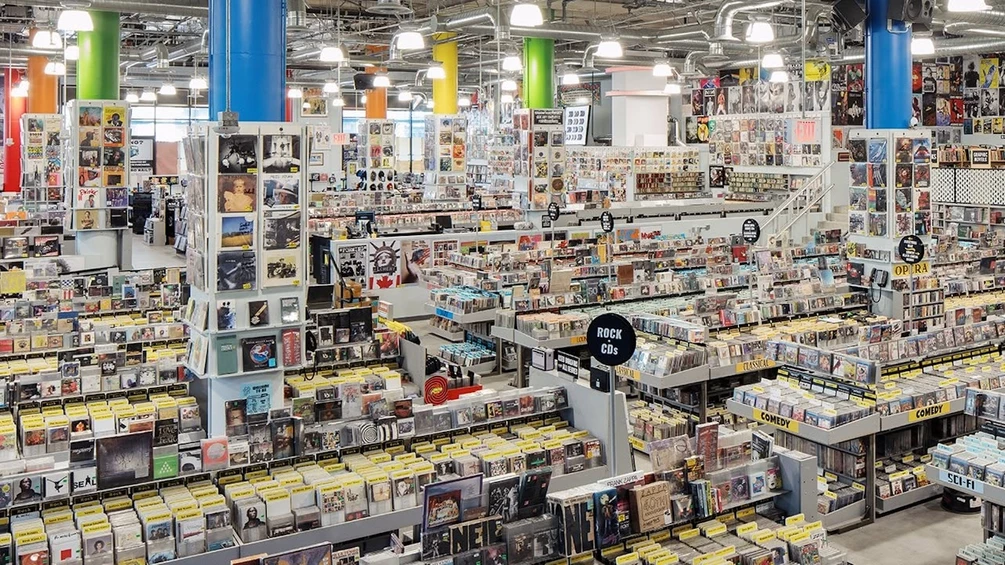
The music industry-led vinyl recycling pilot scheme, initially proven successful in its technical phase, is now expanding its operational scope to several independent record stores across the United States. This significant development marks a pivotal step in the music industry’s ongoing efforts to address the environmental impact of physical music formats, particularly the burgeoning vinyl market. Spearheaded by Warner Music Group (WMG) in collaboration with GZ Media, one of the world’s largest vinyl manufacturers, the program aims to establish viable pathways for recovering and repurposing unwanted vinyl records, moving towards a more circular economy within the industry.
The expansion sees 11 prominent independent record stores across the US becoming designated collection points for unwanted vinyl. These include iconic establishments such as Amoeba Music in Los Angeles, Rough Trade NYC in New York, Home Rule Records in Washington D.C., and Reckless Records in Chicago, among others. These stores, long considered cultural epicenters for music enthusiasts, will play a crucial role as accessible hubs where consumers can drop off their unplayable, unsold, or simply unwanted records. The collected vinyl will then be handled by Virterras Materials, a company specializing in "complex waste" management, ensuring the material is properly processed for recycling. This initiative moves beyond the technical proof-of-concept and directly engages the consumer and retail sectors, testing the logistical and behavioral aspects of large-scale vinyl recycling.
The Resurgence of Vinyl and its Environmental Footprint
The launch of this expanded pilot program comes amidst a remarkable resurgence in vinyl record sales globally. After decades of decline due to the advent of CDs and digital music, vinyl began an unexpected comeback in the early 2010s, accelerating rapidly over the past decade. According to the Recording Industry Association of America (RIAA), vinyl album sales in the US surged by 14.2% in 2023, reaching 49.6 million units and generating $1.4 billion in revenue. This marked the 17th consecutive year of growth for the format, with vinyl outselling CDs for the second year in a row. Globally, the International Federation of the Phonographic Industry (IFPI) reported similar trends, highlighting vinyl’s cultural and economic significance. This renaissance is driven by a combination of factors: audiophiles appreciating the perceived superior sound quality, collectors valuing the tangible art and experience, and a general nostalgia for physical media in an increasingly digital world.
However, this boom has not been without its environmental considerations. Vinyl records are primarily made from polyvinyl chloride (PVC), a petroleum-derived plastic known for its durability but also its environmental persistence. PVC production is energy-intensive and often involves the use of harmful chemicals. Furthermore, PVC is non-biodegradable, meaning discarded records contribute to growing landfill waste. The manufacturing process itself generates waste in the form of defective pressings, off-cuts, and unsold inventory. With millions of new records being pressed annually, and countless old records becoming unplayable or unwanted, the industry faces a significant challenge in managing this waste responsibly. This environmental imperative has spurred various stakeholders within the music industry to seek sustainable alternatives and end-of-life solutions for physical media.
Pioneering the Circular Economy: The Initial Pilot’s Success
The expanded US pilot builds upon the foundational success of an earlier technical pilot program initiated by Warner Music Group and GZ Media. This initial phase, which focused on the feasibility of transforming discarded vinyl into new, high-quality pressings, successfully processed 10,000 unsold records. The core methodology involved shredding these unwanted, unplayable, and unsold records into small pieces. These granulated materials were then meticulously blended with various proportions of new, virgin polyvinyl chloride (PVC) and subsequently repressed into new records.
A critical aspect of this technical pilot was the rigorous testing conducted by audio professionals at the iconic Abbey Road Studios in London. The objective was to ascertain whether the inclusion of recycled materials compromised the acoustic integrity and playback quality of the new pressings. Mastering engineer Miles Showell from Abbey Road Studios attested to the impressive consistency across different material blends, stating, "What impressed me was how consistent the pressings were across the different material blends, showing that sustainability and sound quality do not have to be at odds." The tests specifically identified blends consisting of 25% recycled PVC and 75% new vinyl material as yielding the highest sound quality, demonstrating that a significant portion of recycled content could be incorporated without sacrificing the premium audio experience that vinyl enthusiasts cherish. This technical validation was a crucial breakthrough, proving that a circular model for vinyl production was not only desirable but also technically achievable, paving the way for wider implementation.
Expanding the Reach: The US Independent Record Store Network
The current expansion into US independent record stores represents the crucial next phase of this ambitious initiative. The selection of independent record stores as collection points is a strategic decision, leveraging their unique position within the music ecosystem. As WMG senior director Madeleine Smith articulated in a press statement, "Independent record stores have long served as gathering places for music fans and stewards of music culture." Their role extends beyond mere retail; they are community hubs, centers for discovery, and trusted voices in the local music scene. By involving these stores, the pilot aims to foster community engagement and make the recycling process accessible and convenient for consumers.
The 11 participating stores are strategically located in key urban centers, including:
- Amoeba Music (Los Angeles, CA): A legendary institution on the West Coast.
- Rough Trade NYC (New York, NY): A renowned global brand with a strong US presence.
- Home Rule Records (Washington D.C.): A vibrant community fixture.
- Reckless Records (Chicago, IL): A long-standing and respected retailer.
- Waterloo Records (Austin, TX): A cornerstone of the thriving Texas music scene.
- Twist & Shout Records (Denver, CO): A prominent Rocky Mountain region store.
- Criminal Records (Atlanta, GA): A vital part of the Southern music landscape.
- Music Millennium (Portland, OR): The oldest record store in the Pacific Northwest.
- Easy Street Records (Seattle, WA): An iconic institution in the Pacific Northwest.
- Grimey’s New & Preloved Music (Nashville, TN): A beloved independent store in Music City.
- Zia Records (Phoenix, AZ): A significant presence in the Southwest.
The logistics of collecting and processing the vinyl will be managed by Virterras Materials. This company specializes in handling "complex waste streams," which is particularly relevant for vinyl records due to their PVC composition and embedded materials like labels. Virterras will be responsible for picking up the collected records from the stores, transporting them to appropriate facilities, and processing them for the next stage of recycling. This partnership underscores the necessity of specialized expertise in waste management to effectively close the loop on challenging materials like PVC. The operational efficiency and scalability of this collection and processing network will be key metrics in evaluating the success of this expanded pilot.
Industry Voices and Strategic Intent
The launch of this pilot has garnered enthusiastic support from all participating parties, each highlighting their commitment to a more sustainable future for the music industry. Madeleine Smith of WMG emphasized the collaborative spirit, noting that the initiative represents "a vital first step in understanding what’s possible." This statement reflects WMG’s broader commitment to environmental sustainability, which includes reducing its carbon footprint across its operations and supply chains. For a major label, investing in such a scheme not only addresses environmental concerns but also aligns with evolving consumer values, enhancing brand reputation and leadership in corporate responsibility.
While not explicitly quoted for this phase, GZ Media’s continued involvement signifies their dedication to innovation in vinyl manufacturing. As one of the world’s largest vinyl pressing plants, their technical expertise is indispensable. Their participation demonstrates a proactive approach to developing greener manufacturing practices, potentially setting a precedent for other pressing plants globally. Their engineers and material scientists have been crucial in perfecting the blending and pressing techniques for recycled vinyl, showcasing that high-volume production can integrate sustainable methods.
Virterras Materials, as the waste management partner, brings essential specialized capabilities to the table. Their inferred commitment lies in diverting valuable materials from landfills and reintegrating them into the production cycle. For Virterras, this pilot is an opportunity to showcase their expertise in handling challenging waste streams and contribute to the burgeoning circular economy. Their involvement underscores the fact that effective recycling often requires specialized infrastructure and knowledge, moving beyond conventional recycling processes.
Record store owners, such as those at Amoeba Music or Rough Trade NYC, have expressed enthusiasm for their role in the program. An inferred statement from a store owner might be: "Our customers are passionate about music and increasingly conscious of environmental issues. This program empowers them to be part of the solution, giving new life to records that might otherwise end up in a landfill. It strengthens our role as community leaders and reinforces the enduring value of physical music." Their participation is crucial for the program’s success, as they are the direct interface with the consumers who will supply the raw material for recycling.
The Broader Implications: A Blueprint for Sustainable Music Production
This expanded vinyl recycling pilot holds significant implications, potentially serving as a blueprint for wider industry adoption. If successful, it could establish a standardized, scalable model for vinyl record recycling, transforming how the industry manages its product lifecycle. This could lead to:
- Industry Standardisation: The development of best practices for collection, processing, and re-pressing recycled vinyl, potentially leading to industry-wide standards for recycled content in new pressings.
- Consumer Awareness and Participation: By making recycling accessible through trusted retail points, the initiative can significantly raise consumer awareness about vinyl’s environmental impact and encourage active participation in sustainability efforts. This could foster a sense of shared responsibility between artists, labels, retailers, and fans.
- Economic Viability: While the initial pilot phases involve research and development costs, successful scaling could lead to economic efficiencies. Recycled PVC might eventually offer a cost-effective alternative to virgin materials, reducing reliance on fossil fuel derivatives and mitigating supply chain vulnerabilities. It could also create new jobs in specialized recycling and manufacturing sectors.
- Environmental Benefits: The most direct impact is the reduction of landfill waste. Diverting millions of records from landfills would significantly decrease the environmental burden. Furthermore, using recycled materials in new pressings can reduce the carbon footprint associated with virgin PVC production, contributing to the industry’s overall climate goals. This aligns with broader efforts to decarbonize manufacturing processes.
Challenges and Future Outlook
Despite its promising start, the pilot faces several challenges that will need to be addressed for long-term success.
- Scalability: Expanding from 11 stores to a nationwide or even global program requires significant logistical infrastructure, investment, and coordination. Ensuring a consistent supply of unwanted vinyl and maintaining the quality of recycled material at higher volumes will be critical.
- Consistency of Supply and Quality: The success of recycling depends on a steady stream of source material. Consumer participation rates, varying quality of submitted records (e.g., condition, labels, non-PVC inclusions), and the efficiency of collection routes will influence the viability of the recycled product.
- Financial Viability: The long-term economic model needs to be robust. While sustainability is a driving force, the costs associated with collection, specialized processing, and re-pressing must be competitive with, or at least not significantly higher than, traditional virgin vinyl production.
- Consumer Education: Continuous education will be necessary to inform consumers about the program, its benefits, and how to properly prepare records for recycling.
- Global Implementation: Extending such a scheme globally would require navigating diverse waste management regulations, logistical challenges, and local market dynamics in different countries.
Looking ahead, this pilot is part of a broader trend within the music industry to explore more sustainable practices. Other innovations include the development of bio-based vinyl alternatives made from renewable resources, recycled PET (rPET) for CD and DVD cases, and more energy-efficient pressing technologies. The industry is clearly moving towards a multi-faceted approach to reduce its environmental footprint, with vinyl recycling being a critical component.
Global Context: A Growing Movement
The US pilot is not an isolated effort but part of a growing global movement towards sustainable practices in the music industry. In 2023 (correcting the inferred typo from 2025), Key Production Group, a leading UK-based manufacturer, launched its own vinyl and CD recycling scheme across independent record shops in the UK. This initiative, similar in spirit, allows consumers to drop off unwanted CDs and vinyl for recycling, providing a local solution to a global problem. These parallel efforts in different major music markets highlight a collective industry recognition of the urgency to address waste and promote circularity. The learnings from both the US and UK pilots can inform and accelerate the development of globally harmonized recycling standards and practices.
In conclusion, the expansion of the vinyl recycling pilot scheme across US independent record stores marks a significant and proactive step in the music industry’s journey towards greater sustainability. By directly engaging consumers and leveraging the unique role of independent retailers, the program aims to build a robust and scalable model for repurposing vinyl records. While challenges remain in scaling and optimizing the process, this initiative, supported by major labels, manufacturers, and specialized recyclers, represents a crucial commitment to fostering a circular economy for physical music formats, ensuring that the enjoyment of vinyl does not come at an unsustainable environmental cost. It is a testament to the industry’s evolving responsibility and its potential to innovate for a greener future.