Nayara Elvina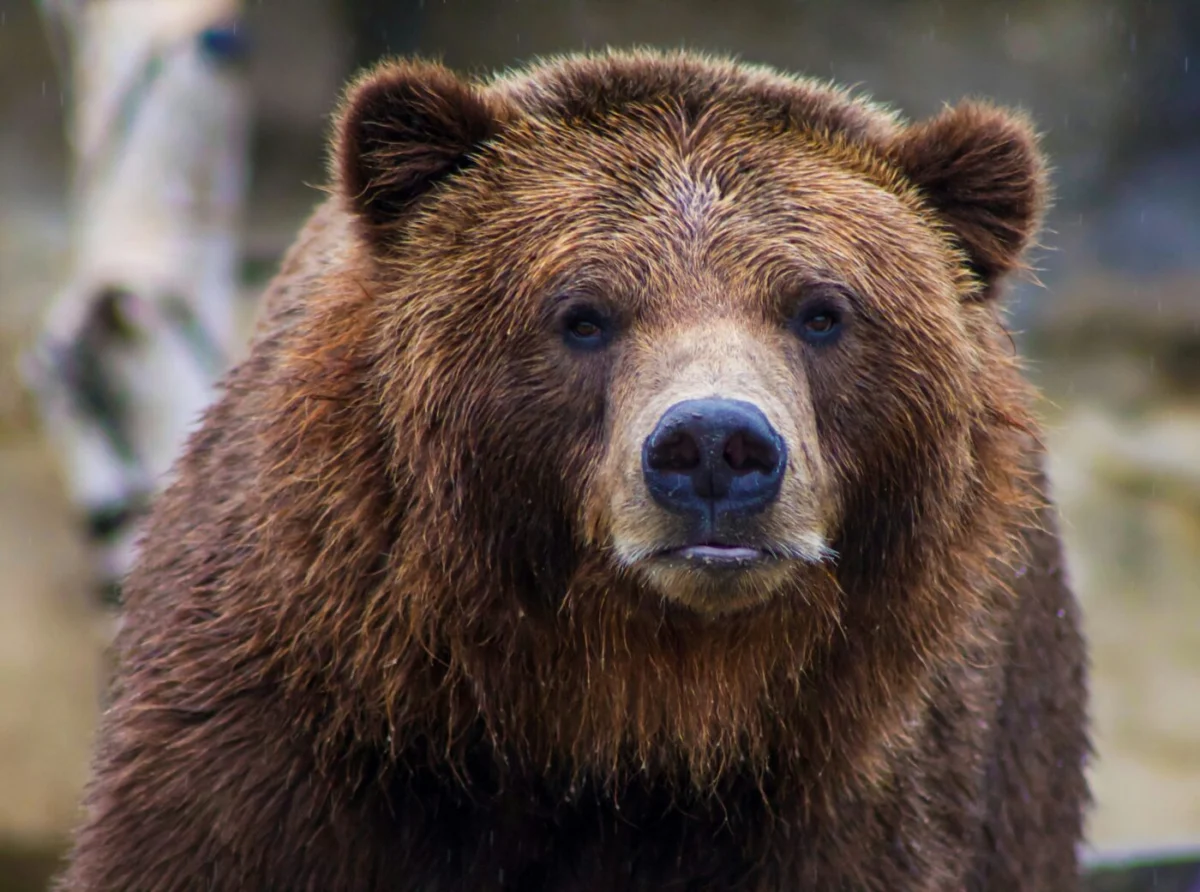
In a dramatic display of interspecies conflict within the boundaries of Yellowstone National Park, a Sandhill crane was recently documented successfully repelling a grizzly bear that had encroached upon its nesting site. The encounter, captured in high-definition video by Roam Wild Photo Tours, highlights a significant disparity between physical size and defensive resolve in the animal kingdom. While grizzly bears are apex predators with few natural enemies, the footage reveals a sub-adult grizzly retreating from the aggressive posturing of a bird that weighs less than five percent of the bear’s total body mass. This incident serves as a poignant example of the biological imperatives driving parental defense and the complex social hierarchy of the Greater Yellowstone Ecosystem.
The Chronology of the Encounter
The confrontation took place during the peak of the avian nesting season in a marshy meadow typical of Yellowstone’s interior. The footage begins with a younger, sub-adult grizzly bear wandering through the tall grass, likely foraging for roots, insects, or opportunistic protein sources. As the bear approached a specific patch of vegetation, it triggered the territorial instincts of a resident Sandhill crane.
Rather than fleeing—a common response for many avian species when faced with a large carnivore—the crane immediately adopted a defensive stance. It stood to its full height, which can reach nearly four feet, and fully extended its wingspan, creating a visual silhouette intended to intimidate the intruder. As the grizzly bear continued its approach, driven by curiosity or hunger, the crane moved toward the predator rather than away from it.
The crane utilized a combination of rhythmic wing flapping and sharp, loud vocalizations to signal its intent. On several occasions, the bird lunged forward, leading with its spear-like beak. The grizzly bear, visibly startled by the lack of submissive behavior from the crane, hesitated. After several minutes of psychological maneuvering, during which the crane refused to yield even an inch of ground, the grizzly bear turned and retreated into the surrounding timber. The crane remained in its defensive posture until the predator was well out of the immediate vicinity, eventually returning to the nest it was protecting.
Biological Profile: The Sandhill Crane (Grus canadensis)
To understand the audacity of this defense, one must examine the biological and evolutionary history of the Sandhill crane. These birds are among the oldest living avian species, with fossil records in Nebraska dating back approximately 2.5 million years. Their survival over such vast geological time is attributed to their sophisticated social structures and formidable physical attributes.
Adult Sandhill cranes are characterized by their grey plumage, red foreheads, and long, stilt-like legs. While they appear delicate, their legs are capable of delivering powerful kicks, and their bills are used with surgical precision to hunt small mammals, reptiles, and insects. In a defensive context, the bill becomes a dangerous weapon capable of targeting the sensitive eyes and nose of a predator.
The crane’s behavior in the Yellowstone footage is a textbook example of "nest defense," a strategy where the parent calculates that the risk of injury is outweighed by the necessity of offspring survival. In the avian world, Sandhill cranes are known for their "unison calls" and aggressive displays against perceived threats, including coyotes, foxes, and, as evidenced here, bears.
The Grizzly Bear’s Role in the Ecosystem
The grizzly bear (Ursus arctos horribilis) involved in the encounter appeared to be a sub-adult, a stage of life characterized by high levels of curiosity and a lack of established territory. In Yellowstone, grizzly bears are opportunistic omnivores. While their diet consists largely of vegetation, nuts, and berries, they are known to raid nests for eggs or fledglings when the opportunity arises.
A fully grown male grizzly in the Yellowstone region can weigh upwards of 700 pounds and stand 8 feet tall when upright. However, even a smaller sub-adult possesses the raw power to kill a crane instantly. The bear’s decision to retreat was likely a result of a risk-reward assessment. Predators in the wild are highly averse to injury; even a minor wound to the face or eyes inflicted by a crane’s beak could lead to infection or impaired hunting ability, which can be fatal in a competitive environment. When faced with a prey item that fights back with such intensity, the bear often concludes that the caloric gain of the meal is not worth the potential physical cost.
Supporting Data on Yellowstone Wildlife Interactions
Yellowstone National Park spans nearly 3,500 square miles and serves as one of the last remaining strongholds for large-scale predator-prey dynamics in the lower 48 states. Interactions between grizzlies and other species are frequently monitored by the National Park Service (NPS) and independent researchers.
According to the Interagency Grizzly Bear Study Team (IGBST), grizzly populations in the Greater Yellowstone Ecosystem have rebounded from fewer than 150 individuals in the 1970s to over 700 today. This increase in population density leads to more frequent encounters between bears and other resident species. While grizzlies are often the aggressors in interactions with elk or bison calves, the park’s bird populations—particularly large species like the Sandhill crane and the Trumpeter swan—have developed robust defensive mechanisms to coexist with these massive mammals.
Data from avian surveys in the park indicate that Sandhill crane nesting success is heavily dependent on habitat selection. By nesting in wetlands and open meadows where they have clear lines of sight, cranes can detect predators like grizzlies from a distance and begin their intimidation displays long before the predator reaches the nest.
Public and Scientific Reactions to the Footage
The video, shared by Roam Wild Photo Tours, garnered significant attention on social media platforms, drawing comments from both casual observers and wildlife biologists. One observer noted that the "crane still thinks it’s a dinosaur," a statement that aligns with the evolutionary reality of the species. Others referred to the crane as the "ribeye of the sky," a colloquialism used by hunters to describe the high meat quality of the bird, which further emphasizes the irony of the bear—a supreme hunter—being driven off by its potential prey.
Wildlife photographers and guides in the park emphasized that such moments are rare to capture on film but are a daily reality of the "Yellowstone struggle." A spokesperson for Roam Wild Photo Tours remarked on the intensity of the moment, stating, "One of the wildest moments we’ve witnessed this season… Size isn’t everything in the wild. Sometimes determination is the strongest defense of all."
Biologists suggest that this footage is valuable for educational purposes, as it dispels the myth that smaller animals are helpless against larger predators. It also underscores the importance of maintaining a respectful distance from wildlife; if a crane is willing to challenge a grizzly bear, it would certainly not hesitate to defend its territory against a human tourist who wanders too close.
Broader Ecological Implications and Conservation
The encounter between the crane and the grizzly is more than just a viral moment; it is an indicator of a healthy, functioning ecosystem. For such interactions to occur, both species must have access to high-quality habitat and sufficient protection from human interference.
The Sandhill crane is protected under the Migratory Bird Treaty Act of 1918, which prohibits the taking, killing, or possession of these birds without a permit. Similarly, the grizzly bear remains a species of intense conservation focus, with ongoing debates regarding its status under the Endangered Species Act. The presence of both species in Yellowstone, and their ability to engage in natural behaviors, is a testament to decades of conservation efforts.
Furthermore, this incident highlights the role of "fear ecology" in shaping landscapes. When predators are deterred by the defensive actions of prey, it influences where those predators hunt and move, which in turn affects the distribution of other species and the growth of vegetation. The "bravery" of the crane ensures that its specific patch of the meadow remains a safe haven for its offspring, contributing to the genetic diversity and population stability of the species within the park.
In conclusion, the standoff in Yellowstone National Park serves as a powerful reminder of the complexities of nature. The Sandhill crane’s refusal to back down in the face of overwhelming odds demonstrates that survival in the wild is as much about psychological dominance and instinctual drive as it is about physical size. As Yellowstone continues to serve as a living laboratory for wildlife biology, encounters like these provide invaluable insights into the resilient spirit of the animals that call the wilderness home.



![Sijya announces Leather and Brass [Retrofitted] EP, shares Do I Know [Rachika Nayar Edit]: Listen](https://empire-music.net/wp-content/uploads/2026/09/sijya-announces-leather-and-brass-retrofitted-ep-shares-do-i-know-rachika-nayar-edit-listen.webp)