Jia Lissa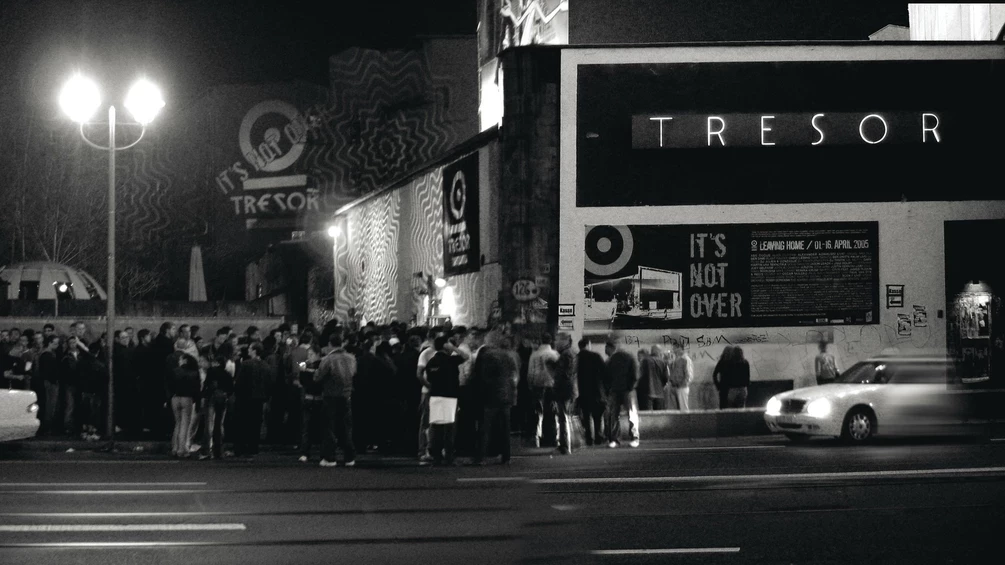
The German federal cabinet has approved landmark planning reforms that will formally reclassify nightclubs as cultural institutions, granting them significantly stronger protection against eviction, redevelopment, and the pressures of urban gentrification. This pivotal legislative shift aims to safeguard Germany’s globally renowned nightlife scene, which has long been a cornerstone of its cultural identity and a significant economic driver. Under the proposed changes, nightclubs will no longer be grouped with adult entertainment businesses such as casinos, strip clubs, and brothels for planning purposes. Instead, they will be recognized for their "cultural and artistic value," aligning them more closely with traditional cultural venues like theatres, opera houses, and museums. This move marks the culmination of years of persistent advocacy from the nightlife industry and cultural lobbyists, who have long argued for a re-evaluation of clubs’ societal and artistic contributions.
A Landmark Shift in Cultural Policy
The reclassification represents a profound philosophical and legal departure from outdated regulatory frameworks that have historically marginalized nightlife establishments. By acknowledging nightclubs as legitimate cultural venues, the German government is setting a precedent that could reverberate across Europe and beyond. This change is not merely symbolic; it carries tangible legal benefits. Crucially, it will provide clubs with enhanced legal standing in disputes with real estate developers, make it harder for landlords to implement drastic rent increases or force evictions, and offer greater flexibility in zoning regulations. This means clubs will have more scope to operate in mixed-use areas and even some residential zones, where they were previously restricted due to noise complaints and perceived incompatibility with family life. The proposed building regulations law, approved by the cabinet of German Chancellor Friedrich Merz, is now poised for approval by the Bundestag and the Bundesrat, where cross-party support suggests a high likelihood of its passage.
The Genesis of "Clubsterben": A Crisis for German Nightlife
For decades, German cities, particularly Berlin, have grappled with a phenomenon known as "clubsterben" or "club death." This trend has seen the widespread closure of iconic venues, threatening the very fabric of the country’s vibrant nightlife scene. The original article highlights the closures of renowned Berlin clubs such as Watergate, Renate, and SchwuZ, which serve as stark examples of this alarming trend. The root causes of "clubsterben" are multifaceted, encompassing escalating rents, aggressive real estate speculation, gentrification, increased noise complaints from new residents moving into previously industrial or commercial areas, and the restrictive nature of existing planning laws.
Historically, the legal framework, dating back to the last century, indiscriminately categorized clubs alongside businesses perceived as "shady" or incompatible with residential areas. Marc Wohlrabe, a prominent German nightlife lobbyist and board member of LiveKomm, the association of live music venues in Germany, articulated this frustration to The Guardian: "The existing entertainment venue regulations date back to the last century when legislature and the authorities decided to lump together as shady everything that happened in the evenings, from red-light districts, to strip bars, game halls, and music clubs, considering this incompatible with residential areas and families." This outdated categorization left clubs vulnerable, often deemed nuisance businesses rather than cultural assets, making them prime targets for redevelopment. Developers frequently purchased properties housing clubs, raising rents to unsustainable levels or demolishing buildings for new residential or commercial projects, leaving club owners with no legal recourse.
A Decade of Advocacy: The Fight for Recognition
The journey to this legislative breakthrough has been long and arduous, marked by years of concerted lobbying and advocacy efforts from the German nightlife community. The push for cultural recognition began in earnest well before the federal cabinet’s recent approval.
- Early 2020: German clubs initiated a concerted campaign, advocating for their recognition as cultural institutions, presenting their case to parliament. This early advocacy laid the groundwork for future legislative action.
- 2021: Berlin, a global epicentre of electronic music and club culture, took a pioneering step by officially declaring its nightclubs as cultural institutions. This local declaration was a significant moral victory and provided a tangible example of the benefits of such recognition, serving as a blueprint for national reform.
- March 2024: In a monumental international endorsement, Berlin techno culture was added to the UNESCO Intangible Cultural Heritage list. This global recognition provided immense credibility to the arguments made by lobbyists, underscoring the profound cultural significance of German club culture on an international stage. This UNESCO listing served as a powerful catalyst, adding urgency and legitimacy to the ongoing federal legislative efforts.
- May 2026: The German federal cabinet, under Chancellor Friedrich Merz, formally approved the proposed building regulations law, bringing years of advocacy to the cusp of legislative success.
Organizations like LiveKomm have been instrumental in this process, tirelessly campaigning for a re-evaluation of how society and the state perceive nightclubs. Wohlrabe’s argument that "The club owners we represent operate more like a theatre – curating artists… nurture emerging talent, and deserve instead to be designated as cultural centres alongside opera, theatre, and high culture" encapsulates the core message that has finally resonated with policymakers. These venues are not just places for entertainment; they are incubators for musical talent, platforms for artistic expression, and vital community hubs that foster creativity and innovation.
The Proposed Legislation: Mechanics of Protection
The new building regulations law is designed to provide robust legal mechanisms to protect clubs. While specific details of the bill are still subject to final parliamentary approval, the core principles aim to:
- Zoning Flexibility: Allow clubs to operate more freely in mixed-use commercial and even certain residential areas. This would involve revising noise ordinances and planning permissions to acknowledge the cultural value of these establishments, potentially leading to more nuanced assessments of their impact compared to purely commercial ventures.
- Protection from Eviction and Redevelopment: Make it significantly more difficult for real estate developers to displace clubs. This could include requirements for developers to provide alternative venues, stricter conditions for demolition, or legal frameworks that prioritize cultural preservation over speculative development. It might also introduce provisions for cultural impact assessments before redevelopment projects are approved.
- Mitigation of Rising Rents: While direct rent control might be beyond the scope of a building regulations law, the reclassification could indirectly empower clubs to negotiate better terms or access cultural funding and grants specifically allocated for preserving cultural institutions, thereby helping to offset rising operational costs.
- Noise Management Solutions: Encourage and potentially mandate solutions for noise insulation and management, shifting the burden from solely restricting club operations to implementing technological and architectural solutions that allow co-existence with residential areas.
The anticipated cross-party support for the bill underscores a growing consensus within the German political landscape regarding the importance of preserving this vital cultural sector. It reflects an understanding that a thriving nightlife is integral to the overall health and attractiveness of German cities.
Economic and Social Pillars: The Vital Contribution of Nightlife
Beyond their cultural significance, nightclubs are substantial contributors to the German economy and social fabric. While exact figures fluctuate, estimates suggest that the German nightlife sector, encompassing clubs, bars, and associated businesses, generates several billion euros annually.
- Job Creation: The industry supports tens of thousands of jobs directly, from DJs, sound engineers, lighting technicians, security personnel, and bar staff to promoters, booking agents, and administrative staff. Indirectly, it stimulates employment in hospitality, tourism, and local supply chains.
- Tourism Magnet: Cities like Berlin are global magnets for "techno tourism," attracting millions of international visitors specifically for their clubbing experiences. These tourists contribute significantly to local economies through accommodation, dining, transport, and retail spending. This cultural tourism not only boosts revenue but also enhances Germany’s international image as a dynamic and culturally rich destination.
- Creative Industries Incubator: Clubs serve as crucial incubators for emerging artists, musicians, and DJs, providing platforms for talent development and experimentation. They are integral to the wider creative economy, fostering innovation in music, fashion, and event management.
- Urban Vibrancy: A diverse and active nightlife contributes to the vibrancy and attractiveness of urban centres, making them more appealing places to live, work, and visit. It fosters social cohesion and provides important spaces for community building and cultural exchange.
The proposed legislation is, therefore, an investment in not just cultural preservation, but also in sustained economic growth and the vitality of German cities.
UNESCO’s Endorsement: Elevating Techno to Heritage Status
The timing of the federal cabinet’s approval is particularly poignant, following closely on the heels of Berlin techno culture’s recognition by UNESCO in March 2024. This international acknowledgment formally cemented what many have long known: that Berlin’s electronic music scene is not merely entertainment but a distinct cultural phenomenon worthy of global heritage status. The UNESCO designation highlighted techno’s historical roots, its role in post-reunification Berlin, its contributions to art and identity, and its unique cultural practices. This global validation provided significant momentum to the domestic legislative efforts, making it increasingly difficult for policymakers to ignore the cultural arguments for protecting clubs. The reclassification of clubs at the national level can be seen as a direct response to this international recognition, translating global cultural esteem into concrete domestic policy.
Voices from the Sector: Reactions and Hopes
The news has been met with widespread relief and optimism across the German nightlife sector.
- Marc Wohlrabe (LiveKomm): Expressed profound satisfaction, noting that the legislative change is a long-overdue rectification of historical injustice. "This recognition validates years of our work and acknowledges the true value of these institutions. It’s a victory for culture and for the thousands of individuals who contribute to this vibrant ecosystem."
- Club Owners: Many club owners, who have operated under immense pressure, view this as a lifeline. "For years, we’ve lived with the constant threat of closure, unable to invest long-term or plan for the future," stated the owner of a well-known Berlin venue, speaking anonymously. "This law provides much-needed stability and a clear path forward, allowing us to focus on what we do best: fostering culture and creativity."
- Government Officials: While Chancellor Merz’s cabinet approved the law, other government figures are likely to laud its impact. A spokesperson from the Federal Ministry for Culture and Media, for instance, might state, "This government is committed to preserving Germany’s rich cultural landscape in all its forms. By recognizing nightclubs as cultural institutions, we are not only protecting vital spaces for artistic expression but also securing an important economic sector and a cornerstone of our national identity."
- Artists and DJs: Many artists expressed hope for a more secure future for their creative homes. "Clubs are our studios, our stages, our communities," noted a prominent German DJ. "Without them, a significant part of our artistic infrastructure would crumble. This recognition is crucial for the next generation of artists."
While some real estate developers might voice concerns about potential restrictions on land use or development opportunities, the overall sentiment is that this move creates a more balanced urban environment that values cultural assets alongside commercial interests.
Broader Implications and the Future Landscape
The implications of this legislative change extend far beyond the immediate protection of individual venues:
- Urban Planning Paradigm Shift: It signals a shift in urban planning philosophy, encouraging cities to integrate cultural spaces more thoughtfully into their development strategies rather than viewing them as obstacles. This could lead to more mixed-use urban planning that prioritizes cultural diversity and community well-being.
- Cultural Preservation and Innovation: By providing stability, the law will enable clubs to invest more in programming, infrastructure, and talent development, fostering further innovation within Germany’s music and arts scenes. It ensures the long-term survival of a unique cultural heritage.
- Economic Stability and Growth: The enhanced legal status is expected to attract more investment into the nightlife sector, encouraging entrepreneurs to open new venues and fostering job growth.
- International Precedent: Germany’s move could serve as a powerful model for other countries facing similar challenges in preserving their nightlife and cultural spaces. Many cities globally are struggling with gentrification and the loss of cultural venues, and this German initiative might inspire similar legislative reforms elsewhere.
- Challenges Ahead: While the legislative approval is a monumental step, challenges remain. Effective implementation, consistent enforcement across different municipalities, and ongoing dialogue between club owners, residents, and developers will be crucial for the long-term success of these reforms.
The recent documentary Ausgetanzt? Berliner Clubs unter Druck (Danced out? Berlin Clubs under Pressure) released by ARD Mediathek in January, along with the berlinHistory app project that began logging the city’s closed clubs in 2022, serve as powerful reminders of the precarious situation many clubs faced. These initiatives underscored the urgent need for intervention. With this new legislative framework, Germany is not just preserving its past; it is actively building a more secure and culturally vibrant future for its iconic nightlife, reaffirming its status as a global leader in cultural innovation and preservation.