Nana Wu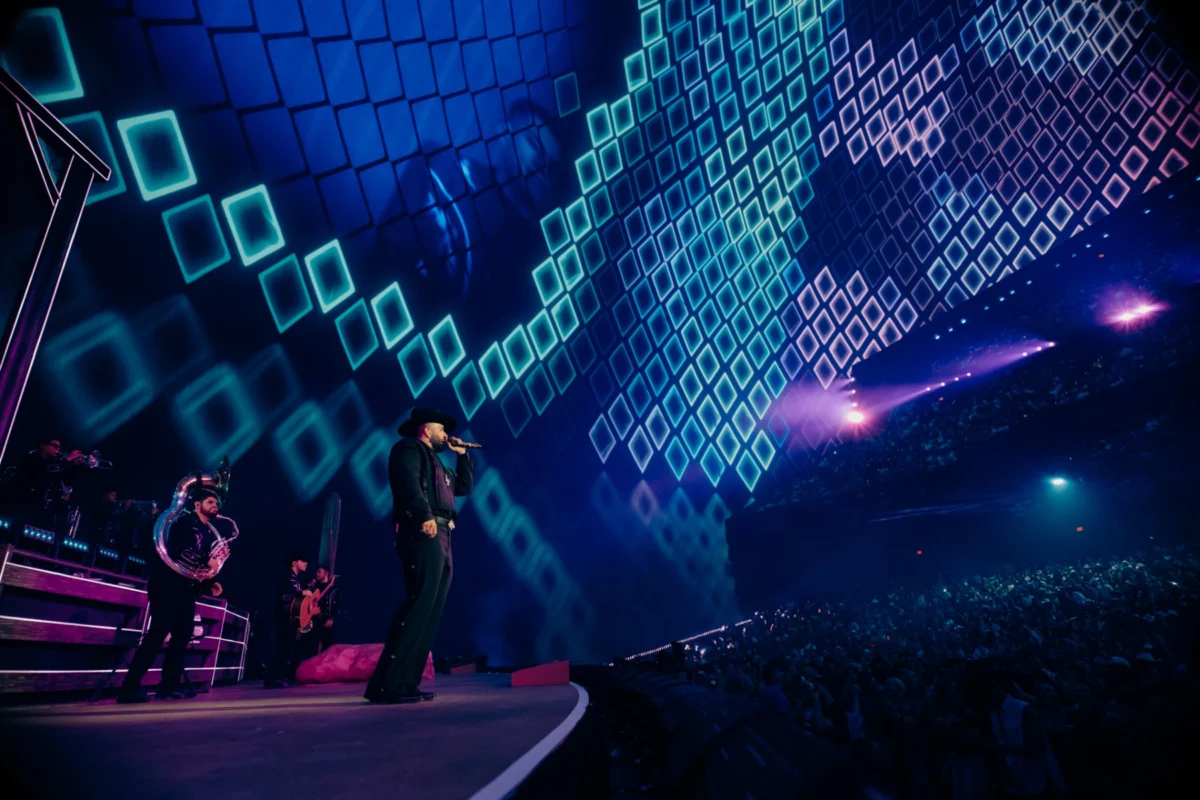
The Sonoran music icon Carin Leon returned to the stage of the Las Vegas Sphere on Friday, September 11, 2026, marking a pivotal moment in his ongoing residency at the world’s most technologically advanced performance venue. The performance arrived less than 24 hours after the abrupt cancellation of his Thursday night show, a decision the artist attributed to logistical complications involving air travel. Despite the initial setback, the Friday concert proceeded as scheduled, drawing an audience of approximately 20,000 attendees and underscoring the artist’s continued dominance in the regional Mexican genre.
A Resilience-Driven Performance
The atmosphere inside the Sphere was electric as Leon, 37, took the stage at 8:30 p.m. local time. Eschewing any formal address regarding the previous night’s cancellation, the singer maintained a professional focus on the production, signaling his commitment to the high-stakes demands of a Las Vegas residency. "¡Que viva México y que viva Hermosillo!" he proclaimed to the crowd, stripping off his hat in a gesture of humility that served to bridge the gap between the ultra-modern venue and his traditionalist roots.
The concert, which functions as the cornerstone of a seven-show series, utilized the Sphere’s 16K LED screen to create an immersive, high-definition homage to Northern Mexico. Throughout the performance, visuals of the Sonoran desert, the iconic Hermosillo Cathedral, and the rugged terrain of the Cerro de la Campana were projected with such clarity that they provided a visceral, sensory experience for the sold-out crowd. This integration of cutting-edge technology with traditional cultural imagery has been central to the appeal of Leon’s residency, marking a milestone as he became the first Latin artist to headline the venue.
The Chronology of the Residency
The current residency, which commenced on September 4, 2026, represents a significant expansion of the Latin music market into the premier Las Vegas entertainment corridor. The schedule for the residency was meticulously planned to capitalize on the proximity to Mexican Independence Day celebrations, which typically drive high tourism numbers in Nevada.
However, the trajectory of the residency hit a notable obstacle on September 10, when officials announced the cancellation of the evening’s performance. While the specific "airplane issues" cited by the artist’s team were not detailed further, the incident sparked a surge of social media commentary and concern regarding the feasibility of maintaining the complex logistical requirements of a multi-night residency at the Sphere. The rapid recovery on September 11, however, served to stabilize the production, with ticket holders for the Friday show expressing widespread satisfaction with the show’s production value and length.

Star-Studded Collaborations and Cultural Tributes
The concert served as more than just a musical performance; it functioned as a showcase for the legacy of Mexican music. Leon’s commitment to his roots was most evident during "La Caverna Sagrada," a segment of the show dedicated to ancestral remembrance. During this portion, the screen transformed into an altar, featuring candles and photographic tributes to deceased loved ones, creating an intimate, somber contrast to the scale of the venue.
The inclusion of guest performers elevated the evening’s status. The arrival of Pepe Aguilar, a titan of the genre, was received with a thunderous ovation. The pair performed "Lamentablemente" and the classic "Por mujeres como tú," highlighting the generational bridge between Aguilar’s traditional ranchera style and Leon’s contemporary fusion approach. The emotional weight of the performance was palpable, with Leon publicly thanking Aguilar for his mentorship and influence on his career.
In a second surprise appearance, José Guadalupe Esparza of the legendary group Bronco took the stage. For many in the audience, this was the highlight of the night, as Leon recounted his childhood connection to the band. The joint performance of staples like "Si te vuelves a enamorar" and "Oro" reinforced the enduring cultural currency of the grupero genre. The collaboration served as a reminder of the historical evolution of Mexican music, from the grassroots popularity of groups like Bronco to the global stadium-level success of performers like Leon.
Broader Economic and Artistic Implications
The residency at the Sphere is a testament to the surging demand for Latin music in the United States. Data from recent industry reports indicate that regional Mexican music has seen a compound annual growth rate that outpaces many other genres, fueled by streaming consumption and a massive, underserved demographic in the live event space.
By securing a residency at the Sphere—a venue typically associated with major global rock acts like U2 or Phish—Leon has effectively broken a barrier for non-English language performers. The financial stakes of such a residency are significant, involving multi-million dollar investments in stage production, visual assets, and venue rental fees. The success of these shows is being closely monitored by promoters and agents, who view this residency as a litmus test for the viability of long-term Latin music residencies in premier Las Vegas theaters.
Furthermore, the announcement that Leon will return to the venue in September 2027, during the peak of the Independence Day window, suggests that AEG and the artist’s management view this relationship as a long-term commercial asset. By anchoring these performances to key cultural holidays, the organizers ensure a consistent flow of high-value tourism, which is essential for the economic sustainability of such an expensive venue.

Analysis: Navigating the Residency Format
Transitioning from a traditional touring model to a fixed residency format presents unique challenges for artists accustomed to the dynamic environment of traveling shows. While a residency offers the benefit of a stationary, highly specialized stage setup, it also demands rigorous adherence to a schedule that leaves little margin for error.
The cancellation on September 10 serves as a reminder of the fragility of these high-production schedules. For an artist like Leon, whose persona is built on authenticity and a deep connection to his audience, the ability to recover from a public setback is crucial. His focus on high-quality interaction—signing hats, accepting flags, and filming content for his followers—demonstrates a sophisticated understanding of audience management in the digital age. He has managed to maintain the intimacy of a local concert despite the overwhelming scale of the Sphere’s architecture.
Conclusion and Future Outlook
As the residency continues, all eyes will be on the logistical performance of the production team. With the upcoming 2027 dates already confirmed, the current run serves as a pilot for what could become a new standard for Latin music presentation on the international stage.
Carin Leon’s ability to sell out multiple nights at a venue as technologically complex as the Sphere, while simultaneously honoring the traditional music of his homeland, places him at a unique juncture in the music industry. His success is not merely a reflection of his popularity, but a validation of the growing influence of the Latin market in the highest echelons of global entertainment. For his fans, the September 11 show was more than a performance; it was a defiant statement of artistic endurance and cultural pride, cementing his legacy as one of the most significant figures in contemporary Mexican music.