Reynand Wu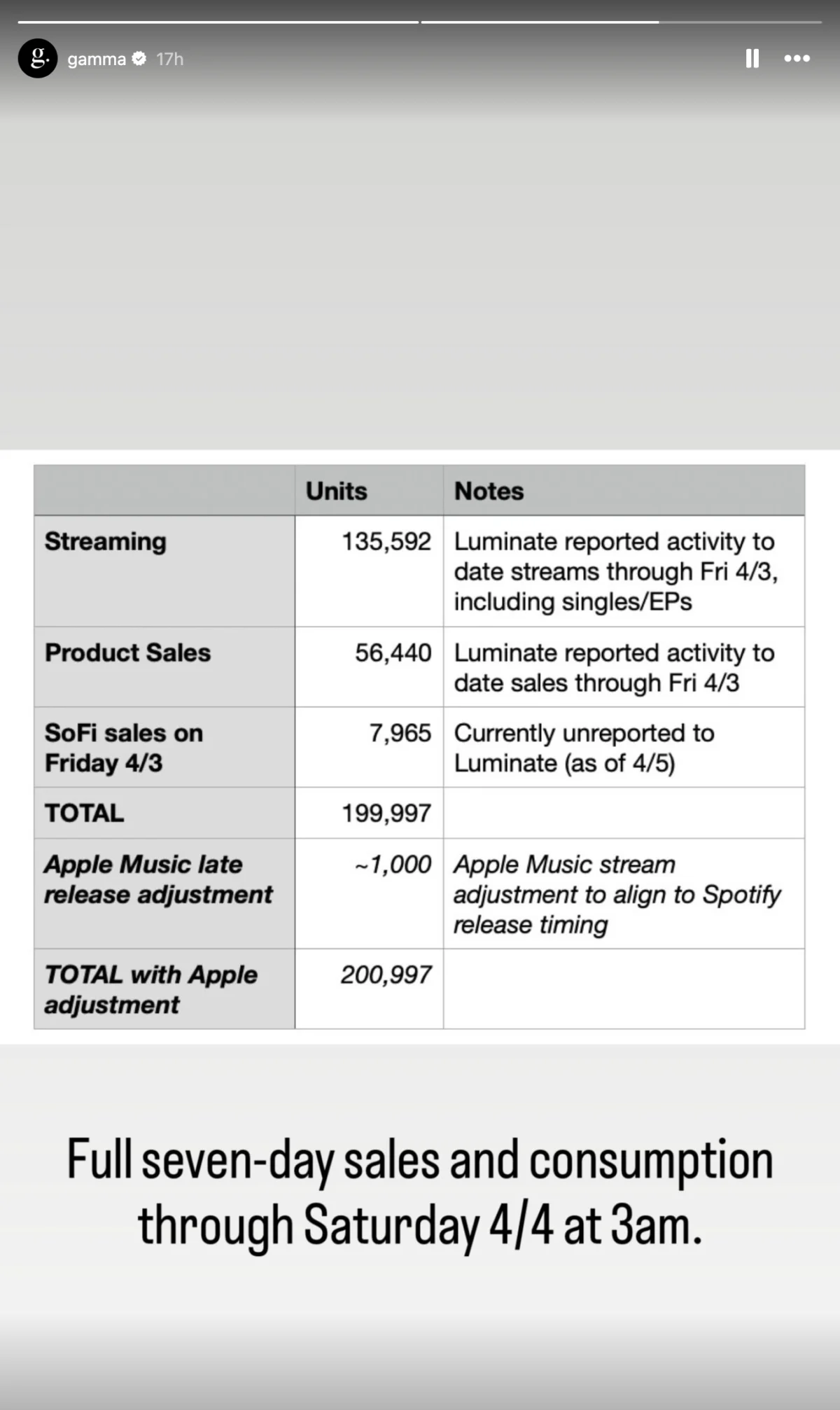
Kanye West’s latest album, Bully, has made a significant commercial impact, debuting at number two on the prestigious Billboard 200 chart. This achievement comes despite a sustained period of public scrutiny and controversy surrounding the artist, a factor many observers anticipated might temper its commercial performance. The album, distributed by Gamma., the company founded by former Apple Music executive Larry Jackson, garnered 152,000 equivalent album units in its inaugural week, according to official data released by Billboard. This figure positions Bully as a strong contender in a competitive music landscape, yet it also marks a notable deviation from West’s long-standing streak of chart-topping solo albums.
The composition of Bully‘s first-week units highlights contemporary consumption patterns in the music industry. Of the 152,000 equivalent units, a substantial 96,000 units were derived from streaming activity, translating to an impressive 98.43 million on-demand official streams across various platforms. The remaining 56,000 units were attributed to traditional album sales, encompassing physical and digital purchases. This balance underscores the continued dominance of streaming as the primary mode of music consumption, even for established artists with a strong fanbase inclined towards physical media.
The Battle for the Top Spot: BTS’s Continued Reign
The album’s debut at number two means it was narrowly edged out of the top spot by global K-Pop phenomenon BTS. The South Korean septet’s tenth album, ARIRANG, secured its second consecutive week at number one on the Billboard 200, accumulating an additional 187,000 equivalent units. ARIRANG‘s continued robust performance follows a colossal debut week where it amassed 641,000 units, a testament to BTS’s immense global fanbase and their unparalleled ability to mobilize fan engagement for album sales and streams. The K-Pop group’s enduring success on the charts illustrates the genre’s powerful and growing influence in the Western music market, setting a high bar for any artist aiming for the coveted top position.
For Kanye West, the number two debut of Bully represents a significant historical marker in his illustrious career. It brings an end to a remarkable 21-year streak of number one solo albums, a testament to his consistent commercial dominance since the early 2000s. Prior to Bully, only one other solo LP by West had missed the Billboard 200’s top position: his groundbreaking 2004 debut, The College Dropout, which also peaked at number two. This historical context frames Bully‘s performance not just as a strong debut, but as a rare instance where West’s output did not immediately claim the pinnacle of the U.S. album charts.
Discrepancies and Contentions: Gamma.’s Counter-Claim
However, the reported figures from Billboard have not gone unchallenged. Gamma., the distribution company behind Bully, has publicly contested Billboard‘s calculations, asserting that the album’s true first-week performance exceeded the official count. Through a series of posts on its Instagram Stories, Gamma. presented an alternative "full seven-day sales and consumption" breakdown, claiming that Bully actually generated a total of 200,997 equivalent units. If accurate, this figure would have been sufficient to surpass BTS’s ARIRANG and secure the number one spot for Kanye West.
The discrepancy between Gamma.’s internal data and Billboard‘s official report raises questions about the transparency and methodology of chart compilation in the digital age. Billboard‘s charts are powered by Luminate, a reputable data company that aggregates sales, streaming, and radio airplay data from various sources across the music industry. As of the time of reporting, neither Billboard nor Luminate had issued a public response or clarification regarding Gamma.’s claims. This silence leaves a cloud of uncertainty over Bully‘s true commercial standing and potentially opens a broader discussion about how industry-standard chart metrics are verified and communicated, especially when challenged by artists or their labels. The implications of such a dispute could range from impacting an artist’s perceived market strength to influencing future contractual negotiations and industry narratives.
The Road to Bully: A Pre-Release Timeline of Controversy
The release of Bully itself followed a tumultuous period for Kanye West, marked by a series of controversies that significantly impacted his public image and commercial partnerships. Over the past few years, West has faced widespread condemnation for a string of antisemitic remarks made across various platforms, including interviews, social media, and public appearances. These statements led to the termination of lucrative partnerships with major brands such such as Adidas, Gap, and Balenciaga, resulting in significant financial losses and a considerable erosion of his corporate backing. His social media accounts were also frequently restricted or suspended due to violations of platform policies.
The lead-up to Bully‘s release was also characterized by its own unique rollout strategy. Known for his unconventional album releases, West often employs last-minute announcements, listening parties, and iterative updates to his projects. For Bully, this included a series of high-profile, sold-out listening events, such as the two performances at Los Angeles’ SoFi Stadium. These events served as both promotional vehicles and opportunities for West to preview new material, often drawing massive crowds and generating significant buzz, despite the ongoing controversies. The decision to release the album independently, or through a distributor like Gamma. rather than a traditional major label, further highlighted his recent disengagement from mainstream industry structures.
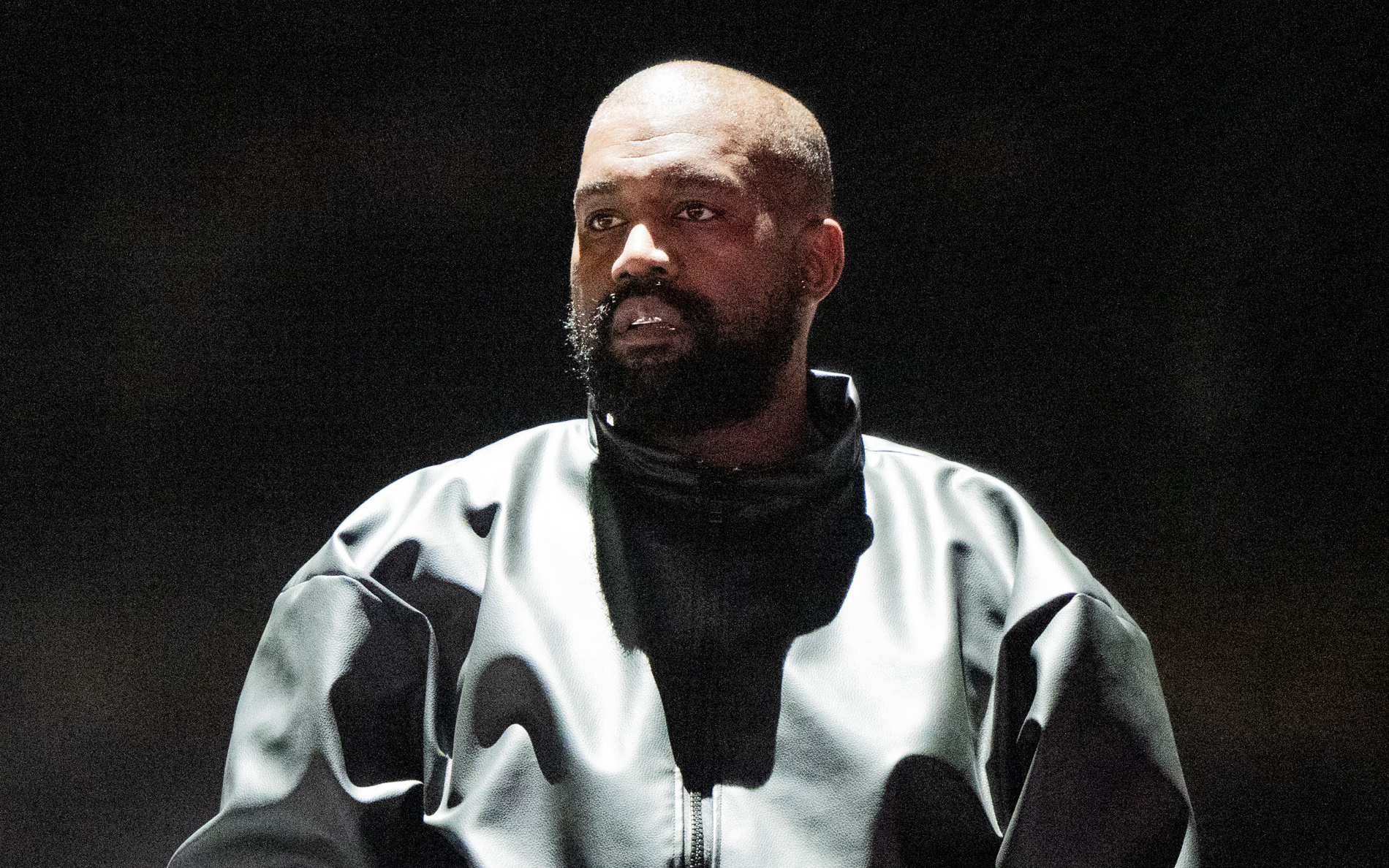
Wireless Festival Backlash: A Deepening Crisis
Concurrent with the album’s chart performance, Kanye West is facing an escalating crisis surrounding his recently announced headlining sets at London’s Wireless Festival in July. The decision by Wireless Festival organizers to book West has drawn widespread condemnation due to his past antisemitic behavior and rhetoric. This backlash has manifested in several significant ways, highlighting the growing pressure on cultural institutions to hold artists accountable for their public conduct.
In recent days, a number of major corporate sponsors have publicly withdrawn their support from Wireless Festival, signaling the severe commercial repercussions of aligning with a controversial figure like West. Prominent brands such as Pepsi, the global beverage giant; PayPal, the ubiquitous online payment platform; and Diageo, one of the world’s largest producers of spirits and beers (with brands like Guinness, Smirnoff, and Johnnie Walker), have all pulled their sponsorships. This mass exodus of sponsors not only represents a significant financial blow to the festival but also sends a clear message about the increasing unwillingness of corporations to be associated with artists whose actions or statements are perceived as hateful or discriminatory. The financial implications for the festival, which relies heavily on corporate backing, are substantial, potentially impacting its future viability and reputation.
The criticism of West’s booking has also transcended commercial spheres, attracting significant political attention. Both Prime Minister Sir Keir Starmer and London Mayor Sadiq Khan have publicly voiced their strong objections to West’s scheduled performances. Sir Keir Starmer, leader of the Labour Party, expressed that it is "deeply concerning" that the controversial rapper has been booked to perform "despite his previous antisemitic remarks and celebration of Nazism." Similarly, Sadiq Khan, the Mayor of London, who has a history of speaking out against antisemitism and promoting inclusivity, likely echoed concerns about the impact of West’s presence on the festival’s audience and the broader community. These high-profile political statements elevate the discussion beyond mere artistic booking decisions, framing it as a matter of public responsibility and ethical conduct.
Broader Implications: Accountability in the Entertainment Industry
The controversy surrounding Wireless Festival underscores a broader ongoing debate within the entertainment industry regarding accountability for artists’ actions and statements. As artists wield significant cultural influence, their public conduct is increasingly scrutinized, and the line between artistic expression and hate speech is a topic of intense discussion. Festival organizers, venues, and sponsors are finding themselves in increasingly difficult positions, balancing artistic freedom with public safety, ethical considerations, and commercial viability. The decision to book West, despite his well-documented controversies, suggests a calculated risk by Wireless Festival organizers, a risk that is now clearly yielding significant negative consequences.
The pulling of major sponsors, coupled with political condemnation, places immense pressure on the festival to reconsider its lineup. It also sets a precedent for how other major events and institutions might navigate similar situations in the future. The financial and reputational damage incurred by Wireless Festival could serve as a stark warning to other organizers contemplating booking artists with problematic public records. This situation highlights a growing expectation from both the public and corporate entities for entertainment platforms to not only entertain but also to uphold certain ethical standards and social responsibilities.
Looking Ahead: The ‘Bully’ Deluxe Edition
Despite the ongoing controversies and chart discrepancies, there are indications that Kanye West and Gamma. are not yet finished with the Bully project. In a separate Instagram Story, Gamma. teased an upcoming expanded edition of the album, cryptically writing: "Bully deluxe on the way." This announcement suggests that additional music is planned for release, a common strategy in the modern music industry to extend an album’s lifecycle, generate renewed interest, and potentially boost its chart performance in subsequent weeks.
Further details regarding the Bully deluxe edition, such as an official release date, the number of bonus tracks, or any potential guest appearances, have yet to be disclosed. The release of a deluxe version could be a strategic move to capitalize on the initial buzz, re-engage listeners, and perhaps even address the contested chart position by accumulating more units. While West has consistently delivered new material throughout his career, the timing and context of this deluxe announcement add another layer of intrigue to Bully‘s unfolding narrative.
In conclusion, Kanye West’s Bully has achieved a commercially strong debut, albeit one overshadowed by chart disputes and intense public backlash over his planned festival appearances. The album’s number two position, while impressive, ends a two-decade streak of chart-topping solo releases, making it a pivotal moment in his discography. Simultaneously, the escalating crisis at Wireless Festival, marked by sponsor withdrawals and political condemnation, underscores the significant challenges West faces in navigating his career amidst ongoing public controversies. As the music industry continues to grapple with issues of artist accountability, Bully‘s journey and its associated controversies serve as a complex case study of artistic output, commercial performance, and the ever-present weight of public opinion.