Johan Budi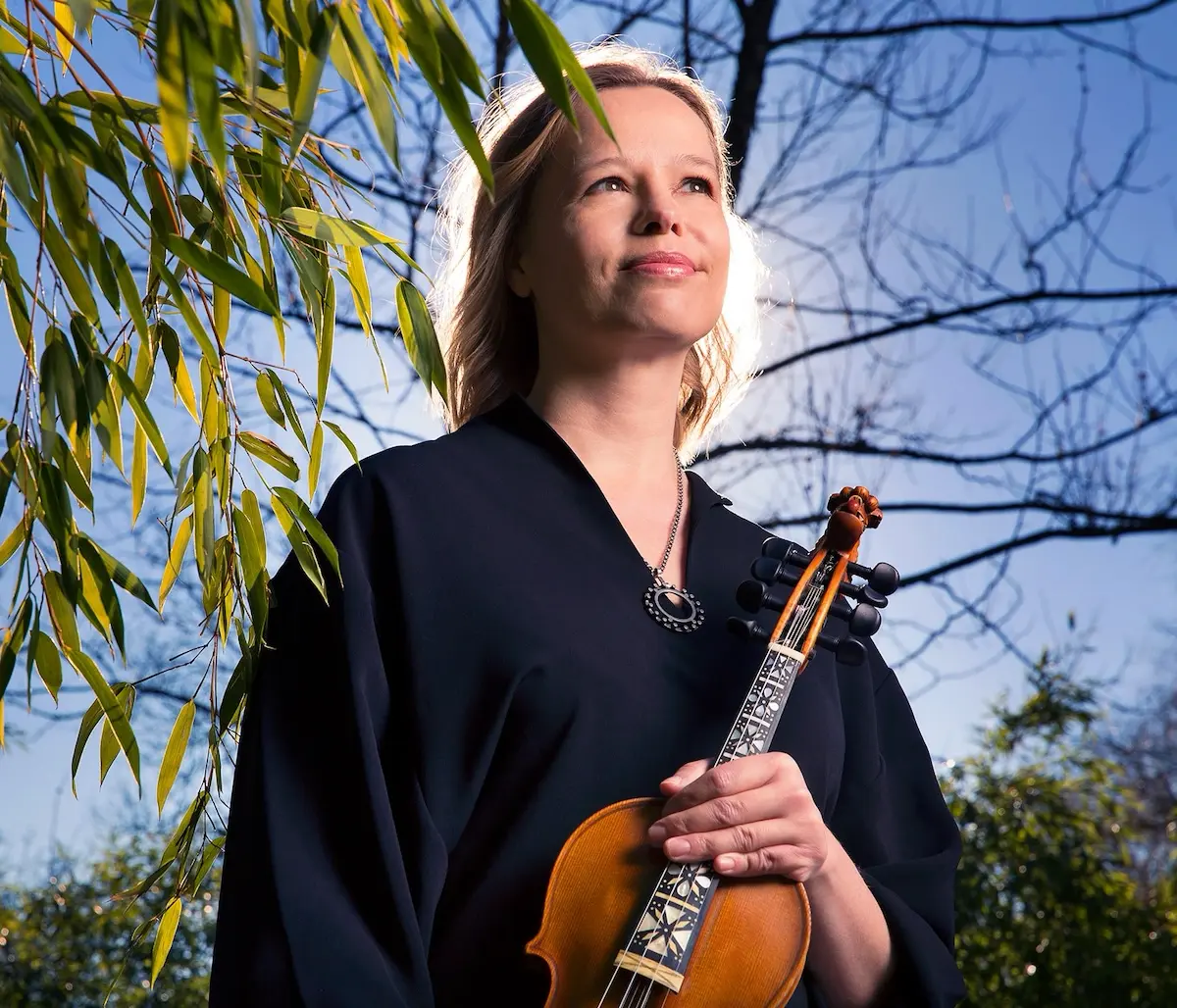
The global jazz and improvisational music landscape continues to undergo a period of significant diversification, characterized by a renewed interest in regional folk traditions, long-term avant-garde collaborations, and the high-fidelity restoration of historical masterworks. This evolution is exemplified by three distinct yet conceptually linked releases: the debut of the Norwegian folk-improv ensemble Hytta Trio with their album Vindespel; the sophisticated piano dialogues of Myra Melford and Satoko Fujii on Katarahi; and the high-quality vinyl reissue of Tomasz Stańko’s seminal 1975 recording, Balladyna. Together, these releases represent a cross-section of the industry’s current trajectory, balancing the preservation of heritage with the pursuit of new sonic territories.
The Convergence of Norwegian Folk and Modern Improvisation: Hytta Trio
The release of Vindespel (translated as "Twining Tunes") marks the official recording debut of The Hytta Trio, a group formed in 2018 with the intent of dismantling the barriers between traditional Norwegian folk music and modern improvisational structures. The trio is led by Anne Hytta, a prominent practitioner of the Hardanger fiddle, an instrument central to the Norwegian musical identity. Unlike the standard violin, the Hardanger fiddle features four or five sympathetic strings positioned beneath the primary strings, creating a resonant, drone-like quality that the trio utilizes as a foundation for harmonic exploration.
The ensemble’s configuration—Anne Hytta on fiddle, Jo Skaansar on double bass, and Ulrik Ibsen Thorsrud on percussion—reflects a deliberate blending of disparate musical backgrounds. While Hytta is deeply rooted in the Telemark fiddle tradition, her collaborators bring extensive experience from the European jazz and experimental scenes. Thorsrud’s approach to percussion is particularly noteworthy for its avoidance of conventional kit drumming; his toolkit includes non-traditional materials such as tin foil and glockenspiel alongside the bass drum, facilitating a soundscape that shifts between industrial textures and minimalist rhythms.
Recorded in Nesbyen, Norway, in late 2025, Vindespel explores what the ensemble describes as the "space to improvise" within the rigid structures of traditional dance forms. The track "Skrald" serves as an introductory study in industrial percussion, while "Dråpeslått" utilizes a metronomic waltz-time that transitions into a 6/8 polyrhythm. This technical complexity is balanced by the haunting, minimalist delivery of the fiddle, drawing comparisons to the atmospheric intensity found in the works of Jean Sibelius. The album’s production, released under the Krets label, emphasizes a monochrome, hypnotic aesthetic that demands focused listening to appreciate the subtle shifts in repetitive forms.
Philosophical and Musical Dialogues: Myra Melford and Satoko Fujii
In the realm of contemporary avant-garde piano, the release of Katarahi by Myra Melford and Satoko Fujii represents a significant milestone in a collaborative relationship spanning three decades. The title, a Japanese term for a "heart-to-heart conversation between friends," underscores the intimate and highly intuitive nature of the performance. Recorded live at the Jazzfestival Leibnitz in Austria in September 2024, the album is the second duo recording from the pair, following a lineage of mutual influence that began in 1994 when they were introduced by the legendary pianist Paul Bley.
The technical framework of Katarahi is rooted in the concept of "polystylism." Melford and Fujii distinguish themselves from the "signature style" tradition of jazz—defined by the instantly recognizable timbres of artists like Bill Evans or John Coltrane—by adopting a more fluid, chameleonic approach. This philosophy allows them to draw from a vast array of influences, including African rhythmic structures, the American Diaspora, and the European classical avant-garde.
The performance at Leibnitz showcased the duo’s ability to function as a singular, collaborative unit. Despite the inherent difficulties in distinguishing between two pianos in a live recording, the album’s production on the Rogue Art label captures the total synergy of the performers. Tracks like "Chalk" demonstrate a plangent, melodic sensibility, while "Kaiwa" explores more abrasive, free-form territory. This release highlights the enduring relevance of the piano duo format when steered by practitioners who prioritize spontaneous dialogue over individual virtuosity.
Historical Preservation and the ECM Aesthetic: Tomasz Stańko’s Balladyna
While new releases push the boundaries of the genre, the industry remains committed to the preservation of the historical canon. ECM Records has continued its "Luminessence" vinyl series with the reissue of Tomasz Stańko’s Balladyna. Originally recorded in December 1975 at the Tonstudio Bauer in Ludwigsburg, the album served as the Polish trumpeter’s debut for the label and remains a cornerstone of European jazz history.
Stańko, who passed away in 2018, was a "signature stylist" whose mournful, flared trumpet tone became synonymous with the "ECM sound"—a production aesthetic characterized by spaciousness, clarity, and a certain Nordic melancholy. For the Balladyna sessions, Stańko led a chordless quartet featuring saxophonist Tomasz Szukalski, bassist Dave Holland, and drummer Edward Vesala. The absence of a piano or guitar provided the group with a greater degree of harmonic freedom, allowing the interplay between the horns and the rhythm section to take center stage.
The album’s significance is multifaceted. It marked the beginning of a long, albeit intermittent, relationship between Stańko and producer Manfred Eicher. It also highlighted the contributions of Edward Vesala, whose melodic approach to percussion Stańko frequently praised for its ability to provide a counterpoint to his lyrical language. The inclusion of Dave Holland, fresh from his tenure with Miles Davis, added a layer of international prestige to the project. The reissue of Balladyna serves not only as a tribute to Stańko’s legacy but also as a reminder of the vital role that the 1970s European jazz scene played in the global development of the music.
Comparative Chronology of the Featured Recordings
To understand the broader context of these releases, it is helpful to examine the timeline of their creation and the career milestones of the artists involved:
- 1975 (December): Tomasz Stańko records Balladyna in Ludwigsburg, Germany. This session solidifies the "chordless quartet" as a viable vehicle for European free jazz.
- 1994: Satoko Fujii, studying under Paul Bley at the New England Conservatory, is introduced to Myra Melford. This marks the beginning of their 30-year professional and personal friendship.
- 1999: Myra Melford forms the collective Equal Interest with Leroy Jenkins and Joseph Jarman, further developing her reputation as a polystylist.
- 2012: The passing of Tomasz Szukalski, the underappreciated saxophonist on Balladyna, whose work is now being rediscovered by a new generation of listeners via reissues.
- 2018: The Hytta Trio is formed in Norway, beginning their research into the integration of Hardanger fiddle traditions and modern improvisation.
- 2024 (September): Melford and Fujii record Katarahi live at the Jazzfestival Leibnitz, continuing their exploration of piano dialogues.
- 2025 (September): The Hytta Trio records their debut album, Vindespel, in Nesbyen, Norway, marking a new chapter in the Norwegian folk-jazz crossover.
Analysis of Implications for the Modern Jazz Market
The simultaneous arrival of these three projects suggests several key trends in the current music economy. First, there is a clear demand for "curated" historical content. Labels like ECM are capitalizing on the vinyl resurgence by releasing high-quality, 180g pressings of catalog essentials, appealing to audiophiles who value both the sonic fidelity and the tactile experience of the medium.
Second, the success of the Hytta Trio indicates that regional identity remains a powerful tool for innovation. By leaning into the specificities of the Telemark tradition, the trio offers a unique alternative to the homogenized "global jazz" sound. This "hyper-local" approach allows musicians to tap into deep-seated cultural narratives—such as the "pull of dark forests" mentioned in the Vindespel publicity—which resonate with international audiences seeking authenticity.
Finally, the Melford/Fujii collaboration demonstrates the long-term viability of the avant-garde. In an industry often focused on the "next big thing," the 30-year evolution of their partnership proves that improvisational music can be a lifelong discipline, where the "conversation" between artists only grows deeper with time.
Technical Specifications and Discographical Data
For collectors and researchers, the technical details of these releases provide insight into the production standards of their respective labels:
The Hytta Trio: Vindespel (Krets)
- Personnel: Anne Hytta (Hardanger fiddle); Jo Skaansar (double bass); Ulrik Ibsen Thorsrud (percussion).
- Recorded: Nesbyen, Norway, September 2025.
- Tracklist: Skrald; Dråpeslått; Døn; Løyn; Veime; Rull; Lyst Mørke; Sølondo; Sull; Sildreslått.
- Duration: 42:18.
Myra Melford and Satoko Fujii: Katarahi (Rogue Art)
- Personnel: Myra Melford (piano); Satoko Fujii (piano).
- Recorded: Jazzfestival Leibnitz, Austria, September 2024.
- Tracklist: Interlude I; Signpost; Pairs; Chalk; Kaiwa; IV; From Sometime.
- Duration: 33:46.
Tomasz Stańko: Balladyna (ECM Luminessence Reissue)
- Personnel: Tomasz Stańko (trumpet); Tomasz Szukalski (tenor and soprano saxophones); Dave Holland (double bass); Edward Vesala (drums).
- Recorded: Ludwigsburg, Germany, December 1975.
- Tracklist: First Song; Tale; Num; Duet; Balladyna; Last Song; Nenaliina.
- Duration: 39:26.
Conclusion: The Resilience of the Improvisational Form
The diverse nature of these recordings—ranging from the folk-infused textures of Norway to the high-energy piano dialogues of Austria and the foundational avant-garde of 1970s Germany—underscores the resilience and adaptability of the improvisational form. As the jazz industry continues to navigate the digital age, the focus on high-quality physical releases and the exploration of niche cultural traditions suggests a healthy, multi-faceted future for the genre. Whether through the revival of historical landmarks or the birth of new ensembles, the commitment to "heart-to-heart conversation" and the search for "space to improvise" remain the primary drivers of musical progress.