Johan Budi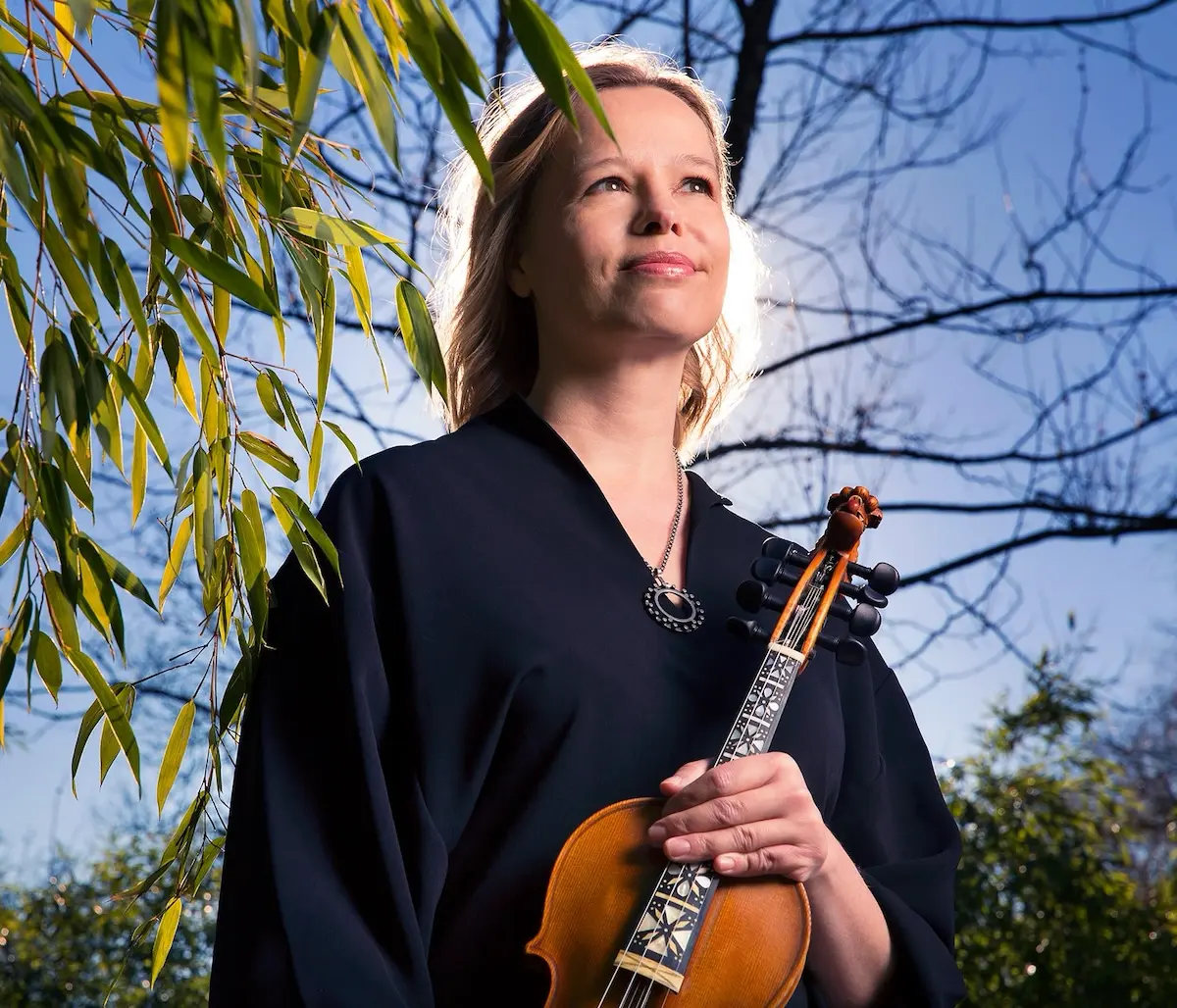
The global jazz landscape continues to undergo a significant transformation as contemporary artists bridge the gap between ancestral folk traditions, avant-garde experimentation, and the preservation of historical masterpieces. This evolution is currently exemplified by three distinct yet interconnected milestones: the debut of the Hytta Trio with their album Vindespel, the sophisticated collaborative effort Katarahi by pianists Myra Melford and Satoko Fujii, and the high-fidelity reissue of Tomasz Stańko’s seminal 1976 work, Balladyna. Together, these releases represent a chronological and stylistic spectrum that defines the current state of improvisational music, moving from the pastoral roots of Scandinavia to the rigorous intellectualism of the European avant-garde.
The Emergence of the Hytta Trio: Bridging Telemark Traditions and Modern Improvisation
The release of Vindespel (translated as Twining Tunes) marks the formal debut of the Hytta Trio, an ensemble established in 2018 with the intent of deconstructing Norwegian traditional music through the lens of modern improvisation. The trio is led by Anne Hytta, a prominent practitioner of the Hardanger fiddle (hardingfele), an instrument central to Norwegian cultural identity. Unlike the standard violin, the Hardanger fiddle features four or five sympathetic strings that vibrate beneath the primary strings, creating a drone-like, resonant quality that Hytta utilizes to anchor the trio’s explorations.
The ensemble is rounded out by bassist Jo Skaansar and percussionist Ulrik Ibsen Thorsrud. The collaboration represents a deliberate intersection of disparate musical backgrounds; while Hytta is deeply rooted in the folk traditions of the Telemark region, Skaansar and Thorsrud bring extensive experience from the jazz and improvisational circuits. This synergy allows the trio to navigate what critics describe as the "Nordic Tone"—a style characterized by spaciousness, minimalist structures, and a preoccupation with natural landscapes.
Recorded in Nesbyen, Norway, in September 2025, the album consists of ten tracks that utilize repetitive, hypnotic forms to draw the listener into a "monochrome" sonic environment. The technical execution of the album relies heavily on unconventional percussion. Thorsrud’s kit includes tin foil and glockenspiel alongside a traditional bass drum, allowing for industrial textures that contrast with the organic timbre of the fiddle.
Technical Precision and Cultural Fusion in Vindespel
Analysis of the album’s composition reveals a sophisticated use of polyrhythms and time signatures. In the track "Dråpeslått," the ensemble transitions from a metronomic waltz time into a complex 6/8 meter, layered with minimalist fiddle passages. This approach reflects a broader trend in European jazz where traditional dance forms are abstracted into "chamber jazz" frameworks.
The track "Døn" further illustrates the trio’s methodology, featuring arco bass and fiddle performing in ad libitum tempo. The inclusion of stroked cymbals and brief, ornate flourishes creates an elusive atmosphere that industry analysts suggest appeals to the growing market for "neoclassical" and "ambient jazz" crossovers. By drawing on the dark imagery of Norwegian forests and open fields, the Hytta Trio aligns their work with the legacy of Nordic masters such as Jean Sibelius, while maintaining a contemporary improvisational edge.
A Thirty-Year Heart-to-Heart: The Melford-Fujii Collaborative Philosophy
In the realm of avant-garde piano, the release of Katarahi by Myra Melford and Satoko Fujii provides a definitive look at the power of long-term artistic partnership. The album title, a Japanese term signifying a "heart-to-heart conversation between friends," commemorates a 30-year professional and personal relationship. The duo first met in 1994 through the introduction of legendary pianist Paul Bley, under whom Fujii studied at the New England Conservatory.
Katarahi is the duo’s second recorded collaboration, captured live at the Jazzfestival Leibnitz in Austria in September 2024. The festival, known for its commitment to experimental programming, provided the ideal backdrop for Melford and Fujii’s "polystylistic" approach. Unlike many jazz artists who cultivate a singular, recognizable "signature style," Melford and Fujii are noted for their ability to traverse multiple genres and techniques within a single performance.
Melford’s background includes significant work with the collective Equal Interest, featuring Leroy Jenkins and Joseph Jarman, where she frequently incorporated the harmonium. Fujii, conversely, is known for her prolific output across big bands and small ensembles, often blending Japanese folk elements with free jazz. On Katarahi, these influences converge in a total collaboration where the two pianists frequently switch instruments and roles, making it difficult for the listener to distinguish between the left and right audio channels—a deliberate choice that emphasizes unity over individual virtuosity.
Polystylism and the Deconstruction of the Jazz Signature
The concept of polystylism, as practiced by Melford and Fujii, challenges the traditional jazz industry’s reliance on "branding" through a consistent sound. While historical figures like Bill Evans or Thelonious Monk are identifiable within a few bars, Melford and Fujii belong to a lineage of "musician’s musicians"—including figures like John Zorn and Ethan Iverson—who prioritize the demands of the composition over the maintenance of a stylistic brand.
Melford has stated that her music is a repository for diverse influences, including the music of Africa and the Diaspora in the Americas. In Katarahi, this is evidenced in tracks like "Chalk," which features plangent, melodic development, and "Kaiwa," a track characterized by scurrilous, free exploration. The album’s brevity (33:46) is a testament to the intensity of the performance, focusing on the essential elements of the musical dialogue rather than extended virtuosity.
Archival Excellence: Tomasz Stańko’s Balladyna and the Foundations of European Jazz
While the Hytta Trio and the Melford-Fujii duo represent the contemporary and avant-garde frontiers, the reissue of Tomasz Stańko’s Balladyna serves as a vital reminder of the historical foundations of the European jazz aesthetic. Originally recorded in December 1975 at the Tonstudio Bauer in Ludwigsburg, Germany, Balladyna was the Polish trumpeter’s debut for the ECM label. Its recent inclusion in ECM’s Luminessence vinyl series highlights the enduring relevance of the "Slavic" melancholic style that Stańko helped pioneer.
Stańko (1940–2018) is widely regarded as one of the most significant European jazz musicians of the 20th century. For Balladyna, he assembled a chordless quartet consisting of saxophonist Tomasz Szukalski, drummer Edward Vesala, and bassist Dave Holland. The absence of a piano or guitar provided a stark, open canvas that allowed Stańko’s flared, mournful trumpet tone to dominate the recording.
The reissue provides an opportunity to re-evaluate the contributions of the quartet members. Edward Vesala (1945–1999) was a crucial collaborator for Stańko, providing a melodic counterpoint that Stańko described as having "scope and color." Vesala’s influence extended to his own students in the "Sound & Fury" ensemble, marking him as a central figure in the development of Finnish jazz. Similarly, Tomasz Szukalski (1947–2012) remains an underappreciated "musician’s musician" in the Polish scene, often compared to Lee Konitz for his technical fluidity and refusal to conform to commercial pressures.
The Personnel and the Power of the Chordless Quartet
The technical structure of Balladyna is rooted in the "free-bop" movement, which combined the energy of Ornette Coleman’s free jazz with European lyrical sensibilities. The track "Tale" is a clear homage to Coleman’s trio format, featuring trumpet, bass, and drums in a high-energy interaction. In contrast, "Duet" features an intimate dialogue between Stańko and Dave Holland, the only surviving member of the quartet and a musician whose pedigree includes a tenure with Miles Davis during the Bitches Brew era.
The title track, "Balladyna," remains a landmark of the ECM catalog. Performed in an ad libitum tempo, the piece showcases the "mournful" quality that became Stańko’s trademark. The reissue of this album on high-quality vinyl reflects a broader industry trend toward the "Luminessence" of jazz history—restoring definitive works for a new generation of audiophiles who value the physical and sonic depth of analog recordings.
Industry Implications and the Resurgence of High-Fidelity Vinyl
The simultaneous relevance of these three releases—the Hytta Trio’s debut, the Melford-Fujii collaboration, and the Stańko reissue—indicates a healthy, multi-generational ecosystem in the jazz world. Several key implications can be drawn from these developments:
- The Persistence of the "European Aesthetic": Labels like ECM and Krets continue to champion a sound that is distinct from American hard-bop, favoring atmospheric, folk-influenced, and minimalist structures.
- The Valuation of Long-Term Collaboration: The 30-year history behind Melford and Fujii’s Katarahi suggests that the most profound improvisational music often stems from deep-seated personal connections rather than "all-star" studio sessions.
- The Hardanger Fiddle as a Jazz Instrument: Anne Hytta’s success in integrating the hardingfele into a jazz trio format opens new avenues for other traditional instruments to enter the improvisational arena without losing their cultural specificity.
- The Viability of the Reissue Market: The Luminessence series demonstrates that there is a significant commercial and critical appetite for the preservation of 1970s European jazz, particularly works that defined the "ECM sound."
In conclusion, these releases provide a comprehensive overview of the jazz genre’s current trajectory. From the "industrial" folk of the Hytta Trio to the "polystylistic" dialogues of Melford and Fujii, and finally to the historical weight of Stańko’s Balladyna, the music remains a vibrant, evolving language. These works collectively affirm that jazz is not merely a historical artifact but a living tradition that continues to seek "space to improvise" across borders and decades.