 Reynand Wu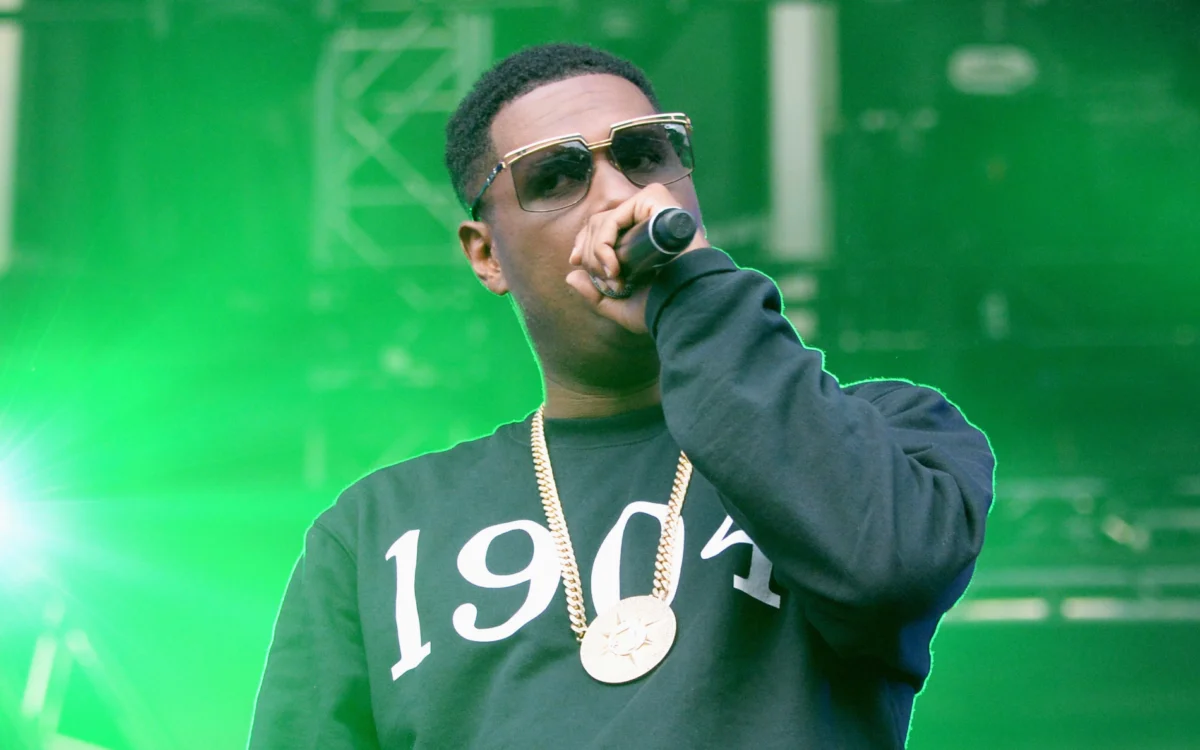
The intersection of artistic autonomy and fan expectation reached a volatile flashpoint this past Saturday, April 4, at The Compound in Los Angeles, where Roc Nation recording artist Jay Electronica engaged in a direct physical and verbal confrontation with audience members. The incident, which disrupted the flow of his ongoing Nineteen Day Reconnaissance Tour, underscores the persistent tension between legendary lyricists and the demands of a modern concert-going public that often prioritizes traditional production over experimental live delivery.
The disturbance began during the performance of the rapper’s seminal track, "Exhibit C." While the Just Blaze-produced record is widely considered one of the most influential hip-hop tracks of the post-2000s era, Jay Electronica opted to perform the piece acapella. This creative choice—intended, presumably, to emphasize the technical dexterity of his lyricism—was met with audible disapproval from segments of the crowd, who had evidently expected the full studio production. As the boos grew in volume, the New Orleans-born rapper abruptly halted his performance, shifting the atmosphere of the venue from a standard concert to a confrontation.
Chronology of the Los Angeles Incident
The evening’s events followed a specific trajectory that highlighted the artist’s volatile reaction to audience feedback. At approximately 10:30 p.m. local time, as the instrumental track for "Exhibit C" failed to materialize, the artist began delivering his verses in a raw, unadorned fashion. Within moments, disgruntled attendees began to vocalize their dissatisfaction.
Jay Electronica immediately seized control of the microphone to address the dissenters, stating, "If you fuck with me, shut the fuck up and listen to the bars!" The rapper’s rhetoric quickly escalated, moving from a request for silence to a direct characterization of his detractors as "the enemy" and "cowards."
Following this verbal rebuke, the artist descended from the stage, physically entering the crowd to confront those responsible for the heckling. Video footage captured on mobile devices and subsequently circulated across social media platforms shows the rapper moving through the audience, challenging individuals to repeat their disapproval while standing face-to-face. During this interaction, he addressed a specific attendee by reciting lines from his track "Abracadabra (A Written Testimony: Leaflets)," effectively turning a physical confrontation into an impromptu, aggressive performance piece. The tension eventually dissipated, and while the concert continued, the event left a significant imprint on the discourse surrounding the artist’s live presence.
Contextualizing the Artist’s Live Performance History
Jay Electronica has long maintained a reputation as an enigmatic figure in hip-hop. Known for long, multi-year hiatuses and a selective approach to output, his career trajectory is defined by a unique relationship with his audience. The Nineteen Day Reconnaissance Tour, which serves as a rare sustained period of live activity for the rapper, is the primary vehicle for promoting his recent, rapid-fire release strategy.
Last year, the artist released a flurry of projects, including A Written Testimony: Leaflets, A Written Testimony: Power At The Rate of My Dreams, and A Written Testimony: Mars, The Inhabited Planet. This output was historically significant, particularly following his claim on the track "Four Billion, Four Hundred Million" that he had delivered nineteen albums to JAY-Z in a single day. This recent surge in activity has raised expectations among fans, many of whom have waited over a decade for a consistent discography. The friction in Los Angeles can be viewed through the lens of this pent-up demand; when the reality of his live performance style deviates from the high-fidelity expectations of the studio, the resulting cognitive dissonance within the audience can manifest as hostility.
Industry Perspectives on Artist-Fan Dynamics
The incident at The Compound raises broader questions about the obligations of performers versus their artistic liberty. In the contemporary music industry, where social media facilitates immediate feedback loops, artists are increasingly subject to the real-time criticism of their base. However, industry analysts note that the expectation for a "note-perfect" reproduction of a studio recording is a relatively modern phenomenon.
"Artists like Jay Electronica operate in a space where they view their performance as an extension of their lyrical philosophy rather than a commercial product," says an industry consultant familiar with tour management. "When a fan pays for a ticket, there is an implicit contract. However, when an artist feels that the crowd is failing to engage with the substance of the work, the friction often leads to these types of public displays. It is a clash between the consumer’s desire for entertainment and the artist’s desire for reverence."
While there have been no official statements released by The Compound or Roc Nation regarding the potential liability or security failures associated with an artist jumping into the crowd, such events often lead to tighter security protocols for the remainder of a tour.
The Nineteen Day Reconnaissance Tour: Current Status and Future Dates
Despite the disruption in Los Angeles, the Nineteen Day Reconnaissance Tour is scheduled to proceed as planned. The tour, which began last month in Toronto, has spanned various North American markets, including Seattle, Portland, and several Canadian municipalities.
The itinerary for the coming weeks includes:
- Las Vegas, NV: April 8
- Orlando, FL: April 10
- Miami, FL: April 12
- Austin, TX: April 15
- Dallas, TX: April 17
- Houston, TX: April 19
- Virginia Beach, VA: April 22
- Conclusion (Richmond, VA): May 9
The continued viability of the tour rests on the artist’s ability to navigate the remainder of the dates without further escalation. Analysts suggest that the high-intensity nature of these shows, combined with the dense, lyrical content of his recent A Written Testimony projects, creates an environment where the artist is highly sensitive to the audience’s reception.
Implications for the Artist’s Brand
The incident serves as a double-edged sword for Jay Electronica’s public persona. For his core following, his willingness to confront the crowd reinforces his image as a "purist" who refuses to cater to conventional industry standards. Conversely, for casual concert-goers, the confrontation may be interpreted as an unprofessional deviation from the expected performance standards.
The long-term impact on his brand will likely be negligible, as his career has been built on a foundation of mystique and unpredictability rather than mainstream accessibility. However, the event serves as a stark reminder of the complexities inherent in live hip-hop performances. As the tour moves toward its conclusion in Virginia, the focus will likely remain on whether the artist can balance his uncompromising commitment to his craft with the realities of managing a live audience.
Furthermore, the incident invites a re-evaluation of the role of the "heckler" in modern live music. With the ubiquity of smartphone recording, every interaction between an artist and an audience member is now documented, analyzed, and critiqued globally within minutes. This transparency has changed the nature of live performance, making artists more vulnerable to localized incidents of dissent, and, in this case, prompting a reaction that has now become a focal point of the artist’s current promotional cycle. Whether this incident acts as a deterrent for future hecklers or as a catalyst for further disruption remains to be seen.