 Muhammad Ibadurrohman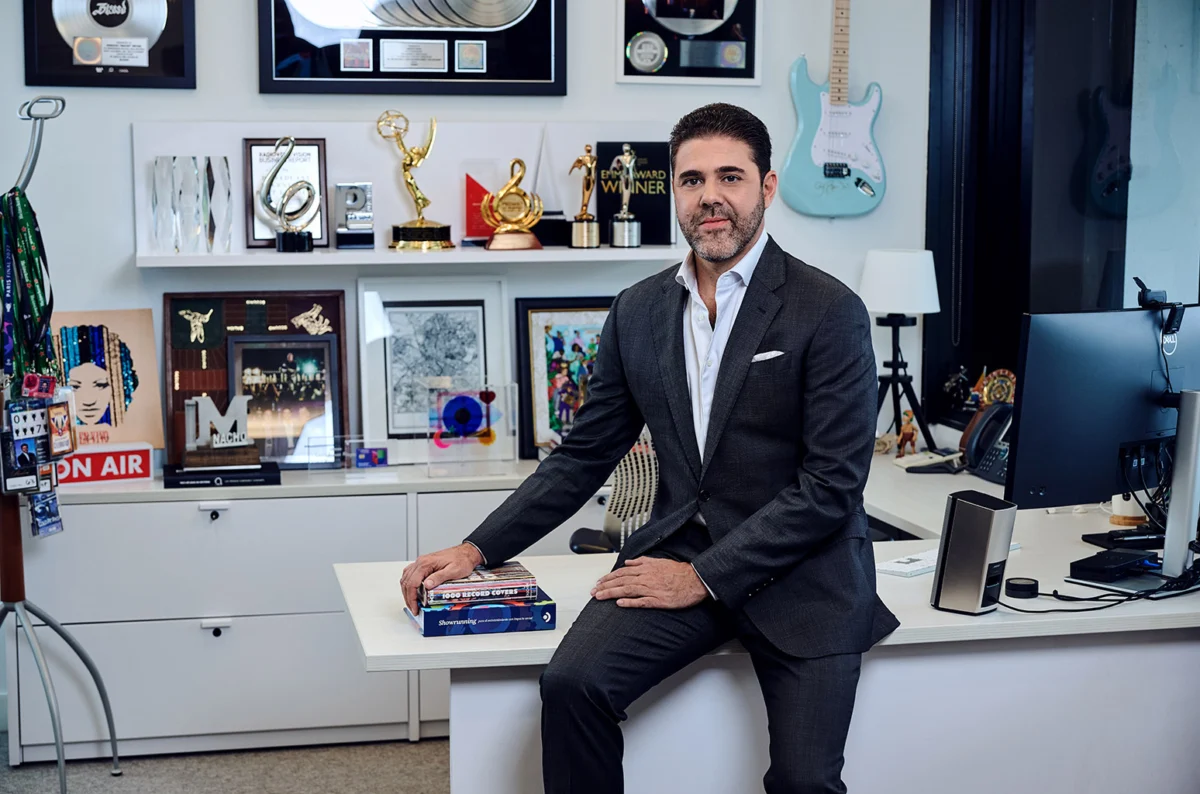
Ignacio “Nacho” Meyer, the influential president of Univision Networks Group and a central figure in the integration of TelevisaUnivision’s sprawling media ecosystem, is stepping down from his executive post effective later this month. The departure marks a significant leadership transition for the world’s leading Spanish-language media company. While Meyer will vacate his current operational role, he is set to maintain a long-term professional relationship with the media giant, transitioning into a capacity where he will design and oversee strategic projects, including the high-profile production of the Latin Grammys, which are scheduled to take place on November 12.
A Legacy of Integration and Growth
Meyer’s tenure at Univision spans nearly 15 years, a period defined by the rapid evolution of digital media, the rise of streaming, and the monumental merger between Mexico’s Televisa and the U.S.-based Univision. Appointed to the presidency in 2022, Meyer was tasked with the complex mandate of unifying disparate media channels into a singular, cohesive powerhouse. His scope of responsibility was significantly expanded in 2023, encompassing not only the core Univision television network but also the company’s extensive radio holdings and its burgeoning streaming platform, ViX.
Throughout his time in leadership, Meyer was recognized for his "platform-agnostic" approach to media management. By breaking down the traditional silos between broadcast television, digital streaming, and terrestrial radio, he played a pivotal role in ensuring that TelevisaUnivision could reach its target demographic across every available touchpoint. His strategic initiatives focused heavily on cementing music, drama, and sports as the three primary pillars of the brand, ensuring the company remained the default destination for Spanish-speaking audiences in the United States and abroad.
Chronology of a Career at the Network
Meyer’s journey within the organization began far from the boardroom. He cut his teeth within the network’s music and special events divisions, an experience that cultivated a deep-seated reputation for being "talent-friendly." Industry observers have long noted that Meyer’s success was rooted in his genuine engagement with the artistic community. Unlike many executives who maintain a distant relationship with performers, Meyer was known for his hands-on approach—personally negotiating with talent, ensuring the production values of musical segments met high standards, and famously sending personalized correspondence to artist teams following every event.
This focus on the artist-network relationship was not merely a stylistic choice; it was a core business strategy. By fostering loyalty among the biggest names in Latin music, Meyer ensured that Univision remained the premier outlet for major premieres and exclusive performances. This reputation for building strong partnerships proved invaluable as the company sought to translate that musical dominance into consistent viewership for their streaming service, ViX, which relies heavily on original, high-quality content to compete with global streaming giants like Netflix and Disney+.
Strategic Transitions and Future Projects
According to internal communications and sources close to the company, Meyer’s transition is not a complete severance of ties but a realignment of focus. The company has confirmed that he will remain a key architect of several strategic initiatives. Among his immediate responsibilities is the orchestration of the upcoming Latin Grammys. This event serves as a critical annual benchmark for TelevisaUnivision, and Meyer’s continued oversight ensures continuity during a period of leadership change.
Beyond the annual awards gala, Meyer is also spearheading the launch of a new, highly anticipated interview series featuring the legendary Don Francisco. This project, slated for a fall debut, represents a significant investment in legacy talent combined with modern distribution strategies. By retaining Meyer for these specific initiatives, TelevisaUnivision is signaling a desire to maintain the momentum of its programming slate even as it recalibrates its executive leadership structure.
The Changing Landscape of Spanish-Language Media
The departure of a high-level executive of Meyer’s stature inevitably invites speculation regarding the company’s future direction. Currently, TelevisaUnivision has not disclosed a succession plan or announced a new organizational structure to replace his oversight of the U.S. networks and local media.
The media landscape currently faces a dual challenge: the necessity of maintaining the profitability of traditional linear broadcast networks while aggressively funding the growth of digital streaming platforms. Under Meyer, the company successfully bridged this gap, leveraging the reach of the Univision broadcast network to promote the content available on ViX. Analysts suggest that the next leader will need to demonstrate a similar capacity for cross-platform synergy, as the competition for Hispanic viewership in the U.S. continues to intensify with the entry of global platforms and niche digital creators.
Data and Market Context
To understand the scale of the role Meyer held, one must look at the reach of TelevisaUnivision. The company controls the most-watched Spanish-language television network in the United States, reaching millions of households daily. The integration of its local media—comprised of dozens of local television and radio stations—with its national networks and streaming services creates a unique competitive advantage.
In recent fiscal quarters, the company has emphasized the growth of its streaming subscriber base as the primary metric for long-term health. The ability to pivot talent from broadcast events to streaming exclusives has been a hallmark of Meyer’s strategy. While the company has not yet provided a detailed financial breakdown of how these specific segments have performed under his direct guidance, the general consensus among industry analysts is that Meyer was instrumental in the "ecosystem" approach that the company adopted post-merger.
Official Response and Internal Sentiment
While no public statement has been issued by the company regarding the exact reasons for the transition, an internal memo distributed to staff highlighted Meyer’s contributions and wished him well in his "future endeavors." The professional tone of the communication suggests a mutually agreed-upon transition.
For the employees who worked under Meyer, the shift is viewed with a mix of curiosity and anticipation. His hands-on management style created a distinct culture within the music and events departments. As the company moves toward an, as yet, unannounced leadership structure, the primary question for the industry remains how TelevisaUnivision will maintain its grip on the cultural pulse of the Latin community without the executive who served as the primary liaison between the boardroom and the recording studio.
Implications for the Industry
The broader implications of this move go beyond a single executive’s career. It marks a transition point for TelevisaUnivision as it moves from the "integration phase" of its merger into a "growth phase" characterized by content diversification. Meyer’s departure suggests that the company may be preparing for a shift in priorities, potentially placing a greater emphasis on digital-native content or shifting the balance of power between its Mexican and American production centers.
Furthermore, Meyer’s transition into an advisory role reflects a growing trend in corporate media: the "consultancy model" for outgoing executives. By keeping high-level talent involved in key projects, media companies are able to mitigate the risk of disruption, ensuring that the relationships and institutional knowledge built over decades are not lost overnight.
As the industry looks toward the upcoming fall season and the November broadcast of the Latin Grammys, all eyes will be on how the company manages this transition. For now, the narrative remains one of evolution rather than upheaval, with Meyer continuing to exert influence over the projects that define the company’s public identity. The eventual announcement of his successor will provide the final piece of the puzzle, clarifying whether the network intends to double down on the strategy Meyer pioneered or pivot toward a new, more digital-first methodology.
In the coming weeks, stakeholders will be monitoring the company’s official announcements for clarity on who will inherit the mantle of the U.S. Networks Group, as well as any further updates regarding Meyer’s long-term consultancy scope. For an organization that commands such a significant portion of the Spanish-language media market, the stability of this transition is paramount to its continued dominance in an increasingly crowded and competitive landscape.