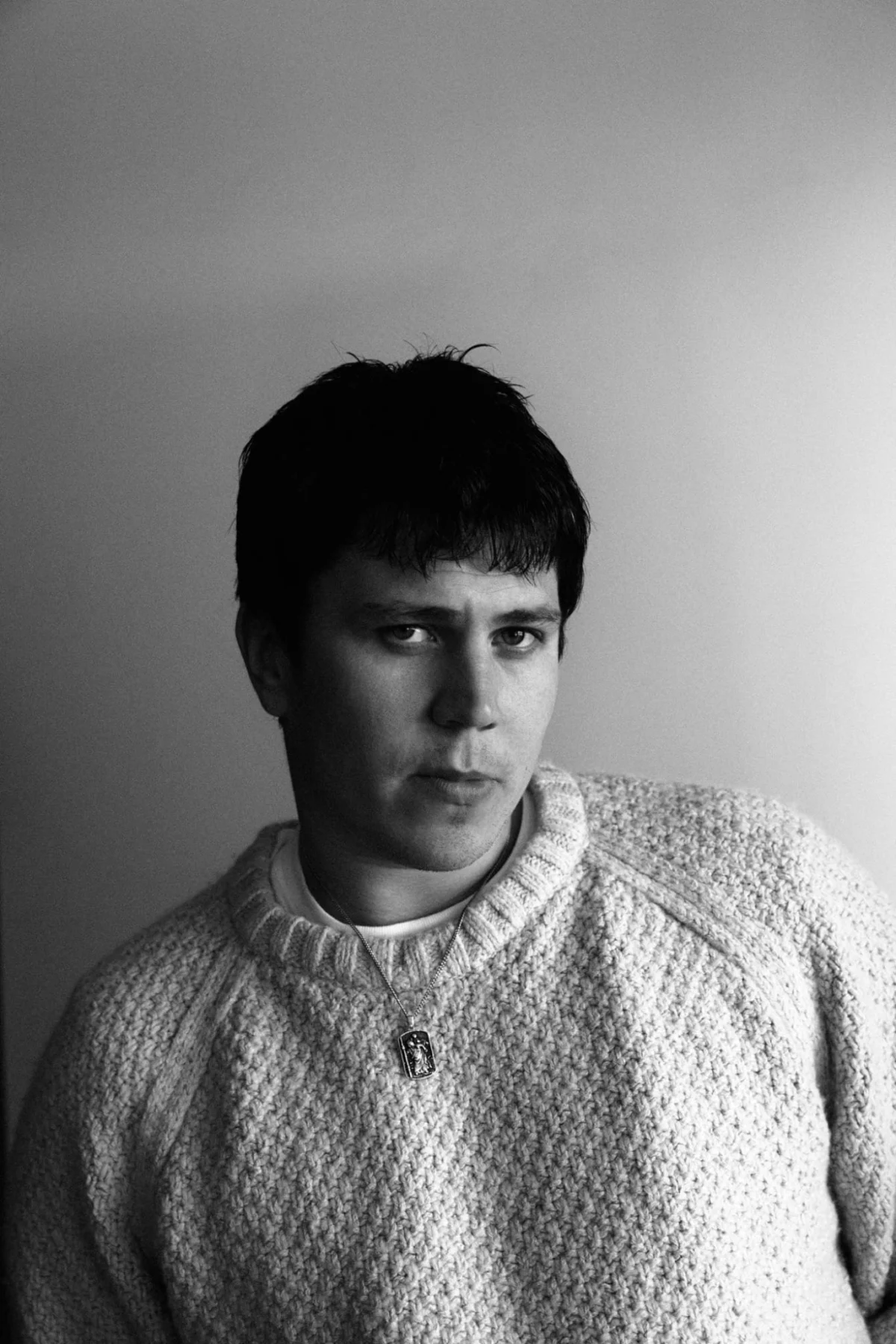
Johan Budi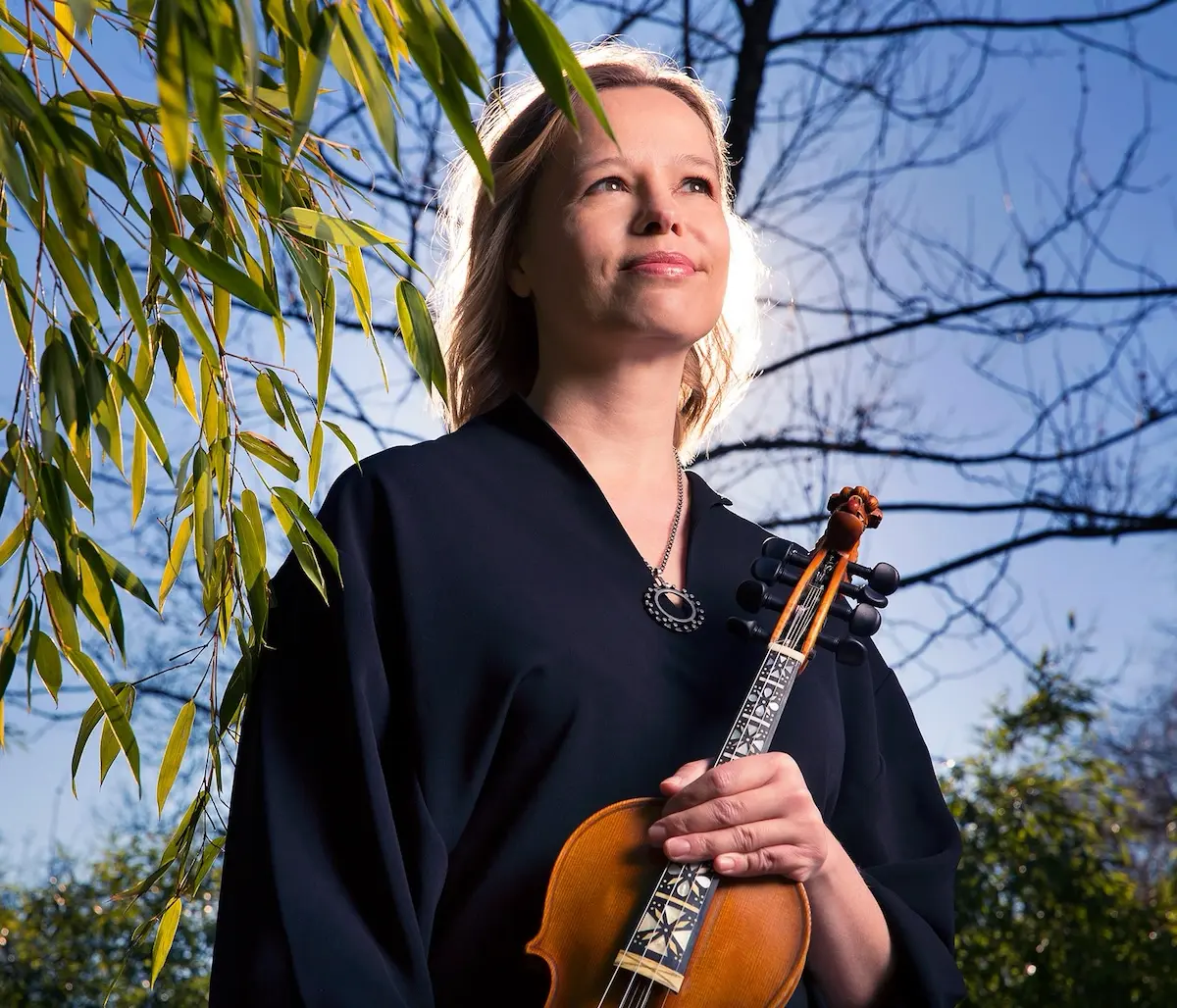
The global jazz landscape continues to evolve through a delicate balance of avant-garde experimentation, the preservation of folk traditions, and the high-fidelity restoration of historical landmarks. Three recent and upcoming releases—the debut of the Hytta Trio, a collaborative piano duo from Myra Melford and Satoko Fujii, and a high-end vinyl reissue of Tomasz Stańko’s seminal work—illustrate the diverse trajectories of improvisational music in the 21st century. These recordings represent distinct geographical and stylistic nodes, ranging from the minimalist folk-jazz of Norway to the complex, poly-stylistic dialogues of the American and Japanese avant-garde, and finally to the foundational European jazz aesthetic established in the 1970s.
The Hytta Trio and the Reimagining of Norwegian Folk Traditions
The release of Vindespel (Twining Tunes) marks the formal debut of the Hytta Trio, an ensemble formed in 2018 to explore the intersection of traditional Norwegian music and modern improvisation. The trio is led by Anna Hytta, a prominent practitioner of the Hardanger fiddle (hardingfele), an instrument central to the cultural identity of the Telemark region. Unlike the standard violin, the Hardanger fiddle features under-strings that resonate sympathetically, creating a drone-like, haunting quality that has long influenced the "Nordic tone" in jazz.
The ensemble is rounded out by bassist Jo Skaansar and percussionist Ulrik Ibsen Thorsrud. While Hytta’s foundations are rooted in the rigorous structures of folk music, Skaansar and Thorsrud bring extensive backgrounds in jazz and improvisational performance. This fusion results in a soundscape that the label, Krets, describes as evocative of both "dark forests and open fields." The music is characterized by a hypnotic, monochrome aesthetic that demands focused engagement from the listener.
Recorded in Nesbyen, Norway, in September 2025, Vindespel utilizes unconventional percussion to build its atmospheric textures. Thorsrud’s kit includes tin foil and glockenspiel alongside traditional drums, creating industrial timbres that contrast with the organic woodiness of the fiddle. Tracks such as "Dråpeslått" showcase the trio’s technical facility, moving from a metronomic waltz to a complex 6/8 time signature. This rhythmic fluidity, combined with Hytta’s minimalist fiddle lines, creates a polyrhythmic effect that bridges the gap between ancient folk forms and contemporary minimalism. The album represents a growing movement within the Norwegian scene to deconstruct traditional melodies and reassemble them within a spacious, improvisational framework.
Intellectual Synergy in Katarahi: The Melford-Fujii Piano Dialogues
In a significant contribution to the piano duo repertoire, Myra Melford and Satoko Fujii have released Katarahi, a title derived from the Japanese term for a "heart-to-heart conversation between friends." This recording, released via the Rogue Art label, documents a performance at the Jazzfestival Leibnitz in Austria in September 2024. The album serves as a testament to a professional and personal relationship spanning three decades, originating when the late Paul Bley introduced the two pianists at the New England Conservatory in 1994.
Melford and Fujii are recognized as "polystylists," a term used to describe musicians who eschew a single, identifiable "signature style" in favor of a broad vocabulary that encompasses free jazz, classical modernism, and global folk influences. This approach contrasts with the traditional jazz paradigm, which often rewards artists for developing a highly specific, brand-like sound. Melford has frequently cited the music of the African diaspora as a primary influence, while Fujii’s work often reflects the structural rigors of her mentor, Bley.
The recording of Katarahi is notable for its total collaborative immersion. During the concert, the two pianists frequently switched instruments, making it difficult to distinguish individual contributions—a deliberate choice that emphasizes the unity of their musical vision. Tracks like "Chalk" offer plangent, lyrical passages, while "Kaiwa" delves into "scurrilous" free exploration. The album captures the intellectual depth of the Jazzfestival Leibnitz, an event known for hosting rationalist and avant-garde programming. The technical proficiency required to maintain clarity in a two-piano setting is immense, yet Melford and Fujii navigate the dense harmonic textures with a precision that preserves the melodic intent of their improvisations.
Historical Resonance: Tomasz Stańko’s Balladyna and the Luminessence Series
While the Hytta Trio and the Melford-Fujii duo represent the contemporary frontier, the reissue of Tomasz Stańko’s Balladyna looks back at a pivotal moment in the development of European jazz. Originally recorded in December 1975 at the Tonstudio Bauer in Ludwigsburg, Germany, Balladyna was the Polish trumpeter’s first recording for ECM Records. It has now been re-released as part of ECM’s Luminessence vinyl series, which focuses on high-quality pressings of the label’s most influential archival recordings.
Balladyna features a chordless quartet that includes tenor and soprano saxophonist Tomasz Szukalski, bassist Dave Holland, and drummer Edward Vesala. This lineup was instrumental in establishing what would become known as the "ECM aesthetic"—a sound characterized by space, transparency, and a melancholic lyricism. Stańko, who passed away in 2018, was a master of this style, utilizing a "mournful, flared" trumpet tone that became his hallmark.
The album is a landmark of the 1970s European avant-garde. At the time of its recording, Stańko was refining a language that moved away from the American bebop tradition toward a more abstract, "lyrical language." He found a perfect foil in Edward Vesala, whose percussion provided a melodic counterpoint rather than a mere rhythmic backbone. The inclusion of Dave Holland, who had recently risen to fame through his work with Miles Davis, provided a bridge between the American and European scenes. The title track, a ballad played in ad lib tempo, remains one of the most significant examples of Stańko’s ability to convey deep emotional weight through minimalist structures.
Chronological Context and Recording Histories
The timeline of these three releases provides a snapshot of jazz history over the last fifty years. The 1975 recording of Balladyna occurred during a fertile period for European jazz, as artists behind the Iron Curtain and across Western Europe began to assert a unique identity separate from American influences. This era saw the rise of labels like ECM, which prioritized high-fidelity recording and a specific, atmospheric production style.
The 30-year friendship between Melford and Fujii, beginning in the mid-1990s, represents a second wave of avant-garde development. This period was characterized by increased global collaboration and the breaking down of genre barriers, as seen in Melford’s work with the collective Equal Interest, which featured Leroy Jenkins and Joseph Jarman. Their 2024 recording in Leibnitz reflects the maturity of this movement, where free improvisation is treated with the same formal rigor as composed music.
Finally, the 2018 formation of the Hytta Trio and their 2025 release of Vindespel signify the contemporary trend of "hyper-local" jazz—where specific regional folk traditions are used as the primary source material for modern improvisation. This trajectory shows a move from the broad, revolutionary gestures of the 1970s toward a more nuanced, research-based approach to music-making in the present day.
Comparative Analysis: Polystylism versus Signature Aesthetics
A central theme connecting these releases is the tension between "polystylism" and the "signature style." In the history of jazz, figures like Bill Evans, John Coltrane, and Miles Davis were celebrated for sounds that were instantly recognizable within a few bars. This "signature" served as a powerful branding device in the entertainment industry.
However, as evidenced by Melford and Fujii, many contemporary improvisers reject this singular focus. By adopting a polystylistic approach, they allow themselves to draw from a wider array of influences—African rhythms, Japanese traditional music, or European classical structures—without being confined to a specific market expectation. This fluidity is also present in the Hytta Trio’s work, which refuses to sit comfortably in either the "folk" or "jazz" categories.
In contrast, Tomasz Stańko represents the pinnacle of the "signature stylist" within the European tradition. His tone was so distinct that it became synonymous with the ECM label itself. The reissue of Balladyna allows modern listeners to hear the genesis of this style, providing a historical counterpoint to the more fluid, stylistic chameleonism of Melford and Fujii.
Broader Implications for the Global Jazz Market
The release of these albums highlights several key trends in the current music industry. First, the success of ECM’s Luminessence series underscores the enduring demand for high-quality physical media, particularly vinyl reissues of historically significant jazz. This "archival turn" suggests that the history of jazz is being constantly re-evaluated and preserved for new generations of audiophiles.
Second, the prominence of independent labels like Rogue Art and Krets demonstrates the vitality of the small-press ecosystem. These labels provide a platform for uncompromising, non-commercial music that might otherwise be overlooked by larger entities. The support for such music often comes from the European festival circuit—such as Jazzfestival Leibnitz—and state-funded arts councils, though critics note that focused support for jazz has faced challenges in recent years due to shifting cultural priorities.
Ultimately, whether through the revival of a 1975 masterpiece or the debut of a forward-looking folk-jazz trio, these releases confirm that jazz remains a deeply collaborative and evolving art form. They reflect a commitment to exploration, whether that involves digging into the dark forests of Norwegian folklore or engaging in a heart-to-heart piano dialogue across continents.