Johan Budi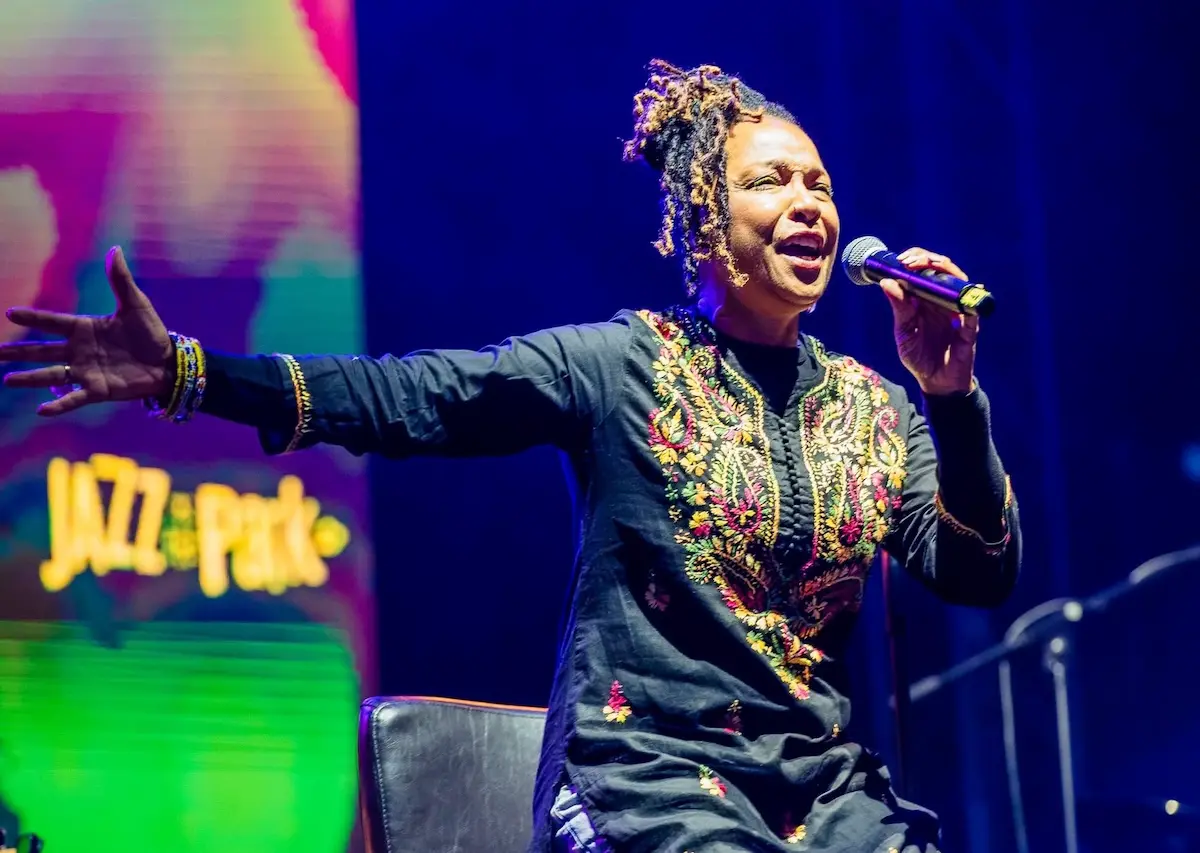
The 2026 edition of the Jazz in the Park Festival concluded its three-day residency at the Romulus Vuia Ethnographic Park in Cluj-Napoca, Romania, solidifying its reputation as one of Europe’s most distinctive boutique musical gatherings. Running from June 5 to June 7, the event transformed the country’s oldest open-air museum into a sprawling "vibrant village," attracting a consistent daily attendance of approximately 7,000 visitors. This year’s festival was characterized by a curated blend of avant-garde residencies, tributes to jazz royalty, and an exploration of music as a vehicle for political resistance, all set against the backdrop of Transylvania’s second-largest urban center.
Strategic Programming and the Residency of Nik Bärtsch
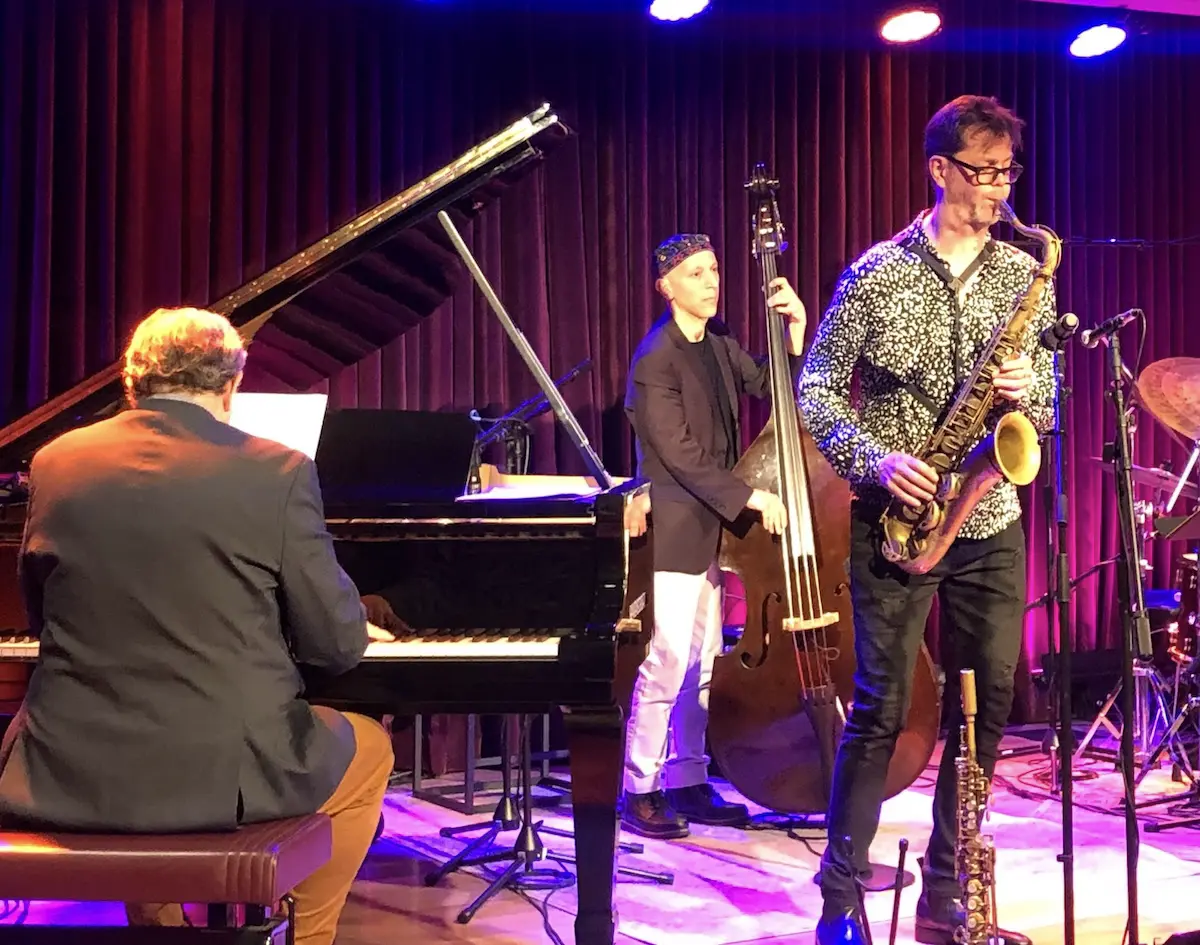
Central to the 2026 program was the artist-in-residence, Swiss pianist and composer Nik Bärtsch. Known for his "Ritual Groove Music" and his trademark black robe, Bärtsch’s presence was felt throughout the three-day event, offering a masterclass in the evolution of modern minimalist jazz. His residency was structured to showcase different facets of his musical philosophy, beginning on Friday with a solo piano performance that emphasized the acoustic properties of the instrument within the park’s natural environment.
Bärtsch’s Saturday performance featured his celebrated quartet, Ronin. Drawing heavily from their latest album, Spin, the group delivered a performance defined by "modular" compositions—interlocking rhythmic structures that create a hypnotic, trance-like state for the listener. The precision of the quartet, featuring long-time collaborator Sha on bass clarinet and alto saxophone, demonstrated the benefits of Bärtsch’s 2021 decision to launch his own imprint, Ronin Rhythm Records. This move, which initially appeared to be a financial risk after a long association with the prestigious ECM label, has allowed Bärtsch complete creative autonomy. Industry analysts note that such independent models are becoming increasingly common among high-tier jazz artists seeking to bypass the traditional constraints of major labels.
The residency culminated on Sunday with a duo performance alongside Greek pianist Tania Gianouli. Set on the stage adjacent to a historic wooden church, the performance acted as a soft launch for their upcoming collaborative album, scheduled for release in October 2026. The duo’s interaction, characterized by deep listening and restrained improvisation, reportedly held the audience—and even the many pets in attendance—in a state of near-total silence.
Tributes and the Evolution of Jazz Lineage
While Bärtsch represented the experimental edge of the festival, the main stage hosted a deeply emotional tribute to the genre’s history. Lisa Simone, the 64-year-old daughter of the legendary Nina Simone, headlined the festival with a repertoire that revisited her mother’s iconic discography. Backed by veteran British drummer Paul Robinson—who toured with Nina Simone for nearly two decades until her passing in 2003—Lisa Simone offered a performance that balanced familial legacy with personal artistic identity.
Unlike her mother’s classically trained approach and distinct contralto, Lisa Simone’s voice is characterized by a different textural range, yet she managed to imbue classics like "Feeling Good" and "My Baby Just Cares for Me" with a contemporary soul-jazz energy. The performance served as a reminder of the "Simonian" influence on modern civil rights and social consciousness. During the set, Simone shared anecdotes of her mother’s insistence that she learn the piano—a path Lisa famously declined in favor of a late-starting but successful career in musical theater and jazz.
Global Textures and Local Innovations
The 2026 lineup emphasized the "World" in World Jazz. Lebanese oud master Rabih Abou-Khalil brought a quartet that featured a unique "eight-string" string section, composed of Polish violinist Mateusz Smoczyński and cellist Krzysztof Lenczowski (both members of the acclaimed Atom String Quartet). Abou-Khalil’s set was noted for its technical complexity, blending Middle Eastern maqam scales with Western jazz structures, punctuated by the leader’s dry humor regarding the "easiness" of four-stringed instruments compared to his oud.
From the Nordic region, the trio of pianist Bugge Wesseltoft, bassist Arild Andersen, and tabla virtuoso Sanskriti Shrestha provided a contrasting sonic landscape. Their performance highlighted the festival’s commitment to cross-continental collaboration, blending Norwegian "ECM-style" atmospheric jazz with the intricate rhythmic cycles of Indian classical music.
The local Romanian scene was represented with vigor by pianists Teo Pop and Ștefan Rus. Their performance on the secondary stages moved away from the atmospheric and toward the kinetic, utilizing organs, keyboards, and electronics to create a groove-heavy set. Similarly, the Berlin-based trio led by drummer Ziggy Zeitgeist blurred the lines between jazz and club culture, reflecting a broader industry trend where jazz festivals are increasingly incorporating electronic dance music (EDM) elements to appeal to younger demographics.
The Music Gallery and the "Sounds of Resistance"
A significant addition to the festival’s cultural footprint was the "Sounds of Resistance" exhibition, hosted at the Music Gallery in downtown Cluj-Napoca. This project, which had been delayed for several years due to the Covid-19 pandemic, finally saw its full implementation in 2025 and 2026. The interactive exhibition explores how music has historically functioned as a tool against both democratic and authoritarian regimes.
Visitors engaged with a terrestrial globe where specific geographical points triggered songs of protest. Selecting London, for instance, played the Sex Pistols’ "God Save the Queen," while other points focused on the role of jazz during the Cold War in Eastern Europe. This thematic thread was echoed on the festival grounds by Cuban violinist Yilian Cañizares, who told the audience that the mission of modern musicians is to "bring light and hope in this dark moment of human history," referencing the ongoing global geopolitical tensions of the mid-2020s.
Economic Impact and Future Projections
The Jazz in the Park Festival continues to be a significant economic driver for Cluj-Napoca. Local tourism officials estimate that the festival contributes several million euros to the local economy over the three-day period, with hotels and Airbnb rentals reaching nearly 95% occupancy. The festival’s "family and dog-friendly" policy has also expanded its market reach beyond traditional jazz aficionados to include a broader demographic of local residents and international "slow-travel" tourists.
Operational efficiency was a hallmark of the 2026 edition. Despite the inherent risks of an open-air venue, organizers implemented strict logistical protocols, including a "no-umbrella" policy to ensure unobstructed views, which proved successful during the weekend’s minor rain showers.
In a move indicating strong brand loyalty, organizers announced that approximately 1,400 tickets for the 2027 edition (scheduled for June 25–27, 2027) were sold on-site. This was bolstered by a strategic "early-bird" offer limited to the first 500 purchasers.
Analysis of the Festival’s Role in the European Circuit
The success of Jazz in the Park 2026 suggests a shift in how jazz festivals are evolving in the post-pandemic era. Rather than focusing solely on "big name" legacy acts that command exorbitant fees, organizers are increasingly investing in residencies and thematic exhibitions that provide a more holistic cultural experience. By utilizing the Romulus Vuia Ethnographic Park—a site of historical preservation—the festival creates a "temporary utopia" that contrasts the rapid technological growth of Cluj-Napoca, often referred to as the "Silicon Valley of Transylvania."
The festival’s organizers are now turning their attention to the Jazz in the Park Competition, scheduled for September 18–20, 2026, in Cluj-Napoca’s Central Park. This competition serves as a talent pipeline, ensuring that the festival remains a platform for emerging Eastern European artists to gain international visibility.
As the 2026 edition closed, the prevailing sentiment among critics and attendees alike was that the festival has moved beyond being a mere musical event. It has become a laboratory for artistic freedom and a vital node in the global network of contemporary jazz. The integration of high-concept residencies like Nik Bärtsch’s with socially conscious exhibitions like "Sounds of Resistance" positions Jazz in the Park as a leader in the movement to make jazz both intellectually rigorous and socially accessible.
With the 2027 dates already set and a significant portion of the audience already committed, the festival appears well-positioned to maintain its trajectory of growth, further cementing Cluj-Napoca’s status as a premier destination on the international cultural map.