Muhammad Ibadurrohman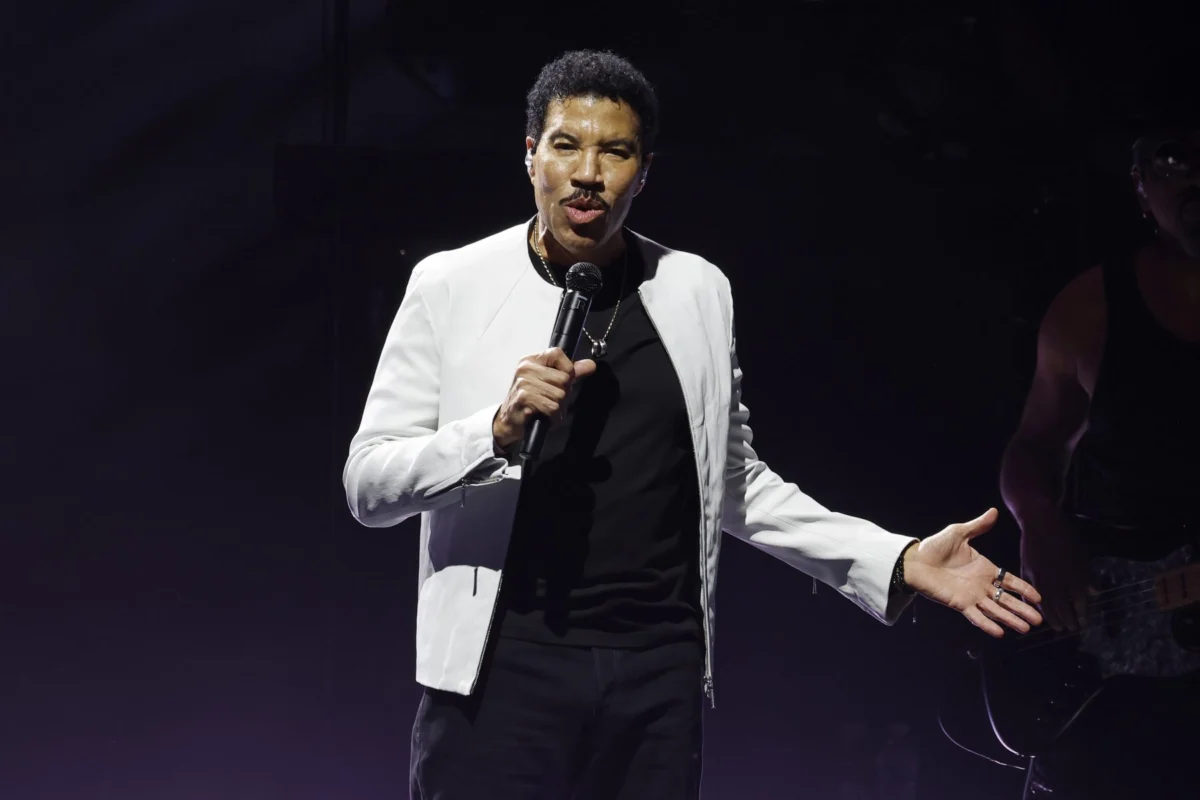
The legendary singer Lionel Richie has taken a proactive step to safeguard his unique vocal identity, filing a series of applications with the U.S. Patent and Trademark Office (USPTO) for sound trademarks covering his voice, including the indelible lyric "Hello, is it me you’re looking for?" This move, undertaken on Thursday, June 11, 2026, places Richie at the forefront of a growing wave of prominent artists, including global superstar Taylor Swift and acclaimed actor Matthew McConaughey, who are leveraging novel legal strategies to combat the burgeoning threat of artificial intelligence (AI) voice cloning and unauthorized digital replication. The applications encompass sound recordings of Richie’s distinctive delivery of choruses from several of his most celebrated anthems, specifically "Say You, Say Me," "Easy," and "All Night Long (All Night)," signaling a comprehensive effort to establish federal protection over his auditory brand.
This unprecedented pursuit of sound trademarks by a music icon underscores a critical juncture for the entertainment industry, grappling with the rapid advancements and widespread accessibility of generative AI technologies. Historically, sound trademarks have been rare, typically reserved for distinctive brand identifiers like the iconic NBC chimes or Netflix’s recognizable "tuh-dum" sonic logo. However, the current landscape, characterized by the ease with which AI can mimic voices, create deepfake audio, and generate new content without consent, has compelled artists to explore every available legal avenue. The filings are perceived by legal experts as a strategic defense against what many in the creative community view as the most significant challenge to intellectual property rights in decades.
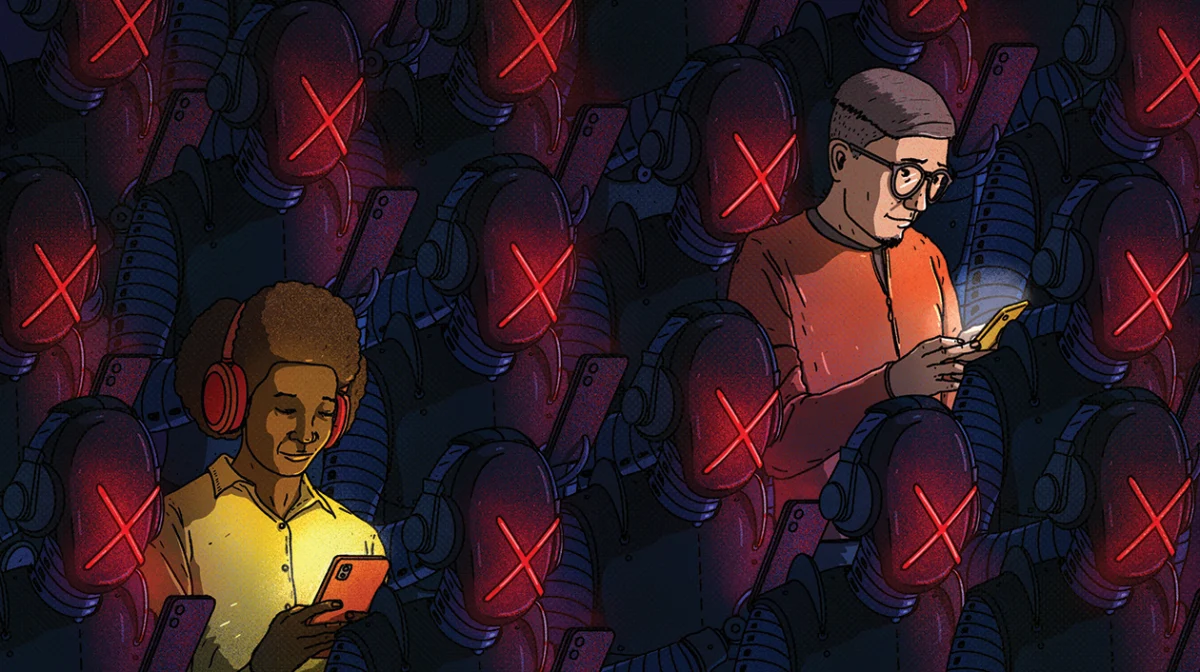
The Looming Shadow of AI: A New Era of Threat to Artists
The exponential growth of artificial intelligence, particularly in generative models capable of synthesizing human voices with startling accuracy, presents a profound existential threat to musical artists and other performers. These sophisticated AI tools can analyze an artist’s vocal patterns, timbre, inflection, and unique stylistic nuances from existing recordings, and subsequently generate new audio content that sounds indistinguishable from the original. This capability opens the door to a myriad of potential abuses:
- Unauthorized Content Creation: AI can be used to generate entirely new songs, advertisements, or spoken word performances featuring an artist’s cloned voice, all without their permission, creative input, or compensation. This directly undermines an artist’s control over their work and image.
- Deepfakes and Misinformation: Beyond music, cloned voices can be employed in deepfake videos or audio clips to create misleading or defamatory content, damaging an artist’s reputation and potentially fueling public confusion or scandal.
- Training Data Exploitation: Many generative AI models are trained on vast datasets of existing audio and visual content, often without the explicit consent of the creators or fair compensation for the use of their copyrighted material. Artists fear that their life’s work is being used to enrich AI developers while they receive no benefit.
- Economic Disruption: The proliferation of AI-generated "knock-off" content could dilute the market for authentic artistic works, leading to significant revenue losses for artists, record labels, and publishers. It challenges established compensation structures and intellectual property frameworks.
Josh Gerben, a prominent trademark attorney unaffiliated with Richie’s filings, has articulated the gravity of the situation, stating that these efforts are part of a broader push to confront "the most significant threat that musical artists have faced since Napster." The early 2000s saw the music industry thrown into turmoil by peer-to-peer file-sharing platforms like Napster, which enabled widespread unauthorized distribution of copyrighted music. While that battle primarily concerned distribution, the current AI threat strikes at the very creation and identity of artistic expression. Gerben emphasizes that "left unchecked, the AI platforms could use the artists’ images and voices to create any type of content imaginable. This could lead to revenue losses and reputational damage." The core objective of these trademark applications, he suggests, is "to keep the AI platforms in check by prohibiting them from allowing users to create content that looks like or sounds like the artist."

Navigating the Legal Labyrinth: Publicity Rights vs. Trademark Law
Artists have traditionally relied on "publicity rights" to protect their names, likenesses, and voices from unauthorized commercial exploitation. However, these rights, which vary significantly from state to state within the U.S., suffer from a critical limitation: they are a patchwork of laws rather than a uniform federal standard. Their scope is often narrower than desired in the age of AI, frequently applying primarily to unauthorized advertisements or endorsements, and providing limited recourse against the non-commercial use of AI-generated content or the training of AI models. This inconsistent and often inadequate protection has left artists feeling vulnerable, prompting them to seek more robust federal safeguards.
It is this gap in legal protection that has driven artists like Lionel Richie to explore federal trademark law. Trademark law is designed to protect symbols, names, logos, and sounds that identify and distinguish the source of goods or services in commerce. While powerful for brand identification, its application to an artist’s voice, especially specific lyrical phrases, presents unique challenges.
A Chronology of Artistic Defense: From McConaughey to Swift and Richie
The recent flurry of high-profile sound trademark applications highlights an accelerating trend among celebrities to secure their vocal identities:
- Matthew McConaughey (2025): The Oscar-winning actor initiated efforts last year to trademark his iconic "Alright, alright, alright" catchphrase from the 1993 film Dazed and Confused. This move signaled an early recognition of the need to protect distinctive vocal expressions.
- Taylor Swift (April 2026): In a significant development earlier this year, pop music phenomenon Taylor Swift filed applications to register her voice uttering the phrases "Hey, it’s Taylor" and "Hey, it’s Taylor Swift." Swift, known for her shrewd business acumen and vigorous protection of her intellectual property, set a precedent for contemporary artists directly targeting vocal identification.
- Lionel Richie (June 11, 2026): Richie’s applications for "Hello, is it me you’re looking for?", "Say You, Say Me," "Easy," and "All Night Long (All Night)" represent perhaps the most expansive and lyrically specific attempt to date. By seeking protection for entire choruses and iconic lines, Richie aims to lock down the very essence of his musical identity.
These filings, while demonstrating a concerted effort by artists, face considerable hurdles at the USPTO. Unlike a brand jingle or a unique sound effect, a famous lyrical phrase spoken or sung by an artist must demonstrate to trademark examiners that consumers associate that specific sound with particular goods or services, beyond merely recognizing it as a famous song lyric. As Josh Gerben cautions, "Whether Richie’s applications ultimately succeed remains an open question. From a technical trademark perspective, these filings will be challenging because the USPTO will expect evidence that the sounds function as trademarks rather than simply famous lyrics." Proving "secondary meaning"—that the sound has acquired distinctiveness in the marketplace as a source identifier for goods or services—will be crucial.
Expert Analysis and Industry Response
The legal community is closely watching these developments, with many attorneys expressing both admiration for the artists’ ingenuity and skepticism about the ultimate effectiveness of current trademark law in addressing the full scope of the AI threat. While a successful trademark registration could prevent others from using the exact recorded phrases in commerce without authorization, it’s far from certain that it would prevent someone from using AI to mimic Richie’s voice singing different words, or even a slight variation of his trademarked phrases. Trademark law primarily guards against consumer confusion about the source of goods or services, not against the act of mimicry itself.

Ruth Zive, CMO of Voices, a prominent voice platform, offers a perspective rooted in the operational aspects of voice technology. She notes that "filings like this are early moves in a much bigger shift. What Richie is really establishing is provenance: proof that a voice came from a specific person who authorized its use." Zive’s insight points to a critical need for technological and infrastructural solutions alongside legal ones. She argues that "the infrastructure to solve that has to be built at the platform level, with clear consent, documented agreements, and fair compensation before a voice ever gets used." This suggests a multi-faceted approach involving not only legal battles but also industry-wide standards, digital watermarking, and transparent consent mechanisms embedded within AI platforms themselves.
The music industry, including record labels, publishers, and artist management companies, is acutely aware of the stakes. The unauthorized use of AI could devalue their catalogs, diminish artist earning potential, and undermine the creative ecosystem. Many are exploring various strategies, from licensing agreements for AI training data to advocating for stronger legislative protections.
Broader Implications and the Path Forward
The efforts by Lionel Richie and his contemporaries are indicative of a broader reckoning between rapidly evolving technology and antiquated legal frameworks. The absence of robust, uniform federal legislation leaves artists exposed, forcing them into creative and often expensive legal maneuvers.
- Legislative Urgency: Lawmakers in the U.S. Congress have acknowledged the problem, with proposals such as the federal NO FAKES Act aimed at offering stronger, nationwide safeguards for individuals against unauthorized digital replicas. This legislation seeks to establish federal rights for individuals to control the commercial use of their likenesses and voices, providing a more direct and comprehensive legal recourse than existing state-level publicity rights or the indirect protections offered by trademark law. However, despite growing bipartisan concern, legislative progress has been slow, hampered by the complexities of balancing innovation, free speech, and individual rights.
- Technological Solutions and Ethical AI: Beyond legal and legislative actions, there is a growing demand for technological solutions. This includes developing robust AI detection tools to identify deepfakes, implementing digital watermarks on authentic content to establish provenance, and leveraging blockchain technology to create immutable records of consent and usage rights. Furthermore, the development of ethical guidelines and industry best practices for AI developers is becoming paramount, emphasizing transparency, consent, and fair compensation.
- The Future of the Creator Economy: The outcome of these legal battles and legislative efforts will profoundly shape the future of the creator economy. It will determine who controls creative output, how artists are compensated in the age of AI, and whether human artistry can retain its unique value in a world of abundant synthetic content. The debate extends to fundamental questions of authorship, originality, and the definition of intellectual property in a digital frontier.
The decision by Lionel Richie to trademark his voice and iconic lyrics represents more than just a personal defense; it is a significant marker in the ongoing struggle to define and protect artistic identity in the digital age. As AI technology continues its relentless march, the legal and ethical frameworks governing its use are still in their infancy. The actions of artists like Richie, Swift, and McConaughey serve as crucial test cases, pushing the boundaries of existing law and highlighting the urgent need for comprehensive solutions to ensure that human creativity remains valued, protected, and properly compensated in an increasingly AI-driven world. The "Wild West" atmosphere surrounding AI’s impact on creative industries demands swift and decisive action from legal systems, technology developers, and policymakers alike.