Reynand Wu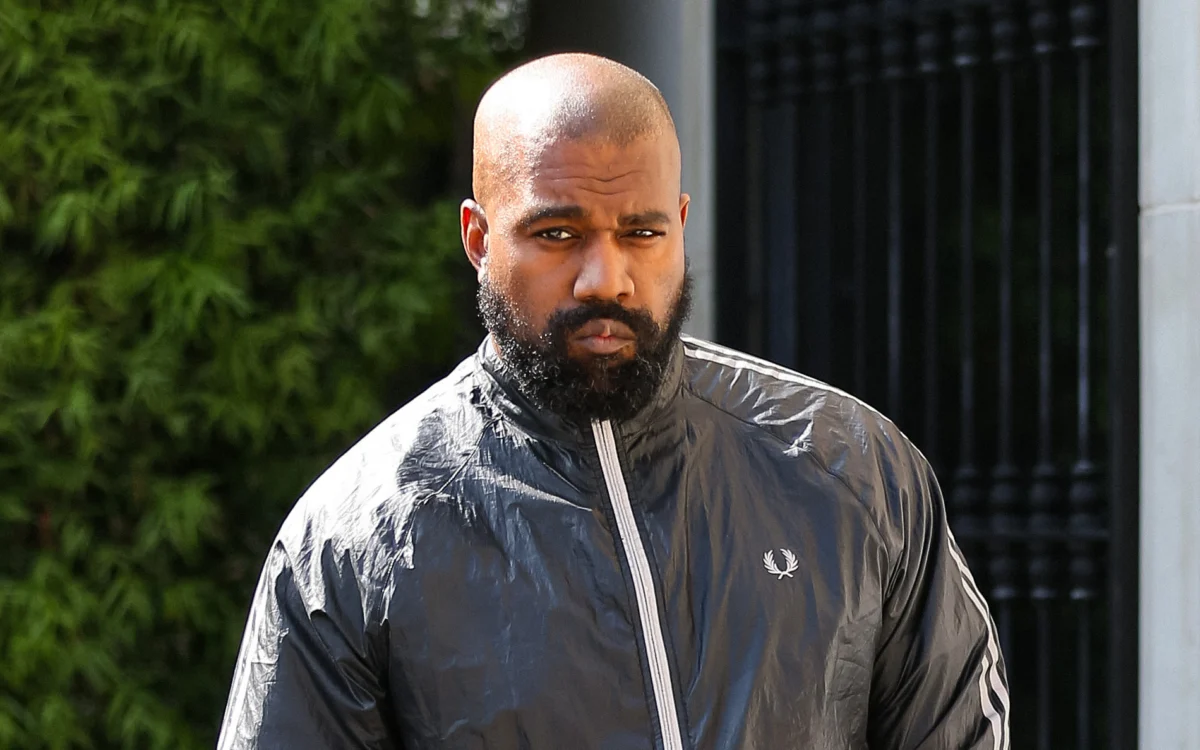
The highly anticipated Wireless Festival, a staple in the London music calendar renowned for its celebration of rap and R&B, has been abruptly cancelled following the United Kingdom Home Office’s decision to deny entry to its sole headliner, Kanye West, also known as Ye. The festival’s organisers confirmed the devastating news in a statement issued on Tuesday, April 7, citing the Home Office’s ban as the direct cause. All ticket holders are set to receive automatic full refunds, a measure intended to mitigate the significant disappointment among fans who had planned to attend the three-day event scheduled for July 10, 11, and 12.
The Cancellation Unfolds
The announcement came after a period of intense public scrutiny and mounting pressure on the festival to reconsider its booking of the controversial artist. Wireless Festival, which typically draws tens of thousands of attendees, found itself at the epicentre of a heated debate concerning artistic freedom, accountability for hate speech, and the moral responsibilities of event organisers and corporate sponsors. The festival’s statement, concise and direct, laid bare the stark reality: "As a result of the Home Office banning YE from entering the United Kingdom, Wireless Festival has been forced to cancel. All ticket holders will receive an automatic full refund." This marked an unprecedented turn of events for a festival of Wireless’s stature, underscoring the severity of the circumstances. The economic impact of such a cancellation extends far beyond ticket sales, affecting vendors, production staff, local businesses, and the broader tourism sector in London.
A History of Controversy: The Root Cause
The Home Office’s decision to ban Ye from entering the UK is directly linked to a series of highly publicised antisemitic and pro-Nazi comments made by the rapper in recent years. These remarks, which garnered widespread condemnation globally, included statements praising Adolf Hitler, denying the Holocaust, and making various offensive and conspiratorial claims about Jewish people. These comments led to Ye being dropped by major brands, including Adidas, Gap, and Balenciaga, resulting in significant financial losses and a considerable blow to his public image. His behaviour during this period was extensively documented across media platforms, leading to a global re-evaluation of his public standing and the platforms afforded to him. The UK’s "not conducive to the public good" clause in immigration law is often invoked in cases where an individual’s presence is deemed to pose a threat to public order, national security, or societal values, making Ye’s history a critical factor in the Home Office’s assessment.
Mounting Pressure and Corporate Withdrawals
Leading up to the cancellation, Wireless Festival faced an unprecedented wave of criticism from various quarters. Campaign groups, anti-hate organisations, and members of the Jewish community vigorously protested Ye’s booking, arguing that providing him a platform, particularly as a sole headliner, would normalise or even legitimise his hateful rhetoric. The pressure was not confined to grassroots activism; it swiftly escalated to corporate and political spheres.
Major sponsors, including global beverage giant Pepsi, leading online payment platform PayPal, and multinational alcoholic beverages company Diageo, began to withdraw their support from the festival in the days preceding the ban. This exodus of key financial backers sent a clear message: aligning with an artist embroiled in such severe controversy was an untenable position for brands committed to diversity, inclusion, and social responsibility. The withdrawal of these sponsors not only created significant financial strain for the festival but also amplified the public outcry, demonstrating the tangible consequences of booking a figure deemed unacceptable by a large segment of the public and corporate entities.
The controversy also drew the attention of high-profile political figures. Prime Minister Sir Keir Starmer publicly voiced his concerns, describing the decision to book Ye as "deeply concerning." Such a strong statement from a national leader added considerable weight to the arguments against Ye’s appearance and signalled a broader societal discomfort with the proposed performances. This confluence of corporate, political, and public pressure created an environment where the festival’s continuation with Ye as headliner became increasingly untenable, setting the stage for the Home Office’s intervention.
The Home Office’s Stance: "Not Conducive to the Public Good"
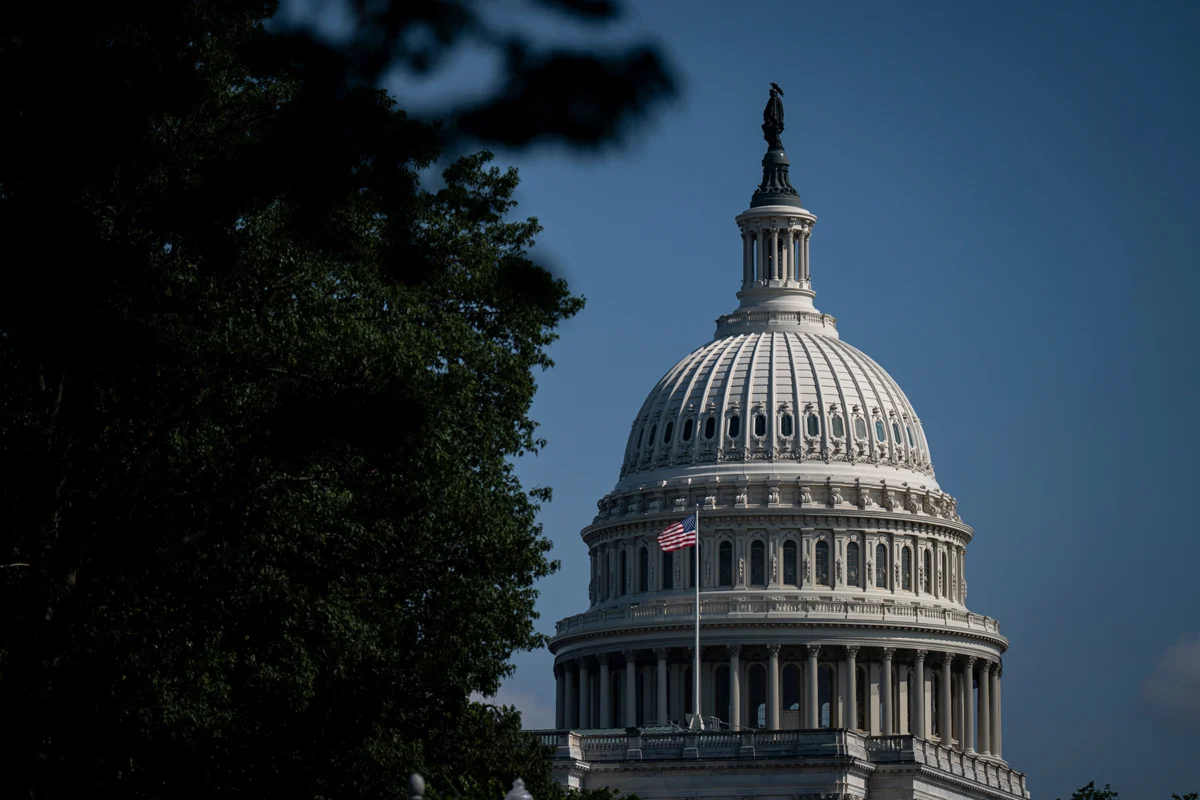
The formal rejection of Kanye West’s application to enter the UK occurred on Monday, April 6. According to reports from the BBC, Ye had submitted an Electronic Travel Authorisation (ETA) application, a digital permission required for visa-exempt foreign nationals to travel to the UK. The Home Office, the governmental department responsible for immigration, security, and law and order, subsequently rejected his application. The stated grounds for refusal were that his presence in the country "would not be conducive to the public good."
This legal provision grants the Home Secretary significant discretionary power to deny entry to individuals whose presence is deemed detrimental to the UK’s interests or public welfare. While the Home Office typically does not comment on individual immigration cases, the widely reported nature of Ye’s past statements and the ensuing public backlash made the application of this clause a highly probable outcome. The decision underscores the UK government’s stance on hate speech and its willingness to use immigration powers to prevent individuals who have engaged in such behaviour from entering the country, particularly when their presence could incite further division or offence within British society. The Home Office’s action effectively circumvented any debate about artistic freedom versus social responsibility by exercising a sovereign right to control national borders.
Ye’s Eleventh-Hour Plea and Community Response
In a surprising move earlier on the day of the ban (April 7), Kanye West had issued a public statement attempting to address the growing backlash. He pledged that his "only goal is to present a show of change" and to "bring unity, peace and love through my music." Furthermore, he extended an offer to meet with "members of the Jewish community in the UK in person, to listen." This statement appeared to be an attempt to salvage his Wireless Festival performances and potentially mend relations with the communities he had offended.
However, the Board of Deputies of British Jews, a representative body for the UK’s Jewish community, responded cautiously and conditionally. While acknowledging Ye’s offer to meet, they stipulated that such a meeting would only be considered "after he agrees not to play the Wireless Festival this year." This condition highlighted the community’s firm stance that providing a public platform to an individual with Ye’s history of antisemitic comments, regardless of any subsequent apologies or intentions, was unacceptable. Their response indicated that actions, in this case, the withdrawal from the festival, would speak louder than words or belated offers of dialogue. The Home Office’s subsequent ban rendered the Board’s condition moot, as the opportunity for Ye to perform was removed entirely.
Festival Republic’s Initial Defense
Prior to the Home Office’s intervention and the ultimate cancellation, Melvin Benn, the managing director of Festival Republic, the company behind Wireless Festival, had publicly defended the decision to book Kanye West. Benn’s defence attempted to differentiate between Ye’s controversial personal statements and his musical artistry.
In his statement, Benn acknowledged the abhorrent nature of Ye’s past comments regarding Jews and Hitler. However, he argued that "Ye’s music is played on commercial radio stations in this country. It is available via live streams and downloads in this country without comment or vitriol from anyone and he has a legal right to come into the country and to perform in this country." He further clarified that the festival’s intention was "not giving him a platform to extol opinion of whatever nature, only to perform the songs that are currently played on the radio stations in our country and the streaming platforms in our country and listened to and enjoyed by millions."
Benn also appealed for a degree of "forgiveness and giving people a second chance," suggesting that these virtues were "becoming a lost virtue in this ever-increasing divisive world." He urged people to "reflect on their instant comments of disgust at the likelihood of him performing (as was mine) and offer some forgiveness and hope to him as I have decided to do." Benn’s stance, while perhaps well-intentioned in its call for rehabilitation, ultimately proved insufficient to counteract the immense public, corporate, and governmental pressure, especially in the face of the Home Office’s definitive decision. His defence underscored the complex ethical tightrope that festival organisers often walk when balancing artistic draw with social responsibility and public sentiment.
Broader Implications for Festivals and Free Expression
The cancellation of Wireless Festival due to a headliner’s entry ban carries significant implications for the wider music festival industry and the ongoing debate surrounding free expression versus accountability for hate speech. For festival organisers, this incident serves as a stark reminder of the potential risks associated with booking controversial artists, particularly those whose past actions have crossed lines of public decency and incited hatred. It highlights the increasing power of public opinion, social media campaigns, and corporate ethics in shaping entertainment programming. Festivals may now face heightened scrutiny during their booking processes, with greater emphasis placed on artists’ public conduct and perceived social responsibility, not just their musical talent or commercial appeal.
Furthermore, the Home Office’s decision sets a notable precedent regarding the UK’s immigration policy. It reaffirms the government’s capacity to deny entry to individuals based on the "public good" clause, especially in cases involving high-profile figures whose presence could provoke social unrest or undermine community relations. This could lead to more stringent vetting for international artists seeking to perform in the UK, particularly if they have a history of controversial statements or actions.
The incident also fuels the broader discussion about "cancel culture" versus legitimate consequences for hate speech. While some might view the ban as an extreme form of censorship, others argue it is a necessary measure to uphold societal values and protect vulnerable communities from the proliferation of hateful ideologies. The case of Kanye West at Wireless Festival demonstrates the intricate balance between allowing artists creative freedom and holding them accountable for the real-world impact of their words and actions. It forces a re-evaluation of the responsibilities that come with immense public platforms and the moral obligations of those who provide them.
Contrasting Receptions: UK vs. USA
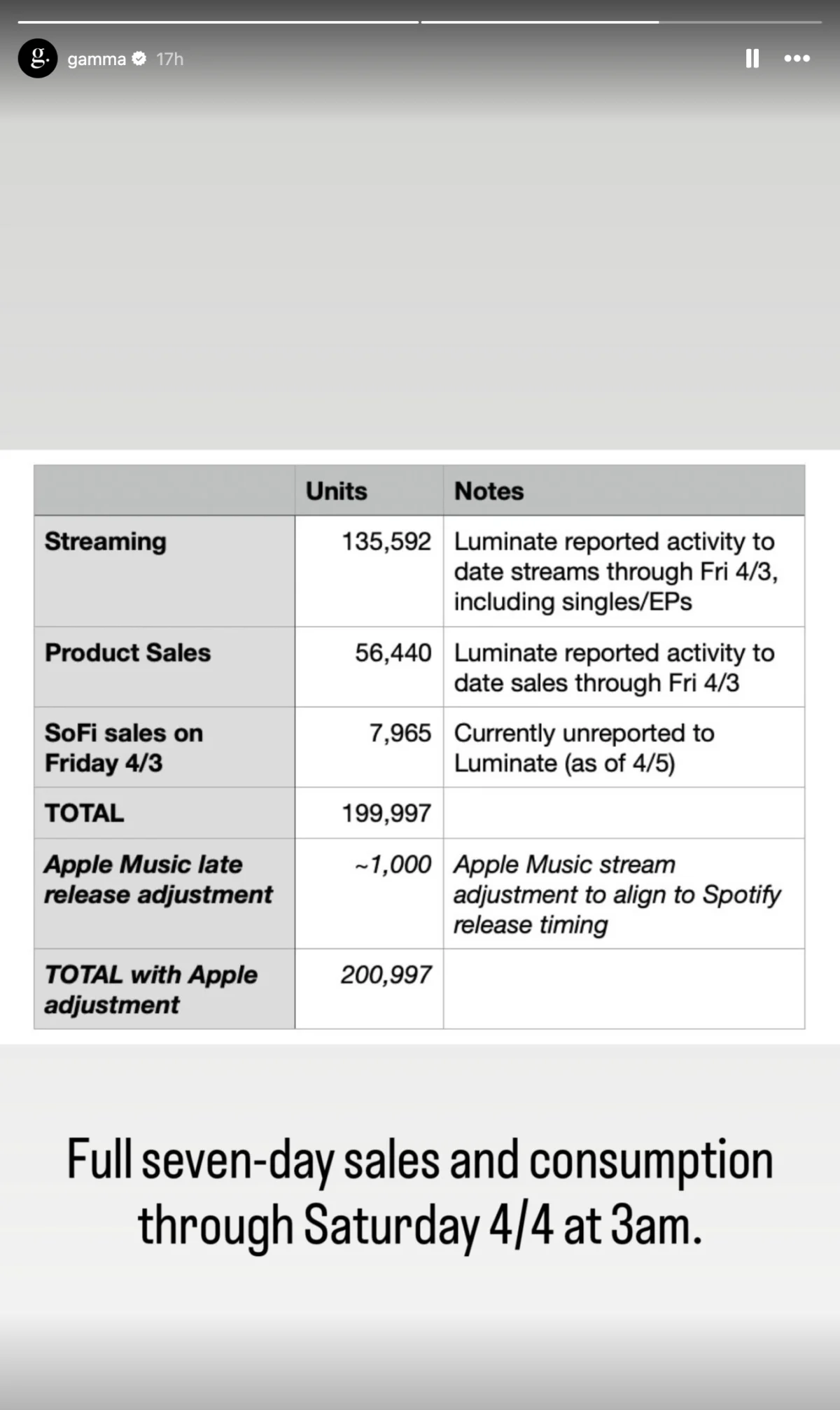
Interestingly, Kanye West has faced a markedly different reception on his home soil in the United States. Despite the global controversy surrounding his antisemitic remarks, he recently performed two sold-out shows at Los Angeles’ SoFi Stadium in support of his new album, Bully. These concerts saw him joined by a host of special guests, including acclaimed artists like Lauryn Hill, Travis Scott, and Don Toliver, indicating a continuing, albeit diminished, fanbase and a willingness among some industry peers to collaborate.
This contrast highlights the varying cultural and legal landscapes concerning hate speech and celebrity accountability across different nations. While the UK Home Office exercised its sovereign right to deny entry based on the "public good," the US, with its strong First Amendment protections for freedom of speech, offers a different framework. Although private entities and sponsors in the US have distanced themselves from Ye, the government generally does not restrict citizens’ movement or public appearances based solely on speech, unless it directly incites violence or falls into other narrowly defined categories of unprotected speech. This disparity underscores the unique challenges and considerations that international artists and global event organisers must navigate in an increasingly interconnected yet diverse world. The cancellation of Wireless Festival serves as a potent reminder that global fame does not guarantee universal access or acceptance, and that national borders can represent significant barriers when public conduct clashes with national values and legal frameworks.