Jia Lissa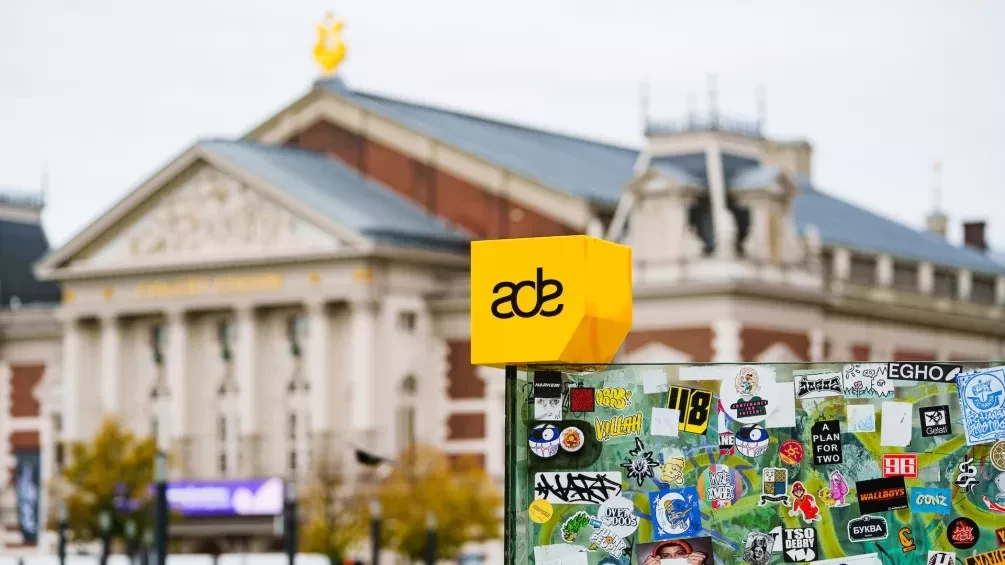
The Amsterdam Dance Event (ADE), widely recognized as the premier global gathering and conference for electronic music culture, has taken decisive action by formally revoking all official affiliation from hard techno promoters Komplott and Overgave. This disciplinary measure comes in direct response to the promoters’ decision to book French hard techno DJ and producer Shlomo—legally known as Shaun Baron-Carvais and the head of Taapion Records—for a high-profile showcase during the conference’s annual week-long takeover of the Dutch capital.
The scheduled event, initially slated to take place at Amsterdam’s Panama venue on Wednesday, October 21, immediately sparked significant industry backlash following the announcement of Baron-Carvais as the headlining act. The public inclusion of the artist led to an immediate wave of resistance from supporting acts and fellow performers on the bill. Citing concerns regarding the artist’s ongoing legal controversies, multiple DJs publicly announced their withdrawal from the showcase, asserting that they would not share a stage under the circumstances.
The swift escalation of localized pushback eventually triggered a broader institutional reaction from ADE organizers. In an official statement released via Instagram on Sunday, ADE leadership clarified that the strategic choices and stance adopted by the organizers of the Komplott and Overgave showcase directly conflicted with the core organizational values of the festival. Furthermore, ADE emphasized that the booking was inherently insensitive to the conference’s broader mission of responsibly nurturing the electronic music ecosystem, preserving safe nightlife spaces, and safeguarding vulnerable communities within the global club culture.
While ADE’s ruling stripped the event of its official status, it did not legally or logistically prohibit the promoters from attempting to push forward independently. The governing body clarified that the decision to host the event remained entirely at the discretion of the organizers and the host venue, albeit completely detached from the official ADE umbrella and marketing network. However, following days of mounting pressure and the subsequent withdrawal of key infrastructure support, Komplott and Overgave confirmed on Monday that the planned event had been cancelled outright.
The Genesis of the Controversy: Legal Filings and Systemic Industry Reckoning
The controversy surrounding Shaun Baron-Carvais is deeply rooted in a turbulent period for the European hard techno scene, which has faced intense scrutiny regarding internal safety, accountability, and the handling of professional misconduct. In June, a formal criminal complaint was lodged against Baron-Carvais at a Paris court. The legal filing contains severe allegations, including accusations of rape, psychological violence, and explicit death threats. Through his legal representation, Baron-Carvais has consistently denied all allegations leveled against him.
This mid-year development was far from an isolated incident. In February, the European hard techno community experienced a seismic reckoning when a multitude of prominent artists were simultaneously hit with widespread public accusations of sexual assault, harassment, and severe professional misconduct. The fallout from these revelations was immediate and far-reaching. Multiple high-profile DJs were quietly or publicly dropped from festival lineups across the continent, club bookings were canceled en masse, and the structural integrity of several boutique management agencies came under intense pressure. Most notably, the wave of allegations led directly to the complete closure of Steer Management, an agency that had previously represented several prominent figures caught up in the scandal.
The persistent nature of these incidents galvanized industry professionals, legal experts, and advocates to organize structured resistance frameworks. Among the most prominent entities to emerge during this period of reckoning is METOODJS, a dedicated French campaign group comprising electronic music professionals, attorneys, investigative journalists, and clinical psychologists. The collective operates as an international support, advocacy, and referral network specifically tailored for victims of sexist and sexual violence within the electronic music industry. By establishing robust channels for reporting and legal assistance, organizations like METOODJS have fundamentally altered how promoters, agencies, and festival organizers must evaluate talent, risk, and moral responsibility in contemporary nightlife.
Promoter Justification and the Collapse of the Showcase
Following ADE’s public disavowal of their showcase, Komplott and Overgave issued a joint statement on Monday addressing the cancellation and shedding light on their initial decision-making process. Representatives from Overgave defended their original booking of Baron-Carvais by explaining that the decision was not made lightly, but rather arrived at after a thorough review of documentation provided by the artist’s legal counsel and management representation.
According to the promoters, various legal documents and supplementary materials supplied by booking agencies offered what they believed at the time to be "sufficient grounds for us to proceed with the booking and take responsibility for it." Despite their assertion that they had performed due diligence based on available paperwork, the cascading loss of supporting artists, combined with the revocation of ADE affiliation and the resulting logistical hurdles, ultimately rendered the event untenable. The complete cancellation of the Panama venue showcase underscores the profound commercial and reputational risks associated with booking artists currently entangled in active, high-profile criminal investigations related to sexual violence.
Broader Institutional Implications for the Amsterdam Dance Event
The swift intervention by ADE highlights a growing intolerance within major music institutions regarding how the industry handles allegations of sexual misconduct and gender-based violence. Historically, electronic music festivals and conferences often maintained a cautious, hands-off approach to the personal legal troubles of performing artists, frequently compartmentalizing off-stage behavior from on-stage performance value. However, the paradigm has shifted drastically in the wake of the global "Me Too" movement and the specific localized organizing power of networks within European nightlife.
For an institution of ADE’s scale and prestige, maintaining brand integrity and fostering an inclusive, secure environment has become an operational necessity rather than a secondary concern. As the largest club-based festival and conference in the world, ADE attracts hundreds of thousands of international visitors, industry delegates, and emerging artists annually. The 2026 edition of the conference, scheduled to run from October 21 to October 25 across venues throughout Amsterdam, features a massive roster exceeding 1,500 artists. Among the confirmed headliners and participants are globally renowned electronic music figures such as Afrojack, HAAi, Boris Brejcha, Eric Prydz, Kerri Chandler, Angel D’lite, DJ Stingray 314, and Donato Dozzy.
By taking a hardline stance against promoters who defy industry standards of community safety and moral accountability, ADE has signaled to the wider global electronic music market that association with artists facing severe criminal complaints regarding sexual violence will no longer be tolerated under the festival’s banner.
A Critical Turning Point for Nightlife Accountability
The events surrounding the cancelled Komplott and Overgave showcase serve as a critical case study in the evolving relationship between electronic music promoters, legal accountability, and public perception. As independent promoters navigate the complex terrain of artist management and legal representation, the threshold for acceptable risk has narrowed significantly.
Industry analysts note that independent venues and promoters can no longer rely solely on clearance letters or statements from talent agencies to insulate themselves from public backlash. With advocacy groups like METOODJS actively monitoring event lineups and mobilizing community resistance, audiences and supporting artists are increasingly demanding higher ethical standards from event organizers.
The fallout from the Shlomo booking controversy at ADE 2026 demonstrates that the electronic music community is entering a new era of enforcement, where structural safety and ethical alignment are paramount. As legal proceedings in Paris continue to unfold regarding the allegations against Shaun Baron-Carvais, the ripple effects of this incident will undoubtedly influence booking policies, festival bylaws, and promoter protocols across the international electronic music circuit for years to come.