Johan Budi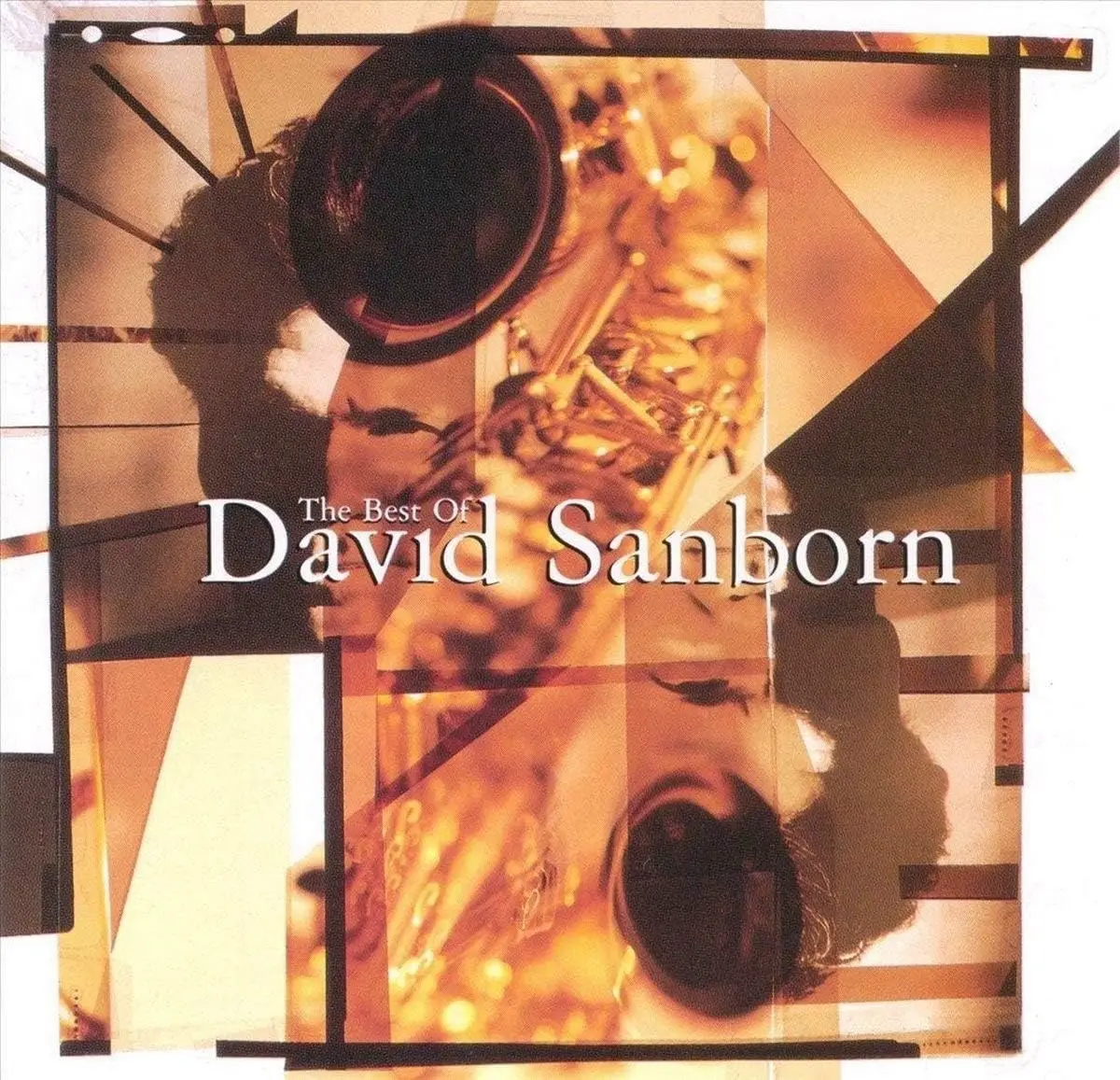
The contemporary jazz landscape has long been defined by the distinctive, piercing alto saxophone tone of David Sanborn, a musician whose career has served as a bridge between the grit of rhythm and blues and the polished textures of modern pop-jazz. Two significant releases—the comprehensive compilation The Best Of, covering his output from 1978 to 1988, and the 1995 orchestral project Pearls—offer a definitive study in the stylistic duality that has characterized Sanborn’s professional journey. While Sanborn’s "arresting tone" is often cited as his greatest asset, these two collections illustrate the tension between his natural inclination toward high-energy funk and his recurring attempts to navigate more traditional, sophisticated musical environments.
The Sanborn Signature and the R&B Foundation
David Sanborn’s sound is immediately recognizable for its bright, vocal-like quality, often described as having a "live" and urgent edge. This sonic identity was forged not in the conservatories of straight-ahead jazz, but in the trenches of blues and soul. Born in Tampa, Florida, and raised in Missouri, Sanborn’s early battle with polio led him to take up the saxophone as a form of respiratory therapy, a biographical detail that many critics believe contributed to the sheer physical intensity of his playing style.
By the time Sanborn began his solo career in the mid-1970s, he had already established himself as a premier session musician, contributing to seminal works such as David Bowie’s Young Americans and James Taylor’s Gorilla. However, it was his tenure with Warner Bros. Records, specifically the decade spanning 1978 to 1988, that cemented his status as a titan of the crossover genre. The Best Of serves as a technical blueprint of this era, showcasing a musician who had perfected the art of the "soul-jazz" crossover.
The compilation highlights Sanborn’s ability to navigate complex rhythmic structures without sacrificing melodic accessibility. Tracks like "Slam," a centerpiece from his 1988 album Close Up, demonstrate the brassy, high-octane funk that became his trademark. In these settings, Sanborn utilizes what critics call "hysterical climaxes"—moments of extreme emotional intensity where he pushes the alto saxophone into its altissimo register with unparalleled precision.
Chronology of a Stylistic Evolution: 1975–1995
To understand the context of these two releases, one must examine the timeline of Sanborn’s discography and the shifting tides of the music industry during the late 20th century.
- The Formative Years (1975–1977): Sanborn released albums like Taking Off and David Sanborn, which leaned heavily into the jazz-fusion movement of the era.
- The Warner Bros. Golden Era (1978–1988): This period, captured in The Best Of, saw Sanborn collaborating extensively with producer and bassist Marcus Miller. This partnership resulted in several Grammy-winning albums, including Voyeur (1981) and Double Vision (1986) with Bob James. This era was defined by tight production, slap-bass grooves, and Sanborn’s searing leads.
- The Experimental Transition (1989–1994): Sanborn began to tire of the "smooth jazz" label that the industry had applied to his work. He sought out more diverse projects, including his hosting of the television show Night Music, where he performed with avant-garde figures like John Zorn and Sonic Youth.
- The Orchestral Turn (1995): The release of Pearls marked a deliberate pivot toward the Great American Songbook and pop standards, utilizing a large orchestra and the arranging talents of Johnny Mandel.
A Critical Analysis of Pearls: The Orchestral Departure
If The Best Of represents Sanborn in his natural element, Pearls represents an ambitious, if polarizing, attempt to redefine his artistry. Released on the Elektra label around 1995, the album saw Sanborn stepping into "Radio 2 territory," a move characterized by lush, sweeping string arrangements and a slower, more contemplative tempo.
The production of Pearls involved a formidable cast of musicians, including jazz stalwarts like pianist Kenny Barron and bassist Christian McBride, alongside long-time collaborators Marcus Miller and Steve Gadd. Despite this pedigree, the album has been viewed by some critics as a "drab set," where the "swelling strings" of Johnny Mandel occasionally stifle the raw energy typically associated with Sanborn’s playing.
The tracklist for Pearls includes staples such as "Willow Weep For Me," "Smoke Gets In Your Eyes," and "Try A Little Tenderness." While Sanborn’s tone remains impeccable, the orchestral environment limits his ability to build the explosive crescendos that are his forte. A notable exception is "Come Rain Or Come Shine," where Sanborn manages to break through the traditionalist veneer to hit the "amazing high notes" that defined his earlier funk work. The inclusion of guest vocalists Oleta Adams and the legendary Jimmy Scott adds a layer of soulful depth, yet the overall consensus remains that the album leans toward "easy-listening noodling" rather than the aggressive innovation of his funk-oriented catalog.
Supporting Data: Commercial Success and Industry Recognition
The dual nature of Sanborn’s career is reflected in his commercial and critical data. During the decade covered by The Best Of, Sanborn became one of the most commercially successful saxophonists in history.
- Grammy Awards: Sanborn has won six Grammy Awards, including Best R&B Instrumental Performance for "All I Need Is You" (1981) and Best Jazz Fusion Performance for Double Vision (1986). This highlights his dominance in both R&B and Jazz categories.
- Chart Performance: His albums consistently reached the top of the Billboard Jazz Charts, with many crossing over into the Billboard 200. The album Close Up, featured in the compilation via the track "Slam," was certified Gold by the RIAA, a rare feat for a jazz-instrumental record.
- Discography Metrics: The Best Of provides 74 minutes of music across 16 tracks, serving as a high-value entry point for listeners. In contrast, Pearls offers 51 minutes of music, reflecting the more focused, thematic nature of the project.
Institutional and Peer Responses
The jazz community’s reaction to Sanborn’s shifts in style has often been a microcosm of the larger debate regarding "purism" versus "commercialism." While some traditionalists criticized his move toward pop-funk in the 1980s, peers within the industry have largely lauded his technical proficiency and emotional honesty.
Inferred responses from his collaborators suggest a deep respect for his versatility. Marcus Miller has frequently spoken about Sanborn’s ability to "speak" through the horn, noting that his R&B phrasing influenced an entire generation of saxophonists, including figures like Dave Koz and Gerald Albright. Conversely, the involvement of Johnny Mandel on Pearls indicates a level of respect from the old-guard jazz establishment, recognizing Sanborn’s ability to carry a melody in a classic, symphonic setting, even if the result was more "drab" than his high-octane work.
Broader Impact and Implications for Contemporary Jazz
The juxtaposition of The Best Of and Pearls illustrates the broader challenge faced by instrumentalists in the late 20th century: the struggle to remain relevant in a changing market while maintaining artistic integrity. Sanborn’s career suggests that for an artist of his caliber, the "best" work is often found where their unique technical voice meets their most authentic musical roots.
The Best Of remains a definitive document of the "Sanborn sound"—a sound that defined the 1980s and influenced the production of countless film scores, television themes, and pop records. It proves that Sanborn’s most effective "language" is funk and R&B, where his "live, arresting tone" can cut through dense arrangements and connect with the listener on a visceral level.
Pearls, while perhaps less successful as a high-art statement, serves as a necessary historical marker. It represents the artist’s desire to escape the "funk" pigeonhole and explore the "retro sixties" and "avant-garde" dabblings that have peppered his later years. It underscores the reality that even the most iconic musicians feel the need to experiment with different "territories," even if those territories—like the easy-listening ballads of Radio 2—do not always allow their greatest strengths to shine.
Ultimately, these two collections offer a comprehensive look at a musician who refused to be static. Whether navigating the "brassy funk" of the late 80s or the "swathing strings" of the mid-90s, David Sanborn’s contribution to the saxophone remains a cornerstone of modern music history. His ability to maintain a signature sound across such disparate genres is a testament to his mastery of the instrument and his enduring influence on the world of contemporary jazz.


![Sijya announces Leather and Brass [Retrofitted] EP, shares Do I Know [Rachika Nayar Edit]: Listen](https://empire-music.net/wp-content/uploads/2026/09/sijya-announces-leather-and-brass-retrofitted-ep-shares-do-i-know-rachika-nayar-edit-listen.webp)