Aveline Kirana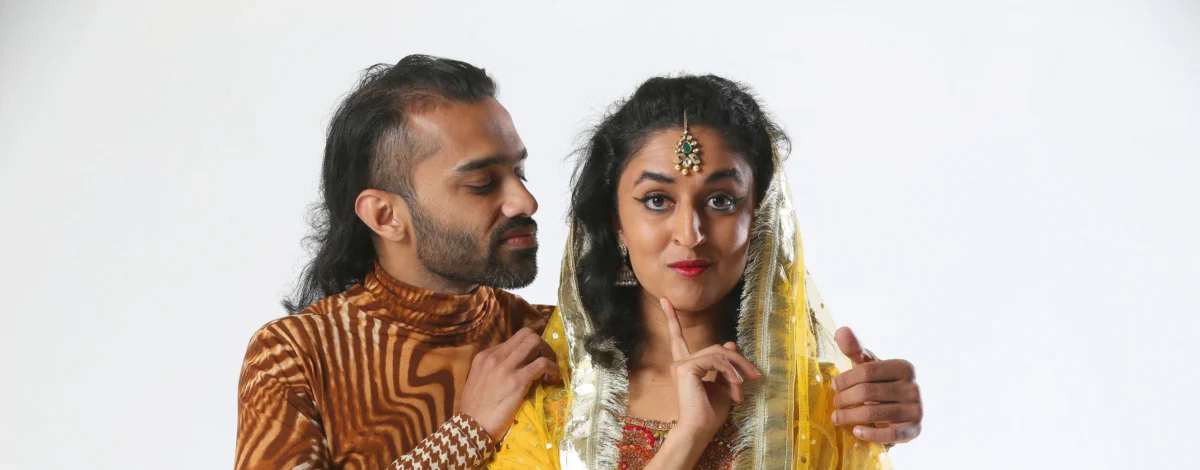
The Bradford Opera Festival is set to captivate audiences this November with a bold and innovative new production of Wolfgang Amadeus Mozart’s beloved comic opera, "The Marriage of Figaro." This reimagined rendition, spearheaded by the acclaimed poet and broadcaster Ian McMillan, promises to shatter traditional operatic boundaries by transplanting the opera’s timeless themes of love, class, and deception to the vibrant and culturally rich landscape of 1970s Bradford. The production will have a limited engagement at Wilton’s Music Hall in London from November 23 to 25, 2026, offering a unique theatrical experience that blends Yorkshire vernacular with a rich tapestry of musical influences.
This ambitious adaptation seeks to connect Mozart’s enduring masterpiece with contemporary audiences by grounding its narrative in a familiar, yet historically distinct, setting. The choice of 1970s Bradford is particularly significant, reflecting the city’s evolving multicultural identity and its enduring spirit of community. By infusing the opera with Yorkshire dialect, McMillan aims to unlock the inherent wit, warmth, and humanity of Mozart’s characters, making their struggles and triumphs resonate with a fresh accessibility. The score itself has undergone a significant reorchestration, thoughtfully incorporating elements from both Western and Indian classical traditions, a testament to the diverse cultural heritage of Bradford and a deliberate artistic choice to reflect the city’s contemporary social fabric.
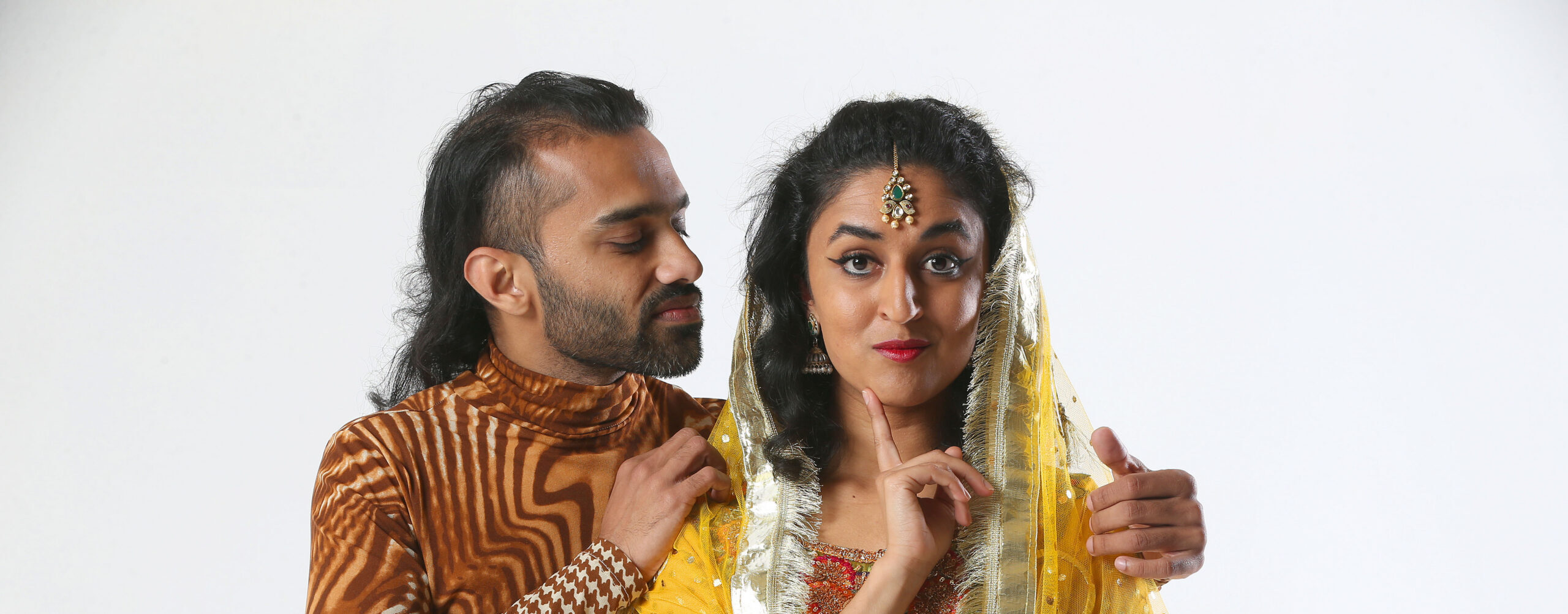
The creative vision for this production is helmed by Bradford Opera Festival Artistic Director Alex Chisholm, who will direct the opera, with composer Ben Crick leading the orchestra. The cast is a deliberate showcase of diverse talent, featuring prominent South Asian opera singers such as Oscar Castellino, Natasha Agarwal, and Kanchana Jaishakar. Their participation underscores the festival’s commitment to inclusivity and to presenting opera that mirrors the multifaceted nature of modern society. Further enriching the linguistic landscape of the production, singer, poet, and lyricist Kauser Mukhtar has contributed translations of select arias into Urdu and Punjabi. These translations are not merely linguistic exercises but are deeply rooted in reflecting the cultural makeup of Bradford’s diverse communities, ensuring that a wider spectrum of the audience can engage with the emotional core of the opera.
Ian McMillan, speaking about the adaptation, articulated the core philosophy behind this innovative approach. "Opera was conceived to challenge the artistic and social boundaries of its day," McMillan stated in an official press release. "Setting Figaro in Bradford and giving it a Yorkshire voice allows audiences to hear the wit, warmth and humanity of Mozart’s characters in a completely fresh and accessible way. Their concerns about love, power and social change remain as alive today as they were in Mozart’s time." This sentiment highlights the enduring relevance of "The Marriage of Figaro" and the power of artistic reinterpretation to illuminate these timeless human experiences for new generations. The opera’s exploration of social hierarchies, the pursuit of justice, and the complexities of romantic relationships are indeed universal themes that transcend time and geography.
The London run at Wilton’s Music Hall is a significant platform for the Bradford Opera Festival, an organization dedicated to bringing high-quality opera to audiences in the North of England and beyond. Wilton’s Music Hall, with its rich history and intimate atmosphere, provides an ideal setting for this unique production, allowing the audience to feel closely connected to the unfolding drama and the nuanced performances. The venue itself, a Grade II listed building, is one of the oldest surviving music halls in the world, adding another layer of historical resonance to an opera that is itself a product of a specific historical and cultural moment.
Prior to gracing the London stage, the production embarks on a vital regional tour, underscoring the festival’s commitment to its local roots and its desire to make opera accessible to communities across Yorkshire. The tour commences at the Bradford Arts Centre on November 17 and 18, providing a homecoming performance for the production. Subsequently, it travels to Slung Low in Leeds on November 20, a renowned performance space known for its innovative programming and community engagement. The tour concludes at Skipton Town Hall on November 21, bringing the opera to a further audience within the region. This multi-venue tour strategy is crucial for building local engagement and demonstrating the viability of opera in diverse settings.
The Genesis of a Yorkshire Figaro: A Timeline of Innovation
The development of this unique "Marriage of Figaro" adaptation represents a deliberate and thoughtful process, rooted in a commitment to cultural dialogue and artistic innovation. While the exact inception date of the project is not publicly detailed, the collaboration between Ian McMillan and the Bradford Opera Festival signifies a confluence of artistic visions aimed at revitalizing a classic work for a modern, diverse audience.
Conceptualization and Early Development: The initial idea to set Mozart’s opera in 1970s Bradford likely emerged from discussions between the festival’s artistic leadership and Ian McMillan, recognizing the potent parallels between the opera’s themes and the socio-cultural dynamics of that era and location. Bradford, during the 1970s, was a city undergoing significant transformation, grappling with issues of immigration, industrial change, and evolving social norms. These conditions mirror the societal tensions present in Mozart’s original setting of late 18th-century Seville, making the transplant a conceptually sound artistic choice.
Adaptation and Translation: The adaptation process would have involved McMillan meticulously reinterpreting the libretto, infusing it with Yorkshire vernacular while preserving the wit and intelligence of Lorenzo Da Ponte’s original text. Simultaneously, the decision to incorporate Urdu and Punjabi translations by Kauser Mukhtar would have required careful consideration of which arias would best benefit from this multilingual approach, ensuring that the emotional and narrative thrust of the opera remained intact and accessible to speakers of those languages. This phase would have been iterative, involving script revisions and musical consultations.
Musical Reorchestration: Composer Ben Crick’s role in reorchestrating the score is a critical component. The process would have involved identifying opportunities to integrate elements of Indian classical music, such as specific melodic structures, rhythmic patterns, or instrumentation, into Mozart’s original framework. This is a complex undertaking that requires a deep understanding of both musical traditions to create a cohesive and compelling new soundscape. The aim would be to create a fusion that feels organic rather than imposed, enriching the opera’s dramatic impact and cultural resonance.
Casting and Rehearsals: The selection of a cast featuring South Asian opera singers like Oscar Castellino, Natasha Agarwal, and Kanchana Jaishakar would have been a strategic decision to further enhance the production’s thematic exploration of multiculturalism. Rehearsals would have been crucial for integrating the linguistic adaptations, the new musical arrangements, and the directorial vision into cohesive performances. The challenges of blending different vocal styles and ensuring the clarity of the Yorkshire dialect alongside operatic singing would have been central to this stage.
Regional Tour and London Premiere: The scheduling of the regional tour before the London premiere is a common and effective strategy for testing the production, gathering audience feedback, and building momentum. The performances in Bradford, Leeds, and Skipton serve as vital opportunities for the production to refine its execution and connect with its core audience before its presentation at Wilton’s Music Hall. The London engagement then provides a significant platform for wider recognition and critical appraisal.
Supporting Data and Context
The "Marriage of Figaro" is one of Mozart’s most enduring and frequently performed operas, a cornerstone of the operatic repertoire. Premiering in Vienna in 1786, it was groundbreaking for its time, focusing on the lives and struggles of servants rather than aristocracy, a radical departure that subtly challenged the social order of the era. The opera’s brilliance lies in its intricate plot, witty dialogue, and psychologically astute characterizations, all underpinned by Mozart’s unparalleled musical genius.
The Bradford Opera Festival, though perhaps less established than major international opera houses, plays a crucial role in democratizing opera and making it accessible to a wider audience. The festival’s commitment to producing innovative and culturally relevant opera aligns with a broader trend in the performing arts to engage with diverse communities and reflect contemporary societal concerns. By choosing a location like Bradford, a city with a rich industrial heritage and a significant South Asian population, the festival is actively seeking to broaden the appeal of opera and demonstrate its relevance to audiences who may not traditionally engage with the art form.
The choice of 1970s Bradford as a setting is particularly resonant. This decade was a period of significant social and economic change in the UK, marked by industrial decline, the rise of multiculturalism, and evolving social attitudes. Bradford, like many northern industrial cities, experienced these shifts acutely. The opera’s themes of class struggle, the abuse of power by the aristocracy (or in this case, potentially the managerial class of the 70s), and the pursuit of justice and love find fertile ground in this historical context. The integration of Yorkshire dialect and Indian classical music further grounds the production in the specific cultural milieu of the time and place, aiming for an authentic and deeply felt portrayal.
The involvement of Ian McMillan, a well-respected figure in British poetry and broadcasting, lends significant weight to the adaptation. His ability to capture the nuances of regional dialect and his deep understanding of human storytelling are invaluable assets in reinterpreting Mozart’s work. Similarly, the inclusion of South Asian opera singers is not merely a matter of representation; it speaks to the opera’s potential to explore themes of identity, belonging, and cultural exchange within the narrative. The inclusion of Urdu and Punjabi translations further emphasizes this commitment to inclusivity and cultural dialogue.
The reorchestration by Ben Crick is a key element that sets this production apart. The blending of Western and Indian classical traditions is a sophisticated artistic endeavor that can yield rich and unexpected results. Indian classical music, with its intricate melodic systems (ragas) and complex rhythmic cycles (talas), offers a vast palette of expressive possibilities that can complement and enhance Mozart’s harmonic language. This fusion has the potential to create a unique sonic identity for the opera, one that is both familiar and strikingly new.
Official Statements and Reactions
Ian McMillan’s statement, as quoted earlier, provides a clear articulation of the artistic intent behind the adaptation: "Opera was conceived to challenge the artistic and social boundaries of its day. Setting Figaro in Bradford and giving it a Yorkshire voice allows audiences to hear the wit, warmth and humanity of Mozart’s characters in a completely fresh and accessible way. Their concerns about love, power and social change remain as alive today as they were in Mozart’s time." This emphasizes the festival’s belief in the enduring relevance of opera and its commitment to making it accessible.
While specific quotes from other parties involved are not provided in the initial information, it is reasonable to infer that the creative team, including Artistic Director Alex Chisholm and conductor Ben Crick, share McMillan’s vision. Chisholm, as the director, would be responsible for translating this vision into staging and performance, ensuring that the thematic and stylistic elements are cohesively realized. Crick, as the conductor, would be instrumental in shaping the sound of the production, guiding the orchestra and singers through the newly orchestrated score.
One can also anticipate enthusiastic responses from organizations like Bradford Arts Centre, Slung Low, and Skipton Town Hall, all of which are dedicated to promoting arts and culture within their communities. Their willingness to host the production demonstrates their belief in its artistic merit and its potential to engage local audiences. Similarly, Wilton’s Music Hall, with its reputation for presenting innovative and challenging work, is an ideal venue, and its acceptance of the production suggests a confidence in its quality and appeal.
Broader Impact and Implications
The Bradford Opera Festival’s production of "The Marriage of Figaro" has the potential to be a significant cultural event with far-reaching implications for the perception and accessibility of opera.
Democratizing Opera: By setting a classic opera in a contemporary, regionally specific context and incorporating local dialect and multicultural musical influences, the festival is actively working to dismantle the perception of opera as an elitist or inaccessible art form. This approach can attract new audiences who might feel a stronger connection to a story and a soundscape that reflects their own experiences and cultural backgrounds.
Cultural Dialogue and Representation: The prominent inclusion of South Asian opera singers and the use of Urdu and Punjabi translations are powerful statements about representation and cultural inclusivity. This production actively celebrates the multicultural fabric of Britain, demonstrating that opera can be a platform for diverse voices and stories. It can foster a sense of ownership and belonging for individuals from various cultural backgrounds within the operatic tradition.
Artistic Innovation and Reinterpretation: This adaptation exemplifies the power of artistic reinterpretation to breathe new life into classic works. By challenging traditional boundaries of setting, language, and musical style, the Bradford Opera Festival is contributing to the ongoing evolution of opera as a living art form. The successful fusion of Western and Indian classical traditions could pave the way for further cross-cultural collaborations in opera.
Economic and Social Impact on Regional Arts: A successful production of this scale can have a positive economic impact on the regions involved, from employment for artists and technicians to increased footfall for venues and local businesses. It also enhances the cultural offering of cities like Bradford, Leeds, and Skipton, contributing to their reputation as vibrant cultural hubs.
Challenging Perceptions of Classical Music: The integration of elements from Indian classical music alongside Mozart’s score could introduce new audiences to the richness and complexity of both traditions. It challenges the notion that classical music is monolithic and highlights its capacity for adaptation and synthesis. This can foster a broader appreciation for diverse musical forms.
In conclusion, the Bradford Opera Festival’s "The Marriage of Figaro" is more than just a revival of a classic; it is a bold statement of artistic intent and a testament to the enduring power of opera to reflect and engage with the complexities of the human experience. By transplanting Mozart’s masterpiece to 1970s Bradford and infusing it with local flavor and global musical influences, the festival aims to create an opera that is not only entertaining but also deeply resonant and profoundly inclusive. The production’s journey from Yorkshire to London signifies a significant moment for regional arts and a compelling demonstration of opera’s capacity for reinvention and universal appeal.