Reynand Wu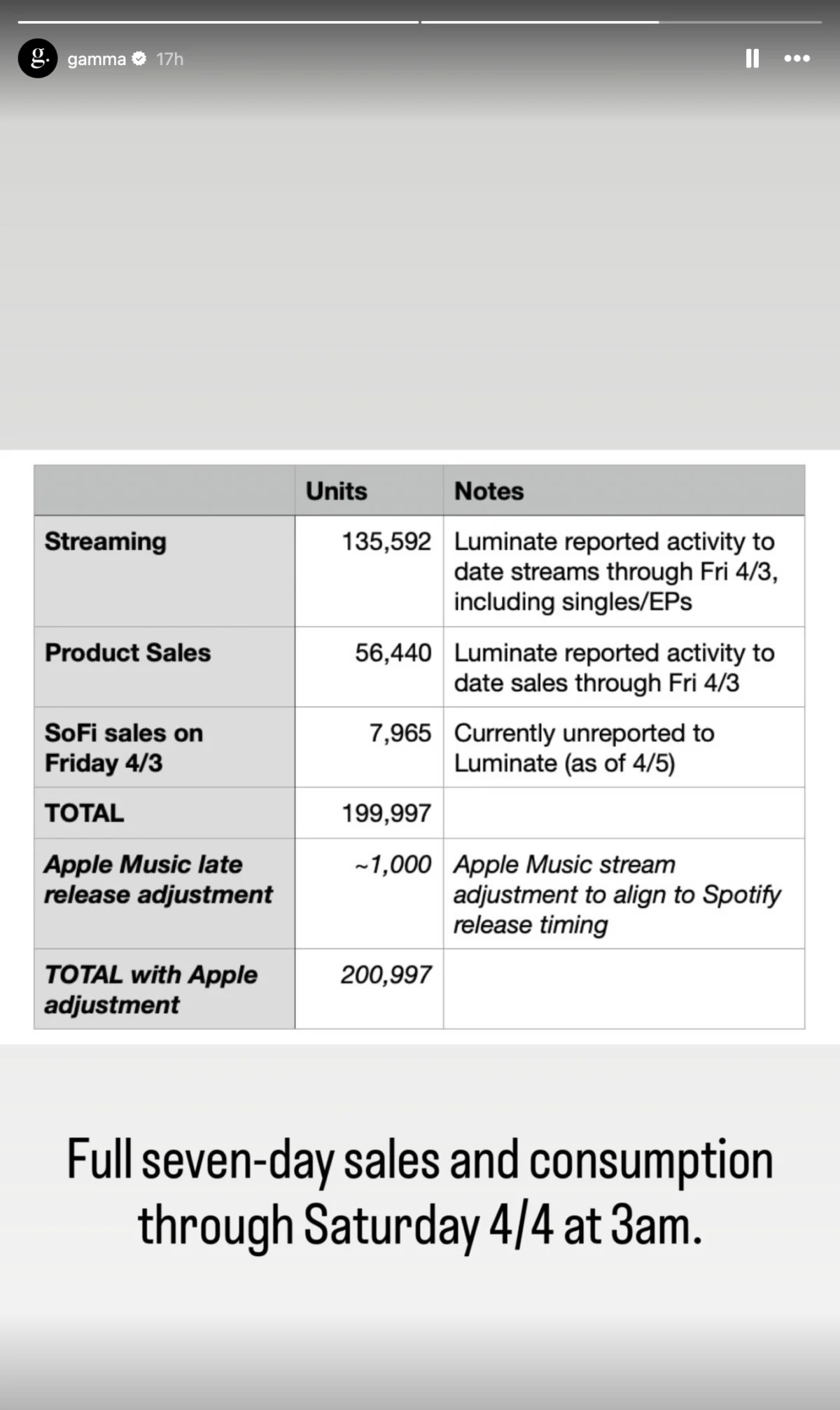
Kanye West’s latest studio album, Bully, has debuted amidst a whirlwind of controversy, securing the number two spot on the highly competitive Billboard 200 chart. The performance marks a significant moment in the artist’s career, not only for its commercial reception but also for the immediate dispute over its actual sales figures and the escalating public scrutiny surrounding West’s upcoming live performances. This multifaceted narrative underscores the complex interplay between artistic output, commercial metrics, and an artist’s public persona in the contemporary music landscape.
Chart Debut and the Battle for Number One
Bully entered the Billboard 200 at number two, accumulating 152,000 equivalent album units in its first week of release. This figure, meticulously tracked by Luminate (the independent data company powering Billboard’s charts), comprised a significant 96,000 units derived from streaming activity, translating to approximately 98.43 million on-demand official streams. Traditional album sales contributed the remaining 56,000 units, indicating a robust, albeit not dominant, physical and digital sales presence.
However, the coveted top spot eluded West, as K-Pop juggernaut BTS maintained its supremacy with their 10th album, ARIRANG. In its second week on the chart, ARIRANG garnered an impressive 187,000 equivalent units, showcasing remarkable staying power after an explosive debut week that saw it claim number one with 641,000 units. BTS’s continued chart dominance highlights the immense global appeal and dedicated fanbase of the South Korean septet, often referred to as the "BTS ARMY," whose organized purchasing and streaming efforts consistently propel their releases to commercial success.
For Kanye West, this number two debut carries historical weight. It concludes an extraordinary 21-year streak of solo albums topping the Billboard 200. Since his groundbreaking 2004 debut, The College Dropout, which similarly peaked at number two, every subsequent solo studio album released by West had achieved the pinnacle of the chart. This unbroken run cemented his status as a perennial chart-topper, a rare feat in an ever-changing industry. Albums like Late Registration (2005), Graduation (2007), 808s & Heartbreak (2008), My Beautiful Dark Twisted Fantasy (2010), Yeezus (2013), The Life of Pablo (2016), Ye (2018), and Donda (2021) all debuted at number one, showcasing his consistent commercial appeal and critical relevance across various stylistic shifts. The fact that Bully broke this impressive streak adds another layer of intrigue to its initial performance.
The Gamma. Contention: A Challenge to Official Data
Adding a significant wrinkle to the chart narrative, Gamma., the distribution company behind Bully, has publicly challenged Billboard’s reported figures. Founded by former Apple Music executive Larry Jackson, Gamma. asserted that Bully actually achieved a higher first-week total, claiming over 200,000 equivalent units. Specifically, through a "full seven-day sales and consumption" breakdown shared on its Instagram Stories, Gamma. posted a total of 200,997 units, a figure that, if accurate, would have been sufficient to dethrone BTS and secure the number one position for West.
This direct challenge from a distributor to an album’s official chart placement is an uncommon, though not unprecedented, occurrence in the music industry. Chart data integrity is paramount for Billboard and Luminate, which employ rigorous methodologies to compile and verify sales and streaming figures from various sources, including retailers, digital service providers, and physical distributors. Luminate’s system is designed to provide an impartial and comprehensive snapshot of music consumption in the United States. When discrepancies arise, they often stem from differing data aggregation periods, inclusion of certain pre-order bundles, or variations in how international sales or non-traditional distribution channels are accounted for.
As of the latest reports, neither Billboard nor Luminate have issued an official response to Gamma.’s claims. This silence is typical in such situations, as Luminate’s processes for data verification are proprietary and its role as the authoritative data provider for the charts requires careful consideration before addressing public challenges. Any official acknowledgment or investigation would have significant implications for chart credibility and industry transparency. The dispute highlights the intense competition for chart supremacy and the growing scrutiny over the precise metrics that define commercial success in the streaming era.
Kanye West’s Tumultuous Path to ‘Bully’
The release of Bully follows a period of intense public and professional upheaval for Kanye West, an artist whose career has been characterized by both groundbreaking musical innovation and recurrent, often self-inflicted, controversies. In recent years, West, who legally changed his name to Ye, has faced widespread condemnation for a series of antisemitic remarks, conspiracy theories, and inflammatory public statements. These comments, made across various platforms including social media, interviews, and public appearances, led to the termination of lucrative partnerships with major brands such as Adidas, Gap, and Balenciaga. His talent agency, CAA, also dropped him, and his music was reportedly pulled from certain platforms, though it largely remains available on major streaming services.
This period of isolation and professional fallout created an unprecedented backdrop for Bully‘s development and release. Unlike previous album cycles that often featured elaborate marketing campaigns orchestrated by major labels, Bully emerged with a more independent feel, distributed through Gamma. The album’s rollout included exclusive listening parties, notably two sold-out shows at Los Angeles’ SoFi Stadium, which served as both promotional events and a direct engagement with his loyal fanbase. These stadium events demonstrated West’s enduring ability to draw large crowds, signaling that despite the controversies, a significant segment of his audience remains dedicated.
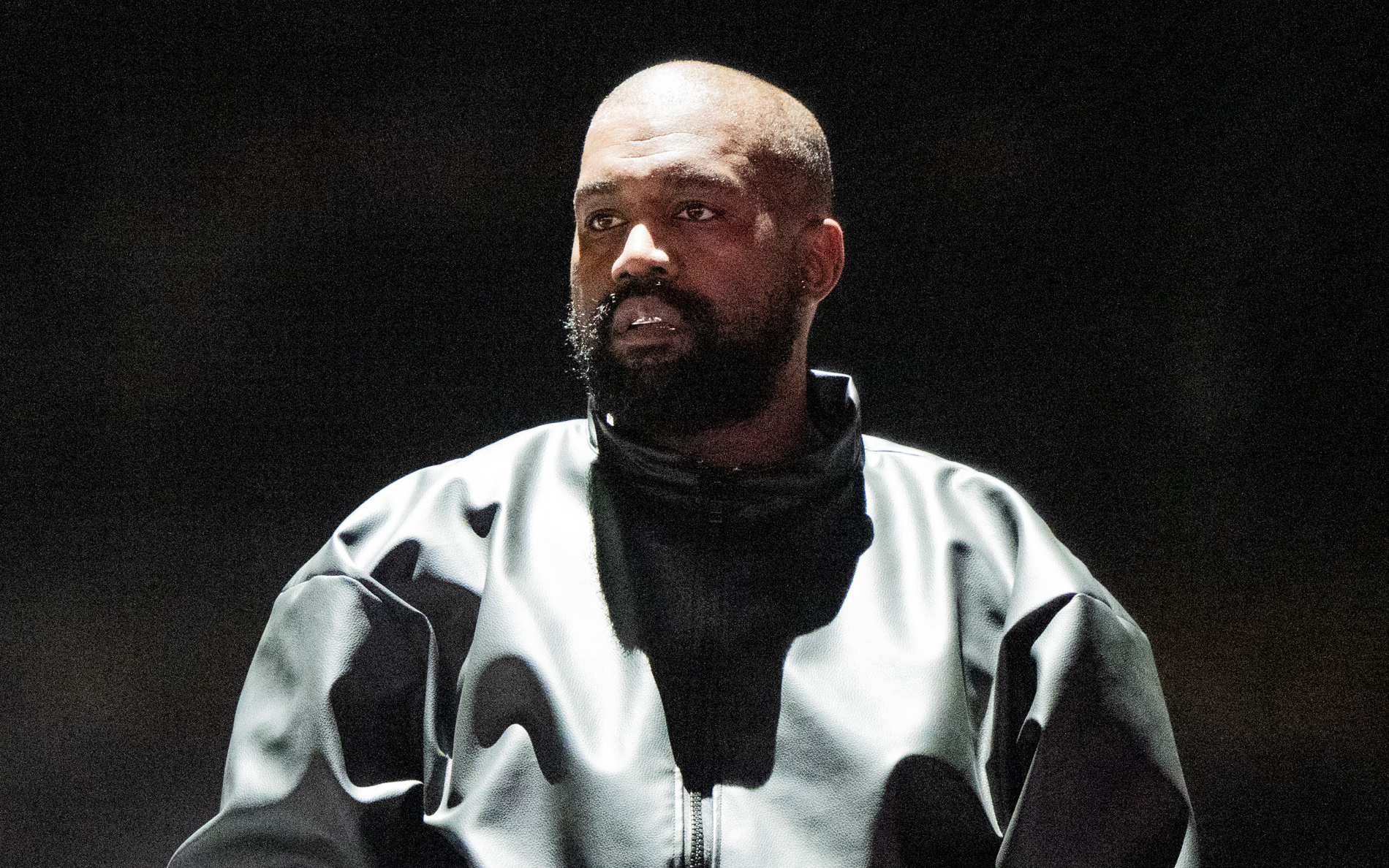
The lyrical content and themes within Bully are likely to be dissected for reflections of his recent experiences, public perception, and artistic responses to adversity. The album’s title itself, Bully, suggests a confrontational stance, either as the one being bullied or as an aggressor, mirroring the complex narrative surrounding West’s public persona. The decision by Gamma. to tease an upcoming "Bully deluxe" edition, without further details on release date or bonus tracks, indicates a strategic move to potentially capitalize on the initial buzz and perhaps push for a higher chart placement in subsequent weeks, leveraging additional content to re-engage listeners.
The Wireless Festival Controversy: A Test of Tolerance
Concurrent with the chart debate, Kanye West’s scheduled headlining performances at London’s Wireless Festival in July have ignited a separate, equally potent firestorm of criticism. West is slated to headline all three nights of the prominent festival, a booking that has drawn immense scrutiny due to his well-documented history of antisemitic rhetoric.
Wireless Festival, one of the UK’s largest music events, typically attracts tens of thousands of attendees and features a diverse lineup of popular artists. However, the decision to feature West as a headliner has prompted a fierce backlash from various sectors, including political figures, anti-hate organizations, and major corporate sponsors.
In recent days, several prominent sponsors have announced their withdrawal from the festival, signaling a significant blow to the event’s financial backing and public image. Beverages giant Pepsi, digital payment leader PayPal, and drinks conglomerate Diageo (known for brands like Guinness and Johnnie Walker) have all publicly distanced themselves from Wireless Festival, citing concerns over West’s past behavior. This exodus of sponsors underscores the increasing pressure on event organizers and brands to align with artists whose public conduct reflects ethical and inclusive values. The financial implications for Wireless Festival, potentially losing millions in sponsorship revenue, could be substantial, forcing organizers to re-evaluate future booking policies and risk assessments.
The controversy has also transcended the entertainment and commercial spheres, attracting the attention of senior political figures in the UK. Prime Minister Sir Keir Starmer voiced his "deep concern" over West’s booking, explicitly referencing the rapper’s "previous antisemitic remarks and celebration of Nazism." Similarly, London Mayor Sadiq Khan added his voice to the chorus of protest, emphasizing the importance of combating hate speech and protecting vulnerable communities. These statements from high-profile political leaders amplify the gravity of the situation, transforming it from a mere music festival scheduling issue into a broader debate about accountability, freedom of expression, and the responsibilities of cultural institutions.
West’s antisemitic comments, which gained notoriety in late 2022, included threats to go "death con 3 on Jewish people," praise for Adolf Hitler, and repeated propagation of antisemitic tropes across interviews and social media. These statements were widely condemned by Jewish organizations and public figures globally, leading to his effective cancellation by many corporate partners and a significant decline in his public approval ratings. The decision by Wireless Festival organizers to book an artist with such a recent and damaging history of hate speech raises questions about their due diligence, ethical considerations, and commitment to fostering an inclusive environment for all festival-goers and participants.
Broader Implications and the Road Ahead
The dual controversies surrounding Bully‘s chart performance and West’s Wireless Festival appearances underscore a pivotal moment in the artist’s career and have broader implications for the music industry. The chart dispute initiated by Gamma. highlights the evolving complexities of music consumption metrics and the potential for friction between distributors and official chart compilers. Should Gamma.’s claims lead to a formal review or a public dialogue, it could prompt a re-evaluation of data reporting standards and transparency, particularly as the industry continues to grapple with the nuances of streaming equivalents, bundle sales, and global reach.
For Kanye West, the path forward remains fraught with challenges. While his musical output continues to resonate with a dedicated fanbase, the commercial and reputational costs of his public controversies are undeniable. The loss of major brand partnerships and the withdrawal of sponsors from his live engagements illustrate a significant shift in how the industry and public are willing to tolerate controversial behavior, especially when it veers into hate speech. The success of his SoFi Stadium shows indicates a core audience that remains loyal, but the broader public and institutional acceptance appear to be diminishing.
The Wireless Festival saga, in particular, serves as a stark reminder of the ethical dilemmas faced by event organizers and promoters. Balancing artistic freedom with social responsibility, contractual obligations with public sentiment, and commercial viability with ethical considerations creates a challenging landscape. The precedent set by sponsors pulling out and political figures speaking against the booking could influence future decisions across the live music industry, potentially leading to more stringent vetting processes for artists with controversial public records.
As Bully continues its run on the charts and the Wireless Festival approaches, the narrative surrounding Kanye West remains as complex and polarizing as ever. His artistic endeavors continue to provoke discussion, but they are increasingly inseparable from the profound controversies that define his public image, forcing the industry and consumers alike to grapple with the multifaceted implications of supporting such a contentious figure. The coming weeks will likely reveal further developments on both the chart dispute and the festival protests, offering more insight into the long-term impact on West’s career and the evolving standards of the music entertainment world.