 Reynand Wu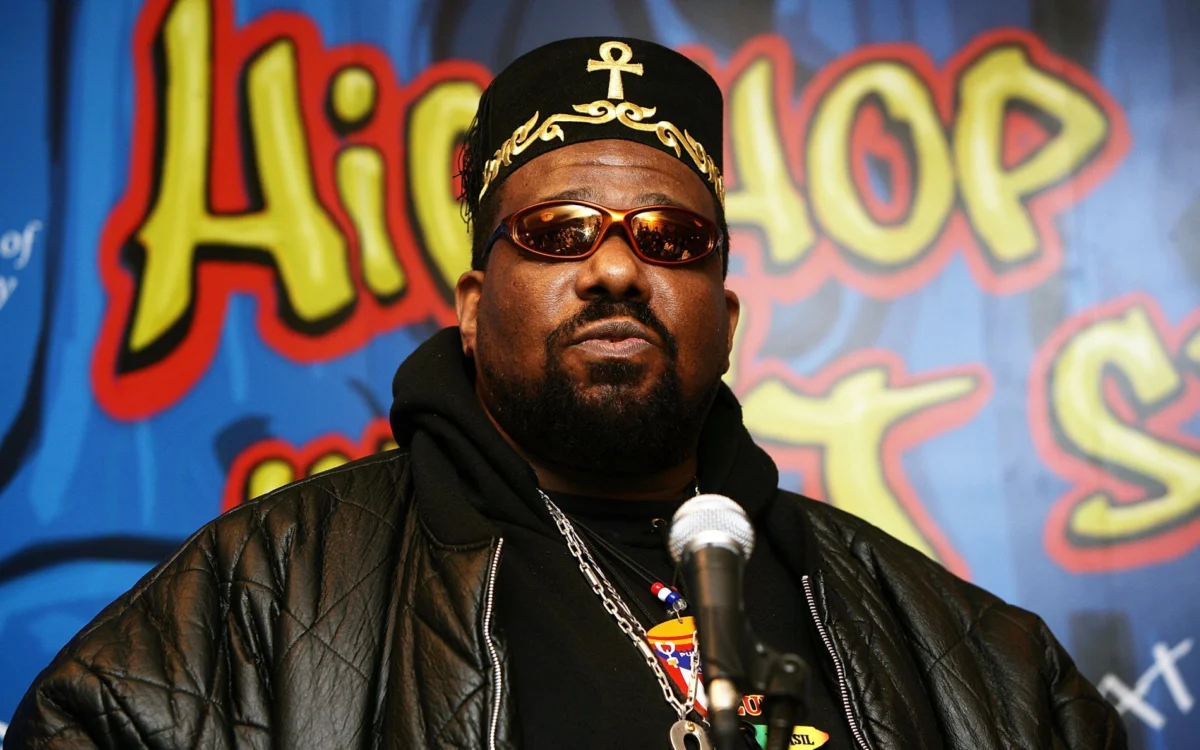
The visionary DJ, producer, and cultural architect, born Lance Taylor, passed away on Thursday, April 9, in Pennsylvania. His death was confirmed by his lawyer to the Associated Press, citing prostate cancer as the cause. Bambaataa’s passing marks the end of an era for a figure whose life embodied both the aspirational genesis of hip-hop and the darker, more troubling aspects that have since come to light. His death reignites complex conversations about how society grapples with the historical contributions of individuals whose personal conduct stands in stark contrast to their public achievements.
The Architect of a Global Movement: Afrika Bambaataa’s Enduring Influence
Born in 1957 in the heart of the South Bronx, New York, Lance Taylor emerged from a landscape of urban decay and gang violence that characterized the borough in the 1970s. Before he became the iconic Afrika Bambaataa, Taylor was involved with the Black Spades, one of the most prominent street gangs of the era. This firsthand experience with the destructive cycle of violence and disunity profoundly influenced his later vision for peace and positive expression.
Inspired by the burgeoning DJ culture pioneered by figures like DJ Kool Herc, Taylor began hosting parties in the Bronx, transforming his experiences into a mission. He adopted the moniker Afrika Bambaataa Aasim, drawing inspiration from a 19th-century Zulu chief, Bhambatha, who led a rebellion against oppressive British rule. This new identity signaled a commitment to cultural upliftment and self-determination.
In the mid-1970s, Bambaataa founded the Universal Zulu Nation, an organization initially conceived as a reformed street gang, evolving into an international hip-hop awareness group and socio-political movement. Its core philosophy revolved around "Peace, Love, Unity, and Having Fun," providing an alternative to gang life through music, dance, art, and knowledge. The Zulu Nation became instrumental in codifying and promoting what Bambaataa famously articulated as the four fundamental elements of hip-hop culture: DJing (turntablism), MCing (rapping), B-boying/B-girling (breakdancing), and graffiti art. This framework provided a structured identity for a nascent cultural phenomenon, transforming disparate creative expressions into a cohesive global movement.
Bambaataa’s role extended beyond cultural organization; he was a sonic innovator. His DJ sets were legendary, drawing from an eclectic palette of genres that included funk, soul, rock, disco, and early electronic music. He pioneered the "breakbeat" style, isolating and looping rhythmic sections of records, providing the foundational loops for MCs and B-boys. This technique, combined with his visionary selections, laid the groundwork for hip-hop production.
His most celebrated musical contribution came in 1982 with the release of "Planet Rock," a collaboration with his group the Soulsonic Force. The track was a revelation, fusing elements of funk, electro, and groundbreaking synthesized sounds, notably sampling German electronic pioneers Kraftwerk’s "Trans-Europe Express" and "Numbers." "Planet Rock" was not merely a hit, cracking the Top 50 of the Billboard Hot 100; it was a watershed moment that dramatically expanded hip-hop’s sonic landscape. It became a blueprint for electro-rap, new wave, and dance-pop, influencing countless artists across genres and continents, from early techno and house music producers to mainstream pop acts. Its futuristic sound and rhythmic innovation solidified Bambaataa’s reputation as a genre-bending visionary, truly earning him the title of "Godfather of Electro Funk."
Alongside DJ Kool Herc, credited with isolating the breakbeat, and Grandmaster Flash, renowned for his technical DJ prowess, Afrika Bambaataa is universally acknowledged as one of hip-hop’s triumvirate founding fathers. Their collective innovations laid the essential cultural, social, and musical foundations for hip-hop to evolve from a localized Bronx phenomenon into arguably the most globally influential cultural movement of the past five decades.
A Shadowed Legacy: The Sexual Abuse Allegations
Despite his monumental contributions, Bambaataa’s final years and posthumous legacy are inextricably linked to a series of severe sexual abuse allegations that surfaced publicly in 2016. These accusations cast a long, dark shadow over his celebrated career, forcing a painful re-evaluation of his place in history.
Chronology of Allegations and Legal Proceedings:
- March 2016: The first public accusation came from Ronald Savage, who alleged that Bambaataa had sexually abused him multiple times in the 1980s when Savage was a young teenager. Savage, a former member of the Zulu Nation, stated he was 15 at the time of the alleged abuse. His coming forward sent shockwaves through the hip-hop community, forcing many to confront deeply uncomfortable truths about one of their most revered figures.
- Initial Reactions and Denials: Following Savage’s allegations, Afrika Bambaataa issued strong denials, calling the claims "baseless and ludicrous" and attributing them to a smear campaign. The Universal Zulu Nation initially stood by its founder, though the accusations led to internal strife, resignations of prominent members, and a fracturing within the organization as some distanced themselves from Bambaataa.
- Subsequent Accusers: In the months following Savage’s revelation, several other men came forward with similar allegations, recounting incidents of sexual abuse by Bambaataa during their teenage years. These additional claims, though varying in detail and specific timeline, established a disturbing pattern of alleged predatory behavior, lending gravity to Savage’s initial account.
- Ronald Savage’s Retraction/Revision (2024): In a significant and complex development, Ronald Savage, in an interview in 2024, appeared to walk back or significantly revise his initial claims. He stated to AllHipHop, "Bambaataa is not a pedophile and, in my eyes, he was doing something that was consensual with someone that he thought was of age." This statement introduced a layer of ambiguity, yet it does not negate the legal or ethical implications of alleged acts involving a minor, regardless of the perpetrator’s perception of age or consent. Age of consent laws, typically 16 or 17 in New York during the 1980s, mean that even if Bambaataa believed Savage was "of age," if he was under the legal age, the act would still be considered statutory rape.
- 2021 Civil Lawsuit: Despite Savage’s later statements, the legal ramifications for Bambaataa continued. In 2021, an anonymous plaintiff, identified only as John Doe, filed a civil lawsuit against Bambaataa. The lawsuit alleged that Bambaataa had sexually abused and trafficked him for a period of four years, beginning in 1991 when the plaintiff was 12 years old and Bambaataa was in his 30s. This accusation of "trafficking" added an even more severe dimension to the existing allegations, implying exploitation beyond individual acts of abuse.
- 2025 Default Judgment: Afrika Bambaataa failed to respond to the 2021 lawsuit and did not appear in court to defend himself. As a result, in 2025, a judge issued a default judgment against him. This legal outcome means that the court found Bambaataa liable for the alleged abuse and trafficking by default, due to his failure to engage in the legal process. The alleged victim was subsequently awarded a monetary judgment, though the actual collection of such funds can be a protracted and challenging process, especially against individuals with limited declared assets.
Industry Reactions and Broader Implications
The news of Bambaataa’s death, coupled with his controversial past, elicited carefully worded responses from within the hip-hop community. Kurtis Blow, executive director of the Hip Hop Alliance and a contemporary of Bambaataa, issued a statement that encapsulated the prevailing sentiment of many: "Today, we acknowledge the transition of a foundational architect of Hip Hop culture, Afrika Bambaataa. [He] helped shape the early identity of Hip Hop as a global movement rooted in peace, unity, love, and having fun. His vision transformed the Bronx into the birthplace of a culture that now reaches every corner of the world… At the same time, we recognize that his legacy is complex and has been the subject of serious conversations within our community."
This statement reflects the profound dichotomy at the heart of Bambaataa’s legacy. On one hand, an undeniable cultural titan whose innovations directly led to the birth and global proliferation of hip-hop. On the other, an individual accused of heinous acts against minors, with a civil court judgment against him.
His death, while ending any potential for criminal prosecution, does not erase the civil judgment or the persistent questions surrounding the allegations. It forces the hip-hop community, and indeed broader society, to confront how it memorializes figures whose artistic genius is intertwined with deeply troubling moral failings. The "separate the art from the artist" debate gains renewed intensity, as Bambaataa’s very identity as a "godfather" is now inseparable from the accusations.
For victims of abuse, Bambaataa’s case underscores the immense courage required to come forward, often years after the alleged incidents. It also highlights the protracted and often unsatisfying nature of justice, particularly when allegations are met with denials, silence, or legal maneuvers. The default judgment, while a legal victory for the anonymous plaintiff, is a stark reminder of the long-term impact of such trauma.
Afrika Bambaataa’s passing leaves an indelible mark on music history, cementing his place as an unparalleled innovator whose vision transformed a subculture into a worldwide phenomenon. Yet, his legacy will forever be viewed through the dual lens of his foundational contributions to hip-hop and the disturbing allegations of sexual abuse that emerged in his later years. This complexity ensures that his name will continue to evoke both profound reverence and deep discomfort, serving as a powerful, albeit tragic, case study in the intricate relationship between genius, influence, and personal accountability.