Reynand Wu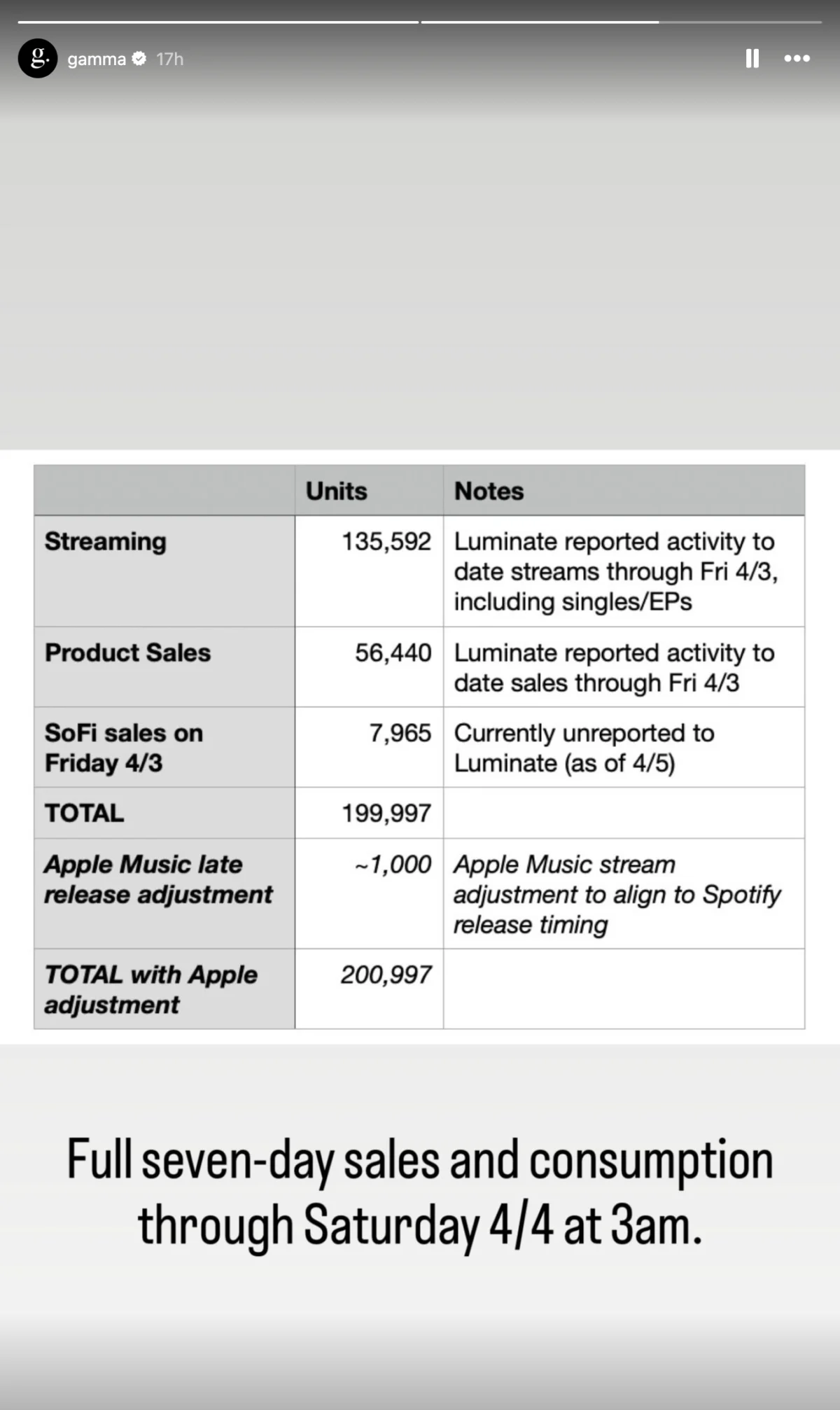
Kanye West’s latest album, Bully, has entered the Billboard 200 at number two, marking a significant moment in the artist’s illustrious career as it breaks a remarkable two-decade streak of solo albums topping the chart. The debut, while commercially robust, is overshadowed by a data dispute with the chart compilers and intense scrutiny surrounding West’s upcoming live performances due to his past controversial remarks.
The album, released amidst a whirlwind of public discourse and anticipation, garnered 152,000 equivalent album units in its first week, according to Billboard. This figure comprises 96,000 units from streaming, translating to an impressive 98.43 million on-demand official streams, and 56,000 units from traditional album sales. Despite these strong numbers, Bully was denied the coveted top spot by K-Pop sensation BTS, whose tenth album, ARIRANG, secured number one in its second week on the chart, accumulating 187,000 equivalent units. ARIRANG had previously debuted atop the Billboard 200 with a staggering 641,000 units.
This number two debut for Bully is particularly noteworthy as it concludes Kanye West’s unparalleled 21-year run of solo albums reaching number one. Since his 2004 debut, The College Dropout, which also peaked at number two, every subsequent solo studio album released by West had successfully claimed the top position on the Billboard 200. This lengthy streak underscored his consistent commercial dominance and artistic impact within the music industry. The last time a solo Kanye West project missed the top spot was with his critically acclaimed debut, making Bully only the second solo LP in his extensive discography to do so.
The Gamma. Dispute: A Challenge to Chart Authority
However, the reported chart performance of Bully has become a point of contention. Gamma., the distribution company founded by former Apple Music executive Larry Jackson, which handled the album’s release, has openly disputed Billboard‘s figures. Gamma. claims that Bully actually achieved over 200,000 equivalent units in its inaugural week. This figure, if accurate, would have been sufficient to surpass BTS’s ARIRANG and secure the number one position for West’s album.
In a move to substantiate its claims, Gamma. posted a detailed "full seven-day sales and consumption" breakdown on its Instagram Stories, asserting that Bully generated a total of 200,997 units. This direct challenge to Billboard‘s widely accepted data system has ignited a discussion within the industry regarding chart transparency and reporting methodologies. As of the latest reports, neither Billboard nor Luminate, the independent data company responsible for powering the Billboard charts, has issued a formal response to Gamma.’s allegations.
The discrepancy raises questions about the intricate process of data collection and aggregation in the modern music industry. Billboard charts are compiled using a complex methodology that synthesizes various metrics, including physical album sales, digital album sales, track equivalent albums (TEA), and streaming equivalent albums (SEA). These calculations are often subject to specific rules regarding bundles, international sales, and the timing of data submission. Any variation in how these elements are processed or reported by different entities could lead to the kind of discrepancy observed between Gamma.’s figures and Billboard‘s official tally. This situation highlights the critical role of data integrity and the potential for disputes in an era where chart positions are not only prestige markers but also significant commercial drivers for artists and labels.
Album Expansion and Future Releases
Despite the initial chart position and ongoing data dispute, the creative output for Bully appears to be far from complete. The album, in its current form, already features a substantial 18 tracks. However, Gamma. has hinted at further material, teasing an upcoming expanded edition. In a separate Instagram Story, the company cryptically wrote: "Bully deluxe on the way."
This strategy of releasing deluxe or expanded editions after an initial album launch is a common tactic in the music industry. It allows artists to extend the album’s lifespan on the charts, generate renewed interest, and provide additional content for fans. The release of bonus tracks can also contribute to a second wave of streaming and sales, potentially impacting the album’s cumulative chart performance over time. Details regarding the release date for the Bully deluxe edition or the number of additional songs it will feature have not yet been announced, leaving fans to speculate about the forthcoming content.
The Wireless Festival Controversy: A Test of Accountability
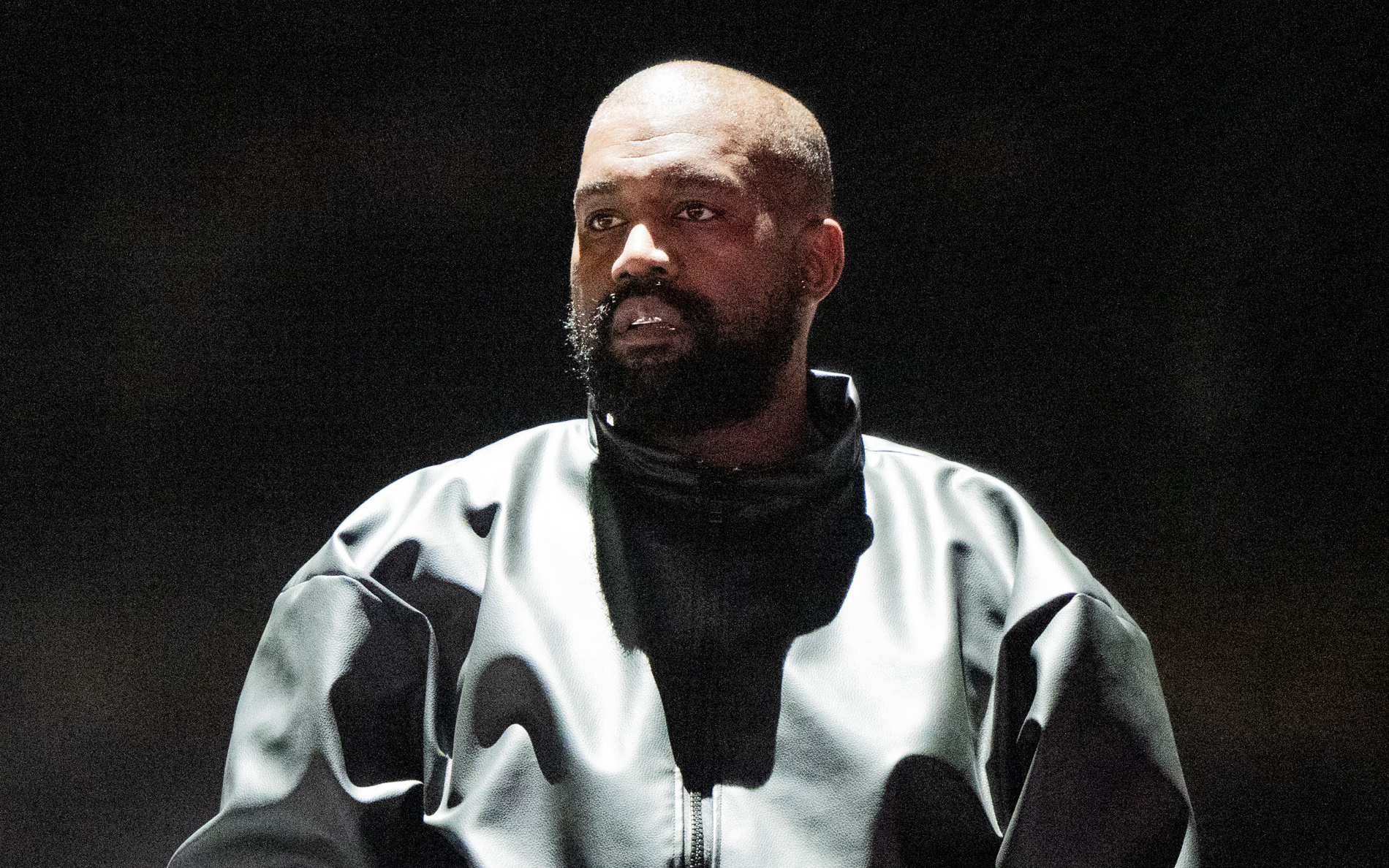
Parallel to the album’s commercial performance and chart dispute, Kanye West continues to face significant public and industry backlash concerning his announced headlining sets at London’s Wireless Festival in July. These performances are drawing intense scrutiny due to West’s documented history of antisemitic remarks and controversial public statements.
In recent years, Kanye West, also known as Ye, has engaged in a series of public incidents that have been widely condemned as antisemitic. These include comments made during interviews, social media posts, and public appearances where he propagated antisemitic conspiracy theories, made disparaging remarks about Jewish people, and expressed admiration for figures associated with Nazism. These statements led to the termination of lucrative partnerships with major brands such as Adidas, Gap, and Balenciaga, resulting in significant financial and reputational damage to the artist. His remarks also prompted widespread condemnation from civil rights organizations, public figures, and Jewish advocacy groups globally.
The decision by Wireless Festival organizers to book West as a headliner has, therefore, ignited a fierce public debate regarding accountability, artistic freedom, and the responsibilities of cultural institutions. The backlash has been swift and substantial. A number of major corporate sponsors have pulled out of the festival, underscoring the severe reputational risks associated with associating with controversial figures. Among the prominent companies that have withdrawn their sponsorship are Pepsi, PayPal, and the global drinks giant Diageo. These withdrawals highlight the increasing sensitivity of corporations to public sentiment and their commitment to maintaining an image of social responsibility.
The controversy has also attracted attention from high-profile political figures in the United Kingdom. Prime Minister Sir Keir Starmer voiced his concerns, stating it was "deeply concerning" that the controversial rapper had been booked to perform "despite his previous antisemitic remarks and celebration of Nazism." Similarly, London Mayor Sadiq Khan also expressed his protest against the move, emphasizing the importance of combating antisemitism and ensuring that platforms are not provided to individuals who promote hate speech. Their statements reflect the broader societal concern that artistic platforms should not inadvertently normalize or legitimize hateful ideologies.
Despite these widespread condemnations and commercial setbacks, West has demonstrated a continued ability to draw large audiences. Prior to the Wireless Festival controversy, he recently performed two sold-out shows at Los Angeles’ SoFi Stadium in support of Bully, indicating a resilient fan base. However, the Wireless Festival situation presents a unique challenge, as it involves an international stage and a heightened level of political and corporate scrutiny. West is currently scheduled to headline all three nights of the Wireless Festival, a commitment that remains under intense public and industry observation.
Broader Implications for the Music Industry
The multifaceted narrative surrounding Kanye West’s Bully – from its chart debut and the subsequent data dispute to the significant controversy surrounding his festival appearances – encapsulates several critical trends and challenges facing the contemporary music industry.
Firstly, the Gamma. dispute with Billboard highlights the evolving landscape of music consumption and the complexities of accurate data aggregation in the streaming era. As streaming becomes the dominant mode of music consumption, the precise methodologies for converting streams into equivalent album units are under constant review and can be a source of contention. Such disputes underscore the need for transparent, verifiable, and universally accepted standards for chart compilation, crucial for maintaining the credibility of industry benchmarks. The outcome of this particular dispute could potentially influence future reporting practices and the relationship between distributors, artists, and chart authorities.
Secondly, the Wireless Festival controversy serves as a stark reminder of the increasing scrutiny artists face regarding their public conduct and its direct impact on their commercial viability and performance opportunities. In an interconnected world, artists’ personal views and actions are often inseparable from their public persona and brand. Major festivals and corporate sponsors are increasingly pressured to align with ethical standards and distance themselves from individuals whose past actions or statements are perceived as promoting hate or division. This situation forces a critical examination of the balance between artistic freedom and social responsibility, and the economic consequences for artists who cross established ethical boundaries. The decision by sponsors to withdraw and the public condemnation from political leaders indicate a growing intolerance for hate speech, even when delivered by globally recognized cultural figures.
Finally, the resilience of Kanye West’s fan base, as evidenced by his sold-out stadium shows, juxtaposed with the significant corporate and political pushback, illustrates the complex and often contradictory nature of public reception in the digital age. While a dedicated core audience may continue to support an artist regardless of controversy, mainstream platforms and corporate partners are increasingly unwilling to bear the reputational risks. This dynamic shapes booking decisions for festivals, endorsement deals, and the overall commercial trajectory of artists operating in the public eye.
In conclusion, Bully‘s debut at number two, ending Kanye West’s remarkable run of chart-topping solo albums, is more than just a statistical anomaly. It is a symptom of a larger, more intricate narrative involving challenges to established chart authorities, the persistent shadow of an artist’s controversial past, and the broader implications for accountability and ethics within the entertainment industry. As the dust settles on the chart numbers and the debate around his festival appearances continues, Kanye West remains a figure at the epicenter of commercial success, data disputes, and profound societal controversy, embodying the complex intersection of art, commerce, and public responsibility in the 21st century.