Jia Lissa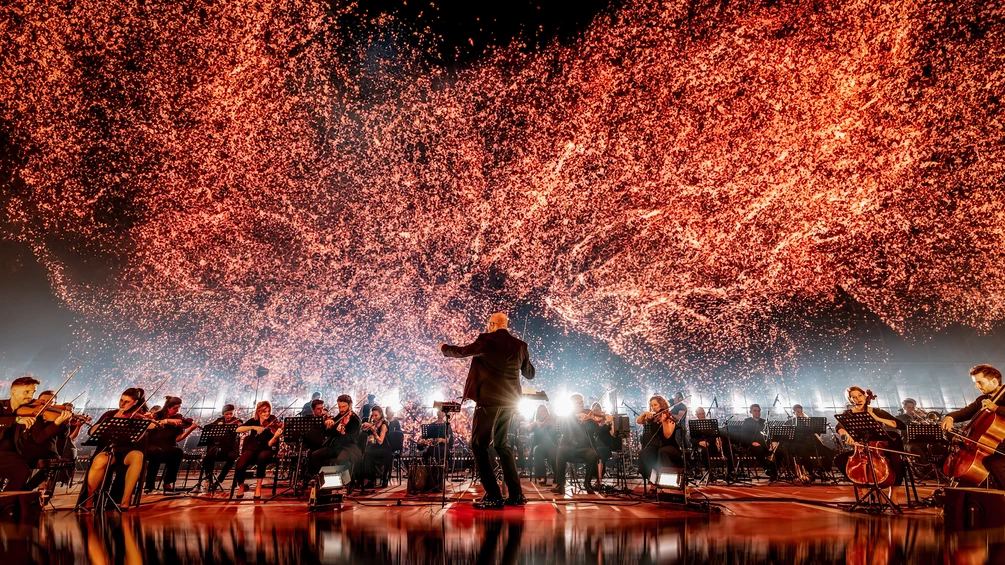
Boom, Belgium – In a remarkable display of musical innovation and cross-genre artistry, Tomorrowland’s acclaimed Symphony of Unity orchestra delivered a captivating performance on the iconic Freedom Stage this afternoon, Saturday, July 18th, 2026. The 60-piece ensemble, celebrated for its unique ability to bridge the worlds of classical and electronic dance music, enthralled thousands with an hour-long set that featured a classical rendition of Faithless’ legendary track ‘Insomnia,’ among other seminal electronic anthems. This extraordinary performance marked a pivotal moment in the festival’s opening weekend, underscoring Tomorrowland’s commitment to pushing the boundaries of live music experiences.
The Genesis of a Unique Musical Vision
The Symphony of Unity is not merely a novelty act but a meticulously crafted artistic endeavor that has become an integral part of the Tomorrowland experience. Conceived several years ago, the orchestra’s mission has consistently been to reinterpret the most beloved tracks from electronic music history through the intricate lens of classical instrumentation. This audacious concept was born from a desire to offer festival-goers a multi-sensory journey, transforming familiar beats and melodies into grand, orchestral narratives that resonate on a deeper emotional level. Its formation brought together some of Belgium’s finest classical musicians, united by a shared passion for both symphonic music and the electrifying energy of EDM. The orchestra’s consistent presence at Tomorrowland highlights the festival’s evolving identity, moving beyond conventional DJ sets to embrace broader artistic expressions. Their performances are often cited by attendees as some of the most memorable and emotionally impactful moments of the entire festival, attracting a diverse audience from seasoned ravers to classical music aficionados curious about the fusion.
A Sonic Tapestry: The Afternoon Performance Unveiled
The afternoon set on the Freedom Stage was a masterclass in musical alchemy. As the sun cast long shadows across the festival grounds, the Symphony of Unity took to the stage, transforming the colossal structure – typically reserved for the most cutting-edge electronic acts – into an amphitheater for symphonic grandeur. The choice of Faithless’ ‘Insomnia’ as a centerpiece was particularly poignant. Originally released in 1995, ‘Insomnia’ is a cornerstone of trance and progressive house, instantly recognizable by its driving rhythm, iconic synth melody, and lyrical depth. The orchestra’s rendition stripped away the electronic elements, replacing them with lush string arrangements, powerful brass sections, and dynamic percussion that recreated the track’s inherent drama and emotional intensity. The familiar build-ups swelled with classical precision, leading to breathtaking crescendos that elicited thunderous applause and widespread admiration from the vast crowd. Many attendees described the experience as transformative, a rare moment of introspection and awe amidst the usual high-octane energy of the festival. Clips of the performance quickly circulated across social media platforms, garnering millions of views and reinforcing the orchestra’s global appeal and critical acclaim. The performance was meticulously rehearsed, with conductor Kevin Houben at the helm, guiding the 60 musicians through complex arrangements that respected the original tracks while infusing them with new life.
The Full Repertoire: A Journey Through EDM History
Beyond ‘Insomnia,’ the Symphony of Unity’s hour-long set was a curated journey through the annals of electronic dance music, showcasing the melodic richness and structural complexity of tracks that have defined generations. Each selection was a testament to the orchestra’s ability to reinterpret and elevate, demonstrating that the emotional core of these electronic anthems transcends their original sonic palettes.
Among the other iconic tracks given the symphonic treatment were:
- Energy 52’s ‘Café del Mar’: A quintessential Balearic trance anthem from 1993, known for its evocative melodies and serene atmosphere. The orchestral interpretation likely emphasized its sweeping, atmospheric qualities, with strings carrying the melancholic main theme and woodwinds adding texture, transporting listeners to the sunset shores of Ibiza. The transition from its original electronic texture to a full orchestral sound highlighted its timeless beauty and melodic genius, proving its enduring appeal.
- David Guetta and Sia’s ‘Titanium’: A global pop-EDM phenomenon from 2011, celebrated for its soaring vocals and anthemic chorus. The orchestra’s rendition would have amplified Sia’s powerful vocal lines through robust brass and soaring strings, giving the already emotionally charged track an even more epic and cinematic feel. The interplay between the original’s pop sensibility and the classical instrumentation created a powerful, uplifting experience that resonated deeply with the crowd.
- Eric Prydz’s ‘Generate’: A more recent progressive house track from 2015, known for its intricate arpeggios and hypnotic, evolving soundscapes. An orchestral version would have allowed for a detailed exploration of its layered melodies and rhythmic complexities, with different instrument sections taking on the various synth lines, building a rich, immersive sound that showcased the track’s sophisticated production.
- ‘Reload’ by Sebastian Ingrosso, Tommy Trash, and John Martin: A high-energy progressive house hit from 2012, famous for its powerful builds and euphoric drops. The orchestra would have masterfully recreated these dynamics, using a full spectrum of orchestral sounds to build tension and release, transforming the electronic energy into an explosive symphonic climax. The precision of the 60-piece ensemble brought a new level of grandeur to the track’s inherent drama.
- Swedish House Mafia tracks, including ‘Don’t You Worry Child’ and ‘Ray Of Solar’: These global hits from the legendary Swedish trio represent the pinnacle of progressive house anthems. ‘Don’t You Worry Child’ (2012), with its powerful vocals and uplifting message, would have been imbued with even greater emotional depth through orchestral arrangements, while ‘Ray Of Solar’ (2023) would have showcased the orchestra’s ability to adapt to more contemporary electronic sounds, highlighting its intricate melodic structure and feel-good energy. These selections underlined the orchestra’s commitment to showcasing both classic and modern electronic masterpieces.
The careful selection of these tracks, spanning different eras and sub-genres of EDM, demonstrates the Symphony of Unity’s deep understanding and respect for the electronic music canon. Each piece was chosen not just for its popularity, but for its inherent musicality and potential for orchestral reinterpretation, offering a fresh perspective on beloved classics.
"Orchestral Selection I": A Studio Masterpiece
The live performances at Tomorrowland are further complemented by the Symphony of Unity’s studio work. Earlier this year, the orchestra released its highly anticipated debut album, ‘Orchestral Selection I.’ This album serves as a definitive collection of orchestral reinterpretations of dance music classics that have become staples of the ensemble’s acclaimed performances. The album was met with widespread critical acclaim, lauded for its meticulous arrangements, pristine production, and the sheer artistry involved in translating electronic textures into acoustic brilliance.
Conductor Kevin Houben, the visionary behind the Symphony of Unity, shared his profound sentiments regarding the album’s release: "This album celebrates the music itself, the friendships within the orchestra and the team behind it, and the shared passion that allows these iconic tracks to be experienced in a completely new way." Houben’s statement encapsulates the core philosophy of the Symphony of Unity – it is a project driven by genuine love for music in all its forms, fostering collaboration and creativity to present familiar sounds in an entirely novel context. The album offers listeners a chance to experience these reimagined tracks with the fidelity and depth that only a studio recording can provide, allowing for a deeper appreciation of the intricate arrangements and the musicians’ virtuosity. It also acts as a testament to the enduring power of these electronic compositions, proving their melodic strength holds up even when stripped of their electronic foundations.
Tomorrowland’s Enduring Appeal and Festival Chronology
The Symphony of Unity’s performance is just one facet of the colossal Tomorrowland 2026 experience. The festival, held in Boom, Belgium, is globally renowned as one of the most prestigious and immersive electronic music events. Kicking off yesterday, Friday, July 17th, the opening weekend continues today with an unparalleled lineup of international DJs and producers gracing its multiple, intricately designed stages. The festival grounds, transformed into a fantastical realm, host hundreds of thousands of attendees from every corner of the globe, embodying its mantra of "Live Today, Love Tomorrow, Unite Forever."
The Symphony of Unity orchestra is scheduled to return to the Freedom Stage later this evening, Saturday, July 18th, for its second performance of the opening weekend, a testament to its popularity and the demand for its unique sound. This second showing ensures that even more festival-goers will have the opportunity to witness this groundbreaking fusion.
Alongside the orchestral spectacle, Saturday’s lineup boasts an array of electronic music titans, ensuring a diverse sonic landscape for all attendees. Among the headliners and prominent acts performing throughout the day are:
- David Guetta: The French superstar, known for his global hits and energetic sets.
- Armin van Buuren: The undisputed king of trance, delivering his signature uplifting sounds.
- Amelie Lens: A leading figure in techno, bringing her powerful and hypnotic beats.
- Indira Paganotto: The rising star known for her high-energy sets.
- Ben Hemsley: A vibrant presence in the house and techno scene.
- Lost Frequencies: The Belgian DJ known for his melodic deep house.
- Reinier Zonneveld (Live): Delivering an electrifying live techno performance.
- Steve Aoki: The high-octane DJ and producer famous for his stage theatrics.
This diverse roster exemplifies Tomorrowland’s commitment to showcasing the full spectrum of electronic music, from mainstream anthems to underground techno, ensuring there is something for every taste. The festival’s meticulous planning and dedication to providing a holistic, immersive experience solidifies its reputation as a global leader in the festival circuit.
Broader Implications: Redefining Live Music Experiences
The continued success and evolution of the Symphony of Unity at Tomorrowland carry significant implications for the broader music industry. This unique fusion of classical and electronic music is more than just a passing trend; it represents a growing movement that challenges traditional genre boundaries and expands the possibilities of live performance.
One of the most significant impacts is the democratization of classical music. By performing arrangements of popular EDM tracks, the orchestra introduces symphonic sounds to an audience that might not typically attend a classical concert hall. This exposure can foster a new appreciation for orchestral music, breaking down perceived barriers of elitism and making it more accessible to younger generations. Conversely, it also allows classical music enthusiasts to engage with electronic music in a refined, structured manner, highlighting the melodic and harmonic sophistication often present in EDM compositions.
Furthermore, this genre-bending approach enriches the festival experience itself. In an era where music festivals are constantly seeking ways to innovate and differentiate themselves, acts like the Symphony of Unity offer a moment of unexpected beauty and grandeur. They provide a counterpoint to the relentless energy of DJ sets, allowing for moments of reflection and collective emotional release, thereby enhancing the overall narrative and emotional arc of the festival.
The success of ‘Orchestral Selection I’ also indicates a growing market for hybrid musical forms. This suggests that listeners are increasingly open to exploring new sonic territories and appreciating the artistic merit in cross-genre collaborations. It encourages producers and composers to think beyond traditional confines, potentially leading to a new wave of innovative music that blends acoustic and electronic elements seamlessly.
Ultimately, Tomorrowland’s embrace of the Symphony of Unity exemplifies its role as a cultural incubator and trendsetter in the global music scene. By continuously pushing artistic boundaries and fostering unique collaborations, Tomorrowland not only provides unparalleled entertainment but also contributes to the evolution of how music is created, performed, and experienced. The orchestra’s performances are a testament to the idea that music, in its purest form, knows no genre, only emotion and connection.
As Tomorrowland 2026 continues its exhilarating opening weekend, the Symphony of Unity stands as a powerful symbol of unity, not just among people, but between disparate musical worlds, proving that innovation and tradition can harmoniously coexist to create truly unforgettable moments. The reverberations of their classical ‘Insomnia’ will undoubtedly resonate throughout the festival and beyond, inspiring future generations of artists and audiences alike.