Kholidah
The Viral Emergence of Athena and the Rebranding of FIFTY FIFTY
Athena’s rise to prominence is inextricably linked to the high-stakes rebranding of FIFTY FIFTY. Following the global success of the single "Cupid" and the subsequent legal disputes between the group’s original members and their agency, ATTRAKT, the label embarked on a mission to revitalize the brand with a new lineup. Athena was introduced as a key component of this second generation, alongside returning member Keena and new additions Chanelle Moon, Hana, and Yewon. Even before her official debut performances, Athena garnered substantial domestic and international attention for her aesthetic appeal, with various media outlets and fan communities labeling her a "visual goddess."
The "visual" position in K-pop is a formal role often assigned to members whose appearance aligns with contemporary beauty standards, serving as a primary point of attraction for brand endorsements and public interest. Athena’s rapid ascent in popularity set the stage for high expectations regarding her content. However, this heightened visibility also placed her under a microscope, where every promotional choice is analyzed by fans, critics, and industry observers alike.

Analysis of the Controversial TikTok Content
The specific incident centered on a TikTok video posted to the official @we_fiftyfifty account. In the clip, Athena is seen dancing to a rhythmic track while wearing a form-fitting white T-shirt. The choreography, while standard for the platform’s trending dance challenges, emphasized her silhouette, leading to immediate and polarized reactions within the comments section and across various social media platforms such as X (formerly Twitter) and Reddit.
The video was captioned with references to a T1 esports match, suggesting a promotional tie-in or a casual "outfit of the day" (OOTD) post intended to humanize the idol and connect with a broader youth demographic. Within hours, the post became a focal point for discussion, with the metrics indicating a surge in engagement that far outpaced the group’s more traditional promotional videos. This spike in data suggests that "bold" content remains a powerful, albeit controversial, tool for driving algorithm-based visibility in a saturated digital market.
The Core of the Debate: Marketing Strategy vs. Personal Autonomy
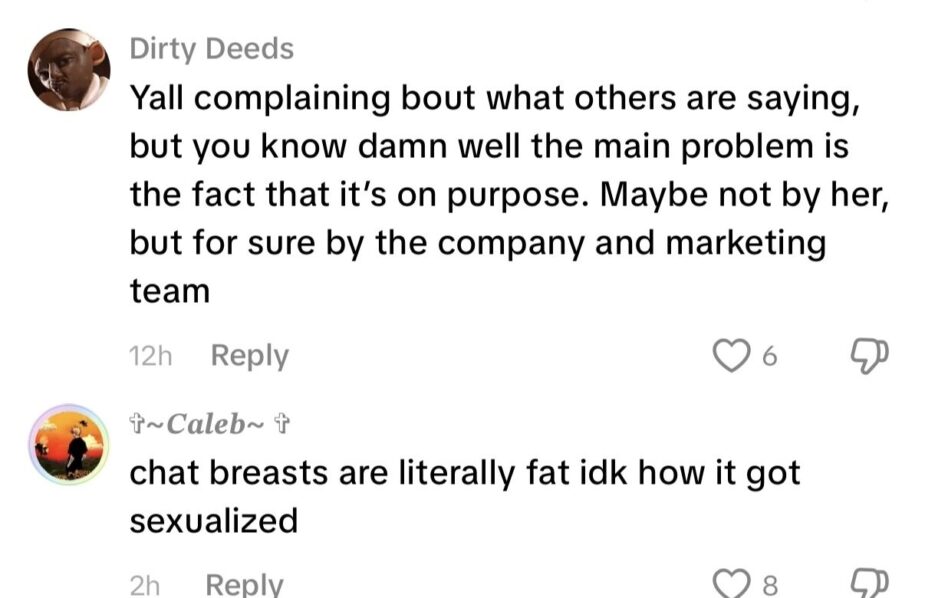
The debate surrounding Athena’s video is divided into two primary schools of thought. The first perspective, voiced largely by concerned fans and feminist critics, posits that the agency may be intentionally hyper-sexualizing Athena to capitalize on her "visual" status. Proponents of this view argue that the choice of clothing and camera angles is a calculated move by management to garner "cheap views" and "male-centric attention." They express concern that such marketing tactics reduce talented female artists to mere objects of consumption, potentially exposing them to online harassment or inappropriate commentary.

Conversely, a second group of netizens argues that the backlash itself is a form of "body policing." This faction maintains that a woman wearing a tight T-shirt should not inherently be viewed as a sexual statement. They contend that the sexualization lies in the "eye of the beholder" rather than the attire itself. Supporters of Athena argue that female idols should have the autonomy to wear modern fashion—including form-fitting clothing—without being subjected to moral scrutiny or accusations of being "too bold." This side of the argument highlights a double standard in the industry, where male idols often perform shirtless or in revealing outfits to widespread acclaim, while female idols face rigorous gatekeeping regarding their modesty.
Historical Context: The Evolution of "Concepts" in K-Pop
To understand the intensity of the debate, one must look at the history of "concepts" in the K-pop industry. Historically, girl groups have fluctuated between "cute," "girl crush," and "sexy" concepts. In the early 2010s, the "sexy" concept was a dominant trend, with groups like Sistar, AOA, and Girl’s Day utilizing provocative choreography to secure their positions in the market. However, as the global audience for K-pop expanded and social consciousness regarding the treatment of minors and young women in entertainment grew, the industry shifted toward more empowered or "teen-crush" aesthetics.
The current controversy with Athena suggests a tension between these eras. As a new member of a group trying to reclaim its status as a global powerhouse, there is immense pressure on ATTRAKT to ensure FIFTY FIFTY remains relevant. In the digital age, relevance is often measured by "viral potential." The use of "bold" visuals is a proven method for triggering social media algorithms, yet it invites a level of scrutiny that can be damaging to an idol’s long-term reputation if not managed with sensitivity.

Chronology of Public Sentiment and Agency Response
The timeline of the controversy reflects the rapid pace of digital discourse:
- July 2024: Athena is officially revealed as a member of the new FIFTY FIFTY lineup. Her "visual" teasers reach millions of views within days.
- Late July 2024: The TikTok video in question is uploaded. It gains 500,000 views within the first few hours, significantly higher than the group’s previous three posts combined.
- Immediate Aftermath: The comment section becomes a battleground. Keywords such as "sexualization," "marketing," and "free Athena" begin to trend in K-pop circles.
- Community Polarization: International fans largely defend Athena’s right to wear what she chooses, while certain segments of the domestic Korean "pann" communities express concern over the group’s image direction.
- Current Status: ATTRAKT has not issued an official statement regarding the specific TikTok video. In the K-pop industry, agencies often remain silent on such matters unless they escalate into a legal issue or a widespread boycott, opting instead to let the engagement metrics speak for themselves.
Supporting Data: The Impact of Short-Form Video on Idol Popularity
Data from social media analytics platforms suggests that for "Rookie" or "Re-debuting" groups, TikTok is the most critical tool for survival. Statistics show that videos featuring "visual-centric" content or "bold" fashion choices receive an average of 40% more shares than standard "behind-the-scenes" or "vocal practice" content.
In the case of FIFTY FIFTY, the stakes are uniquely high. Following the loss of the original members, the brand’s value plummeted. To recover, the new lineup must achieve a level of visibility that rivals the "Cupid" era. This economic reality often leads to a "growth at all costs" mentality, where the lines of appropriateness are pushed to maximize reach. Critics argue that this data-driven approach ignores the human element, specifically the mental well-being of the idol who must navigate the resulting public discourse.

Broader Implications for the K-Pop Industry
The Athena controversy serves as a microcosm of a larger shift in the entertainment landscape. As K-pop becomes more integrated with Western social media norms, the clash between traditional Korean conservative values and Western "body positivity" movements becomes more pronounced.
Furthermore, this incident raises questions about the responsibility of management companies. While idols are often the face of the controversy, the creative direction, wardrobe selection, and posting schedules are typically controlled by a team of professionals. If a video is deemed "too bold," the accountability arguably lies with the directors and stylists rather than the performer.
The long-term implications for FIFTY FIFTY remain to be seen. If the group continues to lean into "visual-heavy" and "bold" content, they risk alienating fans who prefer a focus on musicality and "clean" branding. However, they may also tap into a demographic that values fashion-forward and confident personas. The challenge for ATTRAKT will be to balance these competing interests while protecting their artists from the darker side of internet fame.
Conclusion: Navigating the Future of Idol Representation
As of now, the TikTok video remains live, continuing to garner views and spark conversation. The debate over Athena’s "bold" presentation is unlikely to be resolved soon, as it touches upon fundamental disagreements regarding gender, power, and the commercialization of the human form. For Athena, the experience highlights the double-edged sword of being a "visual" in the modern K-pop era: the very features that brought her fame are now the subject of intense, and sometimes intrusive, public debate. Moving forward, the industry must grapple with how to utilize the power of social media without compromising the dignity or autonomy of the young women who drive its success.