Aveline Kirana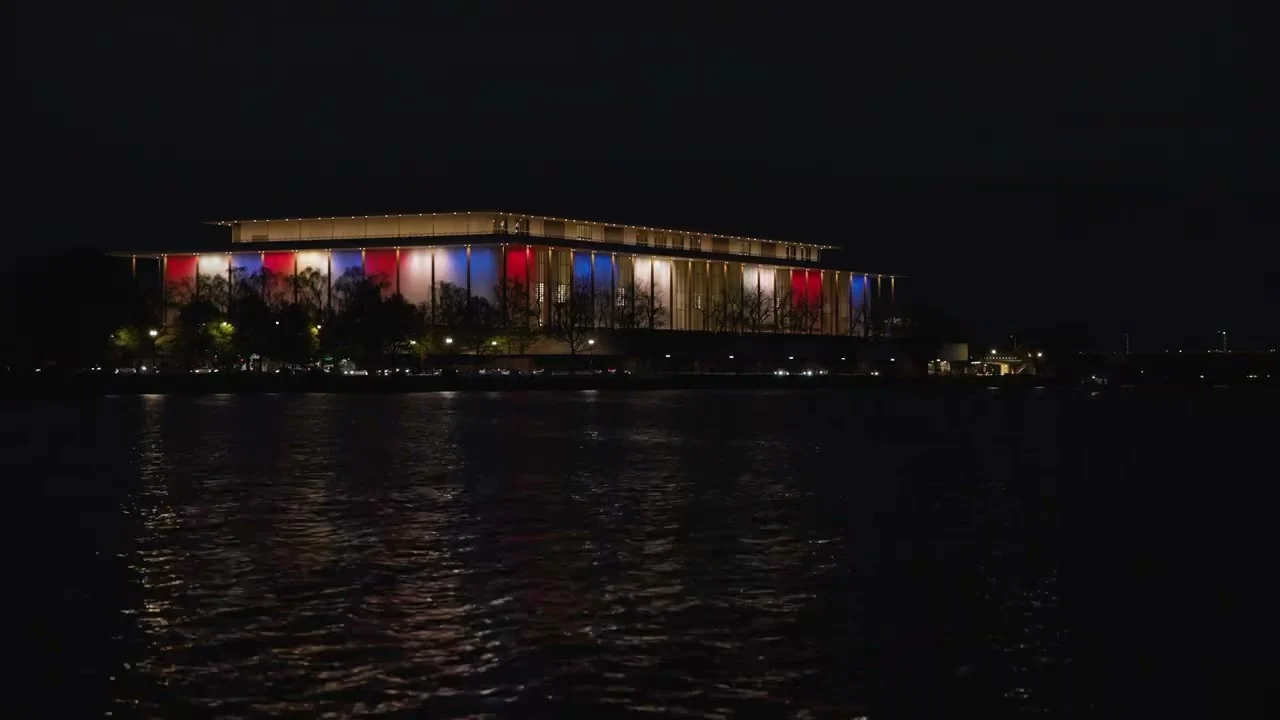
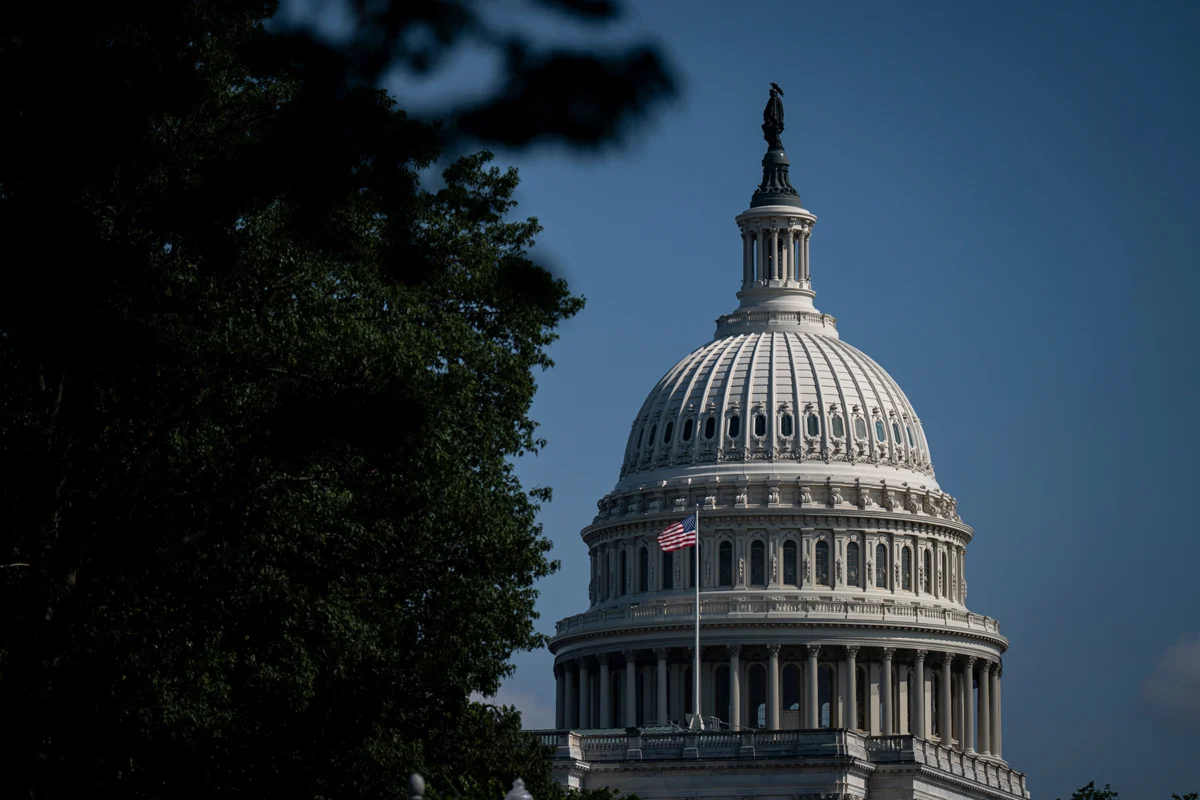
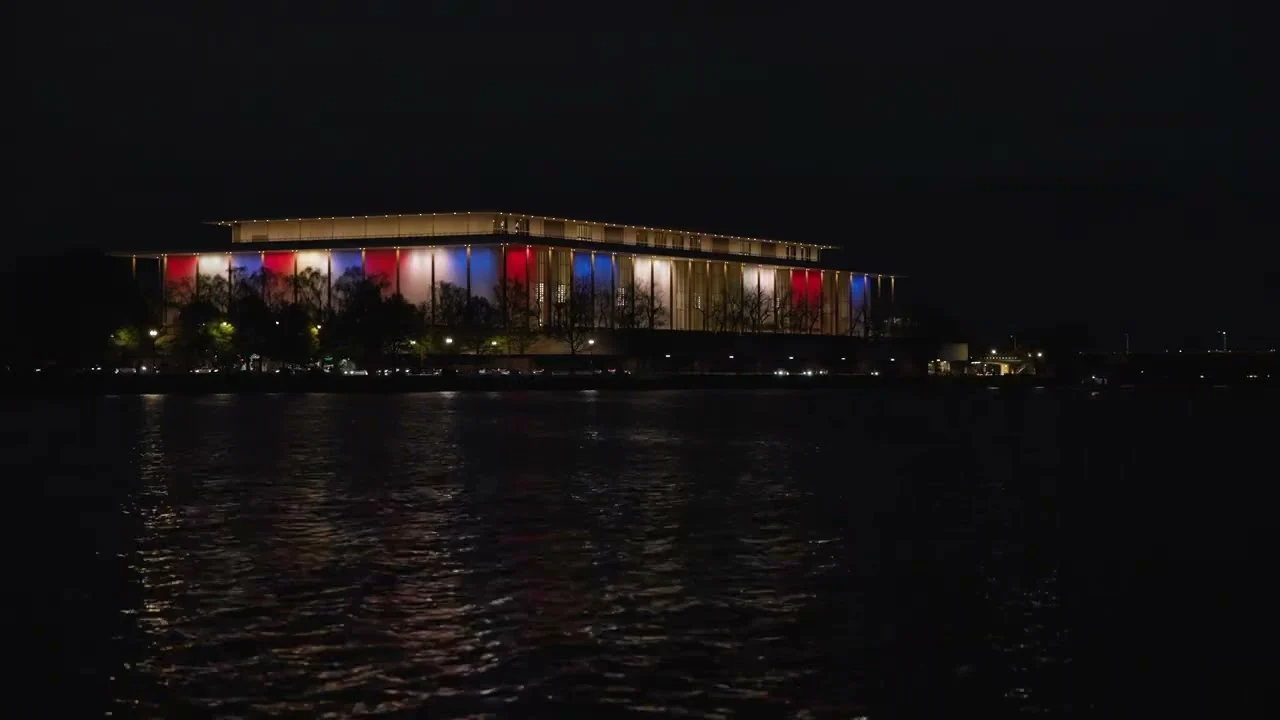
In an abrupt development that has sent shockwaves through the nation’s capital, President Donald J. Trump announced via the Truth Social platform that the John F. Kennedy Center for the Performing Arts is to be closed effective immediately. The President cited "safety reasons" and the initiation of a comprehensive "Reconstruction" project as the primary drivers for the closure. However, the announcement comes against the backdrop of an intense, year-long legal struggle regarding the President’s desire to rename the historic institution to bear his own name, a move that has been met with significant resistance from federal courts and cultural stakeholders.
The executive directive mandates that the facility cease operations while the administration prepares for what the President described as a "very large and complex job" of renovation. Critically, the President linked the physical fate of the building to the ongoing judicial review, stating that the project would remain stalled until the U.S. Court of Appeals for the D.C. Circuit delivers a definitive ruling on the naming rights. Trump signaled that if the court upholds the current prohibition against the rebranding, the planned renovations—and by extension, the reopening of the facility—would be indefinitely abandoned.
Chronology of the Naming Dispute
The current impasse is the culmination of a series of administrative and legal maneuvers that have defined the cultural policy of the second Trump term. The conflict began shortly after the President’s inauguration, when his administration first proposed the installation of permanent signage and commemorative markers bearing his name at the Kennedy Center.
The proposal was met with immediate scrutiny by historical preservationists and legislative bodies, who argued that the Kennedy Center, established by an Act of Congress in 1964 as a living memorial to the 35th President of the United States, is protected by federal statute. The timeline of the dispute is as follows:
- Early 2025: The Trump administration formally submits plans to the National Park Service and the Kennedy Center Board of Trustees to incorporate the President’s name into the architectural branding of the center.
- Mid-2025: Congressional committees issue a memorandum stating that any alteration to the identity of the federal landmark requires explicit legislative approval, which had not been granted.
- Late 2025: The President secures $17 million in private and redirected funds, which he claims were raised to facilitate the structural maintenance of the building, conditioning the release of these funds on the approval of the name change.
- Early 2026: A federal judge issues a summary judgment blocking the installation of any commemorative material, stating, "Simply put, Defendants cannot install memorials for President Trump or anyone or anything else at the Kennedy Center without Congress’s blessing."
- Present Day: Following the adverse court ruling, the administration orders the immediate shuttering of the center, effectively halting all performances and administrative functions.
The Financial and Regulatory Landscape
The President’s assertion that the building requires urgent reconstruction is being analyzed by industry experts through a lens of skepticism, particularly given his administration’s historical stance toward arts funding. Throughout his first and second terms, the President has consistently proposed the elimination of the National Endowment for the Arts (NEA) in his federal budget submissions. Critics argue that the sudden focus on "reconstruction" serves as a leverage point rather than a genuine commitment to the preservation of the performing arts.
From a fiscal perspective, the closure carries significant economic weight. The Kennedy Center is a major driver of tourism and commerce in Washington, D.C., hosting the National Symphony Orchestra and the Washington National Opera. The departure of these organizations, which have been strained by recent budget shifts and management turnover, leaves a massive void in the regional economy.
The $17 million in funding referenced by the President has also become a point of contention. While the administration frames this as a philanthropic gesture to keep the center "afloat," financial auditors have raised questions regarding the oversight of these funds and whether they were intended to be used for capital improvements or merely as an enticement to bypass federal oversight regarding the building’s name.
Legal and Constitutional Implications
The legal fight has reached a critical juncture, with the President calling upon the Supreme Court to overturn the D.C. Circuit’s previous findings. Constitutional scholars note that the case touches upon the limits of executive power over federally designated monuments. Because the Kennedy Center was established by a specific piece of federal legislation, any alteration to its core purpose or identity typically requires a legislative amendment, not merely an executive order.
"The separation of powers is the central issue here," says a policy analyst familiar with federal land management law. "If the President is allowed to bypass Congressional authority to rename or structurally alter a federal monument via the vehicle of a ‘reconstruction’ project, it sets a precedent that could undermine the integrity of all national landmarks."
Broader Socio-Economic Context
The closure of the Kennedy Center is occurring within a larger, more volatile national landscape. The United States is currently engaged in an active military conflict with Iran, a situation that has had tangible effects on the domestic economy. Since the escalation of hostilities, the price of gasoline has surged by 40 percent, hovering consistently above $4 per gallon. This, coupled with the cumulative impact of recent trade tariffs, has contributed to a rising cost of living that is currently straining household budgets across the country.
Economists observe that the administration’s focus on the Kennedy Center naming saga appears disconnected from the immediate concerns of the voting public. As grocery prices continue to climb due to supply chain disruptions and the ripple effects of international trade policies, the prioritization of a vanity project at the nation’s premier performing arts venue has sparked a polarized reaction. Supporters of the President view the effort as an assertion of his right to redefine the cultural landscape of the country, while opponents argue that it represents a misuse of federal authority during a time of significant economic instability.
Future Outlook
As of this writing, the Kennedy Center remains closed, with no clear timeline for the resumption of performances or the commencement of the proposed renovations. The artistic community, represented by various labor unions and cultural organizations, has issued statements calling for the facility to be reopened to the public, emphasizing that the "naming saga" should not impede the cultural life of the capital.
The Supreme Court’s potential involvement remains the final hurdle in this dispute. Should the court decline to hear the case, or rule in favor of the current lower court decision, the administration will be forced to reconcile its demand for a name change with the reality that the renovation project, as defined by the President, cannot proceed under current legal constraints.
For the time being, the doors of the Kennedy Center remain locked, and the silence inside the building reflects the deeper, unresolved tensions between the executive branch and the institutions designed to preserve the nation’s history. The impact of this closure will be felt not only by the patrons who rely on the center for cultural enrichment but also by the local businesses and employees who depend on its operational status to sustain their livelihoods. As the situation evolves, the saga remains a defining element of the current cultural and political discourse in the United States.