Muhammad Ibadurrohman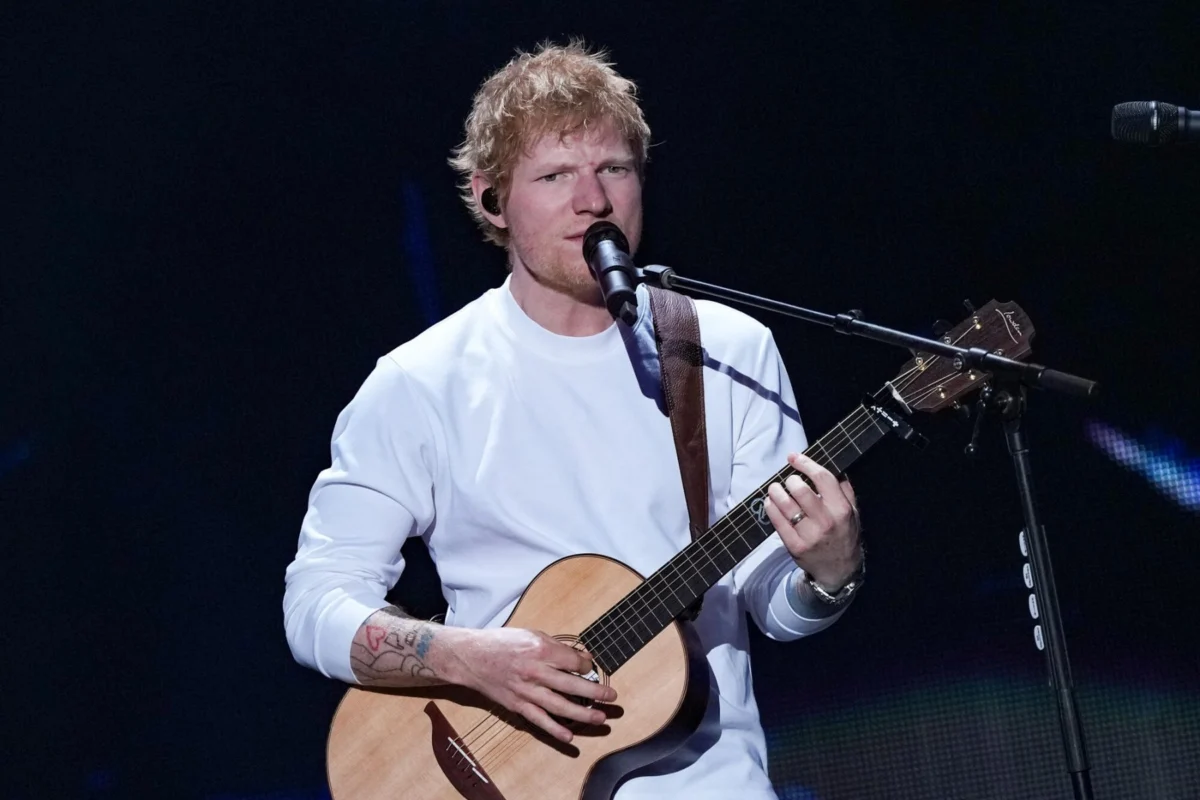
The landscape of live music in the United States has shifted into a complex intersection of commerce, venue ownership, and political speech following the decision to remove Seattle-based rapper Macklemore from the opening slot of Ed Sheeran’s ongoing Loop Tour. The move, which unfolded throughout mid-September 2024, has triggered a cascade of secondary departures from the tour and raised fundamental questions regarding the extent to which venue owners can dictate the programming of a national concert trek based on the personal or political viewpoints of participating artists.
Chronology of the Conflict
The friction began to intensify in early September 2024, following two high-profile performances at MetLife Stadium in New Jersey. During these shows, Macklemore, a vocal critic of the ongoing Israeli military campaign in Gaza, utilized the stage to perform his May 2024 protest anthem, "Hind’s Hall." During the performances, the rapper explicitly stated "Free Palestine," a move that drew immediate backlash from observers and public figures, including P!nk and Boy George.
On Monday, Sept. 14, Macklemore revealed via Instagram that he had been effectively terminated from the remaining eight of his ten scheduled tour dates. According to the artist, the decision was not a unilateral move by the tour’s headliner, but rather the result of a coordinated effort by stadium owners. Macklemore alleged that Robert Kraft, the billionaire owner of the New England Patriots and Gillette Stadium, contacted Ed Sheeran to express that the rapper would not be permitted to perform at his venue. Furthermore, Macklemore claimed that Kraft successfully rallied a coalition of other stadium owners, issuing an ultimatum: if Macklemore remained on the bill, the tour would be barred from those venues entirely.
The Stance of Stakeholders and Venue Ownership
Robert Kraft confirmed his involvement in a public statement, framing the decision as a moral and professional necessity. Kraft cited a "broader history of antisemitic rhetoric and imagery" that he deemed "deeply offensive and hurtful to the Jewish community." He argued that the material shared during the MetLife Stadium shows crossed a threshold that made it impossible for him to host the artist at the Gillette Stadium dates scheduled for Sept. 25 and 26.
Ed Sheeran, for his part, sought to distance himself from the administrative side of the controversy. In a statement released Tuesday, Sept. 15, Sheeran clarified that the decision to remove the rapper was made by the tour’s promoter, Messina Touring, and the venue owners. "Macklemore coming off tour was the promoter’s decision, it was not mine," Sheeran stated, emphasizing that the contractual relationship between the opening act and the tour was mediated entirely through the booking agency and promoter.
Messina Touring issued a brief statement confirming they had been placed in an untenable position by the venue owners. The promoter noted that the refusal of several venues to host the concert with Macklemore on the lineup threatened the viability of the entire U.S. tour, potentially forcing the cancellation of shows for hundreds of thousands of ticket holders.
The Secondary Fallout: A Tour in Flux
The removal of Macklemore triggered an immediate chain reaction among the tour’s supporting acts. In an act of solidarity, artists Finneas, Lukas Graham, and Aaron Rowe announced their withdrawal from the Loop Tour. Each artist cited a commitment to artistic freedom and a refusal to participate in a tour that suppressed the political speech of its performers. Additionally, the backing band Beoga, which provides instrumental support for portions of Sheeran’s own set, also severed ties with the remaining dates of the run.
This sudden exodus has left the future of the tour in a precarious state. From a logistical perspective, the loss of nearly every opening act presents a significant challenge for the promoter. Should the tour continue, it may proceed without opening support, or the promoter may be forced to seek replacements—an unlikely prospect given the industry-wide sensitivity to the current political climate.

Historical Context and Industry Precedent
While the cancellation of concerts due to political speech is not unprecedented, the scale and nature of this incident represent a departure from established norms. Historically, individual venue cancellations have occurred, but they are typically characterized by localized security concerns or administrative excuses.
In 2024, for instance, artist Matisyahu faced several cancellations at clubs and theaters in Santa Fe and Tucson. In those instances, venues cited staff shortages and security risks posed by protests outside the venues. Similarly, in 2023, Kehlani was removed from dates at Cornell University and Central Park SummerStage, with organizers citing "safety reasons" in the wake of her vocal support for Palestine.
However, the Macklemore situation marks the first instance where a coalition of major NFL stadium owners—entities with immense financial and political influence—has coordinated to force an artist off a multi-city tour. This mirrors the high-stakes pressure campaigns often seen in corporate sponsorship. For example, in recent years, Ye (Kanye West) saw multiple corporate sponsors, including Pepsi and Anheuser-Busch InBev, abandon a scheduled festival appearance following his own controversial remarks. Unlike the Sheeran tour, however, the pressure on the Ye festival was driven by brand sponsors, not necessarily by the venue owners themselves.
Legal and Contractual Implications
The legality of removing an artist based on political expression is a matter of intense debate within entertainment law. Every touring contract contains specific "force majeure" and "morals" clauses, though the application of these clauses is rarely straightforward.
In June 2024, the artist M.I.A. filed a lawsuit against Kid Cudi after being removed from a tour. Her legal argument hinges on the claim that her contract with Live Nation guaranteed her "sole and exclusive creative control" over her performance, with no limitations on political messaging. The outcome of such litigation often hinges on whether the contract defines the performance in a way that allows for the suppression of "offensive" content.
For Macklemore, the question of compensation remains tied to the specifics of his agreement with Messina Touring. If the removal is classified as a "termination for convenience" by the promoter, the artist may be entitled to his full performance guarantee. Conversely, if the promoter invokes a "force majeure" or "morals" clause citing venue non-compliance, the artist could be left without payment for the canceled dates. The other acts who chose to resign from the tour voluntarily are almost certainly forfeiting their remaining fees.
Broader Implications for the Music Industry
The incident serves as a bellwether for the tightening relationship between concert infrastructure and political discourse. As stadiums move toward more stringent control over the content of performances, the industry faces a potential chilling effect. Booking agents, who typically prioritize the "path of least resistance" to ensure a tour’s financial success, may become increasingly risk-averse, opting to avoid artists with controversial political profiles to circumvent the possibility of venue-led boycotts.
Furthermore, this event highlights the increasing power of venue owners in the touring ecosystem. Because stadiums operate as essential nodes in the routing of any major, high-grossing tour, their ability to set "house rules" regarding an artist’s personal speech creates a de facto veto power over the content of live entertainment.
As of mid-September, the status of the remaining tour dates remains ambiguous. With the next performance scheduled for Philadelphia and subsequent shows at Gillette Stadium, all eyes are on the logistical reality of whether the tour can continue to operate under these diminished circumstances. The silence from major industry stakeholders, including the North American booking agency WME and the promoters themselves, suggests that the repercussions of this incident are still being calculated behind closed doors. For now, the events surrounding the Loop Tour stand as a significant, albeit divisive, chapter in the history of live music in the 21st century.