Nayara Elvina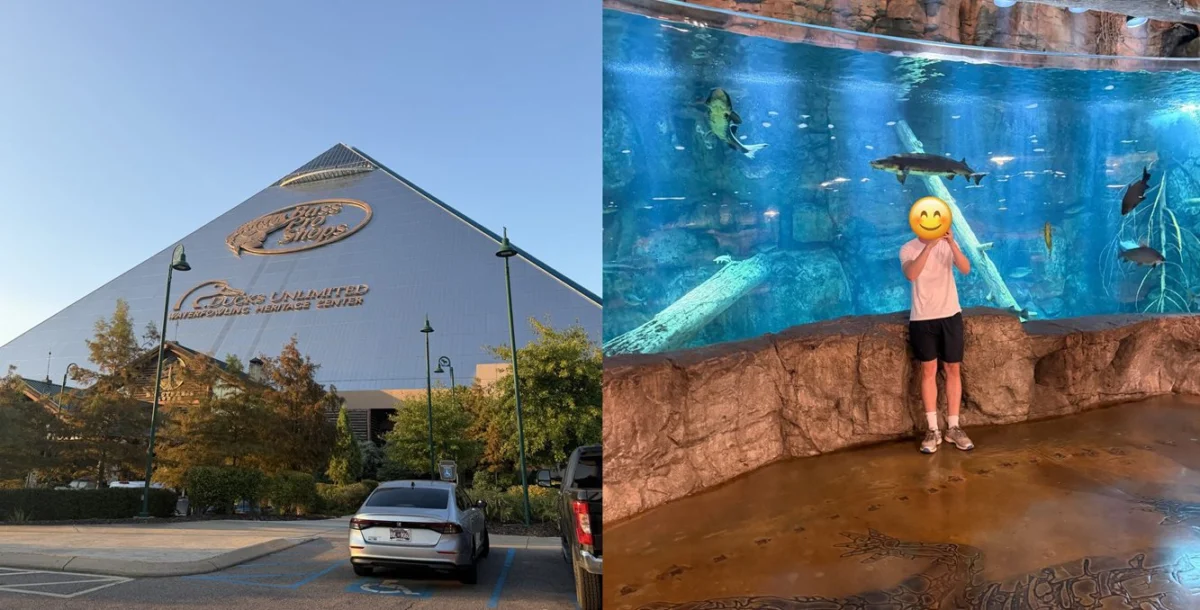
The landscape of modern sports tourism often intersects with digital media, where international travelers document authentic cultural exchanges for a global audience. Freddy, a German national who captured widespread internet attention during the 2026 FIFA World Cup through his cross-country documentation of the United States, has officially returned to North America. Rather than attempting to replicate the specific atmosphere of soccer’s premier international tournament, the German sports enthusiast and his circle of friends have embarked on an extensive, multi-sport tour focused on American collegiate athletics, regional culture, and iconic domestic landmarks.
The initiative highlights the growing appeal of American college sports to international audiences, while simultaneously demonstrating the profound economic and cultural impact of user-generated travel content in the digital age.
Background and Context of the 2026 World Cup Phenomenon
During the summer of 2026, the United States, Canada, and Mexico co-hosted the FIFA World Cup, drawing millions of international visitors to North America. While traditional sports broadcasting focused on match statistics and tactical analyses, a secondary media ecosystem thrived on social media platforms, driven by fans sharing their day-to-day encounters with American society.
Freddy emerged as a breakout digital personality during this period. Documenting his road trip across various American states, he introduced his European followers to quintessential U.S. cultural touchstones—ranging from regional diner chains like Waffle House to massive retail destinations such as Buc-ee’s. His journey also garnered mainstream media attention when he crossed paths with country music artist Ella Langley before returning to Europe.
Although the German national team was eliminated from the World Cup relatively early in the tournament, Freddy opted to extend his stay, laying the groundwork for a deeper exploration of American culture. Industry analysts note that such organic travel documentation often generates significant positive publicity for regional tourism boards, highlighting lesser-known American attractions to international demographics that typically limit their travel to coastal metropolitan areas.
The Launch of Freddy Across America Part 2
Announcing his return to North American airspace earlier this month, Freddy clarified via social media that his new itinerary was intentionally distinct from his previous World Cup travels.
"This isn’t supposed to be World Cup trip 2.0," Freddy stated in a video broadcast to his followers. "That trip is impossible to replicate. This is something different. We’re huge sports fans and have always talked about doing a trip around college sports."
The current expedition places collegiate athletics at the forefront, though the itinerary extends beyond football to encompass basketball, volleyball, competitive soccer, and regional cultural experiences such as Appalachian camping excursions and traditional American Oktoberfest celebrations. The shift from professional international competition to collegiate sports reflects a broader international curiosity regarding the unique institutional loyalty, pageantry, and community integration characteristic of American higher education athletics.
Chronology of the Current Tour: Iowa and the Midwest
The first major phase of the tour commenced in the American Midwest. Freddy and his companions traveled to Iowa to observe a high-profile college football matchup between the University of Iowa Hawkeyes and Iowa State University at Kinnick Stadium.
Securing field access during pre-game warm-ups, the group documented the atmosphere generated by the student section and local supporters. College football stadiums in the United States routinely seat upwards of 70,000 to over 100,000 spectators, creating an intensely localized spectacle that diverges significantly from European soccer culture, where club loyalties are deeply rooted in geographic neighborhoods rather than academic institutions.
Following the Kinnick Stadium event, the travel party journeyed south to Memphis, Tennessee, where they visited a landmark distinct from traditional athletic venues: the Bass Pro Shops Pyramid. Often colloquially referenced in internet culture as the "Eighth Wonder of the World," the 32-story steel pyramid features an immersive retail environment complete with indoor cypress swamps, live alligators, a bowling alley, a pistol shooting range, and an attached luxury hotel.
Freddy’s review of the facility—describing it as feeling more like an amusement park than an outdoor equipment retailer—resonated widely online, emphasizing the unique roadside attractions that characterize American interstate travel.
Economic and Cultural Implications of Sports Tourism
The journey undertaken by Freddy and his peers underscores the economic viability of niche sports tourism. According to data from the U.S. Travel Association, international visitors contribute billions of dollars annually to the American economy, with a growing percentage of travelers seeking experiential tourism rather than traditional sightseeing in major urban centers.
College athletic departments, particularly within the NCAA Division I Football Bowl Subdivision (FBS), represent significant economic drivers for their respective university towns and surrounding regions. Game days generate substantial revenue for local hospitality, lodging, and food service industries. When international influencers highlight these events, they inadvertently provide global marketing value to universities and regional tourism authorities that typically lack the advertising budgets necessary to reach European markets effectively.
Furthermore, the integration of digital creators into sports marketing strategies has prompted athletic conferences and franchises to reevaluate how they interact with media-savvy travelers. Providing media credentials or stadium access to prominent foreign social media personalities bridges cultural gaps and introduces American collegiate traditions to demographics that might otherwise remain unfamiliar with the sport.
Future Itinerary and Anticipated Stops
As the "Freddy Across America Part 2" tour progresses, the itinerary includes a transition into the Southeastern Conference (SEC), widely regarded as one of the most competitive and culturally fervent conferences in American college football.
The next scheduled destination is Jordan-Hare Stadium in Auburn, Alabama, where the Auburn Tigers are set to host the University of Florida Gators. The matchup offers the travel group an opportunity to experience SEC gridiron traditions, tailgating culture, and institutional pageantry firsthand.
While athletic officials and tourism promoters anticipate that the high-stakes SEC environment will deliver a memorable athletic spectacle, digital observers continue to monitor whether any subsequent stop will match the surreal architectural scale and novelty of the Memphis pyramid.
Regardless of the athletic outcomes on the field, the ongoing journey serves as a contemporary case study in how digital media, cross-cultural curiosity, and traditional American pastimes intersect to redefine international travel in the modern era.