Mia Khoirunisa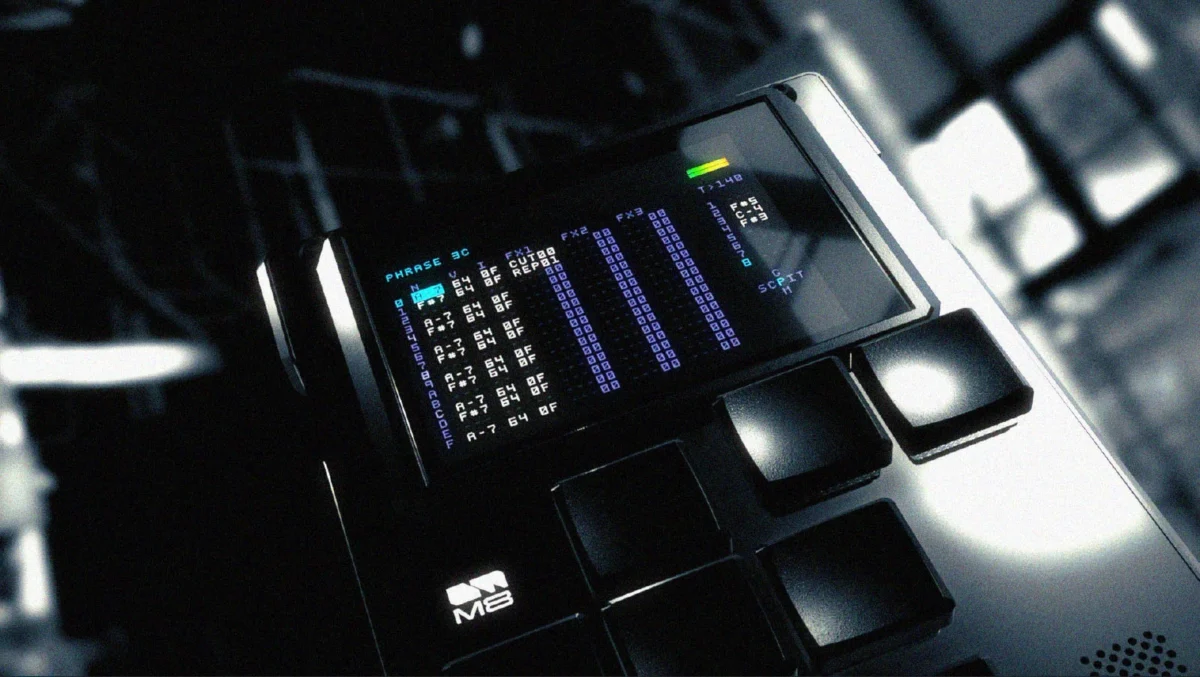
The Dirtywave M8 has long held a revered status in the electronic music community as a formidable standalone hardware device. Whether utilized through its manufactured, premium hardware form or assembled independently as a DIY headless rig, the tracker-based groovebox has garnered a passionate following for its unique synthesis, sequencing, and portability. Today, Dirtywave has expanded its ecosystem significantly by launching an official, fully realized iOS application for the iPhone and iPad, priced at $29.99 on the App Store. This software transition makes the complete M8 feature set natively accessible on Apple mobile devices, bridging the gap between bespoke hardware instruments and everyday pocket-sized technology.
The Evolution of the M8 Hardware and Open Platform Philosophy
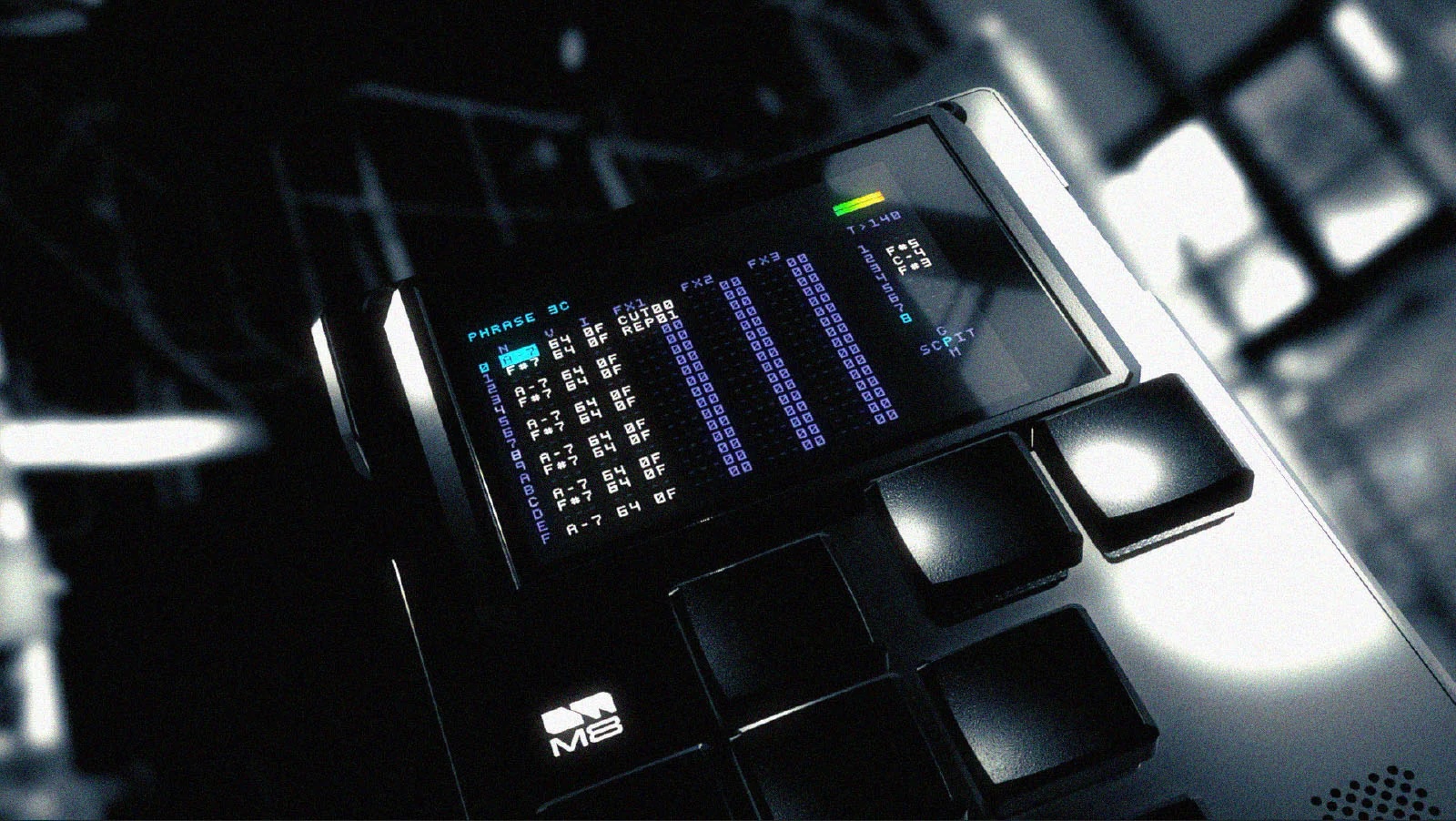
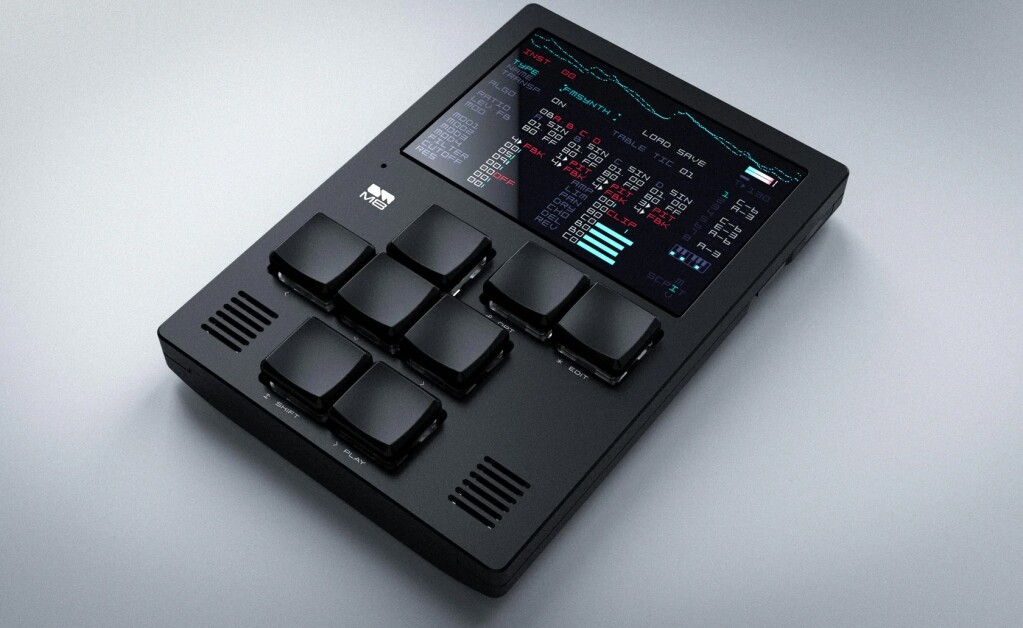
To understand the weight of the iOS release, one must examine the lineage of the Dirtywave M8. Originally conceived by developer trash80, the M8 hardware—most notably refined in iterations like the Model:02—features a machined aluminum chassis, tactile mechanical keys, a 3.5-inch display, and an impressive 12-hour rechargeable battery life. It blends the vertical step-sequencing workflow of legacy trackers like ProTracker and Renoise with modern synthesis engines, MIDI control, and sampling capabilities.
What truly distinguished Dirtywave in the competitive electronic instrument market, however, was its embrace of open-source and adaptable workflows. Long before the official iOS app was conceptualized, Dirtywave released "headless" firmware enabling users to run the M8 software on inexpensive hobbyist microcontrollers like the Teensy 4.1 platform. This openness extended to unexpected integrations, such as a virtual display rendering engine for TouchDesigner, allowing visual artists to merge M8 audio projects with live interactive video environments. The release of the official iOS app represents a natural progression of this philosophy, bringing the platform to a ubiquitous mobile operating system without compromising the complexity of the internal audio engines.
Comprehensive Feature Set on iOS
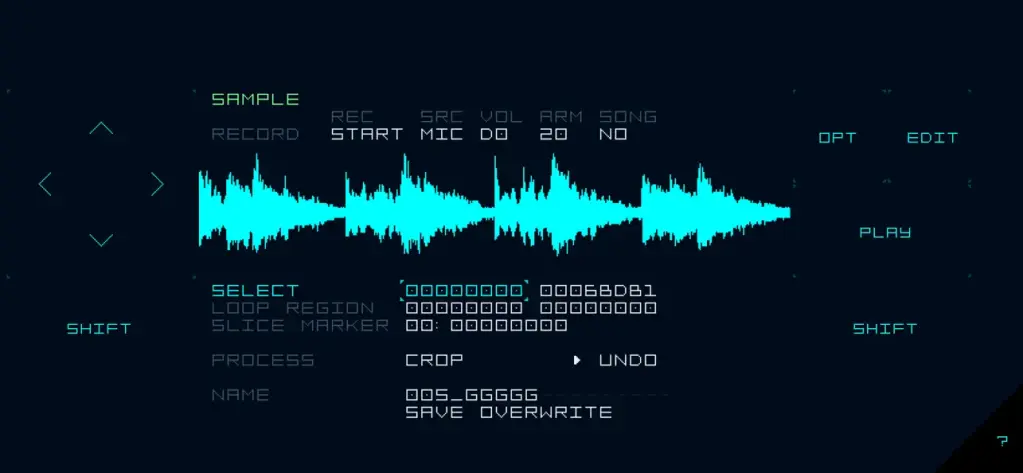
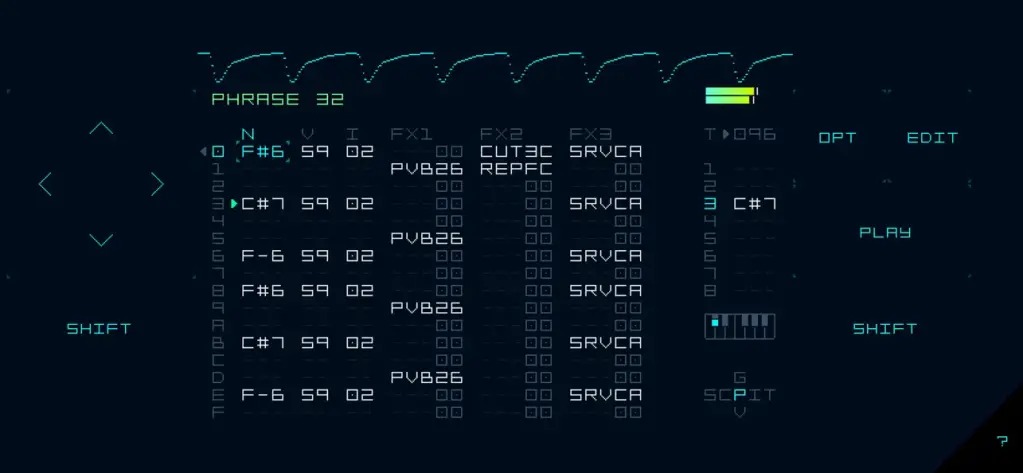
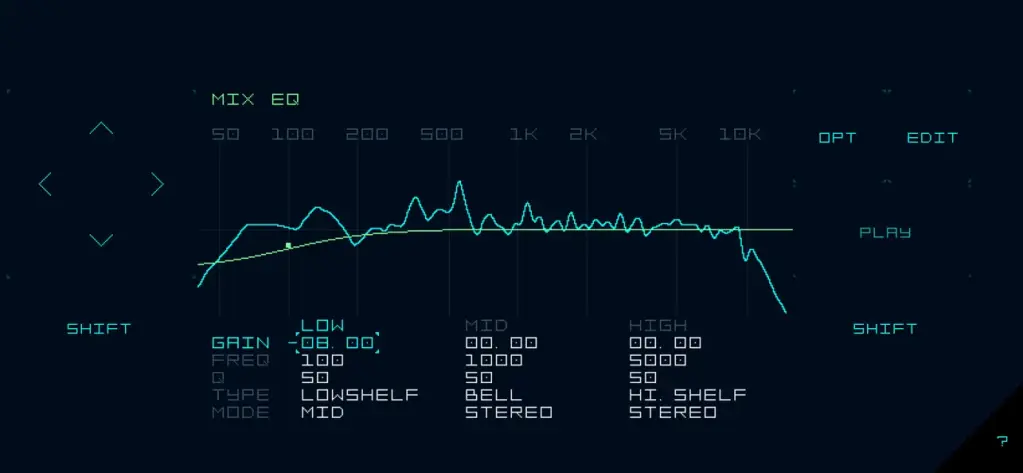
The newly launched M8 Music Tracker app for iPhone and iPad is not merely a stripped-down companion utility; it ports the entire architecture of the hardware instrument directly to touch-enabled screens and external controllers. The software encompasses a complete suite of music-making machines within a vertical tracker interface.
Users gain access to the M8’s robust internal instruments, which include multiple synth models (such as FM, Virtual Analog, and Wavetable synthesis), a specialized chiptune-style sound engine, a MIDI out sequencer, and an extensive sampler. The sequencing environment supports deep parameter modulation, effects routing, and micro-timing controls, offering a production workflow comparable to dedicated grooveboxes produced by industry heavyweights like Elektron, albeit filtered through a tracker paradigm.
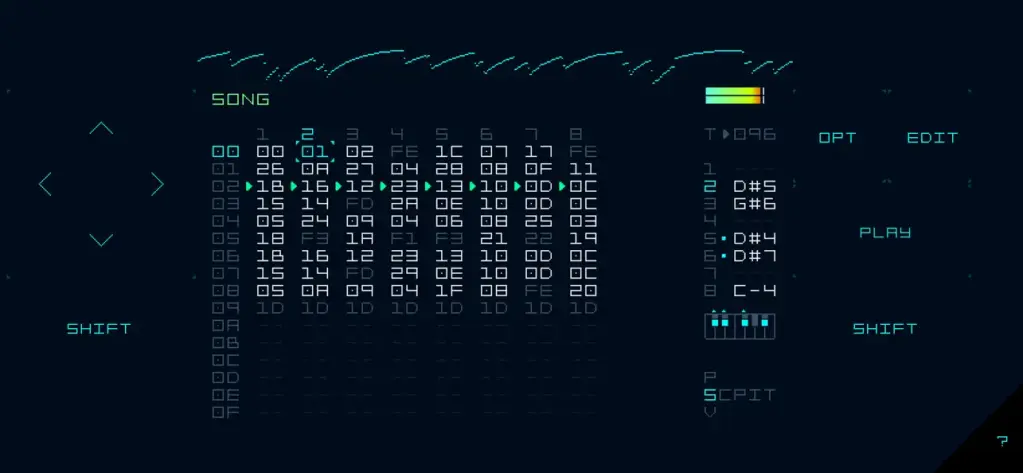
Furthermore, the iOS app integrates seamlessly into existing workflows. Producers who already own the physical M8 hardware can utilize an iPhone or iPad to record audio samples directly into their projects via established digital audio and USB protocols. This creates a symbiotic ecosystem where mobile devices serve as both standalone workstations and portable field-recording or expansion modules for the physical hardware.
Broader Context: The Mobile Tracker Renaissance
The arrival of the M8 Music Tracker on iOS highlights a broader resurgence of tracker-based software and chiptune-inspired production tools on mobile platforms. While some users on social platforms and forums have expressed disappointment regarding the initial exclusivity to Apple’s ecosystem, the mobile landscape already hosts several influential alternatives that cater to similar creative workflows.
Applications like SunVox have long offered a comprehensive, cross-platform modular synthesizer and tracker environment that runs smoothly across iOS, Android, desktop operating systems, and even legacy devices. Similarly, Deflemask provides multi-system chiptune tracking with native ROM export capabilities for classic gaming hardware such as the Sega Genesis, Game Boy, and Commodore 64.
The mobile tracker ecosystem expanded further with the recent release of naive tracker, a streamlined four-track sampler and sequencer developed by the creator of nanoloop. Priced accessibly at $3.99, naive tracker offers a distinct, minimalist approach to mobile beat-making that complements the feature-dense environment of the M8 app. The coexistence of these tools points to an active market of musicians seeking tactile, non-traditional sequencing interfaces away from traditional Digital Audio Workstations (DAWs).
Industry Implications and Future Outlook
The introduction of a $29.99 iOS app lowers the financial barrier to entry for the Dirtywave M8 ecosystem. While the physical Model:02 hardware remains a premium investment due to its specialized manufacturing, mechanical keys, and dedicated I/O, the software version allows a wider audience of electronic music producers, students, and mobile-first artists to experience the workflow.
Industry analysts note that software ports of niche hardware instruments often serve dual purposes: they generate accessible revenue streams for boutique manufacturers while driving secondary awareness and demand for physical flagship units. For Dirtywave, the app capitalizes on the immense processing power of modern Apple silicon, transforming everyday smartphones and tablets into fully functional music production studios.
As digital music production increasingly values portability and hybrid workflows, the launch of the M8 Music Tracker on iOS reinforces the viability of mobile devices as serious instruments rather than mere consumption tools. Whether used as a standalone mobile sketchpad or integrated into a broader hardware setup, the software underscores a growing movement toward squeezing maximum creative utility out of the technology musicians already carry in their pockets every day.