Mia Khoirunisa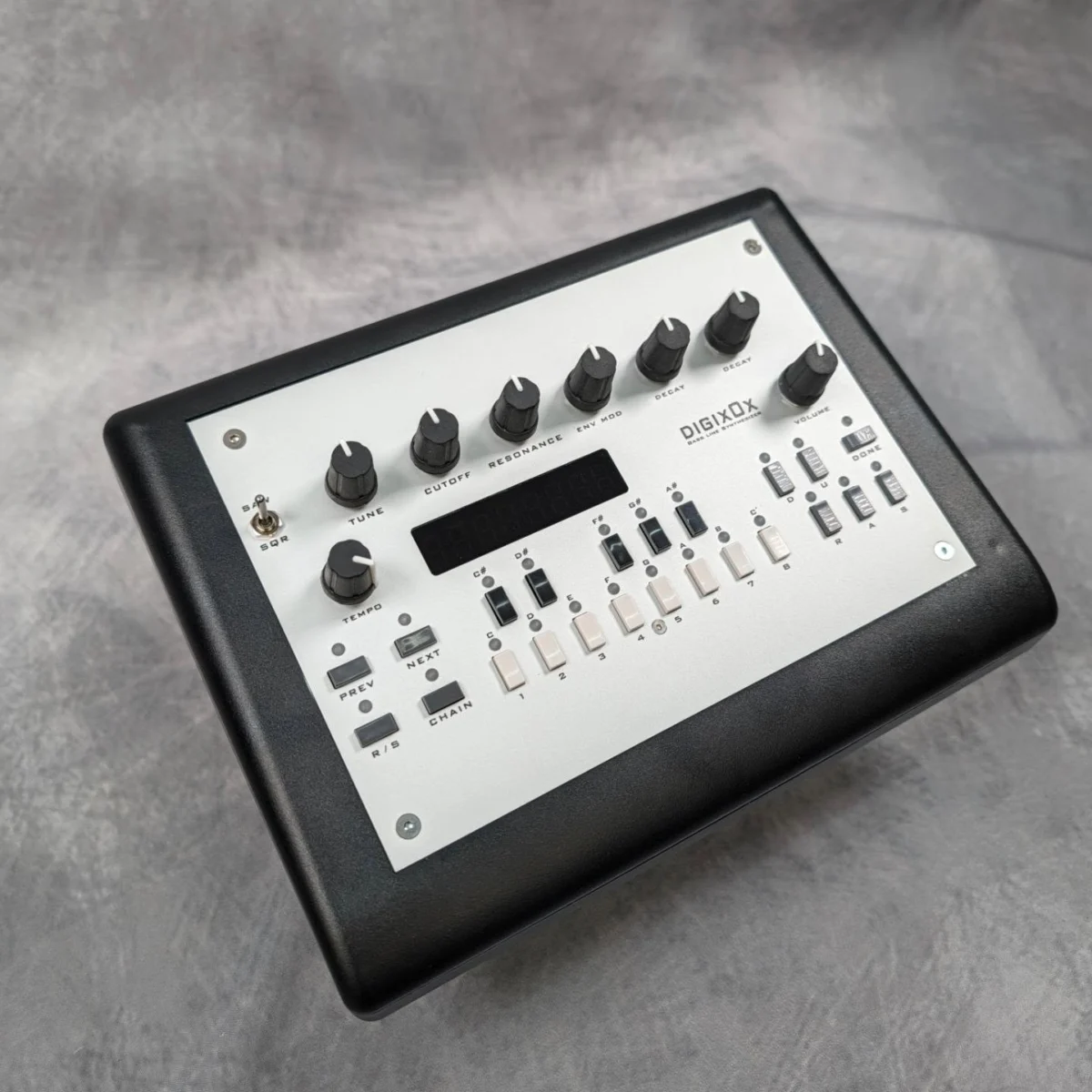
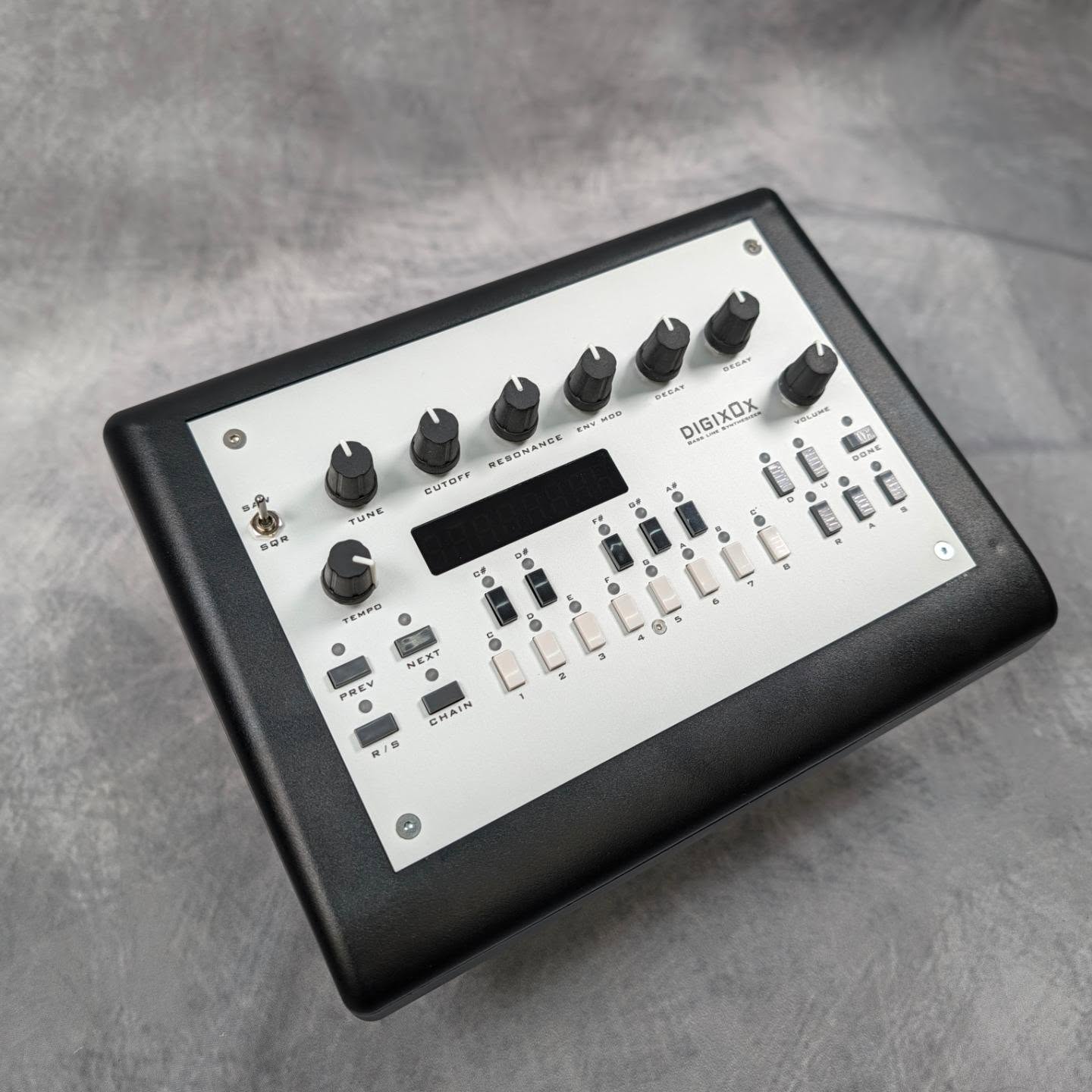
The enduring legacy of the Roland TB-303 bass synthesizer has entered a new technological chapter. Two decades after the iconic silver box inspired a global movement of do-it-yourself (DIY) electronics enthusiasts and open-source hardware pioneers, the x0xb0x is returning in a completely redesigned digital format. Unveiled at the Knobcon synthesizer convention, the new "Digix0x" marks a significant evolution for the platform, bringing together the original engineering minds behind the project and Michigan Synth Works to deliver a fully open-source digital emulation of the classic circuit.
This modern iteration addresses a growing reality in electronic music hardware: the specific electronic components that made the original analog x0xb0x and TB-303 possible more than twenty years ago are increasingly scarce, obsolete, or entirely out of production. By pivoting to a digital modeling architecture, the creators aim to preserve the distinctive squelch, resonance, and sequencing capabilities of the historic design while ensuring long-term reproducibility and accessibility for builders and musicians worldwide.
Historical Context and the Origins of Open-Source Hardware
To understand the significance of the Digix0x release, it is necessary to examine the profound impact of the original x0xb0x project in the mid-2000s. Long before open-source hardware became a standardized framework for physical computing and music technology, Limor Fried—widely known as Ladyada—collaborated with an anonymous German engineer to create a faithful clone of the Roland TB-303.
The TB-303 itself occupies a mythic status in electronic music history. Released by Roland in 1981 as a companion bass accompaniment tool for solo guitarists, it was a commercial failure in its original market. However, when acid house producers in Chicago and across Europe later acquired the discarded units for nominal sums, they discovered its capacity for hypnotic, resonant filter sweeps. This accidental discovery birthed an entire genre of electronic music and drove vintage TB-303 prices into the thousands of dollars.
The x0xb0x democratized this sound. Released as a DIY kit, it provided enthusiasts with a circuit board, a custom sequencer, and a transparent case that showcased the internal electronics. More importantly, the project was released under an open-source license. This framework allowed other developers to study, modify, and build upon the design, effectively catalyzing the broader open-source hardware movement. The success of the x0xb0x served as a foundational blueprint for subsequent boutique music technology enterprises, including the MeeBlip project and Mutable Instruments, while fueling international discussions regarding open-source licensing for physical creations.
Chronology of the Project: From Analog Kits to Digital Modeling
The journey from the original 2004–2006 x0xb0x launch to the current Digix0x announcement spans two decades of supply chain shifts and technological adaptation.
During the formative years of the DIY hardware boom, projects relied heavily on through-hole components, discrete transistors, and specific integrated circuits that mirrored the original Roland topology. However, as global electronics manufacturing transitioned toward surface-mount technology (SMT) and semiconductor fabrication lines phased out vintage-spec parts, maintaining authentic analog replicas became increasingly challenging and costly.
Recognizing these manufacturing constraints, the anonymous German engineer behind the original x0xb0x core design spent several years meticulously analyzing and digitally modeling every nuance of the 303 sound architecture. Partnering with Michigan Synth Works, this research culminated in the development of the Digix0x. The device translates the complex analog interactions of oscillators, filters, and envelope generators into a digital signal processing (DSP) framework while preserving the tactile workflow and interface conventions that defined the original hardware.
Technical Specifications and Ecosystem Integration
While the core sound generation of the Digix0x relies on digital emulation rather than analog voltage manipulation, Michigan Synth Works has maintained a multifaceted approach to satisfying the demands of synthesizer enthusiasts. Alongside the digital Digix0x, the company continues to support traditional analog workflows through alternative offerings, including the LRB303 analog kit and additional 303-inspired analog synthesizer hardware unveiled concurrently at Knobcon.
Crucially, the Digix0x preserves the foundational ethos of its predecessor by remaining fully open-source. Unlike proprietary commercial emulations locked within closed software ecosystems or sealed hardware units, the Digix0x invites community participation, firmware modification, and hardware hacking. This commitment ensures that the project remains aligned with the "free as in freedom" philosophy that powered the original DIY movement twenty years ago.
Industry Implications and Broader Impact
The introduction of the Digix0x highlights a broader trend within the electronic music instrument industry: the maturation of digital emulation as a respected, high-fidelity alternative to scarce vintage hardware. As original analog components age and become economically unviable for mass production, digital signal processing offers a sustainable method to perpetuate classic sonic signatures without compromising audio quality.
Furthermore, the longevity of the x0xb0x lineage underscores the enduring viability of open-source hardware business models. By openly sharing schematics, code, and design methodologies, creators can foster resilient communities that outlast individual manufacturing cycles.
As Michigan Synth Works prepares to roll out the Digix0x and associated documentation, the release offers both a nod to the pioneering era of open-source music gear and a practical solution for contemporary producers seeking reliable access to one of electronic music’s most celebrated sonic archetypes.