Johan Budi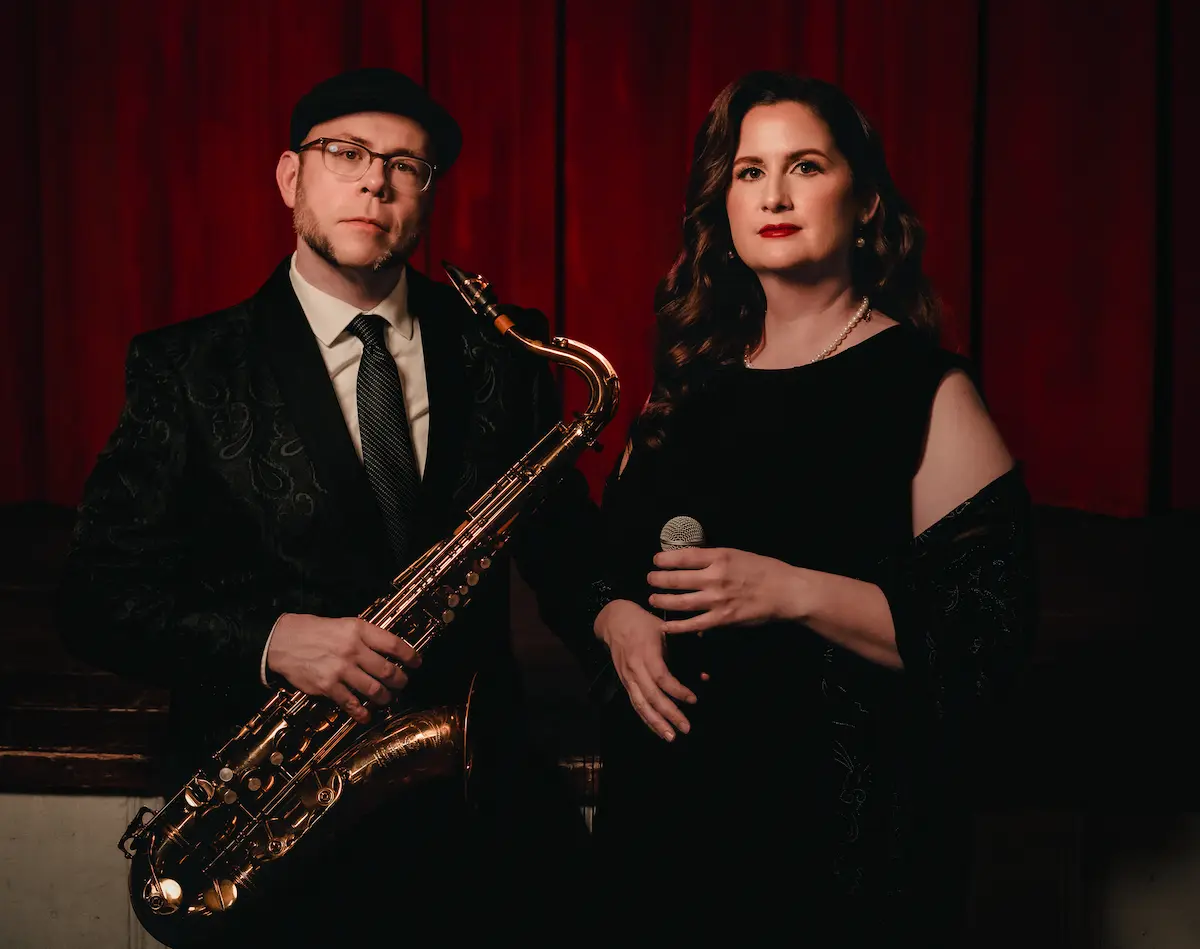
The global contemporary jazz landscape is experiencing a vibrant period of creative expansion, marked by a wave of ambitious new album releases, boundary-pushing cross-cultural collaborations, and rare archival documentation. Spanning multiple continents and generations, artists from Oakland to Barcelona, Tokyo to New York, are redefining the parameters of improvised music through unique instrumentation, deeply personal compositions, and multidisciplinary projects. This comprehensive survey explores the latest milestones shaping the current jazz ecosystem, highlighting significant releases from renowned veterans and emerging talents alike.
Latin and Contemporary Jazz Fusions Lead the Instrumental Wave
Oakland-based guitar virtuoso Ray Obiedo continues to leave an indelible mark on contemporary jazz with his 12th studio release, Slight Accent, issued via Rhythmus Records. Known for seamlessly integrating Latin grooves with modern jazz harmony, Obiedo’s latest project showcases his dual talent for penning engaging original compositions and reinterpreting timeless classics. Notably, the album features a fresh rendition of Bill Withers’ enduring standard Ain’t No Sunshine, elevated by the vocal talents of Chloé Jean, alongside a dynamic reading of Wayne Shorter’s iconic composition Footprints. Music critics and industry analysts note that Obiedo’s consistent output underscores the enduring vitality of West Coast contemporary jazz, bridging the gap between accessible melodies and sophisticated harmonic structures.
Across the Atlantic in Barcelona, Panamanian flutist and composer Anggie Obin has made a striking recorded debut with Luz, captured live at the 2025 Estival de Jazz d’Igualada and released on UnderPool. A distinguished alumna of the Berklee College of Music, Obin leads an elite quintet featuring tenor saxophonist Bill McHenry, pianist Miguel Wiwi Garcia, bassist Masa Kamaguchi, and drummer Estefania Chamorro. The album comprises five original pieces dedicated to key mentors such as Carlos Garnett and Santi Debriano, alongside a poignant title track honoring her late great-grandmother, Luz. The live recording format captures the spontaneous energy and tight interplay of the ensemble, marking Obin as a formidable new voice in European and Latin American jazz circuits.
Duo Encounters and Intergenerational Dialogues
The spirit of collaboration remains a driving force in the modern jazz community, as demonstrated by the historic pairing of Grammy-winning bassist Linda May Han Oh and Grammy-nominated saxophonist Melissa Aldana. Their debut duo recording, Beneath Lifted Skies, arriving via Biophilia Records, serves as a sweeping tribute to legendary jazz composers, including Charlie Parker, Thelonious Monk, Charles Mingus, Wayne Shorter, Herbie Hancock, John Coltrane, and Billie Holiday. In addition to these reverent interpretations, the album features three daring free improvisations and three distinct solo pieces composed by Oh, notably the original work Winter alongside unique readings of The Sorcerer and God Bless the Child. This stripped-down format highlights the telepathic communication and virtuosic command required to sustain harmonic and rhythmic momentum without a traditional rhythm section.
Intergenerational artistry is similarly celebrated on Open, the lyrical and playful new collaborative album by acclaimed harpist Isabelle Olivier and her son, guitarist Raphaël Olivier, released through Rewound Echoes. Merging jazz standards with modern improvisational concepts and subtle nods to British pop music, the mother-son duo creates a rich, chamber-like acoustic environment that bridges traditional boundaries and appeals to diverse listener demographics.
Avant-Garde Explorations and Improvised Soundscapes
Pushing the boundaries of texture and form, the improvising trio of Lothar Ohlmeier, Rudi Fischerlehner, and Isambard Khroustaliov present their third collective album, Landscapes, on the Not Applicable label. Seamlessly fusing free improvisation, electroacoustic music, musique concrète, and avant-jazz, the recording treats sound as a medium for active conversation, communal dialogue, and acoustic discovery. Musicologists observing the release point out distinct echoes of historical avant-garde pioneers such as Luc Ferrari, Sun Ra, Edgard Varèse, electric-era Miles Davis, and Eric Dolphy. The resulting abstract, industrial, and intimate sound-worlds reflect the ongoing evolution of European improvised music and its steady resistance to rigid commercial categorization.
In a similar spirit of relentless musical exploration, veteran drummer Phil Haynes has unveiled a venturesome double album with his ensemble 2 Horns & What?, titled AvAnt MODerN and JAzZ nOW on Corner Store Jazz. Both trio configurations feature Haynes alongside saxophonist Peyton Pleininger. The live disc, AvAnt MODerN, expands the frontline with the addition of trumpeter Nate Wooley in a freewheeling setting, while the studio companion, JazZ nOW, incorporates saxophonist Jonathan Ragonese. Haynes, recognized globally as an indefatigable seeker of new rhythmic and tonal combinations, continues to demonstrate the enduring expressive power of horn-and-drum configurations.
Documentary Milestones and Archival Projects
Beyond standard studio and live albums, the current jazz cycle includes significant visual documentation of monumental performances. Guitarist Miles Okazaki’s monumental undertaking, The Monkathon—wherein he spent a full year training to perform the complete works of Thelonious Monk entirely from memory across four distinct sets at The Jazz Gallery in New York City—has been immortalized in a multi-part independent film directed by Frank Heath. Rather than a traditional audio release, the film provides viewers with an intimate look into Okazaki’s rigorous training regimen, unwavering focus, and intellectual dedication. Cultural commentators have hailed the documentary as a masterclass in commitment, offering audiences a rare glimpse into the psychological and physical endurance required to channel the complex oeuvre of a foundational jazz master.
Cultural Identity and Global Perspectives
The intersection of cultural heritage and jazz expression is powerfully articulated by violinist and composer Meg Okura and the Pan Asian Jazz Ensemble on their latest release, Isaiah, issued on Adhyaropa Records and co-produced with Remy Le Boeuf. Marking the 20th anniversary of the ensemble, the album functions as a musical memoir reflecting Okura’s complex Japanese, Jewish, and American identities. Joined by longtime collaborators including flutist Anne Drummond, clarinetist Sam Sadigursky, and pianist Brian Marsella, alongside esteemed guest artists Randy Brecker and Sam Newsome, the project features a reimagining of Michael Brecker’s Afrasia, retitled African Skies.
Simultaneously, the sextet Onmo presents a vibrant debut album titled In Time and Spirit on Clonmell Jazz Social. Led by guitarist and composer Jean de Talhouët and featuring Jonathan Chung, Mike Soper, Rupert Cox, Huw V Williams, and Joost Hendrickx, the ensemble draws inspiration from an eclectic array of sources—including John Coltrane, Eric Dolphy, Vince Guaraldi, Madlib’s Yesterdays New Quintet, Steve Reich, and Michael Nyman. Despite these wide-ranging influences, Onmo successfully establishes a distinctive collective voice, contributing to the rich tapestry of contemporary European jazz.
Orchestral Ambitions and Large-Scale Collaborations
Orchestral jazz reaches a magnificent peak with Jazz Sinfónico Mexicano, an album documenting the landmark concerts performed by the Orquesta Filarmónica de la UNAM (OFUNAM) under the baton of guest conductor Vince Mendoza. Recorded as part of the global celebrations for International Jazz Day, the program highlighted works by Mexican jazz composers spanning multiple generations. To achieve its unique sonic profile, the traditional classical instrumentation of the orchestra was augmented by a dedicated saxophone section and a jazz rhythm section comprising some of Mexico’s foremost instrumentalists, crowned by the globally celebrated drumming of Antonio Sánchez. Industry experts have emphasized the cultural significance of the release, noting its success in elevating Latin American jazz composition to the symphonic stage.
In the realm of grand historical arrangements, listeners are also treated to a welcome reissue and remastering of Marty Paich’s classic program, The Broadway Bit, via Waxtime. Featuring hit show tunes from the 1940s and 1950s arranged and conducted by Paich (1925–1995), the all-star big band sessions showcase legendary soloists such as Art Pepper, Jimmy Giuffre, Mel Lewis, and bassist Scott LaFaro. The availability of such archival treasures ensures that contemporary audiences maintain a vital connection to the West Coast cool jazz tradition and the intricate arranging genius of the era.
Vocal Jazz, Storytelling, and Genre-Blurring Projects
Vocal jazz continues to thrive through deeply narrative-driven and genre-defying releases. Danish vocalist and composer Emma Pilgaard returns with her third album of original music, A Woman’s Voice, released via April Records. Following her critically praised 2024 release In My Garden and 2025’s Waiting Game, Pilgaard’s latest project is an ambitious song cycle inspired by the lives of eight historical women from Danish history. The album features an all-female international ensemble of leading jazz musicians, utilizing lyrical songwriting to explore themes of creativity, resilience, and societal determination.
Genre boundaries are further dismantled by vocalist and songwriter Zaccaeús Paul on Jazz Money Vol. 2 – Swinging’ R&B, released by Candid Records. Building upon the critical acclaim of its predecessor—which was named among NPR Music’s Essential Jazz Discoveries—the new album serves as a genre-blurring celebration of Black music traditions. Seamlessly connecting hip-hop, modern jazz, neo-soul, and pop through sharp rhythmic beats, sophisticated improvisation, and cinematic storytelling, Paul honors the golden-age spirit of hip-hop while maintaining uncompromising jazz standards.
Additional notable vocal releases enriching the current market include Sarah Pillow’s Wanderer on Buckyball Records, which finds the versatile singer tackling compositions by Charles Mingus, Dizzy Gillespie, Pat Metheny, and Sergio Mendes backed by a septet arranged by vibraphonist Marc Wagnon and featuring tenor saxophonist Donny McCaslin and drummer Mike Clark. Similarly, acclaimed actress and jazz vocalist Linda Purl returns with From My Heart on Lexicon Classics. Hailed by international press as a gifted song stylist, Purl delivers a deeply personal collection centered on themes of hope, healing, and community resilience, supported by pianist Tedd Firth, bassist Kevin Axt, and drummer David Rokeach.
Finally, traditional swing and vocal interplay shine brightly on Sway, the debut recording by Dallas-Fort Worth-based tenor saxophonist Justin Pierce and jazz vocalist Ashley Pierce. Accompanied by an agile quintet, the duo breathes fresh life into ten classic standards with infectious joy, subtle creativity, and accessible arrangements, proving that traditional swinging jazz continues to find enthusiastic practitioners across American regional scenes.
Broader Impact and Industry Implications
The diversity of this current release cycle reflects a resilient and adaptable global jazz industry. As artists increasingly leverage live recording formats, cross-generational mentorships, and interdisciplinary collaborations, the genre continues to expand its demographic reach. Analysts suggest that the proliferation of independent labels—coupled with digital distribution platforms and international festival circuits—allows niche avant-garde projects, large orchestral suites, and culturally specific narratives to find sustainable global audiences. As these recordings enter the public sphere, they collectively signal a healthy, outward-looking future for improvised music, characterized by rigorous technical mastery and an unyielding commitment to personal and cultural storytelling.