Aveline Kirana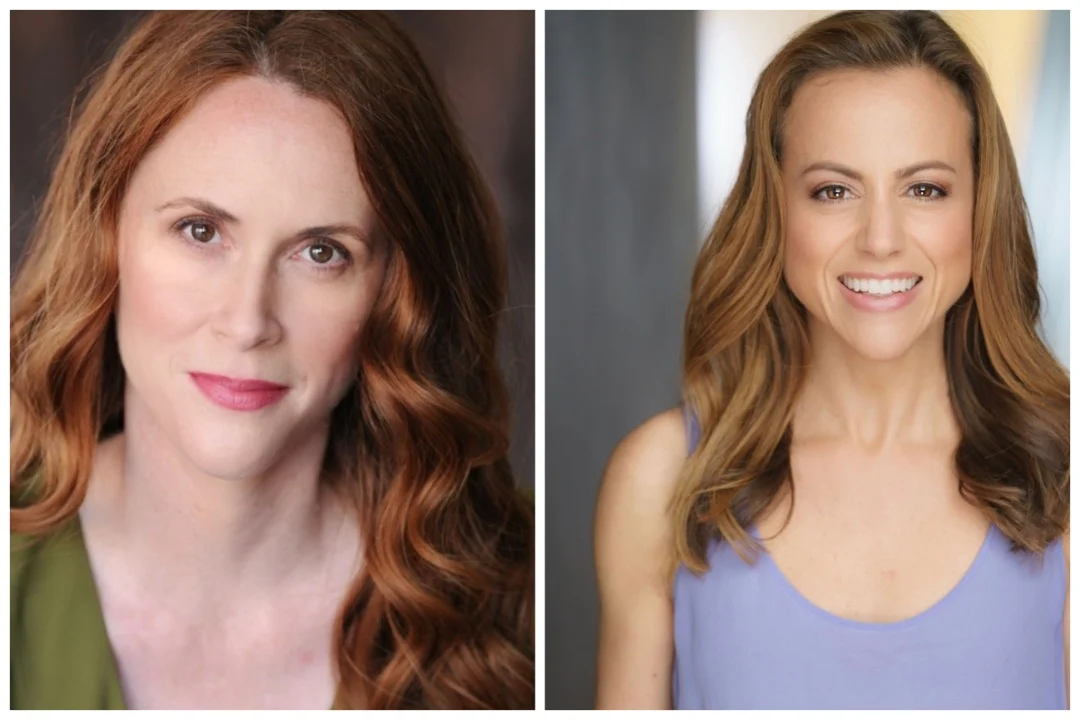
The landscape of opera is undergoing a significant transformation, marked by a burgeoning interest in chamber opera and a strategic shift towards smaller, more intimate performance venues. This evolution is not only captivating composers like Missy Mizzoli and Nico Muhly but also inspiring innovative producers such as Pocket Opera and West Edge Opera, who are actively seeking out non-traditional spaces to present their work. The minimalist approach to opera, often staged in smaller halls, consistently draws new, younger, and more engaged audiences. Companies like San Francisco’s Opera Parallèle are leveraging chamber-sized productions and adventurous collaborations to expand their reach, proving that scaled-down opera can ignite creative imagination and cultivate a burgeoning fanbase, all while sidestepping the prohibitive costs associated with elaborate sets and full-scale orchestras.
In the vibrant, yet intimate, community of Santa Cruz, California, a compelling narrative of entrepreneurial spirit and artistic innovation is unfolding. Lori Schulman and Jordan Best, both conservatory-trained sopranos, have embarked on a pioneering venture, staging pared-down, intimate versions of classic operatic works. Their chosen venues—coffee houses, wineries, breweries, and church fellowship halls—are a far cry from the gilded opera houses of tradition, yet their performances have resonated deeply. Audiences have been captivated by their renditions of pieces as diverse as Bach’s "Coffee Cantata" and Puccini’s "La Bohème." This venture, launched just two years ago, has already achieved significant initial success, with word-of-mouth continually spreading and fueling plans for future productions. OperaWire sat down with Schulman and Best for an exclusive interview to delve into the genesis of their project and their vision for the future of opera.
The Genesis of a Partnership: From Audition Rivals to Artistic Allies
The serendipitous meeting of Lori Schulman and Jordan Best occurred in 2020, on the cusp of the global pandemic, during an audition for Stephen Sondheim’s "Candide." Both singers were vying for the same role, a common scenario in the competitive world of opera. Despite the competitive nature of the audition, an immediate connection was forged. Unfortunately, the production was soon after canceled due to the unfolding COVID-19 crisis, leaving their nascent professional relationship in limbo.
The following year, fate intervened once more, bringing them together at another callback, this time for Gilbert and Sullivan’s "The Pirates of Penzance," again for the same part. It was after this audition that their connection deepened. They found themselves in a parking lot, engaged in a conversation that stretched for approximately three hours. This extended discussion revealed a profound shared passion for opera, coupled with a growing concern about its declining and aging audience base.
Beyond their artistic common ground, Schulman and Best discovered a shared experience as mothers navigating a demanding industry. They openly discussed the challenges of balancing a career in opera with family life, acknowledging the often-incompatible rehearsal schedules and the lack of robust support systems for artists with children. Their conversation also touched upon the abundance of talented female singers in the field and the persistent issue of limited leading roles, fostering a sense of solidarity and a desire for greater opportunities. This pivotal conversation, characterized by shared frustrations and aspirations, marked the true beginning of their collaborative endeavor.
Best elaborated on this initial encounter, recalling, "We first met at a callback for ‘Candide’ with Cabrillo Stage. We were called back for the same role and I really liked Lori from the start. I was remembering how much I did not enjoy the competition aspect of auditions and was wishing there were more parts for women in the show (and almost every show) so that we could actually sing together. Lori got the part (and then it got cancelled from Covid) and I met her again at a callback for ‘The Pirates of Penzance’ – again for the same role. Her voice was again a better fit for the part, and I knew she would get it, but I really wanted the chance to perform with her. We talked in the parking lot for a very long time afterward and both let it all out." This candid exchange laid the foundation for their future partnership.
Redefining Opera: Inspiration, Innovation, and Accessibility
The core inspiration behind Schulman and Best’s project stemmed from a deeply held belief that opera, while a profound art form, was becoming increasingly inaccessible and perceived as elitist by many. They identified several barriers that deterred potential audiences, including a lack of arts education, the perceived complexity of language, high ticket prices, and the challenges of maintaining attention in an era saturated with digital distractions.
"From the beginning, we knew we wanted to create our own adaptations," Schulman explained. "As we planned our first production, our goal was to bring new audiences into the art form. We spent a lot of time talking about why so many people—especially our friends outside the arts—felt opera wasn’t for them. There are many barriers: lack of arts education, language, cost, and even attention span in a world that is full of digital distractions."
Best echoed this sentiment, emphasizing their frustration with the perceived "gatekeeping" within the industry. "I think that it started from Lori and I being frustrated with the gatekeeping that goes on with the industry and how elitist and snobby it can come across," she stated. "We truly believe that opera offers something that is felt deeper than a lot of theater or musical theater and can be felt viscerally. You do not need any special education or understanding of music if it’s done well. Mozart is hilarious (and exciting and even a bit naughty at times), and not at all boring."
Their approach is rooted in the historical context of opera, which was not originally conceived as an exclusive or overly formal experience. "Opera wasn’t originally intended to be an elite or overly formal experience, so we asked ourselves: how can we stay true to the tradition while presenting it in a way that resonates today?" Best pondered. "At its core, opera is storytelling through incredible music."
Their first production, an adaptation of Mozart’s "Le Nozze di Figaro," exemplified this philosophy. They focused on strong singer-actors, a chamber ensemble, and a welcoming venue, aiming to immerse the audience in the action rather than creating a sense of distance. The inclusion of elements like themed drinks and a narrator to guide the story further enhanced this inclusive atmosphere. The production’s unexpected success, selling out and receiving enthusiastic reception, provided the crucial validation and confidence needed to continue. This initial triumph paved the way for their establishment as a 501(c)(3) non-profit organization, allowing them to pursue increasingly ambitious and creative productions.
Unexpected Triumphs and Lessons Learned
The journey of adapting opera for new audiences has yielded both remarkable successes and valuable lessons. One of the most surprising revelations was the effectiveness of singing Italian opera in English. Best shared her initial reservations, "I was surprised by how well it worked to sing Italian opera in English (‘La Bohème’). I was quite against it because singing in Italian feels so much better than English." However, a preview performance of a duet from "La Bohème" in English during a fundraiser proved transformative. The audience experienced a heightened sense of connection and immediacy, unhindered by the need to consult translations. "We were all more ‘in the moment’ together, more connected, which is the whole reason Lori and I set out to do this to begin with," Best explained. "It’s not about showing off what our voices can do or preserving a vintage art form. It’s about connecting and feeling and humanity and all of that seems to happen a bit easier when we are speaking the same language. That is also a big part of what we mean by ‘accessible’ opera."
Schulman highlighted the consistent success of their immersive productions. "Our immersive productions have consistently exceeded expectations," she stated. "Audiences really want to feel like part of the experience—especially now, when there’s so much high-quality content available at home. When people go out, they’re looking for something unique and engaging."
Their "Opera Uncorked" and "Opera on Tap" events, which pair wine or beer tastings with operatic performances, have also proven exceptionally popular. This innovative format offers a fun and approachable entry point for opera novices while providing a novel experience for seasoned enthusiasts. "Each wine or beer in a tasting flight is paired with a singer performing a piece that shares similar ‘notes,’" Schulman elaborated.
A bold artistic choice that garnered significant acclaim was casting a female Rodolfo in their production of "La Bohème." This decision, following a successful gender-swap of a supporting role in "Figaro," was seen as a significant artistic statement. Best explained the rationale: "We were excited to make the choice because we had such an excellent artist (Diane Syrcle) up for the role and we knew that we would never find a tenor that could act and sing as well as her. We also loved the idea of putting a same-sex love story front and center in an opera and not having it be about that. It was so well received and we loved it so much, we went out of our way to cast a soprano for our Rodolfo in June."
However, not all experimental formats have achieved the same level of success. Schulman noted that their "Opera Open Mic" concept, which aimed to present opera in an open mic style with genre mashups, "didn’t land quite as strongly." While the idea held potential, it required further refinement to fully resonate with audiences.
Best also candidly addressed the challenges of taking on too many responsibilities simultaneously. "Producing a show and performing in it at the same time is not for the faint of heart," she admitted. "It feels like having to flip a switch in my brain to go on stage and be in the moment, and I do think that I would enjoy the performances better if I had to do less before. We are learning and doing our best to delegate so that we can at least use the time right before a performance to think about the actual performing and less about whether there are enough seats or a ticketing snafu." This self-awareness underscores their commitment to continuous improvement and sustainable growth.
The Performer’s Foundation: Skills Forged in the Crucible of Performance
The extensive backgrounds of Schulman and Best as professional singers have profoundly shaped their approach to creating and performing in their opera projects. Schulman emphasized how her diverse performing experiences—spanning opera, musical theater, concert work, and chamber music—have instilled a crucial flexibility. This adaptability is indispensable for productions staged in unconventional and often challenging environments.
"My background as a performer has shaped the way I approach the work we do with Santa Cruz Opera Project," Schulman explained. "I’ve done a wide range of things—opera, musical theater, concert work, and chamber music—which has made me pretty comfortable moving between different styles and settings. That flexibility has been crucial for the kind of productions we create, especially in non-traditional spaces."
Her experience performing in intimate settings as a soloist and chamber musician has also informed her understanding of storytelling. "I’ve also spent a lot of time performing in more intimate settings as a concert soloist and chamber musician, which has influenced how I think about storytelling," she shared. "When the audience is close, everything has to feel more immediate and real, and that’s exactly the kind of experience we’re trying to create." Furthermore, her experience as a teacher has honed her communication skills, enabling her to effectively connect with and engage audiences from all backgrounds. "Teaching has also played a big role. It’s helped me learn how to communicate more clearly and meet people where they are, which is such a big part of what we do—making opera feel accessible and engaging, no matter someone’s background or experience with it."
Best, who has been immersed in opera since her teenage years and holds advanced degrees in voice and opera performance, identified her entrepreneurial drive as a key differentiator. "I have been studying/singing opera since I was 16 and then got Bachelors and Masters degrees in Voice/Opera Performance, but I think beyond that what pushed me to create my own thing was my frustration with the industry," she stated. Her proactive nature and experience in founding other performing arts non-profits provided a solid foundation for this new venture. "I have always enjoyed starting new things and doing them my own way, especially if a road or door was blocked to me or others. I had already started two other performing arts non-profits with success and I knew from these experiences that it could be done, but also learned that it is only sustainable through collaboration with like-minded colleagues."
A Symbiotic Division of Labor: Steering the Creative and Operational Ship
The effective division of responsibilities between Schulman and Best is a cornerstone of their organizational success. Best currently operates as the Managing Director, overseeing essential operational aspects, while Schulman thrives in a more creative capacity.
"Lori now acts as our Managing Director where I thrive more on the creative side," Best clarified. "Nothing would get done without Lori. She is now paid (not enough) for her role, and we are learning to delegate duties and have learned that hiring a stage manager is essential if Lori and I are performing in the show. Our volunteers and board get asked to help out, especially with fundraising, and we still rely mostly on word-of-mouth for publicity beyond social media."
Schulman elaborated on her specific responsibilities: "I handle production management, venue scouting, and fundraising. We also bring in a stage manager and director for each production."
Best’s creative contributions are extensive. "Jordan has an incredible eye for design and is very creative—she leads our costuming and graphic design, and while we collaborate on adaptations, she does the bulk of the writing," Schulman noted. She provided specific examples: "For ‘Die Fledermaus,’ the adaptation was a collaborative effort between Jordan, me, and our director, Andrea Hart." For "La Bohème," Best took the lead, crafting the entire adaptation herself. "It’s fantastic—deeply connected to our community and tailored specifically to Santa Cruz. It’s set in a contemporary context and even shaped around the specific venue, Woodhouse Brewery, which makes the experience feel especially immediate and relevant."
Their working dynamic is characterized by seamless collaboration and mutual respect. "We work together quite seamlessly," Schulman affirmed. "Our ideas are often aligned, and we greatly respect each other’s artistry. We each bring different strengths to the table, which allows us to cover all aspects of running the company while still collaborating closely on the artistic vision."
The Art of Adaptation: Refining Narratives for a Modern Audience
The process of editing and adapting operatic selections is a central and deeply enjoyable aspect of their work. Best views the freedom to alter stories and condense pieces as essential for maintaining the relevance and relatability of operatic narratives. She acknowledges the historical gender imbalance in opera, noting that characters have predominantly been conceived and written by men. "This has been one of the most fun parts of the job for me," Best enthused. "The freedom that we have to change the story and cut the piece is essential to keep the stories fresh, relatable and relevant. Opera is not kind to women and the characters themselves have (mostly) been created by and written by men. The music is too good to let it go, so editing and finding the balance of holding up the integrity of the work and making it something that I am proud to stand behind is an exciting challenge."
Their approach to translation is meticulous. For "Die Fledermaus," they collaborated on an English translation. Best then undertook the creation of a new translation for "La Bohème" independently, ensuring a flexible foundation for the creative process. "I was set on making sure that we had all the flexibility we desire for our upcoming ‘Boheme,’ so I wrote a new translation on my own so that we would have at least a bare bones version to mess with as we go through the creative process," she explained. This approach allows for further adjustments during rehearsals, ensuring that the libretto feels authentic and sings well for each performer. Best also hinted at other translation and concept projects in development.
Defining Parameters: The Pursuit of Impact and Brevity
A key parameter guiding their productions is a commitment to keeping performances under two hours. This often necessitates cuts to characters or large choruses, a process Best approaches with careful consideration to avoid diluting the dramatic integrity of the work. "Our goal is always to keep our performances under two hours," Best stated. "Often, we have cut some of the characters and/or large choruses and that is enough to tighten it up. It’s important to me that making anything shorter isn’t ‘watering down’ the material in any way, so it can be tricky knowing what gets cut and what doesn’t. I don’t have much interest in doing opera ‘light.’ I want all the drama and passion and elements that the composer originally crafted. We have to consider many factors to find the right balance dramatically." This dedication to preserving the core essence of the opera, while adapting it for contemporary audiences, is a testament to their artistic vision.
The movement towards chamber opera and the innovative approaches taken by Schulman and Best represent a vital and dynamic evolution within the operatic world. By embracing unconventional venues, prioritizing audience engagement, and boldly reimagining classic works, they are not only making opera more accessible but also ensuring its continued relevance and vitality for future generations. Their success in Santa Cruz serves as a compelling model for how opera can thrive by adapting to changing times and connecting with audiences on a deeply human level.