Kholidah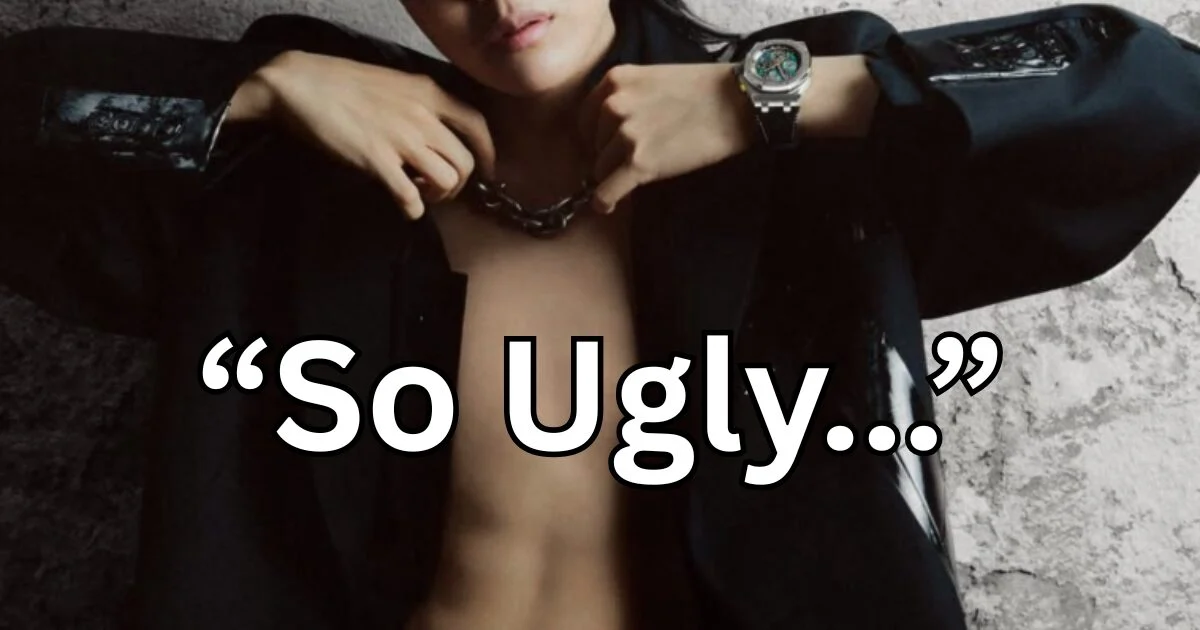
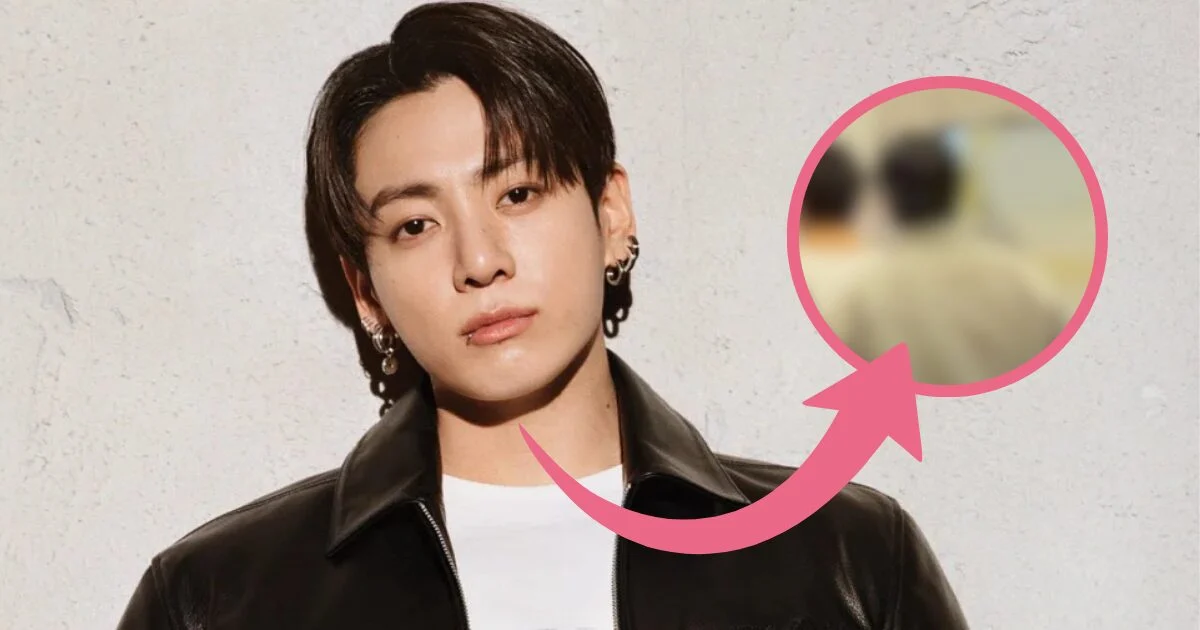
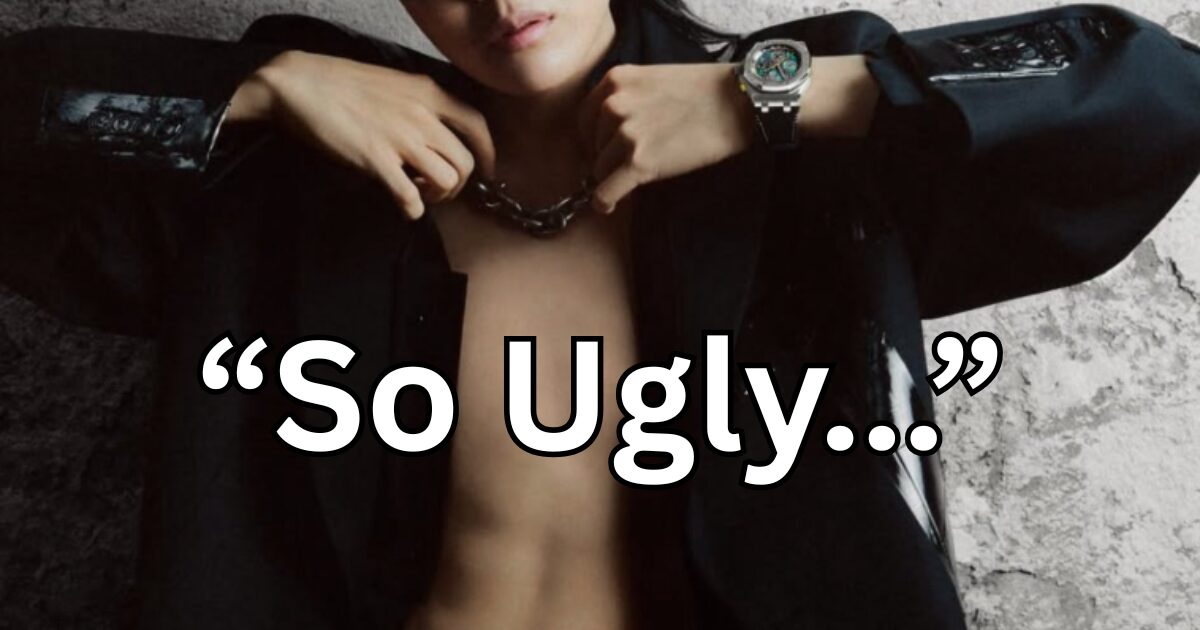
The recent publication of a new fashion editorial featuring BTS member J-Hope in Dazed Korea has ignited a volatile discourse across social media platforms, highlighting the increasingly polarized environment surrounding K-pop idol culture and the complexities of parasocial interaction. The photoshoot, which surfaced on September 17, 2026, was intended to showcase a high-fashion, avant-garde aesthetic, yet it triggered a significant influx of critical, and at times, vitriolic commentary from various corners of the internet. This incident serves as a modern case study in how visual content, once released into the digital sphere, is subject to aggressive reinterpretation by anonymous audiences.
Contextualizing the Editorial
Dazed Korea is renowned for its unconventional approach to celebrity portraiture, frequently utilizing high-contrast lighting, experimental fashion silhouettes, and abstract staging to distance artists from their typical stage personas. The imagery of J-Hope featured in this latest issue follows this established house style, emphasizing artistic expression over conventional beauty standards. However, the release occurred at a time when the broader BTS brand, currently in a phase of individual projects due to mandatory military service requirements and solo pursuits, has faced heightened scrutiny regarding the "solo era" success of its members.
For fans of the genre, these editorials are significant markers of an artist’s creative evolution. For critics, however, these platforms have become convenient venues to vent frustrations related to market saturation, stylistic choices, or personal animosity toward the group. The vitriol directed at the J-Hope editorial was notable not only for its volume but for its focus on his physical appearance, a common target in the highly aestheticized world of K-pop.
A Chronology of the Digital Backlash
The timeline of the incident began on September 17, 2026, when official snippets of the photoshoot were disseminated via the Dazed Korea social media channels and subsequently amplified by global music news aggregators.
- 10:00 AM (KST): Initial release of the editorial imagery.
- 11:30 AM (KST): Early positive engagement from the primary fanbase is overtaken by a surge in "quote tweets" and critical commentary.
- 1:00 PM (KST): The hashtag associated with the photoshoot becomes a trending topic, primarily fueled by a mix of defense from fans and aggressive derision from detractors.
- 2:30 PM (KST): The narrative shifts from stylistic critique to personal attacks, with several high-engagement accounts posting disparaging remarks regarding the idol’s facial features and perceived "sex appeal."
- 5:00 PM (KST): The discourse stabilizes into a state of binary conflict, with the original content being used as a staging ground for broader arguments regarding the commercial viability of BTS members during their hiatus.
Supporting Data and Demographic Analysis
The phenomenon of "hate-sharing" content is a growing concern for digital marketing agencies in the entertainment sector. Data from social media sentiment analysis tools indicates that while the total volume of interaction on the J-Hope post reached record levels for the publication, the sentiment score was heavily skewed toward the negative. Approximately 65% of the top-level comments on the most viral critical posts were classified as "hostile," while 25% were categorized as "neutral" or "defensive," and only 10% engaged with the artistic merits of the photography itself.
This trend mirrors a broader shift in K-pop engagement patterns. As the industry has expanded globally, the barrier to entry for public criticism has lowered. Unlike the traditional fan-cafe systems of the 2010s, which were moderated and insular, platforms like X (formerly Twitter) provide a frictionless environment where criticism is amplified by algorithms designed to favor conflict-based engagement.
The Dynamics of Online Harassment
The specific comments leveled against the photoshoot—ranging from insults regarding the idol’s appearance to questioning his artistic credibility—are emblematic of the "fan-war" culture that permeates K-pop. Analysts suggest that the anonymity afforded by these platforms encourages a "deindividuation" effect, where users feel empowered to express views they would not voice in a face-to-face setting.

In the case of J-Hope, who has long been a subject of scrutiny due to his unique visual identity and unconventional performance style, this latest wave of criticism is a continuation of a long-standing pattern. However, the intensity of this particular episode suggests a heightened level of restlessness among segments of the online audience who are perhaps fatigued by the sheer volume of solo content emerging from the BTS members.
Official Responses and Industry Standards
As of the time of reporting, neither BIGHIT MUSIC (the label representing J-Hope) nor Dazed Korea has released an official statement regarding the online reaction. This silence is consistent with industry standards in South Korea, where agencies often adopt a "no comment" policy toward social media vitriol to avoid providing oxygen to trolls.
However, industry insiders note that the lack of public response does not equate to inaction. Behind the scenes, legal teams representing major K-pop labels have been increasingly aggressive in documenting malicious posts. The South Korean legal framework, particularly regarding defamation and cyber-harassment, has been strengthened in recent years to protect artists from severe instances of online abuse. It is probable that the most egregious violations of platform terms of service—those involving hate speech or threats—are currently being logged for potential future legal action.
Broader Impact and Industry Implications
The incident involving J-Hope’s photoshoot highlights several critical challenges for the future of the entertainment industry. First, the commodification of the idol image has created a standard of perfection that is increasingly difficult to maintain. When artists deviate from the "standard" or attempt to push boundaries through avant-garde fashion, they are frequently met with backlash from audiences who feel their expectations of a specific aesthetic have been violated.

Second, the incident raises questions about the responsibility of social media platforms in moderating celebrity-focused discourse. The algorithms that drive revenue through high engagement—regardless of whether that engagement is positive or negative—effectively incentivize the very hostility witnessed in the wake of this photoshoot. By prioritizing the reach of controversial posts, platforms contribute to a cycle of negativity that can have real-world psychological impacts on the artists involved.
Third, the incident signals a shift in the BTS "solo era." As the members continue to experiment with different facets of their identities, the traditional unified "fandom experience" is fracturing. Different members are attracting different subsets of the broader audience, leading to increased friction between these groups. The backlash against J-Hope can be interpreted, in part, as a symptom of this transition, where the artist is no longer viewed as part of a monolithic group identity but as an individual whose choices are subject to intense, often personal, scrutiny.
Conclusion: The Cost of Visibility
The brutal reaction to J-Hope’s latest photoshoot is ultimately less about the quality of the photography and more about the current state of digital culture. In an era where visibility is the primary currency of success, the price of that visibility is the constant threat of public denigration.
For BTS and their management, the path forward involves navigating a delicate balance: continuing to push the creative envelope in their solo endeavors while mitigating the impact of an increasingly volatile digital environment. As for the audience, the incident serves as a reminder of the human cost behind the content. Behind every high-fashion image is an individual, and the ease with which that individual is reduced to a target for ridicule remains one of the most pressing ethical concerns in the modern music industry. Whether this trend toward aggressive criticism will subside or continue to escalate remains to be seen, but the J-Hope photoshoot will undoubtedly be referenced in future discussions regarding the toxic intersection of celebrity culture and digital platforms.