Reynand Wu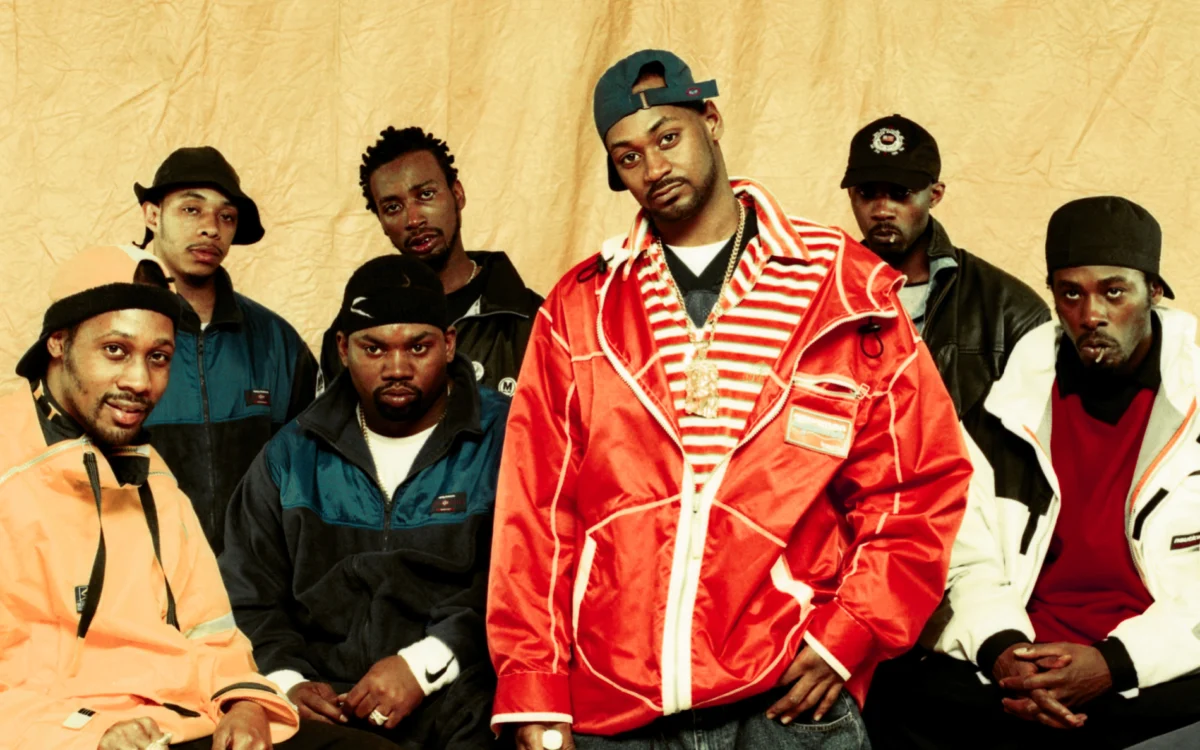
The Staten Island-bred collective Wu-Tang Clan has officially been named as a member of the Rock & Roll Hall of Fame Class of 2026, marking a historic milestone for hip-hop and the cultural preservation of the genre. The announcement, delivered on Monday, April 13, confirms that the group—led by RZA, GZA, Method Man, Raekwon, Ghostface Killah, Inspectah Deck, U-God, Masta Killa, and the late Ol’ Dirty Bastard—will be enshrined during a formal ceremony scheduled for November 14 at the Peacock Theater in Los Angeles. This induction serves as a definitive validation of the group’s immense influence on global music, fashion, and business over the past three decades.
A Diverse Class of 2026
The 2026 induction class reflects the evolving definition of "rock and roll" as viewed by the Rock & Roll Hall of Fame Foundation. Joining the Wu-Tang Clan in the performer category are a diverse group of global icons: the soulful R&B legend Sade, the late R&B trailblazer Luther Vandross, the Britpop titans Oasis, heavy metal pioneers Iron Maiden, legendary solo artist and drummer Phil Collins, the punk-rock icon Billy Idol, and the seminal post-punk collective Joy Division/New Order.
In addition to the main performers, the foundation recognized the profound impact of two rap pioneers: Queen Latifah and MC Lyte. Both artists will be honored with the "Early Influence" award, a distinction that acknowledges their roles in breaking down barriers for women in hip-hop and establishing the lyrical and commercial foundations of the genre during the late 1980s and early 1990s.
The Evolution of Hip-Hop in the Hall
The inclusion of Wu-Tang Clan, Queen Latifah, and MC Lyte brings the total number of hip-hop acts honored by the institution to 18. This represents a significant shift in the Hall’s demographic focus, which for decades was criticized for favoring classic rock and blues acts.
The timeline of hip-hop’s integration into the Hall began in 2007 with the induction of Grandmaster Flash and the Furious Five. Following this, the institution gradually opened its doors to the architects of the genre. The chronology of hip-hop inductees is as follows:
- 2007: Grandmaster Flash and the Furious Five
- 2009: Run-DMC
- 2012: Beastie Boys
- 2013: Public Enemy
- 2016: N.W.A.
- 2017: Tupac Shakur
- 2020: The Notorious B.I.G.
- 2021: Jay-Z
- 2022: Eminem
- 2023: Missy Elliott
- 2024: A Tribe Called Quest
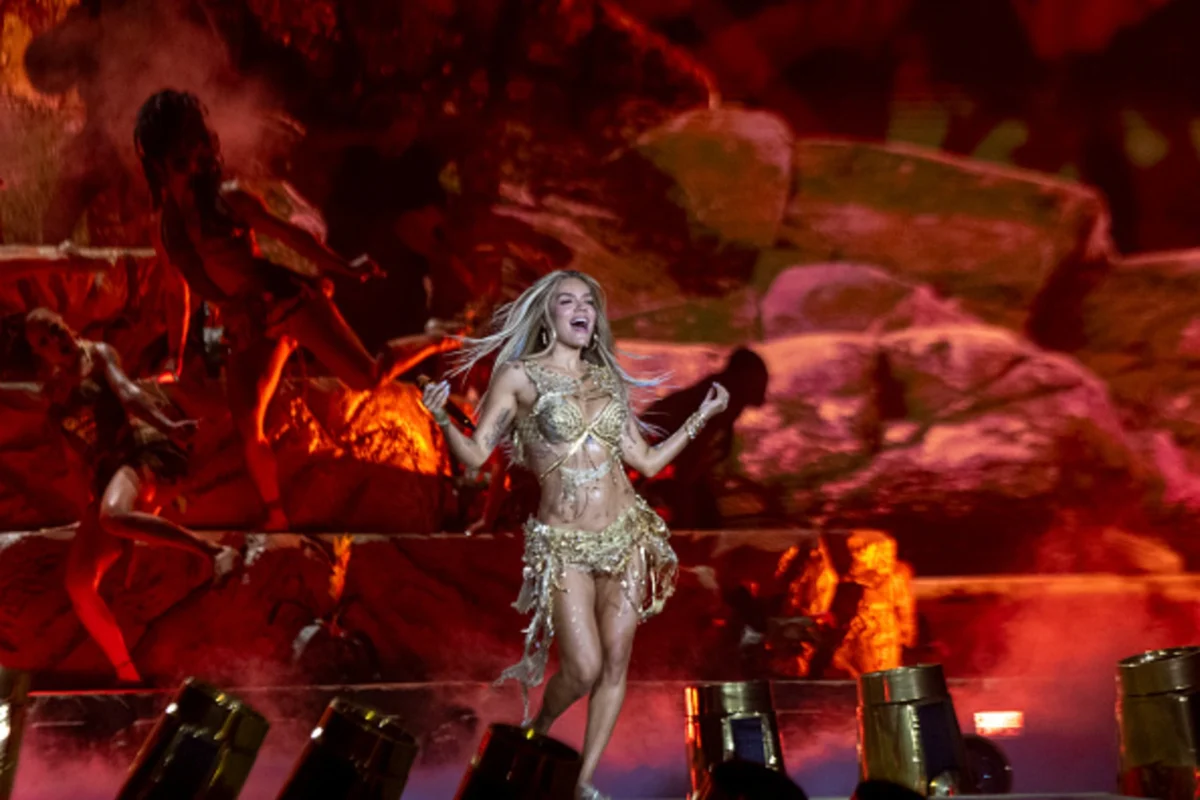
The process for selection is rigorous, involving a voting body of over 1,200 artists, historians, and music industry professionals. Despite the high caliber of this year’s nominees, the democratic nature of the vote meant that notable figures—including Lauryn Hill, Mariah Carey, and Shakira—did not receive enough support for inclusion in the 2026 cycle.
Official Responses and Reflections
The announcement has elicited a wave of gratitude and reflection from the members of the Wu-Tang Clan. RZA, the group’s de facto leader and producer, took to social media to express the weight of the achievement. "In all humility. This announcement filled me with joy, proudness, profound achievement, and awe," RZA stated. "I’m grateful to all my brothers and those who helped us on the path. Thank you Rock & Roll Hall of Fame. This is a true Triumph — Wutang Forever."
Raekwon, known for his seminal contributions to the group’s storytelling and the Only Built 4 Cuban Linx project, framed the induction as the ultimate accolade for their collective journey. "History books will know this club! This is my Grammy. What we talking about! Shout out to all our mothers who birthed these men. They won tonight," he remarked. GZA echoed these sentiments, emphasizing the communal effort behind their success, noting, "We couldn’t have reached this milestone without our hip-hop predecessors, fans, collaborators, friends, and family."
The Cultural Significance of the Wu-Tang Clan
The induction of the Wu-Tang Clan is particularly notable due to the group’s unique business model and aesthetic. Emerging from the Staten Island projects in the early 1990s, the group introduced a complex, grimy, and martial-arts-influenced sound that challenged the polished commercial rap of the era. Their debut album, Enter the Wu-Tang (36 Chambers), is widely considered one of the greatest albums in music history, having shifted the trajectory of East Coast hip-hop.
Beyond the music, the group pioneered the "collective" model, where individual members maintained solo careers while remaining part of the unified "Wu-Tang" brand. This approach allowed for an unprecedented level of creative autonomy and diversified income streams, including fashion lines, video games, and film scores. Their influence extends far beyond the recording studio, having established a blueprint for how hip-hop artists could maintain creative control while achieving massive commercial scale.
Broader Implications and Industry Impact
The inclusion of such a diverse array of artists—from the heavy metal sound of Iron Maiden to the synth-pop foundations of New Order—signals that the Rock & Roll Hall of Fame is moving toward a more inclusive definition of the term "rock and roll." Historically, the term was applied strictly to guitar-driven music, but the current board of the Hall of Fame appears to be embracing a "spirit and attitude" definition, acknowledging that hip-hop, R&B, and post-punk share the same rebellious, boundary-pushing DNA.
The November 14 ceremony, which will be broadcast on ABC and Disney+ in December, is expected to be a major cultural event. It will likely highlight not only the musical contributions of the inductees but also their societal impact. For the Wu-Tang Clan, the honor serves as a symbolic closing of a loop that began in the underground scenes of New York City and ends in the highest echelons of music preservation.
As the industry prepares for the ceremony, observers are looking toward the future of the institution. With the bar now set by the inclusion of the Wu-Tang Clan, the question remains as to which other genre-defining acts will follow in the coming years. For now, however, the focus remains on the "Class of 2026," a group that captures the breadth and depth of modern musical history.
Statistical Context: The Voting Process
The selection process for the Hall of Fame remains a subject of intense scrutiny within the music industry. Candidates become eligible 25 years after the release of their first commercial recording. Once eligible, the nominations are determined by a committee, and the final inductees are selected by the aforementioned voting body. The "Early Influence" category, which includes Queen Latifah and MC Lyte, is selected by a separate committee, allowing the Hall to recognize artists who may not fit the traditional performer criteria but whose impact is undeniable.
This year’s results confirm that while the voting body remains traditional in its scope, it is becoming increasingly sensitive to the historical significance of hip-hop, ensuring that the legacy of the late 20th-century American music landscape is properly documented for future generations. The inclusion of Wu-Tang Clan ensures that the spirit of the "36 Chambers" will now resonate within the halls of history, cementing their status as legends of the art form.