Nayara Elvina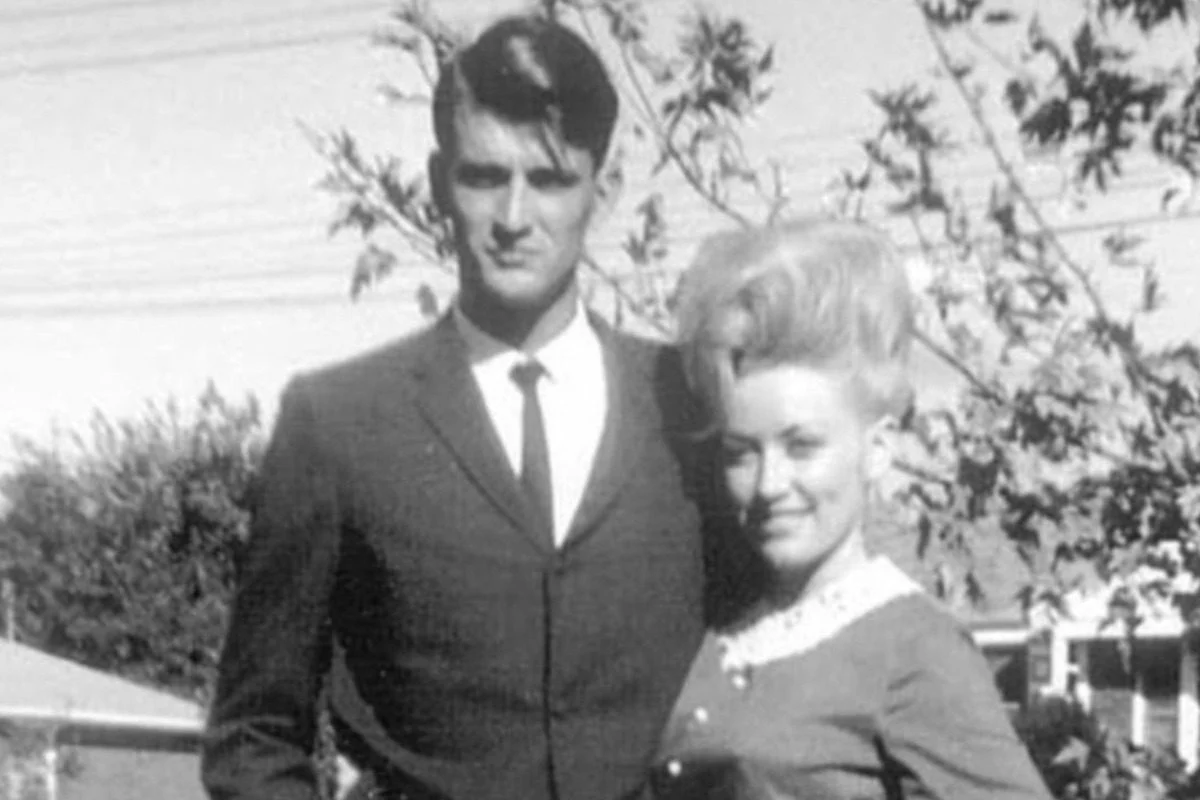
The global entertainment community and millions of devoted fans are mourning the loss of legendary singer-songwriter Dolly Parton, who passed away on August 25, 2026, at the age of 80 in Nashville, Tennessee. Parton, an iconic figure in country music and pop culture, had been quietly managing undisclosed health complications over the final year of her life, including struggles with severe kidney stones. According to official statements from her representatives, her passing followed a brief, private battle with cancer, though the specific diagnosis was not publicly disclosed.
Her death comes approximately 17 months after the passing of her husband of nearly six decades, Carl Thomas Dean, who died at the age of 82. The union between Parton and Dean stood as one of the most remarkable and enduring relationships in the history of the entertainment industry. For nearly 59 years of marriage—and 60 years together overall—the couple maintained a dynamic defined by mutual respect, starkly contrasting personalities, and Dean’s steadfast refusal to participate in the machinery of show business.
A Fateful Meeting and Secret Beginnings
The story of Dolly Parton and Carl Dean began in 1964 under cinematic circumstances. Parton arrived in Nashville, Tennessee, on the very same day she encountered Dean outside the Wishy Washy Laundromat on Augusta Street. Parton was just 18 years old, fresh from rural Sevier County, Tennessee, with aspirations of making it in the country music capital. Dean, a 21-year-old local entrepreneur who would later run a successful asphalt paving business, was immediately captivated.
Following a courtship of two years, the couple decided to wed in 1966. However, the timing presented professional hurdles. Parton had recently signed her first major recording contract with Monument Records. Executives at the label strongly advised her against marrying, warning that settling down at the onset of a nascent career could potentially tarnish her commercial image and alienate fans.
Paying little heed to industry expectations, Parton and Dean chose a private route. On May 30, 1966, accompanied only by Parton’s mother, Avie Lee Parton, the couple crossed state lines into Ringgold, Georgia, and were married quietly at a local courthouse. It was a pragmatic decision that set the tone for how they would manage their personal and professional boundaries for the next half-century.
The Recluse and the Superstar
While Parton’s career skyrocketed, propelling her to international superstardom through crossover hits, Hollywood films, and philanthropic endeavors, Dean maintained a strict policy of public invisibility. He never walked a red carpet, virtually never attended industry events, and steadfastly avoided television appearances or interviews.
This strict separation of church and state regarding fame was established early on. In a revealing interview with Gayle King for CBS Mornings, Parton’s younger sister, Stella Parton, shed light on the unique operational model of the marriage. Stella recalled attending the 1967 BMI Awards in Nashville, where a 21-year-old Dolly won her first major songwriting accolade for the track "Put It Off Until Tomorrow." Dean had accompanied them, dressed formally in a tuxedo to support his wife.
According to Stella, the reality of the crowded, high-pressure industry event proved to be an unpleasant experience for the naturally introverted Dean. Upon returning home that evening, Dean reportedly ripped off his necktie and declared that he would never attend another such function—a promise he kept for the remainder of his life.
"He adored her, he was fascinated with her," Stella Parton explained during the broadcast. "He thought she was funny like Tinker Bell, you know. And he was quiet and shy. Very much so. I was there the night that she won the first award in 1967… And he went back home with them that night, and he was yanking off his tie and everything ’cause he couldn’t stand all that crowd. And he said, ‘Now listen, I’m not doing this ever again.’ But they had a sweet, sweet romance."
Mutual Autonomy as a Foundation for Longevity
Despite his aversion to the entertainment industry, Dean’s detachment was never a reflection of a lack of support for his wife’s ambitions. Observers and family members frequently emphasized that Dean possessed a profound pride in Parton’s historic accomplishments. However, his ideal domestic environment stood in stark contrast to her globe-trotting career.
Stella Parton noted that Dean would have ideally preferred a simpler, more traditional domestic life—one where his wife spent her time at home with her hair in a ponytail, barefoot in the kitchen. Yet, crucially, neither partner ever attempted to reshape the other. Dean permitted Parton the absolute freedom to pursue her artistic destiny, while Parton respected her husband’s desire for anonymity and a quiet life away from the flashbulbs.
"No, he didn’t care about that at all," Stella stated regarding Dean’s lack of interest in his wife’s celebrity status. "He would rather her be at the house with her hair up in a ponytail, barefooted cooking in the kitchen and just, you know, messing around the house. I think that’s what he would’ve preferred… He was proud of her and he loved her enough to let her be what she was. That’s how I see it."
This deliberate boundary effectively insulated their relationship from the intense public scrutiny and tabloid culture that frequently destabilizes celebrity marriages. Because Dean was rarely photographed and guarded his privacy fiercely, the couple enjoyed a degree of normalcy that allowed their bond to deepen quietly over decades. On rare occasions, Dean did quietly participate in supporting Parton’s artistry; most notably, he made a subtle appearance on the cover of her 1969 solo album, My Blue Ridge Mountain Boy, captured from behind in a photograph that kept his features obscured.
Health Struggles and the Legacy of Hard Work
Following Dean’s passing at age 82 in early 2025, public speculation occasionally surfaced suggesting that Parton might succumb to grief, echoing the folkloric concept of a "broken heart." Parton herself addressed the profound loss in her music, releasing the emotional tribute track "If You Hadn’t Been There" shortly after his death to honor their enduring romance.
However, family members have pushed back against the narrative that grief alone caused the decline in Parton’s health. Stella Parton clarified that while her sister was profoundly impacted by the loss and the difficult final months of caring for her ailing husband, the primary driver of Parton’s physical exhaustion was her unrelenting work ethic.
"I think she was very sad, but I don’t think that’s why she got sick," Stella explained. "I think she worked too hard and didn’t maybe take as good care of herself as she should’ve."
Throughout her career, Parton maintained a punishing schedule that spanned songwriting, recording, touring, theme park management, and extensive charitable initiatives through her Dollywood Foundation and the Imagination Library. Even as her health began to deteriorate in her final year, she continued to work on creative projects, driven by a lifelong passion for her craft. Stella noted that during their final conversations, Parton was actively engaged in professional endeavors.
Cultural Impact and Enduring Significance
The passing of Dolly Parton marks the end of an era for American culture, closing the chapter on a career that defied musical genres, generational divides, and commercial expectations. Yet, alongside her massive catalog of recorded music, cinematic contributions, and philanthropic legacy, Parton and Carl Dean leave behind a masterclass in modern relationship management.
In an industry where high-profile partnerships are frequently commodified and placed under a constant microscope, their 59-year marriage demonstrated that privacy, mutual autonomy, and unwavering loyalty could withstand the pressures of extreme fame. By keeping their private life strictly separate from public consumption, they preserved a sanctuary of normalcy that sustained them both through decades of profound social and professional change.
As tributes pour in from fellow musicians, world leaders, and millions of fans across the globe, the memory of Dolly Parton remains inextricably linked to the values of authenticity, resilience, and deep-rooted love that defined both her art and her life alongside Carl Dean.