Aveline Kirana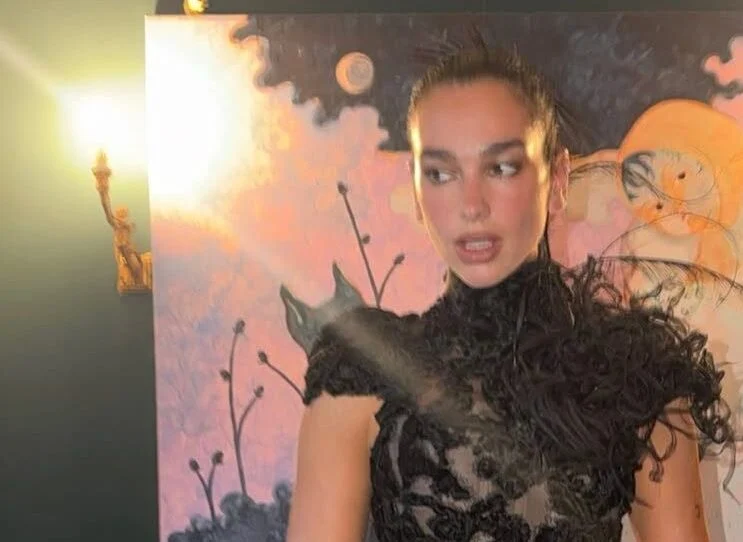
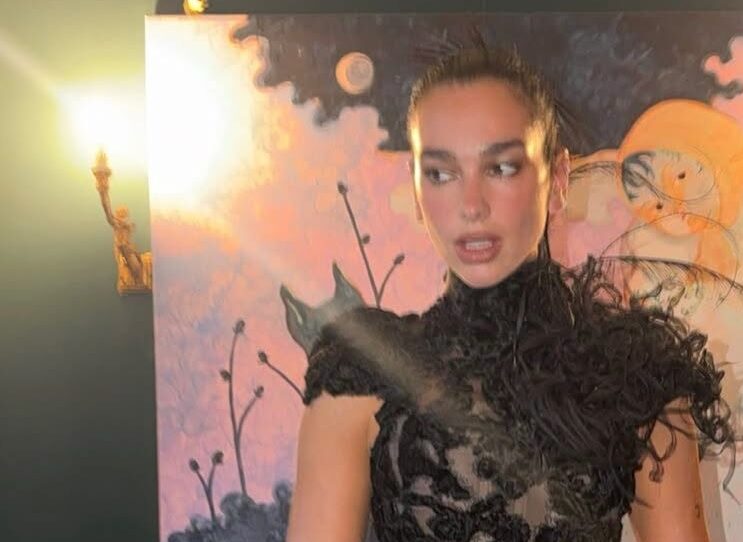
The prestigious Teatro alla Scala in Milan welcomed a global pop icon on September 19, 2026, as Grammy Award-winning artist Dua Lipa attended the season-opening performance of Giuseppe Verdi’s seminal masterpiece, La Traviata. The appearance served as the fulfillment of a personal ambition for the singer, marking a significant intersection between contemporary pop culture and the hallowed traditions of European operatic performance. Dressed in a sophisticated semi-sheer embroidered gown from the Ashi Studio Fall 2026 collection, Lipa’s presence in the historic auditorium underscored the evolving relationship between global entertainment figures and the world of high classical art.
A Long-Awaited Operatic Pilgrimage
For months leading up to the September premiere, Dua Lipa had signaled her intent to visit the historic venue. In an interview with Vogue Italia published earlier this year, the singer explicitly identified Teatro alla Scala as her most anticipated cultural destination. "The only reason I am saying it is because I haven’t been yet and I am dying to go," she told the publication. "I know that La Traviata is playing there in September, so I am trying to go see that."
Her attendance on opening night was not merely a passive observation; following the final curtain call, social media footage captured the singer on stage, engaging with the production environment. This interaction provided a rare glimpse into the convergence of modern celebrity and classical stagecraft, a trend that has seen theater houses increasingly leverage high-profile guests to broaden their demographic reach.
The Production: Verdi at La Scala
The 2026 production of La Traviata represents a cornerstone of the current operatic calendar at La Scala. The staging features a formidable international cast, including sopranos Nadine Sierra and Francesca Pia Vitale, alongside tenors Piero Pretti and Iván Ayón Rivas. The baritone roles are anchored by the vocal prowess of Boris Pinkhasovich and Amartuvshin Enkhbat.
La Traviata, based on Alexandre Dumas fils’ play La Dame aux Camélias, remains one of the most frequently performed operas in the global repertoire. Its inclusion in the La Scala season—running from September 19 through October 15, 2026—is a testament to the theater’s commitment to maintaining the core Italian canon while attracting top-tier vocal talent. The production’s aesthetic, characterized by the rigorous standards of La Scala’s creative team, serves as a benchmark for contemporary interpretations of Verdi’s work.
Pop Culture and Classical Music: A Strategic Intersection
Dua Lipa’s career trajectory has seen her transition from a burgeoning pop artist to a global multimedia powerhouse. Since the release of her debut, she has amassed a significant discography, most notably the Grammy-winning album Future Nostalgia, which cemented her status as a critical and commercial force, earning her first UK number-one album. Beyond music, her foray into film—including roles in Barbie and Argylle—has expanded her reach into the broader entertainment industry.
The intersection of such a figure with an institution as storied as Teatro alla Scala is not an isolated incident. In recent years, cultural institutions have increasingly recognized the value of "cultural diplomacy" via social media influencers and global music icons. By associating with the "temple of opera," artists like Lipa lend a modern luster to centuries-old traditions, while the opera house benefits from the immense digital visibility generated by the artist’s millions of followers.
Analyzing the Impact on Operatic Attendance
The presence of global icons at traditional venues like La Scala often sparks debate regarding the modernization of classical music. However, data suggests that such high-profile visits are instrumental in shifting perceptions of opera as an elitist or inaccessible art form.
- Digital Engagement: The use of social media platforms to document attendance at an opera house exposes a younger, digitally native audience to the aesthetics of high-art spaces.
- Tourism and Prestige: As a premier cultural destination in Milan, La Scala functions as a central pillar of the city’s luxury and tourism sectors. High-profile appearances reinforce the theater’s status as a "must-visit" landmark.
- Audience Diversification: While the core audience for opera remains traditional, the infusion of pop-culture relevance provides an opportunity for venues to cultivate a new demographic that may not have otherwise considered a subscription.
Chronology of the 2026 La Traviata Season
- Early 2026: Casting announcements for the upcoming La Scala season confirm a robust lineup for the September production of La Traviata.
- September 2026: Dua Lipa publicly expresses her desire to attend the specific production during an interview with Vogue Italia.
- September 19, 2026: Opening night of La Traviata. Dua Lipa attends the performance, documented via social media and post-show stage appearances.
- September 20 – October 15, 2026: The production continues its run, with industry experts monitoring the success of the casting choices and the subsequent surge in interest regarding the production’s remaining dates.
Professional Perspectives on the Event
While no official statement has been released by the Teatro alla Scala administration regarding the specific impact of Lipa’s attendance, industry observers note that the presence of high-profile guests is often treated with a degree of calculated silence to maintain the gravity of the performance. However, the optics of the event—a globally recognized pop star appearing in a custom Ashi Studio piece at the heart of European culture—aligns with the modern branding strategies of high-fashion houses and cultural institutions alike.
The choice of an Ashi Studio gown is particularly relevant. Known for its structural, architectural approach to couture, the brand resonates with the theatricality inherent in opera. The "semi-sheer" and "embroidered" nature of the garment suggests a deliberate effort to balance contemporary red-carpet aesthetics with the formal atmosphere of the Milanese opera house.
Historical Context: La Scala and Celebrity
Teatro alla Scala has a long history of hosting royalty, heads of state, and international celebrities. Founded in 1778, the theater is inextricably linked to the history of Italian opera. Hosting figures like Dua Lipa is a continuation of this tradition, albeit within the context of the 21st-century "celebrity economy."
The shift from the traditional opera-goer of the 20th century to the globalized audience of today requires a more fluid engagement strategy. When an artist of Lipa’s caliber posts content from within the auditorium, they are effectively providing a real-time endorsement to a global demographic. For an organization like La Scala, which relies on both ticket sales and international prestige to sustain its operations, this digital endorsement is invaluable.
Future Implications for the Industry
The success of the September 2026 run of La Traviata will likely be measured not only by box office revenue but by the sustained interest generated by the opening night’s media coverage. As the opera world continues to grapple with rising production costs and the challenge of attracting younger generations, the "Lipa effect"—the ability of a pop star to validate a high-culture experience—may become a recurring strategy for major European theaters.
Moreover, the event highlights the shifting nature of fashion and celebrity. In the past, the divide between the "pop star" and the "opera house" was rigid. Today, that boundary is increasingly porous. Musicians are seeking deeper cultural credentials, and theaters are seeking wider cultural relevance.
As the production continues its run through October 15, the legacy of the September 19 opening night remains a focal point for those interested in the future of the performing arts. Whether this event marks a permanent shift in how opera is marketed or remains a notable, yet singular, occurrence, it serves as a clear indicator of the power that pop-culture figures currently hold in shaping the public perception of historical institutions.
Conclusion
Dua Lipa’s attendance at the premiere of La Traviata in Milan was a masterclass in modern public relations and cultural integration. By aligning herself with one of the most prestigious artistic institutions in the world, she underscored the timeless nature of Verdi’s music while simultaneously bringing it into the digital conversation. As the theater world looks toward the future, the integration of such high-profile figures, combined with the continued excellence of world-class performers like Nadine Sierra and Piero Pretti, will be essential in ensuring that the grand tradition of opera continues to thrive in an increasingly fragmented media landscape.
The 2026 season at La Scala will undoubtedly be remembered for this unique intersection of melody and celebrity, proving that even as the world changes, the drama of La Traviata remains as potent as ever—perhaps even more so when witnessed by the icons of the modern age.