Nayara Elvina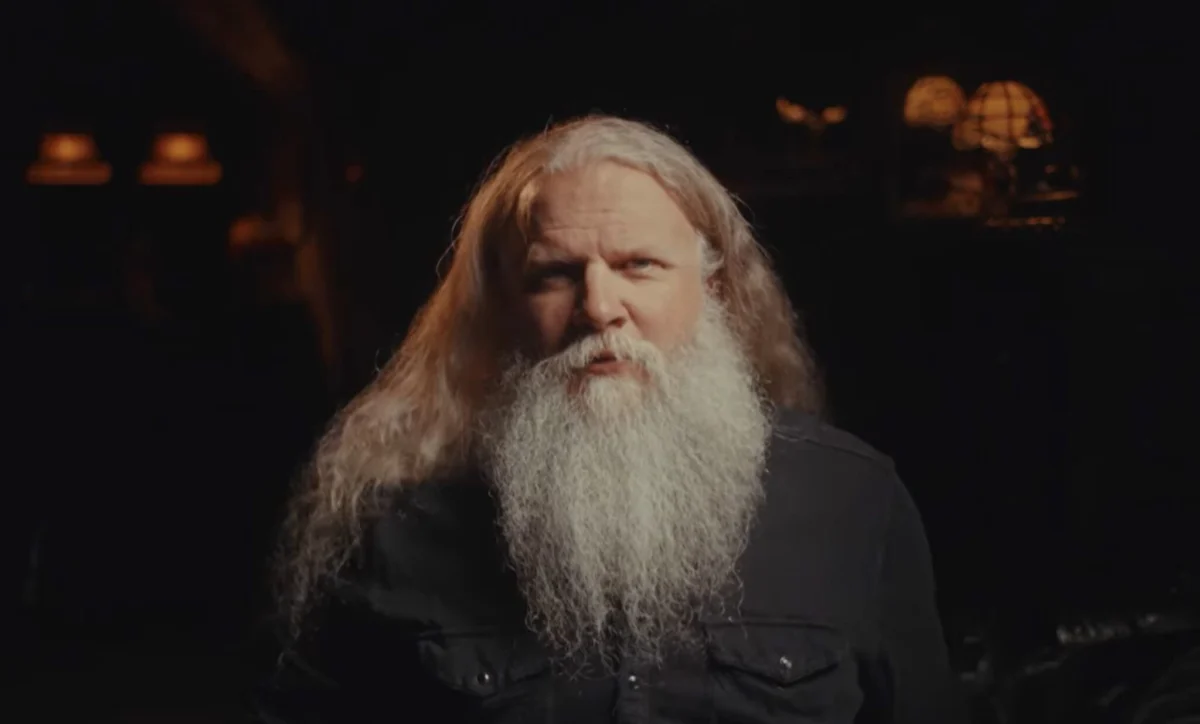
The transformation of Nashville, Tennessee, from a regional capital of country music into a sprawling, multi-industry metropolis reached a notable milestone with the global premiere of the upcoming feature film Heart of the Beast. Held in historic Franklin, Tennessee—located approximately 30 miles south of downtown Nashville—the high-profile screening brought major cinematic figures, including Hollywood star Brad Pitt, to the region. The event has catalyzed broader discussions regarding Nashville’s burgeoning role in the American entertainment sector, highlighting a structural shift that local stakeholders, industry analysts, and cultural figures believe could permanently alter the economic and creative landscape of Middle Tennessee.
Among those embracing the city’s evolving identity is prominent country music artist Jamey Johnson. Attending the red-carpet premiere of Heart of the Beast, Johnson articulated a sentiment increasingly shared by long-term residents and incoming corporate entities alike. Addressing local media outlets at the event, Johnson remarked on the shifting paradigms of the region, asserting that the coexistence of music and filmmaking represents the modern trajectory of the city.
This convergence of industries is no longer merely theoretical. In recent months, persistent industry rumors and reports have suggested that major Hollywood institutions, including Paramount Studios, are actively evaluating potential relocations or secondary operational hubs outside of California. Nashville has emerged as a leading contender in these preliminary feasibility discussions, with real estate scouts reportedly touring commercial properties in the greater metropolitan area. If realized, such a corporate migration would mark a historic turning point for a city that has spent the past decade aggressively diversifying its economic base beyond tourism and healthcare.
Chronology of Growth and Economic Diversification
To understand Nashville’s current appeal to the film industry, one must examine the rapid demographic and economic expansion that has defined the region over the past ten to fifteen years. Throughout the 2010s and early 2020s, Davidson County and its surrounding suburban communities—including Williamson County, where Franklin is situated—experienced unprecedented growth. At the height of the regional boom, an estimated 100 new residents arrived daily, attracted by a favorable business climate, the absence of a state personal income tax, and a vibrant cultural ecosystem.
Historically, Nashville’s economic pillars were anchored by healthcare operations, higher education, tourism, and, most prominently, the recording industry. However, the diversification of the local economy accelerated significantly following the COVID-19 pandemic. Major corporate relocations and expansions—spanning technology, automotive manufacturing, and corporate finance—solidified Nashville’s reputation as one of the most resilient and dynamic business hubs in the American Southeast.
The entertainment sector, while historically tied to audio recording, publishing, and live performance, has begun to intersect with visual media in structured ways. State-level tax incentives for film and television production, introduced and refined by the Tennessee General Assembly, have steadily increased the state’s competitiveness against traditional production centers like Georgia, California, and New York. As infrastructure improves and local crew bases expand, Nashville is increasingly equipped to handle large-scale commercial and feature film projects.
The Significance of the Heart of the Beast Premiere
The decision to host the global premiere of Heart of the Beast in Franklin rather than Los Angeles or New York underscores a decentralized strategy increasingly favored by major studios seeking distinct cultural backdrops and engaged regional audiences. The film, which stars Brad Pitt alongside an ensemble cast including J.K. Simmons and Anna Lambe, explores intense narrative themes that resonated with the local setting.
For Jamey Johnson, the venue held deep personal and professional resonance. Johnson recounted his history with the location, noting that before achieving national prominence as a singer-songwriter, he worked in the industrial sector for a local pump company, where part of his responsibilities included de-watering nearby rock quarries. Furthermore, the venue served as the site of his marriage in May, grounding his enthusiasm for the area’s development in personal history.
Beyond the physical location, Heart of the Beast features prominent ties to the local creative community. The official cinematic trailer is underscored by a cover of the classic song Stand By Me, performed by Nashville-based artist Stephen Wilson Jr. According to production notes, Pitt expressed immediate admiration for Wilson’s distinctive vocal delivery and emotional intensity upon hearing the track, prompting a comprehensive review of Wilson’s broader catalog and securing the song as the thematic anchor for the film’s promotional campaign.
Corporate Real Estate Speculation and Studio Relocations
The intersection of Hollywood capital and Middle Tennessee infrastructure extends far beyond promotional screenings. Over the past year, economic development analysts have closely monitored reports regarding Paramount Studios’ potential restructuring and geographical relocation strategies. As operational costs, regulatory pressures, and real estate overhead continue to rise in Southern California, legacy entertainment companies are undertaking strategic reviews of their long-term footprints.
Nashville has surfaced as a viable alternative due to its robust transportation networks—centered around Nashville International Airport—its expanding commercial real estate market, and its established reputation as a welcoming environment for creative professionals. While studio executives have not formally announced a definitive relocation to Tennessee, real estate brokerage sources indicate an uptick in inquiries regarding large-scale studio lots, soundstage capabilities, and corporate office spaces within the Davidson and Williamson County corridors.
Economic and Cultural Implications
The potential transition of Nashville into a recognized filmmaking center carries profound implications for the local labor market, municipal infrastructure, and cultural identity.
From an economic perspective, the arrival of major motion picture production and studio operations promises to diversify employment opportunities beyond tourism and hospitality. Film production generates substantial downstream economic activity, benefiting local vendors ranging from catering companies and transportation services to carpenters, lighting technicians, and equipment rental agencies. Furthermore, infrastructure investments—such as the construction of permanent soundstages and post-production facilities—would create stable, high-paying jobs requiring specialized technical skills.
Culturally, city planners and community leaders face the ongoing challenge of balancing rapid commercial expansion with the preservation of the region’s historic character. While the moniker "Music City U.S.A." remains central to Nashville’s global brand, the integration of a parallel cinematic industry threatens neither heritage nor identity; rather, proponents argue it expands the city’s portfolio as a comprehensive capital of the American arts.
As productions like Heart of the Beast continue to bridge the gap between Hollywood distribution networks and Southern creative talent, Nashville’s evolution from a regional recording hub to a nationally competitive media capital appears increasingly inevitable. Whether formalized through corporate relocations or sustained by an influx of high-profile premieres, the city’s modern identity is being forged at the intersection of sound and screen.