Aveline Kirana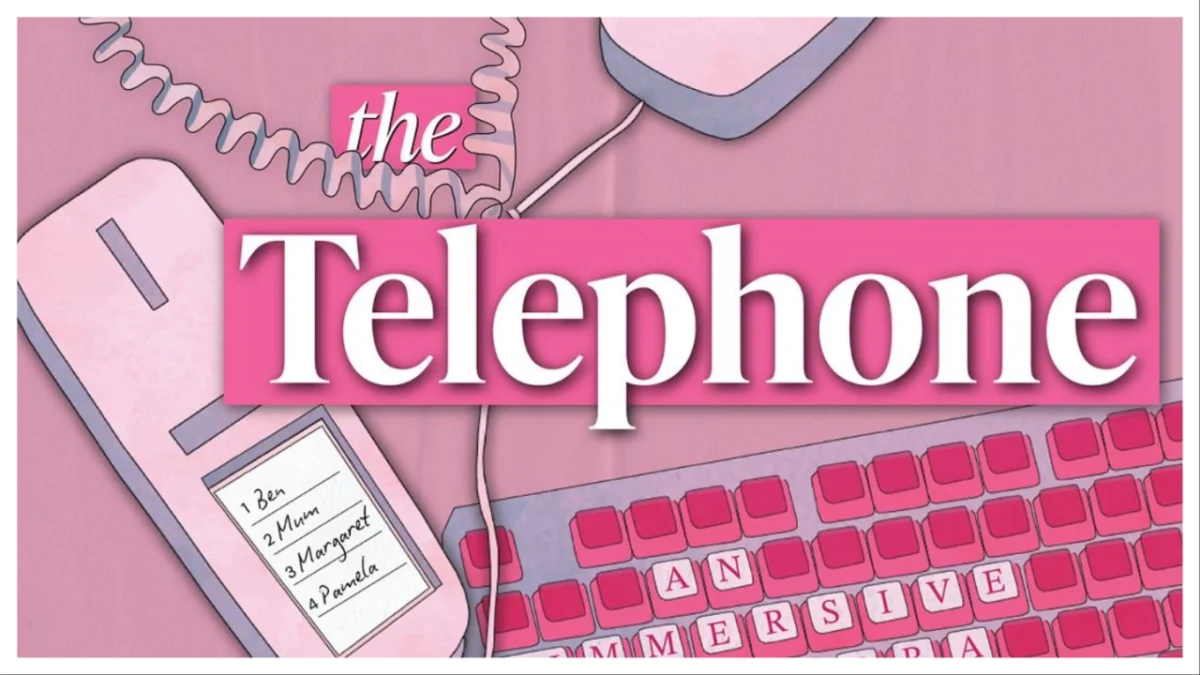
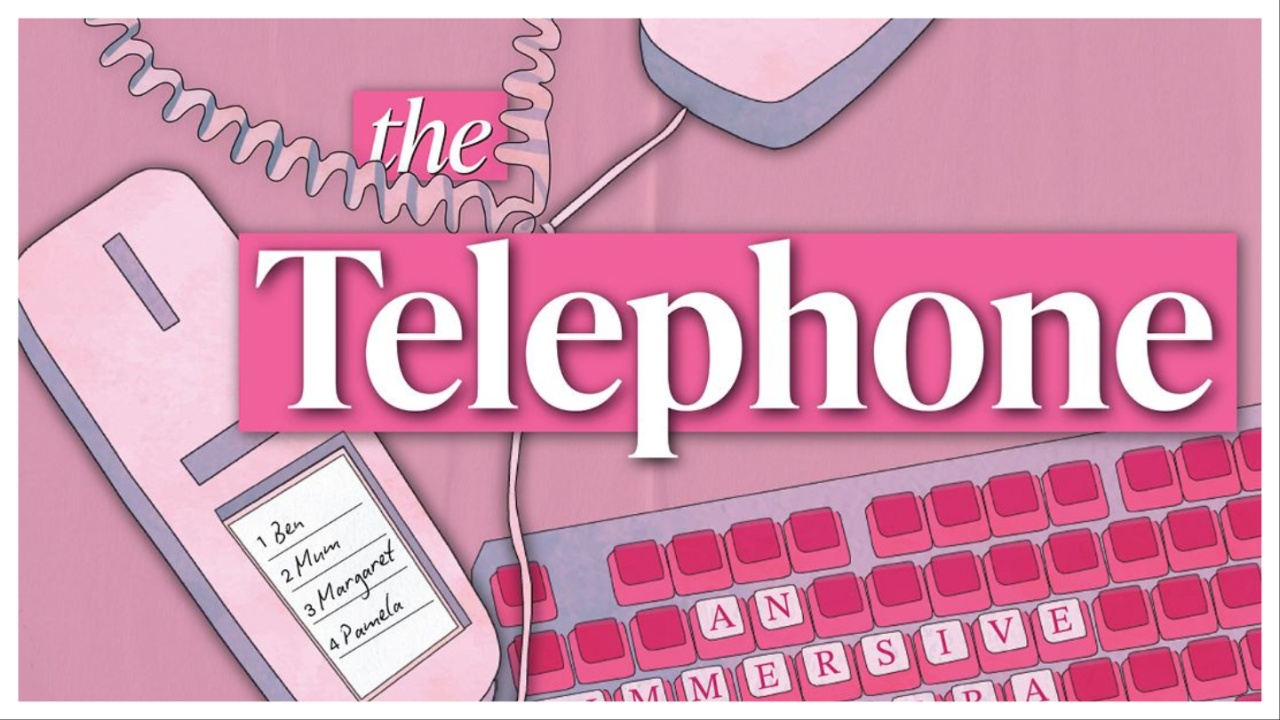
Gian Carlo Menotti’s 1947 comic opera, The Telephone, or L’Amour à trois, is undergoing a contemporary transformation this October as the London-based collective Opera UnTouched launches a multi-venue tour across the capital. By trading traditional proscenium arches for the glass-walled, high-traffic environments of modern co-working spaces, the production seeks to deconstruct the elitist perceptions often associated with the operatic genre. The tour, which spans four distinct neighborhoods, functions as both a professional production and a cornerstone of a broader community education initiative aimed at fostering creative literacy in local schools.
The production features a streamlined 40-minute adaptation directed by Valeria Perboni, focusing on the core narrative of the original work: a young man, Ben, who attempts to propose to his girlfriend, Lucy, only to be repeatedly interrupted by her obsessive preoccupation with her telephone. In this updated iteration, baritone Stephen Whitford assumes the role of Ben, while soprano Grace Watkins—who serves as the Artistic Director of Opera UnTouched—takes on the role of Lucy. The musical direction is overseen by Adrian Salinero, who is tasked with maintaining the agility and comedic timing required to translate Menotti’s mid-century satire into a contemporary office setting.
A Chronology of the Tour and Artistic Vision
The tour is scheduled to unfold over a two-week period, targeting high-density communal hubs that prioritize collaboration and modern business interaction. The specific dates and locations are as follows:
- October 15: Hideaway Streatham
- October 17: Patch Twickenham
- October 23: Impact Brixton
- October 24: Tooting Works
This selection of venues is intentional. By situating a narrative about the intrusion of technology into human relationships within spaces designed specifically for professional digital connectivity, Opera UnTouched aims to create a meta-commentary on the state of modern communication. While the original opera served as a lighthearted critique of the telephone’s growing ubiquity in the post-WWII era, the 2024 adaptation invites audiences to reflect on the smartphone age, where constant connectivity frequently mirrors the isolation and fragmentation depicted in Menotti’s libretto.
The Intersection of Performance and Pedagogy
Central to this tour is a robust educational component that extends the mission of Opera UnTouched beyond the evening performances. According to Grace Watkins, the educational project is designed to bridge the gap between passive consumption of the arts and active participation.
"Alongside the main tour, Opera UnTouched is delivering an educational project in the communities where we are performing," Watkins noted in a recent press release. "We are working with local schools to lead students in creating their own short operas set within their school environment, culminating in a performance for their peers and families. This initiative introduces young people to opera as an accessible and creative art form, whilst empowering them to tell their own stories through music and performance."
This pedagogical approach aligns with current trends in arts management, which emphasize "socially engaged practice." By providing students with the technical framework to compose and stage works within the familiar confines of their own schools, the project lowers the barrier to entry for youth who might otherwise view opera as a distant or irrelevant tradition. The methodology involves workshops on narrative structure, character development, and the integration of music into storytelling, providing participants with transferable skills in collaboration and public presentation.
Background: The Enduring Relevance of The Telephone
Gian Carlo Menotti, an Italian-born American composer, wrote The Telephone as a companion piece to his darker, more dramatic work, The Medium. When it premiered on Broadway in 1947, it was celebrated for its wit and its ability to condense the complexity of opera into a succinct, digestible format. Over the decades, it has become a staple of chamber opera repertoires specifically because of its small cast requirements and minimal set demands, making it an ideal candidate for site-specific productions.
Historically, opera has been constrained by the financial and logistical requirements of large-scale, purpose-built theaters. The shift toward smaller, more intimate venues reflects a broader movement within the classical music industry to decentralize the art form. By moving into co-working spaces, Opera UnTouched is part of a growing movement of nomadic, pop-up performance groups that seek to capture the attention of "urban professionals" and neighborhood residents who may not frequent traditional opera houses.
Data and Economic Context of the Arts in London
The London arts sector has faced significant pressure in recent years, with funding cuts and shifting demographics impacting traditional institutions. According to recent reports from the Arts Council England, there is an increasing demand for "hyper-local" arts engagement. Smaller organizations that can operate with lower overhead costs while demonstrating clear community impact are increasingly viewed as the future of cultural sustainability in the capital.
The strategy of using co-working spaces—which typically possess basic AV infrastructure and flexible seating—allows the production to minimize venue rental costs while maximizing exposure. Furthermore, the selection of venues like Impact Brixton and Tooting Works places the performances in culturally vibrant, diverse areas, effectively diversifying the audience demographics that are typically associated with opera. While no official ticket revenue projections have been disclosed, the business model relies on a combination of community grants, local corporate partnerships, and ticketed public performances, creating a diversified revenue stream that is less vulnerable to the fluctuations of large-scale ticket sales.
Implications for the Future of Opera
The implications of this initiative for the broader operatic field are noteworthy. As digital saturation continues to reshape social interactions, the themes explored in The Telephone remain acutely relevant. By stripping away the spectacle of traditional sets and costumes, Opera UnTouched forces the audience to engage with the text and the music in a more direct, confrontational manner.
If this model proves successful, it could offer a blueprint for other small-to-mid-sized ensembles. The move away from traditional venues is not merely a logistical necessity but a strategic rebranding. It suggests that the survival of opera in the 21st century may depend less on the grandeur of the stage and more on the portability of the narrative.
Furthermore, the integration of student-led compositions serves as a long-term investment in the art form’s future. By demystifying the process of opera creation—teaching students that an opera can be about their own lives and their own environments—the company is building a pipeline of future audiences and performers. This serves to counter the "dying art form" narrative that frequently haunts classical music, replacing it with one of evolution and adaptation.
Official Stance and Community Reception
While specific reactions from the host venues have yet to be published, the partnership with spaces like Patch Twickenham and Hideaway Streatham suggests a shared interest in fostering "third places"—social environments separate from the two usual social environments of home and the workplace. For these co-working spaces, hosting a cultural event provides an opportunity to engage their members with the local community, potentially increasing brand loyalty and foot traffic.
The collaboration between professional artists and local schools also suggests a high level of community integration. By involving families in the culmination of the student workshops, the project ensures that the impact of the tour is not limited to the attendees of the professional performances but reaches a wider demographic within the neighborhoods.
Conclusion
The Opera UnTouched tour of The Telephone represents a significant effort to revitalize a classic work through the lens of modern urban living. By combining the intellectual rigor of professional operatic performance with the social utility of community-based education, the project serves as a compelling case study for the modernization of the arts. As the tour progresses through the month of October, the success of these performances will be measured not only by the quality of the production but by the ability of the company to bridge the gap between the high-art tradition of Menotti and the daily lived experiences of the London public.
Through its focus on accessibility, education, and site-specific performance, Opera UnTouched is positioning itself as a vital component of the capital’s cultural ecosystem, demonstrating that even the most established works can find new life when placed in the right context. The experiment underscores a fundamental truth about the arts: that their longevity is tied to their ability to mirror the concerns of the contemporary world, whether through the lens of a phone call or the creative output of the next generation of students.