Mia Khoirunisa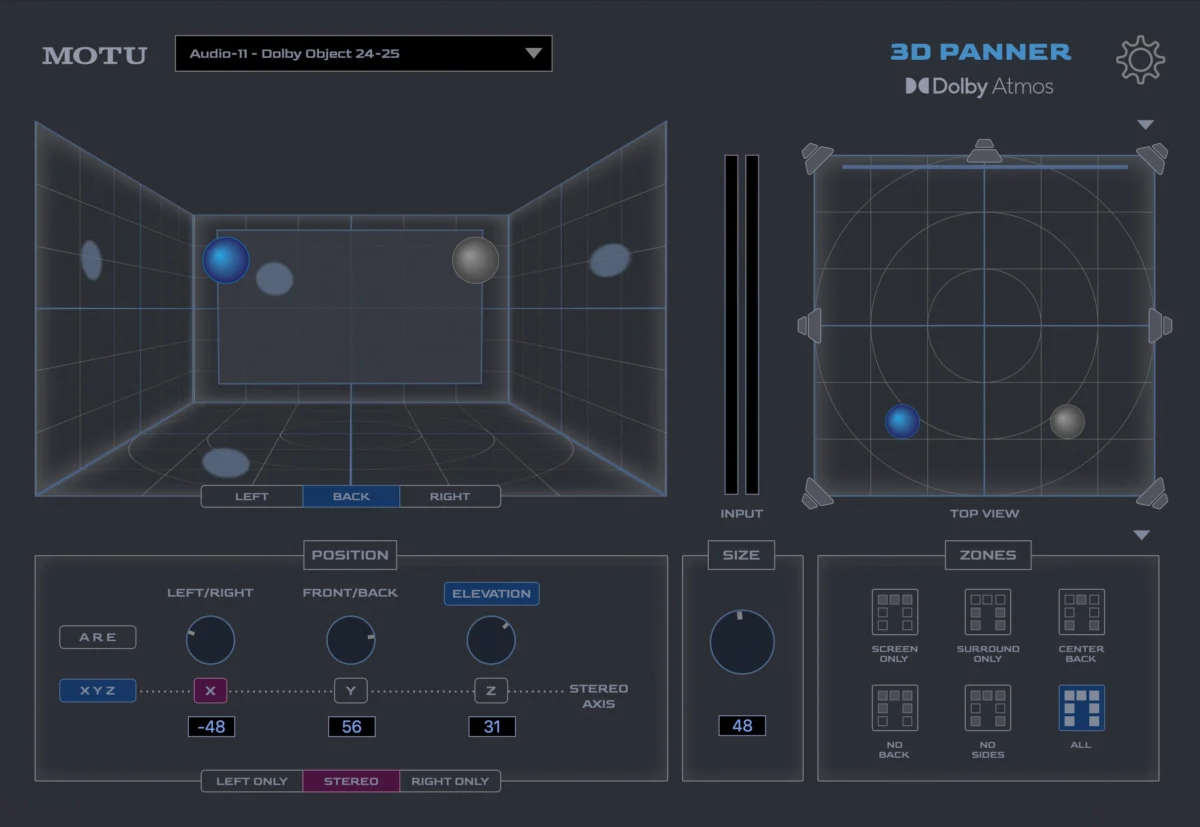
Mark of the Unicorn (MOTU) has officially announced the release of Digital Performer 12 (DP12), the latest iteration of its flagship Digital Audio Workstation (DAW) for macOS and Windows platforms. Long recognized as an industry standard for film scoring, orchestral composition, and high-end post-production, DP12 introduces robust immersive audio capabilities, a redesigned Arrangement Strip, and numerous workflow optimizations designed to streamline professional music and media production.
Priced competitively within the high-end DAW market, DP12 is available for a full retail cost of $495. Qualified users of competing digital audio workstations can purchase a crossgrade license for $395, while existing users can upgrade from previous versions for $195. Alongside industry mainstays such as Avid Pro Tools, Apple Logic Pro, and Steinberg Cubase, Digital Performer maintains its status as one of the most mature and feature-complete audio production environments available.
Comprehensive Dolby Atmos and Immersive Audio Support
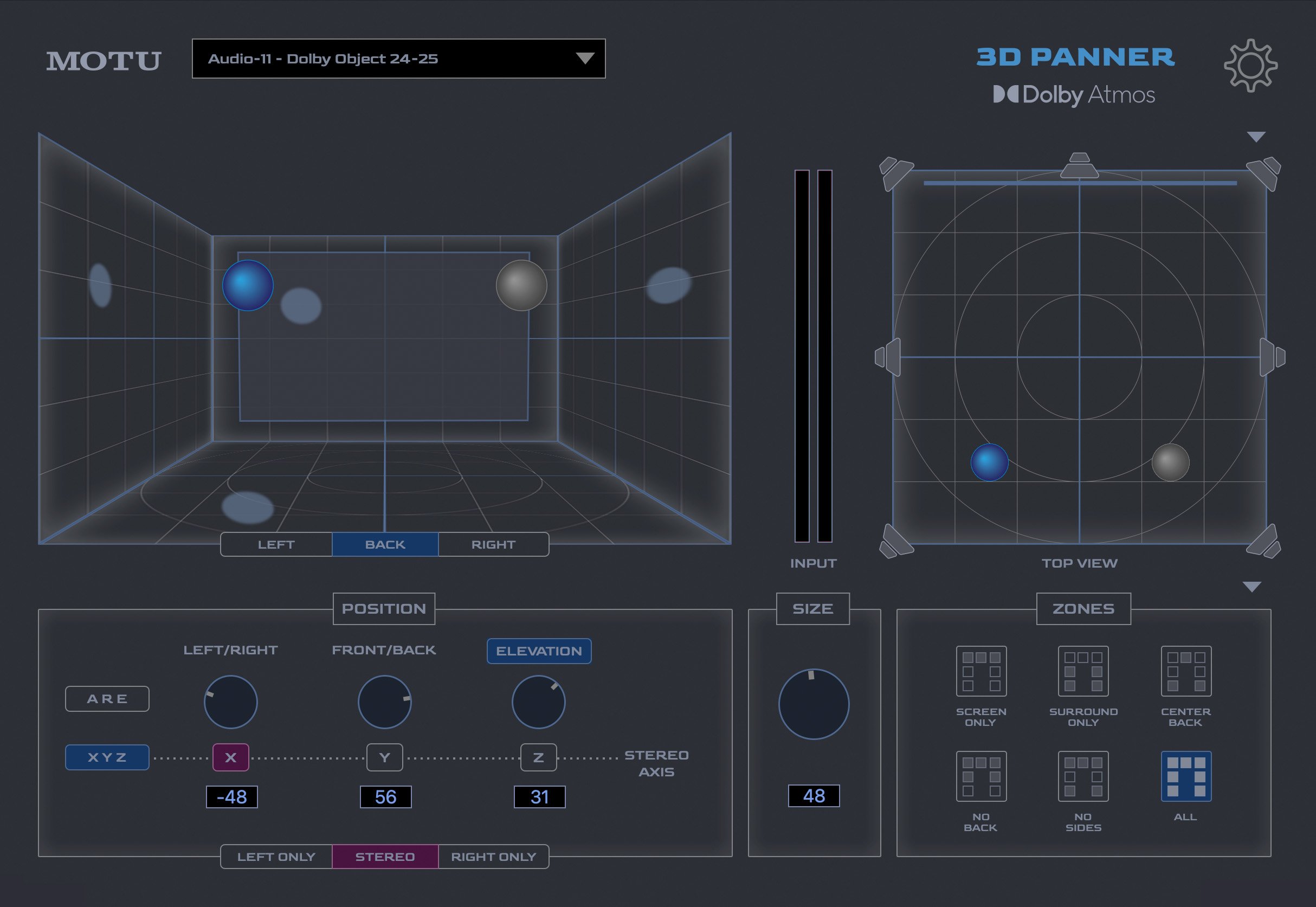
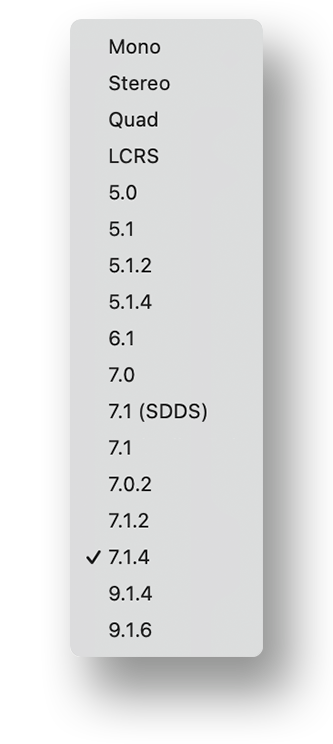
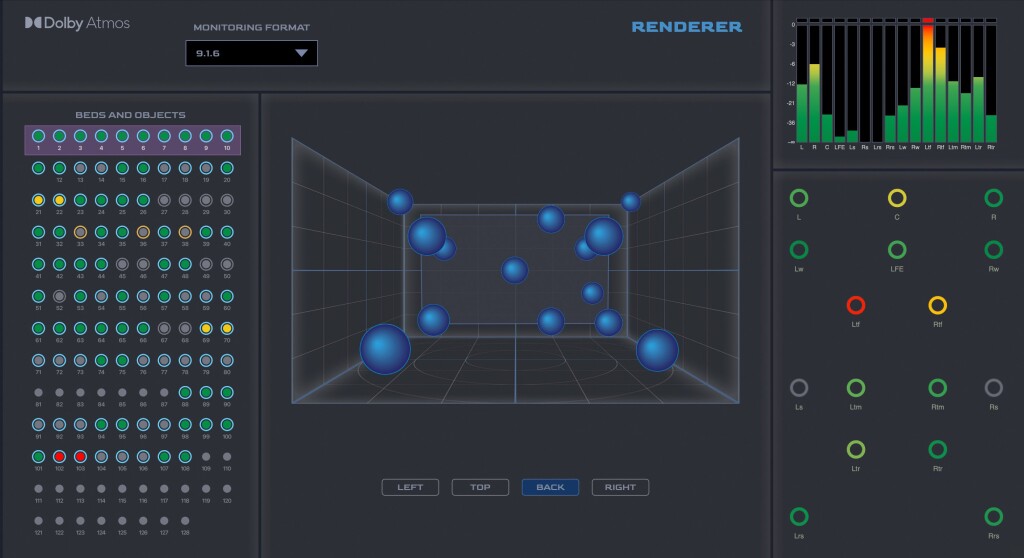
The centerpiece of the Digital Performer 12 release is its comprehensive, native implementation of Dolby Atmos. Unlike workflows that require external routing or auxiliary software applications, DP12 allows engineers to mix, render, and export directly in Dolby Atmos formats, ensuring compatibility with major streaming services including Apple Music and Tidal.
The software’s 3D panner and immersive rendering engine support up to 128 discrete channels, giving spatial audio engineers granular control over object placement and spatial trajectories. Users can export completed projects straight to Dolby Atmos ADM (Audio Definition Model) files without relying on external monitoring tools. This native integration addresses workflow friction often associated with spatial audio mixing, providing a streamlined alternative to existing DAW environments.
Workflow Enhancements and Interface Refinements
In addition to immersive audio tools, DP12 introduces a top-mounted Arrangement Strip designed to integrate seamlessly with MOTU’s long-standing marker system. While arrangement overview strips are common across modern DAWs, DP12’s implementation is tailored to complement existing project navigation tools, offering composers and editors a clearer macro view of large-scale compositions.
To accommodate professionals transitioning from other platforms or managing multi-DAW setups, MOTU has introduced customized command keysets. Users can now instantly apply keyboard shortcuts mirroring Pro Tools, Cubase, Nuendo, Logic Pro, and Ableton Live. These keysets operate alongside traditional key bindings, reducing the learning curve for engineers who frequently switch between software environments.
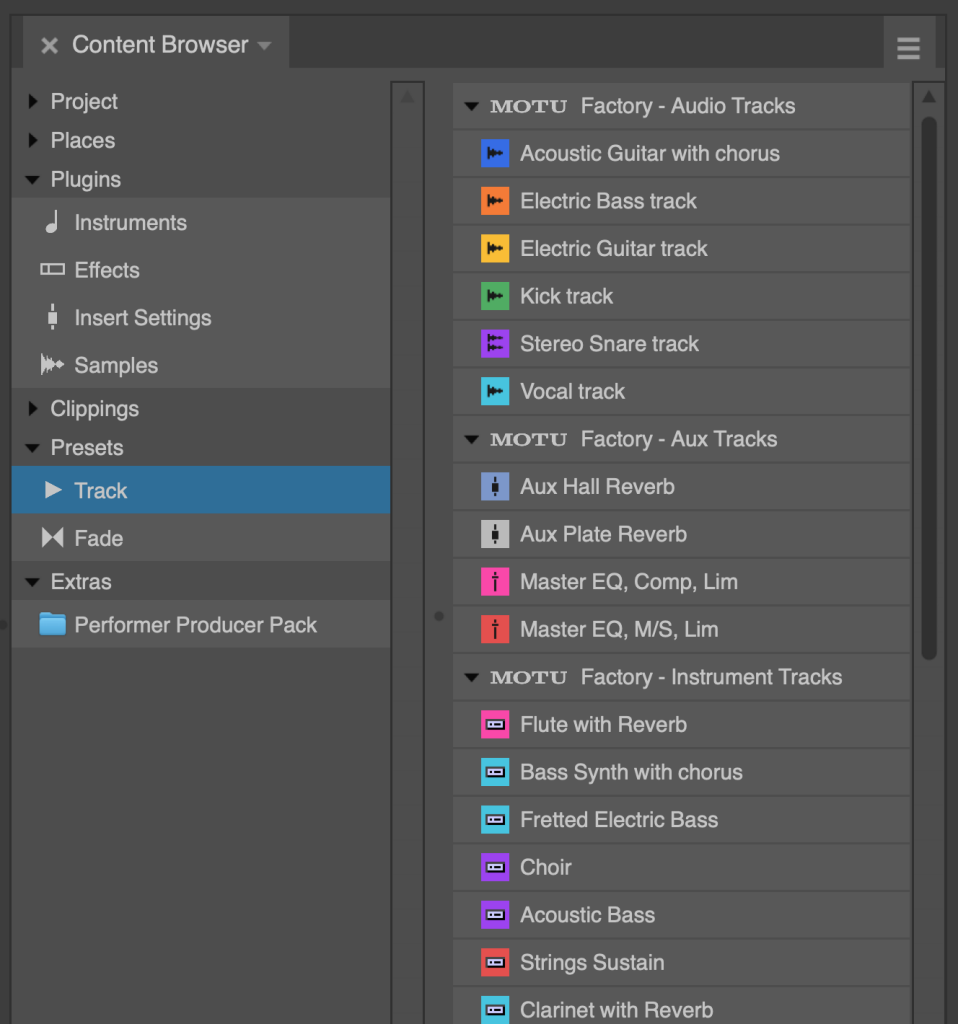
The update also overhauls track management and hardware routing. A redesigned Content Browser features visual previews for track presets, allowing users to audition and drag-and-drop complex channel configurations directly into sessions. Furthermore, the Control Panel now includes a dedicated MIDI controller pop-up menu. This interface element enables engineers to select, swap, and filter active MIDI inputs globally without navigating deep settings menus or reassigning individual track inputs.
Local Processing and Additional Production Features
Addressing contemporary concerns regarding data privacy and cloud dependency, DP12 incorporates local AI-driven stem separation. Unlike cloud-based processing tools that require audio files to be uploaded to external servers, MOTU’s machine-learning models execute entirely offline on the user’s local machine, ensuring complete data security for sensitive commercial projects.
Other notable additions in DP12 include:
- Batch renaming tools for multiple tracks and audio soundbites
- Customizable presets for fades and crossfades
- A resizable, high-visibility Large Counter window
- Expanded MIDI arpeggiator patterns accessible via a dedicated interface
- Enhanced drag-and-drop functionality throughout the user interface
Industry Context and Market Position
MOTU’s historical roots in MIDI hardware and professional audio interfaces have long informed the development of Digital Performer. Originally introduced in the 1980s as Performer for Macintosh, the software gained digital audio recording capabilities in 1990, becoming Digital Performer. Over the decades, it has carved out a distinct market share among film, television, and game composers who rely on its sophisticated chunk architecture, scoring capabilities, and robust MIDI implementation.
While competitors like Logic Pro and Pro Tools dominate large segments of the consumer and commercial recording markets, Digital Performer continues to maintain a dedicated user base in professional scoring stages and post-production facilities. The introduction of deep Dolby Atmos support in DP12 positions MOTU to capture a larger share of the growing spatial audio market, particularly among professionals seeking an all-in-one mixing and rendering solution.
Availability and Distribution
Digital Performer 12 is available immediately through MOTU’s official website as well as through authorized pro audio retailers, including Sweetwater and Thomann. Educational pricing, institutional licensing, and crossgrade verifications are handled directly through MOTU and participating dealers. As the audio industry continues to transition toward immersive formats and hybrid workflows, DP12 reinforces MOTU’s ongoing commitment to professional-grade audio engineering tools.