Aveline Kirana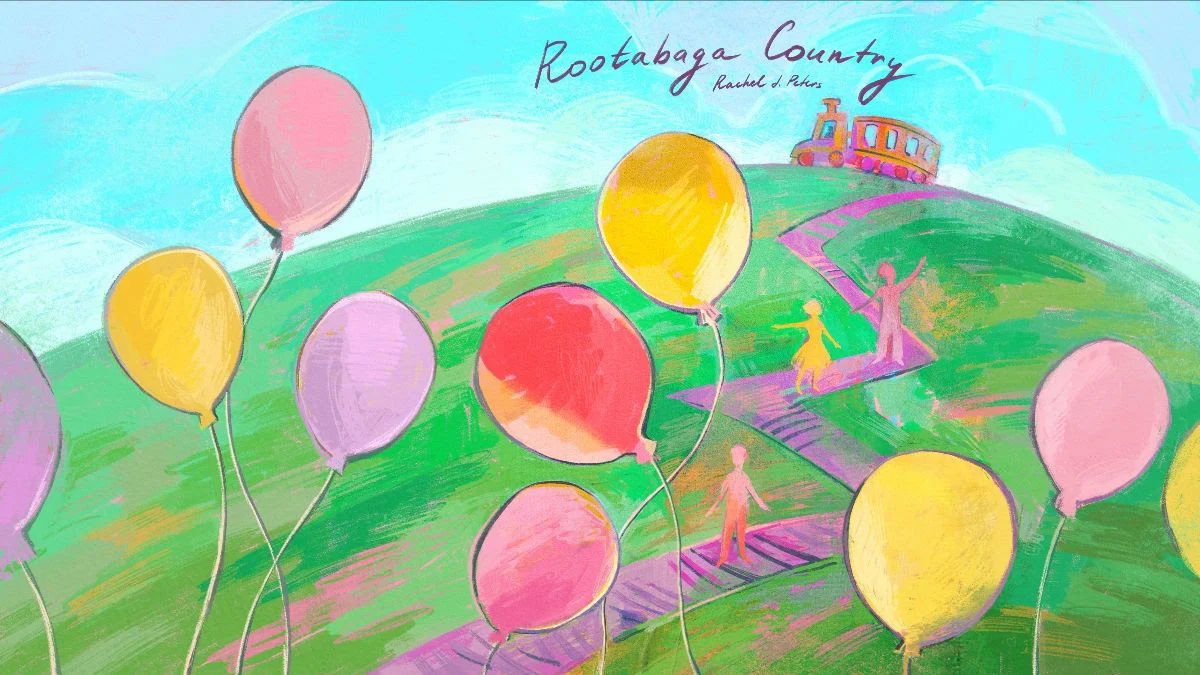
The Sarasota Youth Opera, an institution widely regarded as a benchmark for arts education in the United States, has announced that it will present Rachel J. Peters’ one-act opera, Rootabaga Country, on November 7 and 8, 2026. This upcoming production marks a significant milestone for the organization, continuing its long-standing tradition of fostering young talent through rigorous professional training and high-level performance opportunities. The production will feature a cast led by rising young talent Abril Sanchez-Rodriguez, supported by tenor Dylan Schang and baritone Riley Findley, under the musical direction of Jessé Martins and the stage direction of Martha Collins.
A Legacy of Excellence: The Sarasota Youth Opera Program
Since its inception in 1984, the Youth Opera Program at Sarasota Opera has functioned as more than a mere extracurricular activity; it has evolved into a comprehensive conservatory-style training ground. The program was established to provide children and teenagers with an immersive experience in the world of professional opera. Unlike many youth-focused arts initiatives that prioritize casual participation, the Sarasota model demands a high degree of technical proficiency, musical discipline, and stagecraft.
Over the past four decades, the program has produced countless alumni who have gone on to pursue professional careers in the performing arts. By integrating students into the company’s main stage productions, the organization ensures that young performers gain firsthand exposure to the complexities of a professional opera house. This exposure includes working alongside world-class conductors, directors, and stage technicians, thereby bridging the gap between academic study and real-world application.
The Artistic Vision of Rootabaga Country
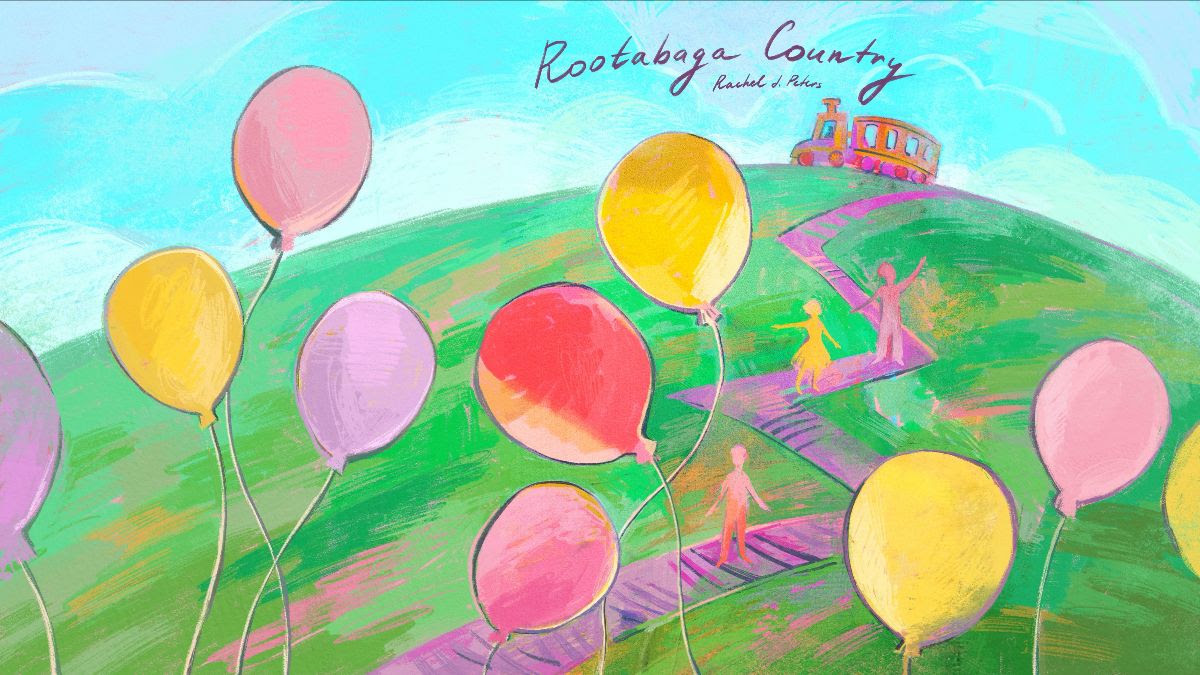
Rachel J. Peters’ Rootabaga Country is a work that captures the whimsical, surreal, and deeply imaginative nature of Carl Sandburg’s Rootabaga Stories. By selecting this specific piece for the 2026 season, the Sarasota Youth Opera is providing its young ensemble with a vehicle that demands both playful characterization and nuanced musicality.
The selection of a contemporary work such as this reflects a broader trend in youth opera education: the movement toward repertoire that is accessible to younger performers while still offering significant artistic challenges. The opera’s narrative arc requires the cast to inhabit a world where logic is secondary to emotion and creativity, a task that has resonated deeply with the current cohort of performers.
Cast and Creative Leadership
The success of any operatic production rests on the synergy between the performers and the creative team. For this production, the Sarasota Youth Opera has tapped into a blend of emerging vocal talent and seasoned professional guidance.
Abril Sanchez-Rodriguez, at just 12 years of age, is set to undertake the leading role. For Sanchez-Rodriguez, this represents a pivotal moment in her early career. Reflecting on the rehearsal process and the weight of the responsibility, she noted, "This is my first main role, and it is amazing to be in the center of the story. I love everything about this magical opera. I hope the audience will feel what I feel and be uplifted by the beautiful music." Her involvement underscores the program’s commitment to giving young artists the agency to interpret complex roles under expert supervision.
Supporting the narrative are tenor Dylan Schang and baritone Riley Findley, both of whom have been recognized for their vocal maturity and technical stability within the youth program. Under the baton of Jessé Martins, the musical architecture of Peters’ score will be shaped to highlight both the percussive, rhythmic elements and the lyrical depth of the composition. Martha Collins, known for her ability to elicit compelling performances from diverse age groups, will oversee the stage direction, ensuring that the production’s aesthetic aligns with the fantastical nature of the source material.
Chronology and Developmental Impact
The history of the Sarasota Youth Opera is punctuated by significant productions that have pushed the boundaries of what is expected of youth performers. Since the mid-1980s, the program has grown from a small group of local enthusiasts into a robust organization that manages its own seasonal programming, separate from, yet complementary to, the Sarasota Opera’s professional winter season.
The development of the program can be categorized into three distinct phases:
- Foundational Years (1984–1995): The focus was on basic musical literacy and the integration of children into the chorus of main stage productions.
- Expansion and Outreach (1996–2010): The program began commissioning its own works and expanding into summer intensive workshops, attracting students from across the state of Florida.
- National Leadership (2011–Present): The program achieved national recognition as a "model for opera education," frequently cited by industry trade organizations as the gold standard for integrating youth into professional arts ecosystems.
The 2026 production of Rootabaga Country is the latest iteration of this third phase, demonstrating a commitment to contemporary composition and the professionalization of the student experience.
Supporting Data and Educational Outcomes
Statistics regarding the Sarasota Youth Opera suggest a high level of retention and success. According to internal reports from the Sarasota Opera, approximately 85% of participants who remain in the program for more than three years pursue music or theater at the collegiate level. The program’s curriculum includes private voice instruction, movement and acting classes, and masterclasses led by guest artists.
The financial and logistical infrastructure of the program is supported by a mix of donor funding, ticket revenue, and educational grants. The decision to mount a dedicated production like Rootabaga Country involves significant budgetary allocation for sets, costumes, and specialized lighting—resources that are rarely available to school-based drama departments. This commitment ensures that the final product is not merely a "recital," but a full-scale professional presentation.
Fact-Based Analysis: The Broader Implications for Opera
The presence of a thriving youth program in Sarasota has implications that extend beyond the local community. The opera industry has long faced challenges regarding audience development and the "aging out" of its traditional donor and attendee base. By cultivating a youth program that treats young performers as professionals, the Sarasota Opera is effectively creating a pipeline of future opera lovers, practitioners, and advocates.
Furthermore, the choice of contemporary American repertoire serves to demystify the art form. When young people perform works written in their own language and based on culturally relevant stories, the barrier to entry for their peers—and their families—is significantly lowered. This creates a sustainable model for the arts that relies on community integration rather than institutional isolation.
Preparing for the 2026 Performances
As the company prepares for the November 2026 debut, the focus remains on the synthesis of the musical score and the dramatic narrative. The rehearsal schedule is designed to accommodate the academic calendars of the students, with intensive sessions leading up to the final performance weekend.
The logistical requirements for this production include the coordination of a specialized orchestra, the construction of sets designed for the specific acoustics of the venue, and the integration of costume design that facilitates movement and stage expression. By managing these elements, the students learn the reality of "show business"—the discipline, collaboration, and stamina required to deliver a consistent performance over multiple nights.
Conclusion: A Future-Forward Perspective
The upcoming performances of Rootabaga Country represent more than a seasonal event; they are a manifestation of a long-term strategy to ensure the longevity of the operatic art form. Through the dedication of performers like Abril Sanchez-Rodriguez, the leadership of figures like Jessé Martins and Martha Collins, and the institutional support of the Sarasota Opera, the program continues to set a high bar for excellence.
As the industry looks toward the future, the Sarasota Youth Opera serves as a compelling case study in how institutions can evolve while remaining true to their core mission. The success of the program is not defined by the perfection of any single performance, but by the cumulative impact of its educational rigor on the lives of its participants. For the audience attending in November 2026, the performance will offer a glimpse into the next generation of operatic talent—a generation that has been raised on the standards of professionalism and artistic integrity that have defined the Sarasota Opera for over four decades.
The production of Rootabaga Country is a testament to the fact that when children are given the tools, the trust, and the environment to excel, they do not just replicate the work of adults—they redefine the potential of the medium itself. As the countdown to November 7 begins, the anticipation within the Sarasota arts community continues to build, highlighting the vital role that youth-centered performance plays in the cultural landscape of the region.