 Aveline Kirana
The Plácido Domingo Foundation has successfully concluded the inaugural edition of its Zarzuela Residence, a high-level pedagogical initiative held from September 21 to 26 at the Escuela Superior de Canto de Madrid. This milestone project marks a strategic pivot for the foundation, shifting its focus toward the specialized preservation and dissemination of zarzuela—the uniquely Spanish lyrical genre that blends spoken word, song, and dance. By gathering a select cohort of international vocalists to undergo intensive training in the nuances of this repertoire, the foundation aims to bridge the gap between global operatic excellence and the specific stylistic demands of Spain’s musical tradition.
A Confluence of Emerging Global Talent
The inaugural residency hosted nine singers representing seven distinct nations, creating a diverse environment for the cross-pollination of vocal techniques. The participants—Davide Battiniello, Ekaterine Buachidze, Aleksandra Domashchuk, Oleh Lebedyev, Jack Lee, Sarah Saturnino, Shine Lee, Yosif Slavov, and Yuliia Zasimova—were not chosen at random. Each singer was selected based on their demonstrated proficiency in the zarzuela category during recent iterations of the prestigious Operalia competition.
This connection to Operalia is vital. As one of the world’s most competitive platforms for young opera singers, Operalia has long served as a launchpad for international careers. By funneling high-achieving Operalia alumni into this residency, the Plácido Domingo Foundation ensures that the participants already possess the technical rigor required for professional-level performance. Notably, the cohort included Ekaterine Buachidze, who achieved a rare triple-triumph at the 2025 competition, securing the first prize, the audience prize, and the zarzuela prize. Her presence, alongside 2024 audience prize winner Jack Lee, highlights the caliber of talent the foundation is fostering to ensure the longevity of the zarzuela tradition.
Pedagogical Framework and Artistic Mentorship
The curriculum of the residency was designed to move beyond basic vocal training, delving into the idiomatic complexities that define zarzuela. Under the guidance of the foundation’s artistic director, Óliver Díaz, the singers engaged in a rigorous six-day schedule that emphasized stylistic authenticity. Unlike standard operatic repertoire, zarzuela requires a specific balance between the dramatic requirements of the spoken dialogue and the lyrical demands of the musical numbers.
The mentorship team assembled for this debut session was composed of some of the most respected figures in the contemporary Spanish vocal scene. Mezzo-soprano Nancy Herrera and baritone Carlos Álvarez provided the vocal instruction, while renowned stage director Emilio Sagi brought his extensive experience in crafting zarzuela productions to the workshop. This combination of musical and theatrical coaching ensured that the participants were prepared for the multifaceted demands of the genre.
Furthermore, the involvement of repetiteurs Borja Mariño and Carlos Sanchis allowed for detailed work on the scores. The repertoire focus centered on foundational pillars of the genre, including selections from Federico Moreno Torroba’s Luisa Fernanda, Amadeo Vives’ Doña Francisquita, and Pablo Sorozábal’s La tabernera del puerto. These works are considered the "canon" of zarzuela, and mastering them is essential for any performer looking to build a career within the Spanish-speaking musical sphere.
Outreach and Community Engagement
A defining characteristic of the residency was its commitment to institutional integration. By holding the event at the Escuela Superior de Canto de Madrid, the foundation facilitated a collaborative atmosphere that extended beyond the nine chosen fellows. The inclusion of masterclasses open to the school’s current students served to democratize high-level training, allowing local aspiring singers to observe and learn from the mentors.
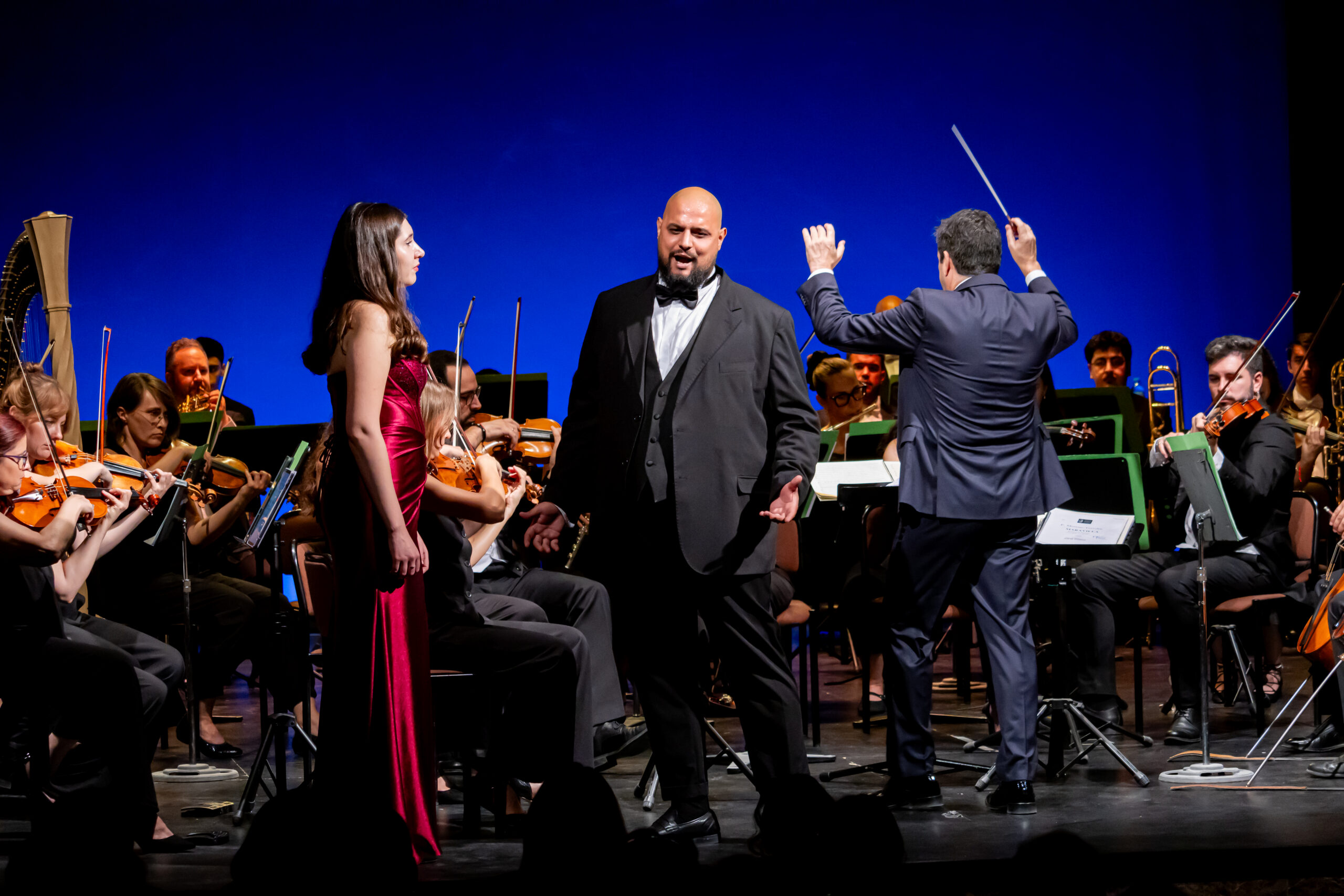
One notable highlight was a session led by Carlos Álvarez with baritone Alonso Cano, a student at the institution. This exchange underscored the foundation’s broader mission to foster a pedagogical ecosystem where established stars mentor the next generation of talent within a structured, academic setting. By embedding the residency within the Escuela Superior de Canto, the foundation created a conduit for institutional knowledge to pass from international touring artists to local students, thereby strengthening the future of the art form in its home country.
Historical Context and The Evolution of Zarzuela
Zarzuela has faced a complex trajectory in the 21st century. Historically, it has been the primary musical expression of the Spanish middle class and a symbol of national identity. However, as international opera houses have increasingly leaned toward standard Italian and German repertoires, zarzuela has occasionally struggled to maintain a presence on major global stages.
The Plácido Domingo Foundation’s decision to dedicate a specific training program to this genre is a calculated effort to institutionalize zarzuela training. By formalizing the pedagogical approach—standardizing how these works are interpreted and performed—the foundation is providing a blueprint for future generations. This is not merely a workshop; it is an act of cultural preservation. The selection of works by Torroba, Vives, and Sorozábal reflects a desire to ground the singers in the most enduring examples of the genre, ensuring that these masterpieces remain vibrant and relevant.
Implications for the Operatic Market
The emergence of this residency carries significant implications for the professional opera market. With the rising global interest in Spanish-language works, there is an increasing demand for singers who can navigate the linguistic and stylistic particularities of zarzuela with the same ease as they navigate Mozart or Verdi.
For the participating singers, the benefits are twofold. First, they gain a specialized skill set that differentiates them in a crowded talent market. Second, they become part of a professional network under the umbrella of one of the most influential names in classical music. The foundation’s support structure provides a clear path for these artists to integrate their zarzuela training into their broader operatic careers.
From a broader perspective, the success of this inaugural residency suggests that the Plácido Domingo Foundation may be looking to expand its reach. If this model proves effective, it could lead to the establishment of annual training cycles or touring productions that feature these alumni, thereby creating a sustainable pipeline of talent. By professionalizing the training of zarzuela, the foundation is elevating the status of the genre from a niche regional interest to a core component of the international vocal repertoire.
Conclusion: A Legacy in the Making
The six-day intensive at the Escuela Superior de Canto de Madrid represents a significant investment in the future of Spanish musical culture. By blending the high-stakes competitive environment of Operalia with the careful, intimate pedagogical approach of a residency, the Plácido Domingo Foundation has created a model that addresses both the artistic and professional needs of its participants.
The impact of this program will likely be measured in the coming years as these nine singers begin to incorporate their training into their professional performances. As they carry the nuances of Luisa Fernanda and Doña Francisquita to stages across the globe, they will serve as ambassadors for a genre that, through the efforts of this foundation, is finding new life and new audiences. The inaugural residency is not just an end in itself, but the beginning of a deliberate effort to ensure that the voice of zarzuela continues to resonate in the modern era. As the foundation looks toward future iterations, the focus will undoubtedly remain on maintaining this high standard of artistic excellence, ensuring that the legacy of Spanish lyric theater is not only preserved but continuously refined for a new generation of listeners.