 Aveline Kirana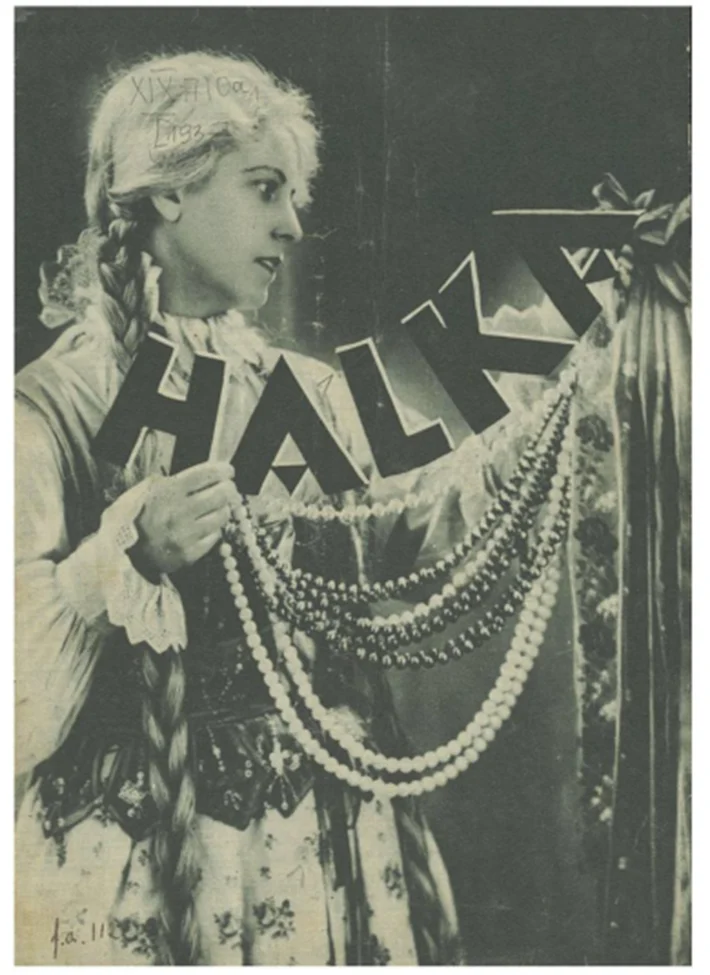
The relationship between the operatic stage and the cinematic screen represents one of the most enduring intersections in the history of the performing arts. Since the inception of the kinetoscope and the early sound experiments of the 1890s, filmmakers have consistently turned to the dramatic weight and emotional resonance of opera to anchor their narratives. This symbiotic evolution has seen the opera-film medium expand from simple archival recordings of stage performances to complex, multimodal productions where the lines between acting, singing, and cinematography are blurred. As directors experiment with the narrative base of operatic works, they provide new insights into the psychological struggles and historical contexts that originally birthed these stories. This four-part series investigates how specific operas, when translated into film, offer distinct interpretive mirrors for their respective cultural landscapes. We begin by examining the Polish national treasure, Halka, composed by Stanisław Moniuszko in 1854, and its three notable film adaptations spanning the early 20th century.
Historical Context and the Nationalist Significance of Halka
To understand the cinematic treatment of Halka, one must first recognize its stature within the Polish canon. Premiering in its Vilnius version in 1848 and its definitive Warsaw version in 1858, Moniuszko’s work is frequently compared to the nationalist operas of Mikhail Glinka in Russia. The opera functions as a socio-political critique of the 19th-century feudal structure, centered on the tragic trajectory of a peasant girl, Halka, and her betrayal by the affluent Janusz.
The opera’s narrative—rooted in Włodzimierz Wolski’s 1840 poem Halszka—is inextricably linked to the mid-19th-century Polish struggle for sovereignty. During a period defined by Prussian, Russian, and Austrian partition, the arts served as a primary vessel for maintaining national identity. The opera’s subtext of class conflict and the moral dilemma of justified violence versus personal sacrifice resonated deeply with the Polish public, particularly in the wake of the 1846 and 1848 uprisings. By the time the work was solidified in the national consciousness, it had evolved from a mere theatrical piece into a symbolic assertion of Polish resilience against foreign colonization.
A Chronology of Cinematic Adaptation

The cinematic history of Halka reflects the rapid, albeit uneven, development of the Polish film industry. The first attempt to capture the opera on film occurred in 1913 under the direction of Karol Wojciechowski. While records of this production remain sparse, it serves as a crucial artifact, marking one of the earliest efforts to merge national operatic heritage with the nascent medium of the silent film.
The evolution continued in 1930 with a film directed by Konstanty Meglicki. This production is significant for its transition from a silent feature to a sound-integrated work by 1932. This technological shift, which included the participation of tenor Władysław Ladis-Kiepura, highlights the mid-transition state of European cinema during the interwar period. The final pre-war adaptation, released in 1937 and directed by Juliusz Gardan, starred the esteemed coloratura soprano Ewa Bandrowska-Turska. Bandrowska-Turska’s involvement brought a level of vocal pedigree to the production that helped solidify the reputation of musical film in Poland, elevating the genre beyond the lighthearted farce often associated with the era.
Supporting Data and the Polish Film Industry (1900–1939)
The emergence of these films was not an isolated phenomenon but occurred alongside a broader expansion of Polish cinema. According to historical data from the National Film Archive in Warsaw, the period between 1920 and 1939 was marked by a steady, if challenging, growth in domestic production. The 1930s specifically saw a push toward films that balanced popular appeal with nationalist themes.
The production of Halka films coincided with the rise of the "socially useful" film movement in Poland, which often explored themes of poverty, religious morality, and the stark realities of socioeconomic disparity. These were the same themes inherent in Moniuszko’s opera. Data from this era indicates that while sound technology was initially viewed with skepticism by critics who favored the visual purity of silent film, the public’s demand for musical integration drove the industry forward. By the mid-1930s, the "musical film" had become a cornerstone of the Polish market, bolstered by the contributions of composers like Henryk Warszawski, whose work in films such as Mrs. Dulska’s Morality demonstrated how music could be used to enhance narrative depth rather than merely accompany it.
Analysis of Cinematic Techniques and Narrative Translation

In comparing the 1930/1932 and 1937 adaptations, one observes a distinct evolution in the use of cinematic language. The earlier Meglicki production leaned heavily on the physicality of the performers, utilizing exaggerated gestures to convey internal suffering in the absence of spoken dialogue. This was a necessity born of the silent era, where the "eyes and the body" were the primary tools of emotional communication.
Conversely, the 1937 adaptation under Gardan, while benefiting from the inclusion of sound, struggled with the limitations of 1930s audio recording technology. The dialogue scenes in this film often prioritize static composition, creating a tableau-like effect that feels more like a filmed stage play than a fluid cinematic narrative. However, the performance of Liliana Zielińska, particularly in her portrayal of Halka’s descent into madness, demonstrates a sophisticated use of sound to amplify psychological interiority. The film’s conclusion—a stark contrast between the celebratory wedding procession of Janusz and Zosia and the tragic, solitary end of Halka—serves as a poignant commentary on the indifference of the ruling class to the suffering of the peasantry.
Broader Implications and Cultural Legacy
The persistence of Halka as a source material for cinema underscores the role of art in maintaining cultural continuity during periods of instability. For 20th-century audiences, these films were not merely entertainment; they were repositories of a shared history that was frequently under threat. The tension between the divine and the human, the persistent question of Janusz’s potential for redemption, and the ultimate sacrifice of the protagonist continue to serve as motifs that mirror the wider historical arc of the Polish state.
From an academic perspective, these adaptations offer a case study in the evolution of "operatic film." The transition from the silent, gesture-based performances of 1913 and 1930 to the vocal-centric drama of 1937 reflects the broader struggle of cinema to find its own voice while honoring the structural requirements of the operatic score. As noted by film historians, the 1930s in Poland represented a period where the audience, rather than the studios, dictated the direction of national cinema. By demanding works that echoed their own cultural values and historical struggles, the public ensured that pieces like Halka remained relevant on the screen.
The legacy of these films is preserved today through the efforts of the National Film Archive, which continues to restore and present these works to new audiences. These restorations provide a vital link to the interwar period, allowing for a re-examination of how early 20th-century directors navigated the complexities of adapting a nationalist, 19th-century operatic treasure for a modern, globalizing medium. As we continue this series, the lessons learned from the Halka adaptations will serve as a baseline for evaluating the subsequent relationships between operatic narratives and the evolving cinematic form. The interplay between the stage and the screen remains, as it was in 1913, a dialogue between the tradition of the past and the technological possibilities of the future.