 Kholidah
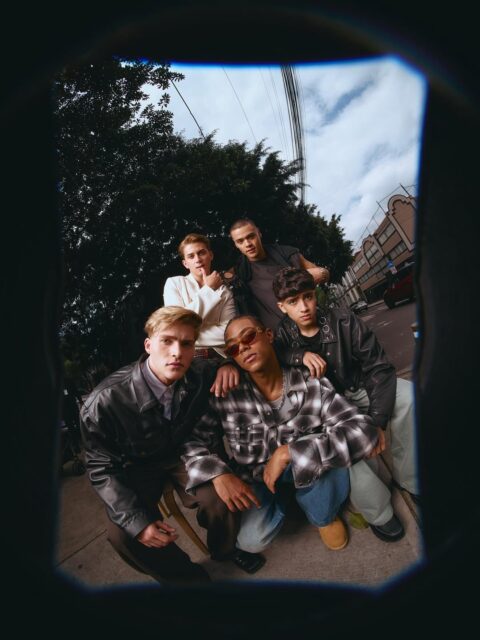
The landscape of digital interaction between K-pop idols and their global fanbases continues to evolve, often resulting in moments of unscripted spontaneity. On September 30, 2026, a live broadcast on the HYBE-affiliated platform Weverse featuring the emerging boy group SANTOS BRAVOS took an unexpected turn, drawing widespread attention across social media platforms. During the stream, member Kauê Penna displayed a pair of thong-style undergarments, an act that triggered a rapid cascade of reactions from viewers. The situation was further amplified by the fact that the idol was wearing official merchandise featuring BTS member V at the time, creating a viral intersection of fandoms that has since become a focal point of online discourse.
Chronology of the Weverse Broadcast
The broadcast began as a routine engagement, intended to foster a closer connection between the members of SANTOS BRAVOS and their growing international audience. As the stream progressed, the tone remained informal and conversational. According to archived segments of the live session, the group was discussing various items in their vicinity when Kauê Penna retrieved a pair of thong-style undergarments. The idol’s decision to hold up the garment and suggest it as a gift for a colleague named Gabi served as the catalyst for the subsequent viral response.
Viewers monitoring the live stream immediately began sharing clips across X (formerly Twitter) and other social networks. By the following morning, the incident had generated significant traffic, with fan accounts documenting the sequence of events. The juxtaposition of the casual, often irreverent atmosphere of the stream against the backdrop of the strict public image management typically associated with the HYBE label structure contributed to the intensity of the reaction.
The Intersection of Fandoms: The Role of V
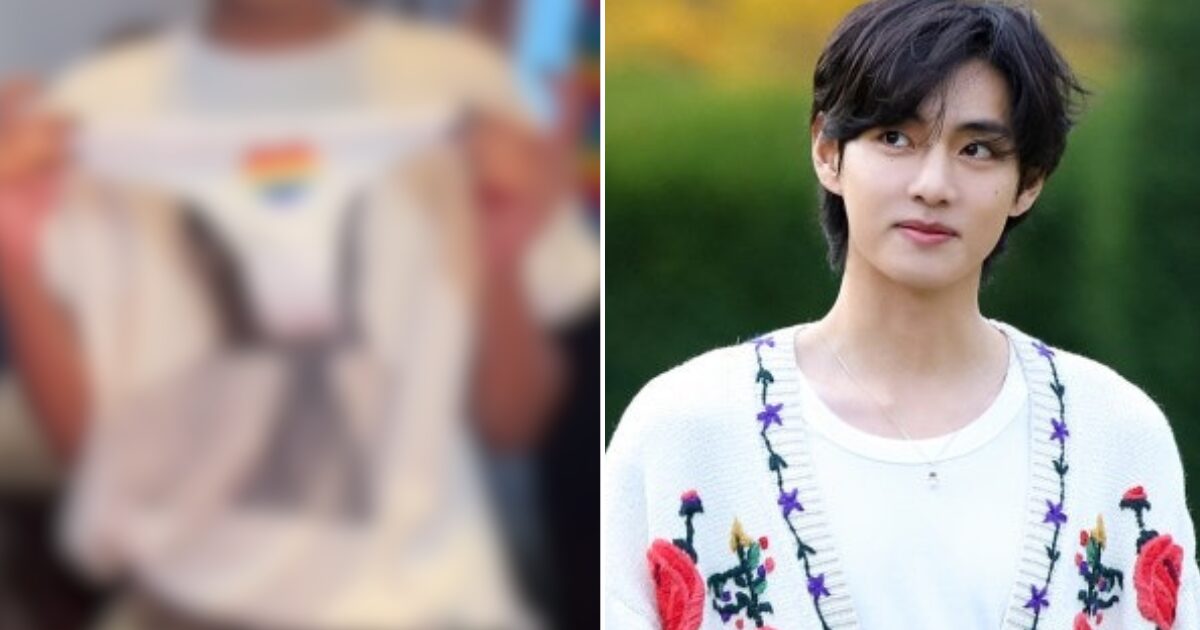
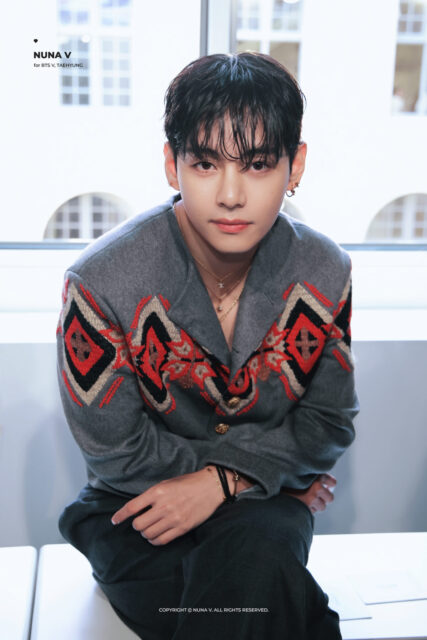
A notable dimension of this viral event was the attire worn by Kauê Penna. Throughout the broadcast, the singer was seen wearing a T-shirt from the "Arirang" merchandise line, which features the likeness of BTS member V. This visual detail inadvertently linked the two artists in the eyes of the public.
Kauê Penna has been public about his professional influences in the past, frequently citing V—a global icon and member of the world’s most successful boy group—as a foundational inspiration for his own career in music. The sight of an idol displaying a provocative item while simultaneously modeling the merchandise of a senior label-mate created a unique cognitive dissonance for fans. Social media users noted the irony of the situation, with many "ARMY" (the dedicated fanbase of BTS) expressing surprise at seeing their favorite artist’s image present during such an unconventional moment.
Digital Engagement and HYBE’s Platform Strategy
Weverse, the proprietary platform developed by HYBE’s subsidiary, Weverse Company, is designed to minimize the barrier between artists and fans. By facilitating "live" content that bypasses traditional media gatekeepers, HYBE allows for a more authentic—and therefore more volatile—form of celebrity engagement.
Statistical data regarding Weverse engagement consistently shows that these impromptu live sessions drive significantly higher fan interaction rates than scripted content. However, the events of September 30 highlight the inherent risks of this strategy. While "authenticity" is a primary marketing goal for modern boy bands, the lack of traditional editorial oversight during live streams means that spontaneous actions can quickly escalate into public relations challenges or viral spectacles.

Analysis of Fan Reactions and Online Discourse
The reaction to the broadcast was bifurcated. A portion of the fandom viewed the incident as a display of the members’ playful and unfiltered personalities, characterizing it as a humorous moment that humanized the idols. Conversely, others raised questions regarding the professional boundaries of idol behavior during official corporate-sponsored broadcasts.
The influx of commentary on platforms like X reached a critical mass within twelve hours of the broadcast. Hashtags associated with SANTOS BRAVOS spiked in activity, with many users dissecting the "crime scene"—a term used by fans to describe the moment in the clip where the merchandise and the item in question were simultaneously visible. The rapid dissemination of these clips underscores the power of algorithmic amplification, where moments of "shock value" are prioritized by social media platforms, regardless of the artistic merit of the content being shared.
Professional Implications and Management Response
While there has been no formal statement from HYBE or the management of SANTOS BRAVOS regarding the incident, industry analysts suggest that such moments represent the new normal for the K-pop industry. In the past, agencies exercised total control over every image an idol presented to the public. In the current era of "direct-to-fan" communication, management teams must balance the demand for raw, relatable content with the necessity of maintaining a brand identity that remains marketable to a global, diverse audience.
The use of V’s merchandise, while likely coincidental, adds a layer of complexity to the brand management. As an established global superstar, V is a protected asset of the HYBE portfolio. When newer artists utilize his likeness in a context that deviates from the carefully curated image of the senior idol, it prompts discussions regarding internal guidelines for live-stream conduct.
Broader Impact on the K-pop Ecosystem
The incident involving SANTOS BRAVOS serves as a case study in the rapid maturation of the K-pop digital economy. The growth of these groups is no longer solely dependent on music charts or physical album sales, but on their ability to command attention in a crowded digital space. Viral moments, whether planned or accidental, act as a catalyst for brand awareness.
For emerging groups like SANTOS BRAVOS, the "shock factor" associated with this broadcast has likely introduced them to a broader demographic than their previous promotional activities. However, this growth comes with the cost of increased scrutiny. The ability to navigate these viral moments without alienating core supporters or damaging long-term professional relationships is a skill that many contemporary idols are still in the process of mastering.
Furthermore, the involvement of BTS’s V, albeit indirect, highlights the lasting influence of the senior group. Even years after their peak individual promotional periods, the mere visual presence of a BTS member continues to be a powerful magnet for engagement. This "halo effect" ensures that any interaction, even one as mundane as a T-shirt sighting, carries weight within the digital K-pop community.
Conclusion: The Future of Unfiltered Engagement
As HYBE and other major agencies continue to refine their digital strategies, the balance between authentic expression and professional conduct will remain a point of contention. The SANTOS BRAVOS incident is a microcosm of the challenges faced by idols who are expected to be both relatable companions and aspirational figures.
Moving forward, it is likely that agencies will implement more rigorous guidelines for live-stream environments, potentially introducing a slight delay in broadcasting or providing clearer expectations for appropriate behavior. Nevertheless, the genie of "raw" digital content is largely out of the bottle. Fans have come to expect, and often demand, a window into the private lives of their idols. The events of September 30 remind the industry that while this level of access is a powerful tool for building loyalty, it is also a source of unpredictable volatility that can change the trajectory of an idol’s public image in a matter of seconds. The incident remains a prominent example of how, in the digital age, a single frame of a live broadcast can spark a global conversation.