 Kholidah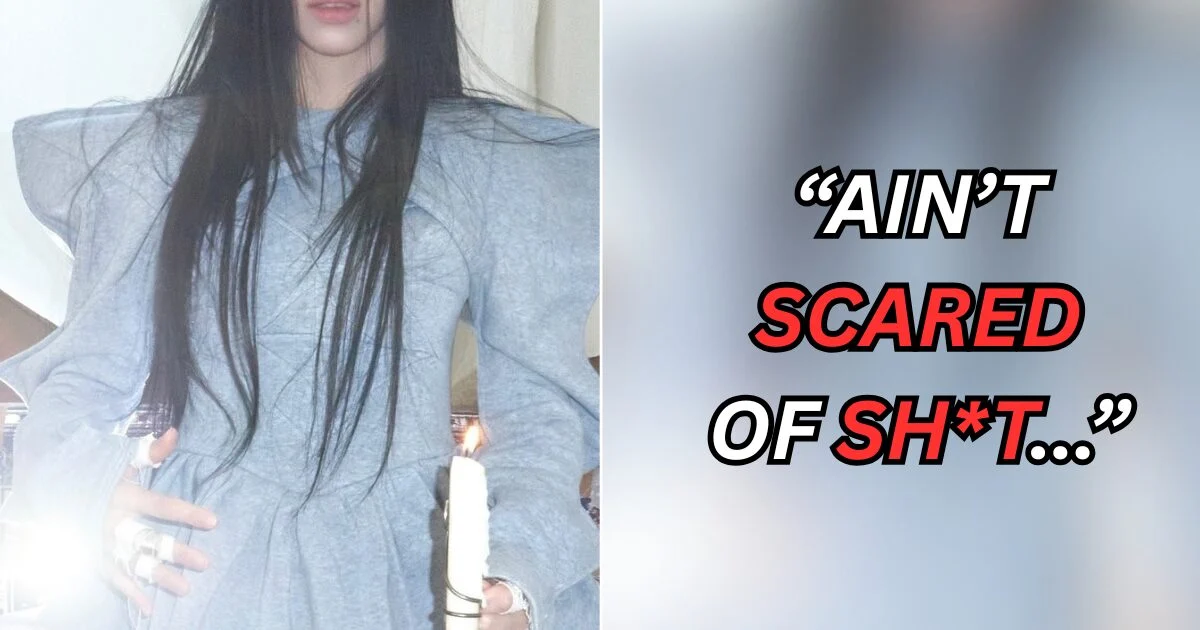
The intersection of celebrity interaction platforms and digital harassment reached a new flashpoint on October 3, 2026, when TWICE member Chaeyoung confronted a malicious user during a live messaging session. The incident, which occurred on a premium fan-communication platform, involved an individual who had paid a subscription fee to deliver a disparaging remark regarding the idol’s collection of tattoos. Rather than employing the standard industry practice of ignoring toxic feedback, the artist opted for a direct rebuttal, challenging the premise of the harassment and asserting her autonomy.
Chronology of the Incident
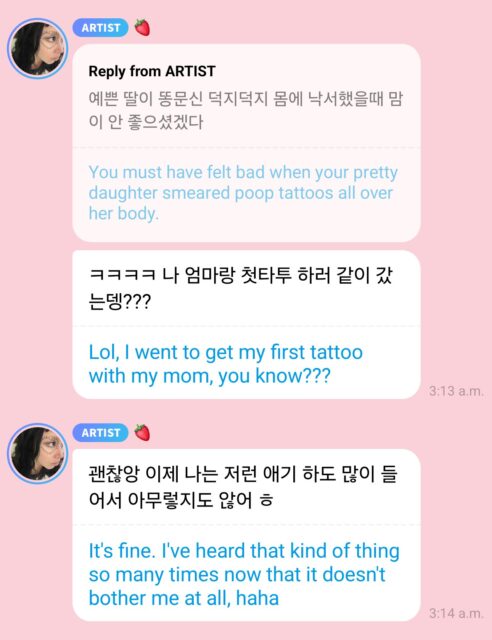
The confrontation began when a subscriber on the messaging platform sent a message criticizing Chaeyoung’s aesthetic choices, specifically targeting her tattoos. The sender claimed that the idol’s mother would likely feel disappointment or shame regarding the permanent ink.
Chaeyoung, who has been a frequent user of such communication services to engage with fans, did not hesitate in her response. She publicly addressed the comment, revealing a detail previously unknown to many: that she had, in fact, visited a tattoo parlor to receive her first piece of body art in the company of her mother. By reframing the narrative—from one of "rebellious disappointment" to one of "familial support"—she effectively neutralized the intent behind the troll’s message.
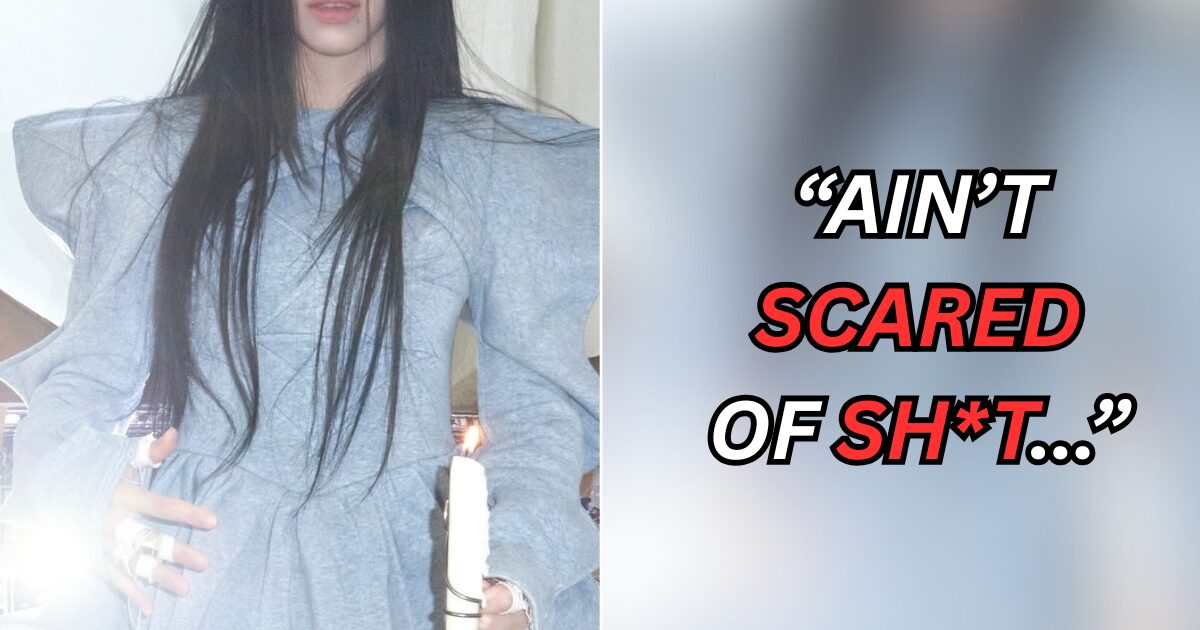
When fans monitoring the feed expressed concern regarding the hostile nature of the message, Chaeyoung provided context for her decision to reply. She noted that she has become accustomed to "mindless" comments of this nature throughout her decade-long career. She explicitly stated that her decision to engage with the user was a calculated move intended to cause the sender public embarrassment for their behavior, rather than an attempt to seek validation for her personal choices.
The Rise of Paid Harassment in K-Pop
The incident has sparked a broader conversation regarding the business model of K-pop fan-communication applications. These platforms, which operate on a subscription-based model, allow fans to send direct messages to idols. While the intent is to foster community and closeness, the anonymity and financial barrier to entry have created a paradoxical environment.
In this specific instance, the perpetrator paid a subscription fee specifically to gain access to a platform where they could deliver a hateful message. This phenomenon, often referred to as "pay-to-troll," presents a significant challenge for platform developers and management agencies. While platforms typically include automated content filters to block profanity, nuanced insults—such as the "backhanded" comment received by Chaeyoung—often evade detection algorithms.
Data from cybersecurity firms monitoring digital harassment in the South Korean entertainment industry indicates that while cyberbullying remains a pervasive issue, the "subscription-based" nature of recent platforms adds a layer of accountability that has not existed in traditional, free social media environments. Because these platforms are often linked to a user’s legal identity or payment method, the potential for tracing malicious actors is theoretically higher, though rarely utilized by agencies unless the harassment crosses legal thresholds of defamation or threats of physical violence.

Contextualizing the Artist’s Resilience
To understand the gravity of this response, one must examine the career trajectory of Chaeyoung and the group TWICE. Since their debut in 2015, the members of the group have navigated one of the most intense and sustained public spotlights in the music industry.
Chaeyoung, in particular, has often served as a focal point for debates regarding the "idol image." In the highly conservative context of the South Korean music industry, the adoption of tattoos by female idols has historically been a point of contention. Despite societal shifts, there remains a vocal minority that views such personal expressions as incompatible with the "clean" image traditionally expected of girl group members.
The idol’s refusal to conform to these expectations has been a hallmark of her brand. Her response on the messaging app was not an isolated act of defiance but a continuation of her established stance on bodily autonomy. By addressing the comment directly, she demonstrated a shift in the power dynamic between the idol and the critic, moving from a position of passive endurance to one of active discourse.
Industry Implications and Management Response
The incident has prompted industry analysts to evaluate how management agencies protect their talent. While agencies like JYP Entertainment have historically maintained strict legal policies against malicious comments, the burden of responding to individual trolls has traditionally fallen on the artists themselves.

Industry experts suggest that the "direct response" strategy carries both risks and rewards. On one hand, replying to a troll can provide the perpetrator with the attention they seek, potentially fueling further harassment. On the other hand, it can serve as a deterrent by demonstrating that the artist is not a passive recipient of vitriol.
"The landscape of celebrity interaction is fundamentally changing," says a media consultant specializing in K-pop marketing. "When an artist like Chaeyoung responds to a troll, they are engaging in a form of digital boundary-setting. It tells the fan base that they are human, they are aware of the vitriol, and they have the agency to call it out. However, this places a significant emotional tax on the artist, who is effectively doing the work of moderation in real-time."
Public and Fandom Reaction
The reaction from the fan community has been overwhelmingly supportive, with many expressing shock at the audacity of the original sender. On various social media platforms, including X (formerly Twitter), fans have highlighted the absurdity of the user’s logic: paying a fee to initiate a negative interaction and subsequently facing a public rebuttal.
The consensus among the fan base is that the incident serves as a testament to the idol’s growth and maturity. Having survived what many describe as "some of the worst hate trains in K-pop history," the members of TWICE have developed a hardened shell against online negativity. The prevailing sentiment among followers is one of admiration for her refusal to be cowed by a stranger’s attempt to project their own prejudices onto her personal life.
The Future of Fan Engagement Platforms
The 2026 incident underscores the urgent need for enhanced moderation protocols on fan-interaction apps. If companies intend to charge users for "exclusive" access to artists, there is a growing expectation that they must also provide a safe environment that is free from targeted harassment.
Potential solutions being discussed by industry observers include:
- Advanced AI Sentiment Analysis: Implementing real-time monitoring that can flag backhanded or passive-aggressive language before it reaches the idol.
- Reputation Scoring: Systems that restrict messaging privileges for users who have a history of reporting or identified malicious activity.
- Transparency in Reporting: Allowing artists a one-click mechanism to report and permanently ban users, with the incident logged in the user’s subscription profile.
Ultimately, Chaeyoung’s reaction has highlighted a critical disconnect in the digital age: the assumption that a subscription fee grants a fan the right to dictate an artist’s personal choices. By choosing to speak up, she has underscored that her public presence does not equate to public property. As the industry continues to evolve, this event may serve as a case study for both artists and platform developers in managing the delicate balance between authentic connection and the prevention of digital abuse. For now, the incident remains a sharp reminder of the resilience required to navigate the modern entertainment landscape, where the line between fan and critic is often blurred, and where an artist’s voice remains their most powerful tool for self-defense.