 Kholidah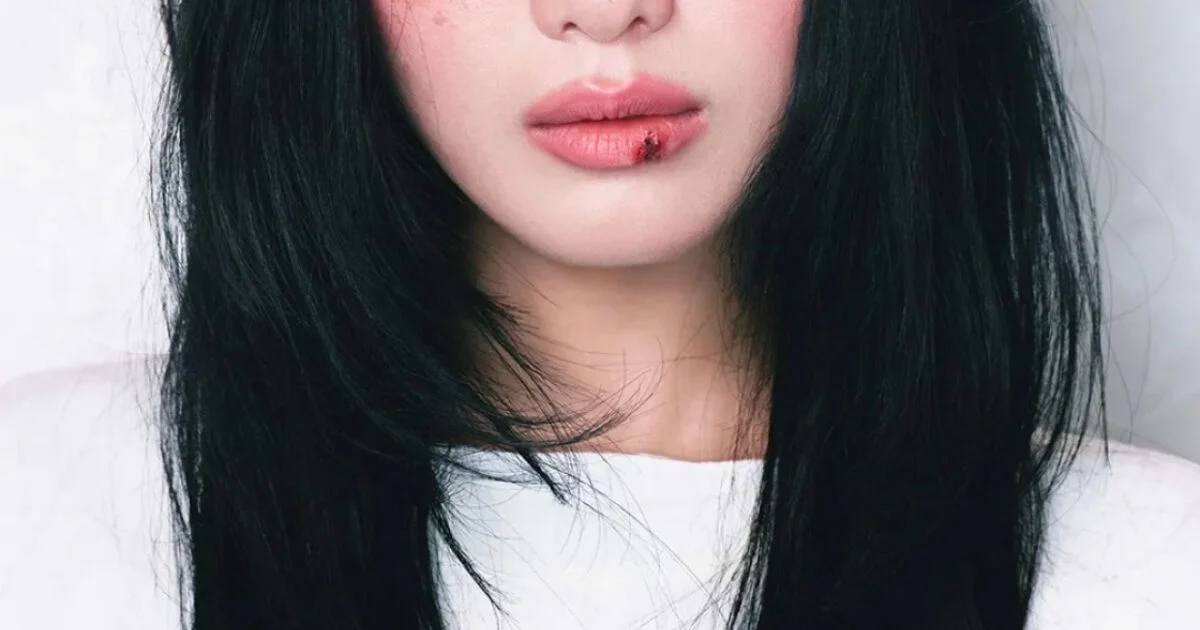
The landscape of modern digital entertainment has fundamentally shifted how artists interact with their audience, creating a double-edged sword where visibility often invites both overwhelming support and intense, unsolicited scrutiny. On October 3, 2026, rising South Korean singer Hanroro provided a poignant look into this reality during an appearance on the popular YouTube variety program Ddeun Ddeun. The episode, titled “The Music Festival Is Just an Excuse,” featured a panel of industry veterans and contemporaries, including Go Young Bae, Joo Woo Jae, and CNBLUE’s Jung Yonghwa. Within this candid setting, Hanroro opened up about the psychological toll of navigating sudden fame and the debilitating impact of online negativity, sparking a broader conversation about the mental health challenges faced by contemporary musicians in the social media era.
The Evolution of Digital Scrutiny in the K-Pop and Indie Industry
The phenomenon of negative online discourse is not a new challenge for entertainers, but the intensity and accessibility of these critiques have surged alongside the growth of streaming platforms and social media engagement. Hanroro, who has gained significant traction over the last two years, noted that her trajectory from an emerging artist to a recognizable public figure brought with it a shift in the quality of audience feedback.
During the discussion, Hanroro shared that the most profound moments of her career occur when she experiences a collective connection with her audience—specifically, when she hears crowds singing her songs in unison. However, this artistic fulfillment has been frequently tested by the darker side of online visibility. She admitted to the panel that for a significant portion of her recent career, she felt deeply affected by disparaging comments. The pressure reached a point where she questioned the viability of her career path, specifically pondering if she should withdraw from the music industry entirely to escape the vitriol directed toward her.
Chronology of Public Sentiment and Artistic Resilience
The discourse surrounding artist mental health has gained substantial momentum in recent years, prompted by several high-profile instances where Korean celebrities have spoken out against cyberbullying. Hanroro’s admission serves as a modern case study in the emotional labor required to sustain a career in the public eye.
- Initial Growth Period (2024): Hanroro began receiving increased mainstream attention. As her listener base expanded, the demographic of her audience widened, leading to a broader spectrum of commentary.
- The Peak of Online Negativity (2025): The singer noted that the volume of negative feedback became difficult to ignore. The intensity of these comments, which often target an artist’s personal choices or aesthetic preferences rather than just their musical output, forced a period of internal reassessment for the artist.
- The Turning Point (2026): Hanroro explicitly identified a shift in her internal mindset. Rather than allowing the negativity to dictate her artistic output, she began to prioritize her initial motivation for entering the music industry: her inherent love for the craft. By consciously deciding that her passion outweighed the noise of detractors, she reported a newfound appreciation for her time on stage.
Supporting Data and Industry Context
Studies on the impact of social media on entertainers suggest that musicians are particularly vulnerable to negative feedback loops. According to psychological data related to celebrity mental health, the “parasocial interaction” phenomenon—where fans develop an intense, one-sided emotional connection to a public figure—can manifest as a sense of entitlement to criticize the artist’s life and work.
For independent artists transitioning into the mainstream, this transition often results in a "credibility gap" where critics may focus on the artist’s perceived authenticity or commercial success. Hanroro’s experience reflects this broader trend; the expectation for artists to be "perfect" or "untouchable" by criticism is a standard that few can meet without psychological distress. Industry experts argue that the lack of institutional safeguards for artists facing organized online harassment remains a critical gap in the management of K-pop and indie talent.
The Role of Mentorship and Industry Guidance
The response from the Ddeun Ddeun panel provided a moment of professional solidarity. Yoo Jae Suk, a veteran of the Korean entertainment industry with decades of experience navigating public opinion, offered sage advice to the younger artist. He emphasized that while it is naturally painful to receive criticism, the development of a psychological "shield"—the ability to objectively filter or dismiss unwarranted negativity—is a prerequisite for longevity in the entertainment sector.
Joo Woo Jae, who has also faced public scrutiny as both a model and an entertainer, echoed this sentiment. He acknowledged that while the advice to "brush it off" is intellectually straightforward, it is emotionally taxing to implement. This interaction highlights the vital role of informal mentorship within the Korean entertainment industry. When senior artists bridge the gap between their experiences and the struggles of newcomers, it helps normalize the conversation around mental health, potentially preventing burnout and long-term psychological harm.
Broader Implications for the Music Industry
The implications of Hanroro’s story extend beyond her personal journey. As digital platforms continue to democratize music distribution, the barrier to entry is lower than ever, but the barrier to emotional safety remains high. There is a growing movement within the Korean music industry to implement stronger policies against cyberbullying, including more aggressive monitoring of hate speech and increased resources for artist counseling.

Furthermore, the rise of the "authentic artist" narrative—where performers are encouraged to share their struggles rather than maintaining a veneer of perfection—is changing how audiences interact with their favorite stars. By being transparent about her vulnerability, Hanroro has invited her fans to move past the superficiality of online commentary and engage with the humanity of the creator behind the music.
Analysis of Future Trends
As we look toward the remainder of 2026 and beyond, the industry is likely to see a continued emphasis on mental health infrastructure. The "Hanroro approach"—a conscious, proactive decision to center personal passion over external validation—is becoming a common coping mechanism among Gen Z artists. However, the onus should not solely rest on the artist to "toughen up."
Systemic change, including more robust moderation tools on social media platforms and a shift in media reporting standards regarding public figures, is essential. The incident on Ddeun Ddeun is a reminder that even at the height of a music festival or a successful concert tour, the person holding the microphone is navigating the same complexities of the human experience as their audience. By choosing to speak openly about these challenges, Hanroro is contributing to a healthier environment where artists feel empowered to define their own worth, independent of the volatility of the digital landscape.
The episode serves as a benchmark for how public conversations about mental health in the entertainment industry are evolving. It moves the discourse from reactive measures—such as apologies or temporary hiatuses—toward proactive discussions on how to build resilience in an era where everyone, from casual listeners to vocal critics, has a platform. Ultimately, Hanroro’s resilience is a testament to the idea that the most enduring art is often that which is forged through the process of reclaiming one’s narrative from those who seek to diminish it.