 Kholidah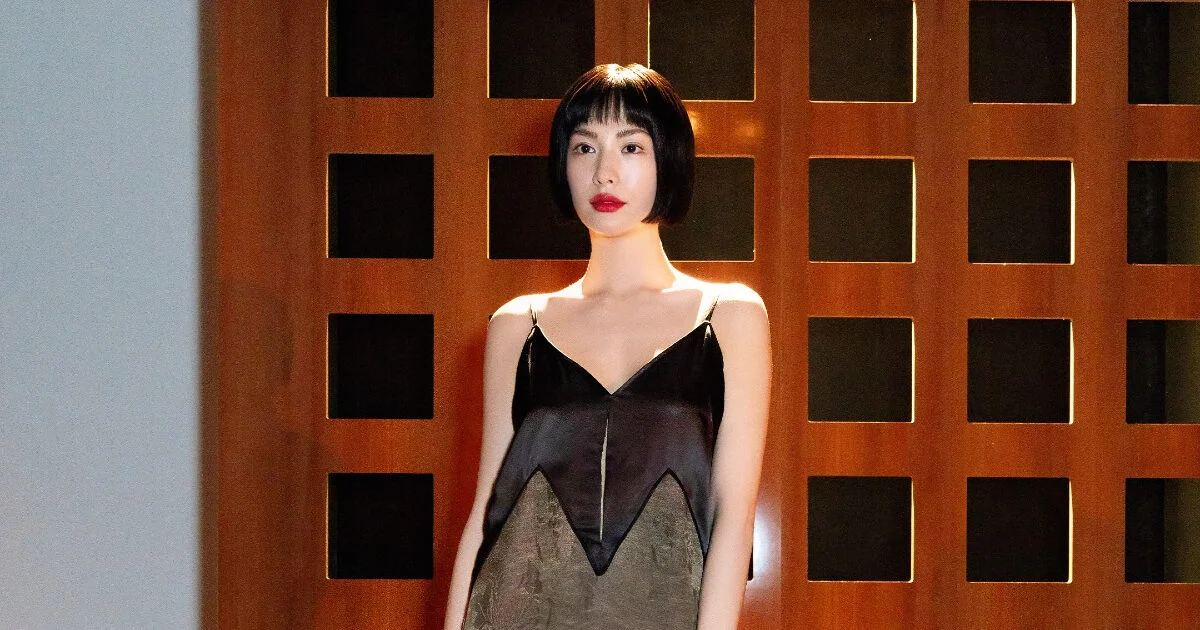
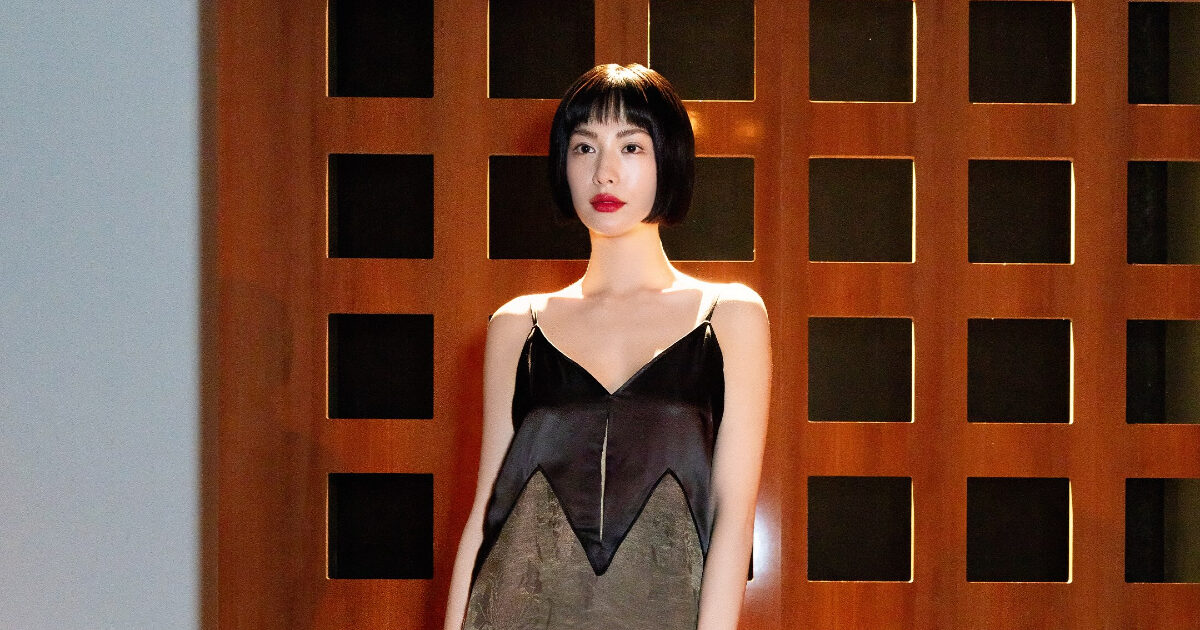
The South Korean entertainment industry is currently navigating a wave of intense public discourse following the confirmation of a romantic relationship between singer-actress Nana and former BIGBANG member T.O.P. While celebrity dating news is a staple of K-pop culture, this particular pairing has ignited a firestorm of controversy, primarily driven by a resurgence of past public comments made by Nana regarding the behavioral standards expected of male idols. As fans and the general public scrutinize the alignment between Nana’s past moral judgments and her current personal choices, the incident highlights the complex intersection of public accountability, parasocial expectations, and the lingering impacts of historical legal controversies.
The Chronology of Events
The narrative began on the morning of October 2, 2026, when official statements from the respective agencies of both Nana and T.O.P confirmed that the two had been in a relationship since June of this year. The announcement, intended to formalize their status, was met with a polarized reception. Shortly after the confirmation, Nana utilized a fan-communication platform to address the news directly. Her subsequent messaging, however, did not pacify critics; rather, it served as a catalyst for deeper investigation into her personal history and public statements.
The controversy deepened when netizens unearthed a viral incident from April 2025 involving The Boyz member Sunwoo. A video clip had circulated widely at the time, showing Sunwoo dropping his AirPods, which were subsequently retrieved by a nearby security guard. At the time of the event, the incident sparked a heated debate regarding idol etiquette and professionalism. Nana, then active in public discourse, commented on the matter with notable severity, stating, "He should be scolded. That behavior looked disrespectful, and it was quite a shock to me."
This past commentary, when juxtaposed with her current relationship with T.O.P—who carries a documented legal history related to substance use—has led to accusations of double standards. The discrepancy between her vocal condemnation of Sunwoo’s perceived rudeness and her decision to partner with a figure whose career has been marred by a high-profile criminal conviction has become the focal point of the current backlash.
Contextualizing T.O.P’s Legal History and Public Standing
To understand the intensity of the public reaction, one must consider the historical context of T.O.P’s career. The former BIGBANG member, whose real name is Choi Seung-hyun, was involved in a significant legal case in 2017 involving the use of marijuana. He was subsequently sentenced to 10 months in prison, suspended for two years of probation, and fined 12,000 KRW.
While the legal proceedings concluded years ago and his probation period has since expired, the incident remains a significant point of contention for segments of the Korean public. In the South Korean entertainment industry, where idols are held to stringent moral standards, criminal records often carry a long-term stigma. Despite this, T.O.P has maintained a presence in the industry, most notably through his participation in the highly anticipated Netflix series Squid Game 2 and his continued pursuit of solo musical projects, including the release of a full-length studio album. His return to the public eye has been a subject of ongoing debate, with some supporters praising his resilience and others questioning the industry’s tolerance for past transgressions.
Analytical Perspectives on Public Accountability
The friction surrounding Nana’s situation reflects a broader phenomenon in contemporary celebrity culture: the "accountability trap." When public figures express strong moral opinions—such as Nana’s critique of Sunwoo’s manners—they inherently create a benchmark against which their own future actions are measured.
Sociological analysis suggests that when a public figure’s actions appear to deviate from their previously stated values, the public response is often disproportionately harsh. This is not necessarily because the new action (dating a specific person) is objectively "wrong," but because it creates a cognitive dissonance for the audience. Fans who admired Nana for her perceived high standards of professionalism now find themselves questioning the authenticity of those standards.
Conversely, there is a vocal segment of the public defending the separation of private life and public commentary. Proponents of this view argue that personal relationships should not be subjected to the same scrutiny as professional conduct. From this perspective, an individual’s choice of partner is an autonomous decision that does not invalidate their right to criticize the behavior of others. This group maintains that the incident involving Sunwoo—a matter of perceived etiquette—is fundamentally distinct from the personal life of an adult in a romantic relationship.
The Role of Fan Communication Platforms
The rise of platforms like Bubble has fundamentally altered the relationship between idols and their fanbases. These platforms provide a direct, intimate channel of communication, which often leads to an expectation of transparency. When Nana addressed the dating news on such a platform, she inadvertently invited direct feedback from her most dedicated followers.
The backlash she experienced highlights the risks inherent in these digital spaces. Because these platforms mimic personal messaging, fans often feel a heightened sense of investment and entitlement to the idol’s personal narrative. When an announcement challenges the established parasocial bond, the reaction is immediate and visceral. In this instance, the platform acted as a sounding board for criticism, amplifying individual sentiments into a collective movement of dissent.
Implications for the Entertainment Industry
The incident serves as a case study for talent management agencies in the digital age. Managing the fallout from such controversies requires a delicate balance between protecting the artist’s privacy and addressing the concerns of the public.
For Nana, the immediate professional implication is the need to navigate a landscape where her public brand is being reassessed by a skeptical audience. For T.O.P, the situation serves as a reminder that his past legal history remains a latent issue that can be activated in public discourse at any time, particularly when his personal life intersects with the public image of other celebrities.
Looking forward, the entertainment industry may see a shift in how celebrities manage their public commentary. The pressure to remain "unproblematic" while also being "opinionated" is becoming increasingly difficult to sustain. Public figures may choose to adopt a more guarded approach to social media and public statements to avoid the potential for future "gotcha" moments, where past comments are used as weapons against their current life choices.
Conclusion: A Reflection of Modern Celebrity Dynamics
The controversy surrounding Nana and T.O.P is a quintessential example of how the internet flattens time, making years-old comments feel as immediate as today’s news. By holding a mirror to the industry’s own contradictions, this situation has sparked a necessary, if uncomfortable, conversation about the nature of morality in the public eye.
Whether this backlash will have a lasting impact on Nana’s career or T.O.P’s public perception remains to be seen. In the fast-paced cycle of K-pop news, public attention is often transient. However, the questions raised regarding the intersection of personal accountability and public image are likely to persist. As the industry continues to evolve, both agencies and artists will have to find new ways to bridge the gap between their private realities and the high-pressure expectations of a global audience that demands consistency in an increasingly unpredictable world. For now, the spotlight remains fixed on the couple, serving as a reminder that in the modern entertainment landscape, every word spoken—and every decision made—carries the weight of history.