 Reynand Wu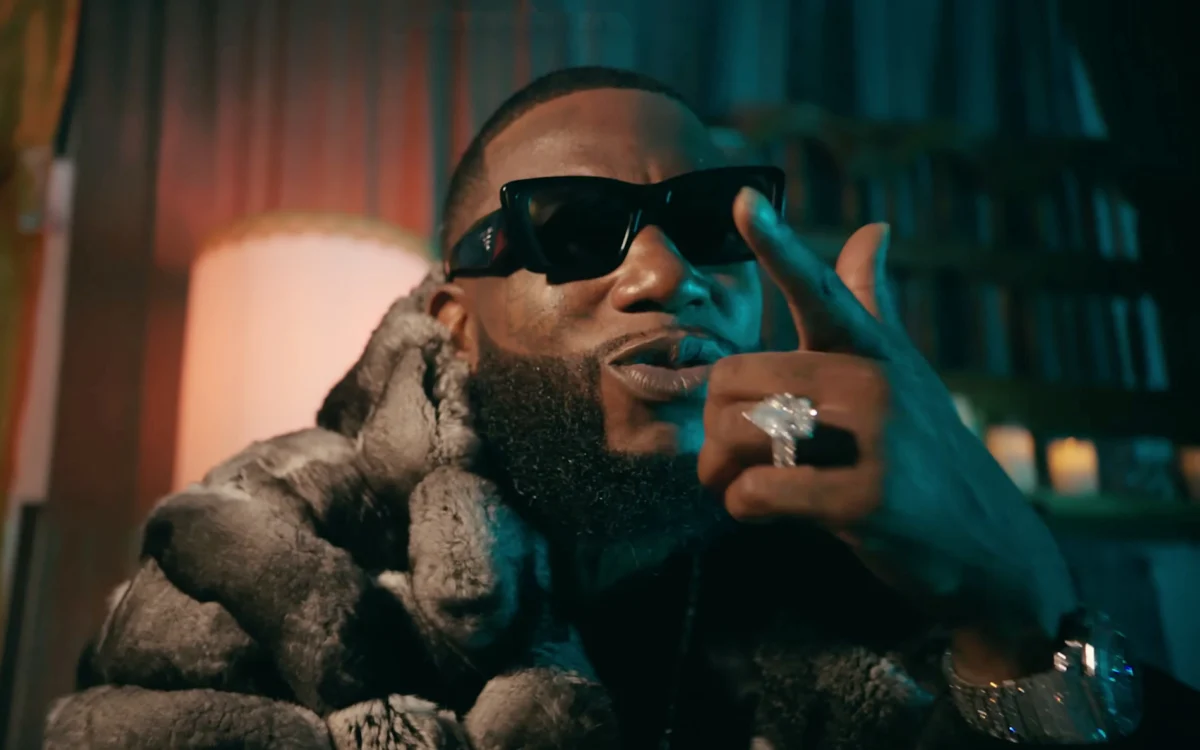
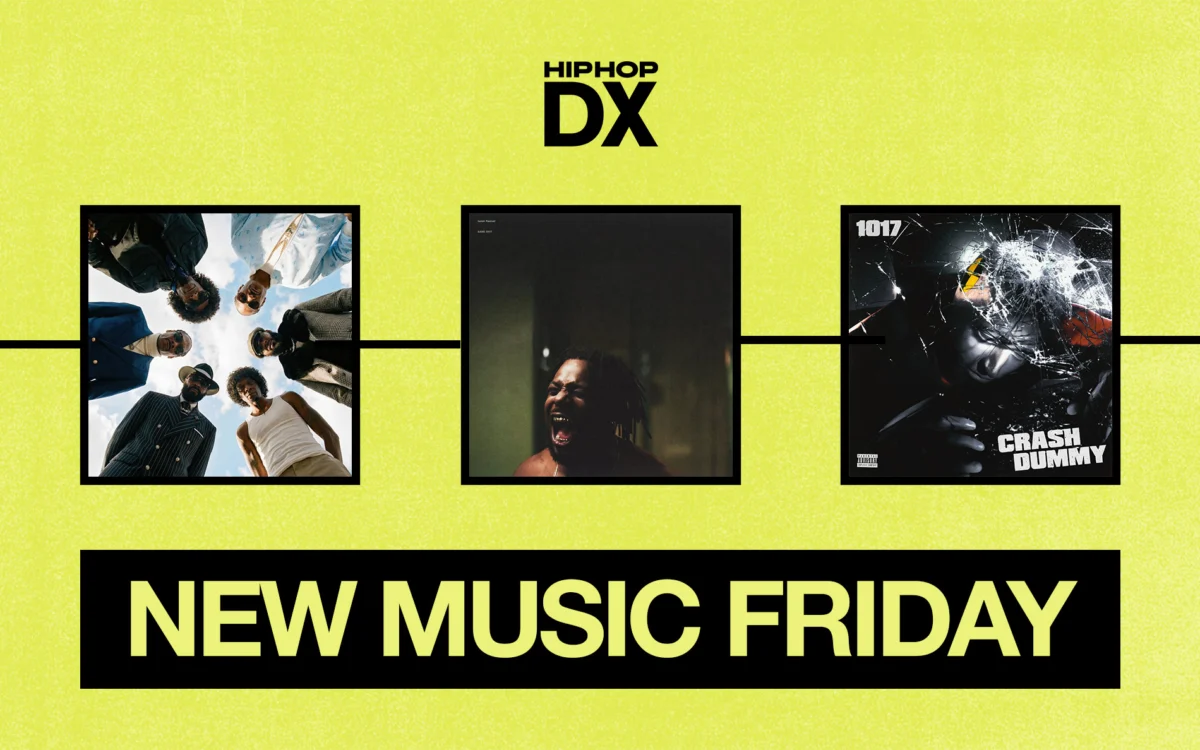
The landscape of the Southern hip-hop industry has been sent into a state of shock following the release of "Crash Dummy," a new track from Atlanta trap pioneer Gucci Mane. The song serves as a visceral, direct response to the headline-grabbing incident in Dallas, Texas, earlier this year, where rising Memphis rappers Pooh Shiesty and Big30 were accused of orchestrating a violent kidnapping and robbery against their own label head. The track, produced by frequent collaborator Zaytoven, marks a rare moment of public vulnerability and retaliatory aggression from the 1017 Records founder, who has spent years cultivating his reputation as a mentor and executive.
The Anatomy of the Alleged Ambush
The events that precipitated this lyrical outburst date back to January 10, 2026. According to court filings and testimony provided during recent federal hearings, the incident occurred at a recording studio in Dallas. Gucci Mane, born Radric Davis, reportedly arrived at the location under the impression that he was attending a routine business meeting to discuss professional matters with his signees. Instead, he was allegedly met with a calculated ambush.
Federal investigators allege that Pooh Shiesty and Big30, along with seven other individuals, held the music executive and two industry associates at gunpoint. The primary objective, according to prosecutors, was to forcibly extract signatures on contract termination paperwork. The coercion allegedly involved the physical restraint of the victims, with one associate reportedly being choked to near unconsciousness. The situation escalated into a full-scale robbery, during which personal property and financial assets were purportedly seized from the victims before the suspects fled the scene.
A Lyrical Rebuttal: Breaking Down "Crash Dummy"
On "Crash Dummy," released Friday, April 10, 2026, Gucci Mane offers a detailed, albeit stylized, account of the events. Over a stripped-back, quintessential Zaytoven beat—reminiscent of the sound that defined the Atlanta trap movement in the mid-2000s—Gucci Mane addresses the betrayal directly.
"Tell the truth, you went out like a real crash dummy / And after all that, boy, you still signed to me?" he raps. The lyrics highlight the irony of the situation: the artists who sought to extricate themselves from the 1017 label are now facing severe legal repercussions that may end their careers entirely.
Gucci Mane further delves into the psychological toll of the incident, rapping, "I thought it was a business meeting, but it was a set up / I walk in the room, you can feel the pressure building." These lines underscore the breach of trust, as the rapper notes, "N*gga dapped me up, the whole time they plotting against me." The track serves not only as a dis track but as a declaration of ownership, with Gucci asserting his role as the architect of the 1017 brand and his refusal to be dismantled by those he once supported.
Chronology of Legal Proceedings
The legal fallout has been swift and severe. Following the January 10 incident, a multi-agency investigation led to the arrest of nine individuals. The arrests, which took place in early April 2026, ensnared not only Pooh Shiesty and Big30 but also Lontrell Williams Sr., the father of Pooh Shiesty.
On April 8, 2026, a federal hearing was held to determine the custody status of the defendants. The proceedings revealed several damning details:
- Bond Denied: U.S. Magistrate Judge Renee Harries Toliver denied bond for Pooh Shiesty, citing his status on home confinement for a separate, prior firearms charge at the time of the kidnapping. The judge noted that no conditions of release could adequately mitigate the risk to the community or the likelihood of further criminal activity.
- The Big30 Stay: While Big30 was initially granted a $100,000 bond, the prosecution immediately moved for a stay, effectively keeping him in federal custody pending further review of the evidence against him.
- FBI Testimony: During the hearing, FBI Special Agent Pamela Hanson testified that the investigation was bolstered by the direct cooperation of the victims. Gucci Mane and his associates provided statements to law enforcement shortly after being released from the studio, effectively forming the cornerstone of the government’s case against the defendants.
Supporting Context: The 1017 Label Dynamic
To understand the severity of this incident, one must look at the historical relationship between Gucci Mane and the artists he signs. Since its inception, 1017 Records has been positioned as a launchpad for regional talent, particularly from the South. Pooh Shiesty, who gained significant national recognition with his 2021 hit "Back in Blood," was viewed as one of the label’s most promising success stories.
His previous incarceration, which ended in October 2025, was viewed by many in the industry as a "second chance." Gucci Mane addresses this in his lyrics, noting that he provided financial support for Shiesty’s commissary during his time behind bars. The betrayal is, therefore, twofold: it is both a criminal violation and a breach of the mentor-mentee dynamic that is central to the 1017 business model.
Broader Industry Implications
The case of Gucci Mane, Pooh Shiesty, and Big30 highlights the ongoing risks inherent in the modern music industry, where high-stakes contracts and street reputations often intersect. The fact that an artist would attempt to use lethal force to void a contract suggests a volatile environment where legal disputes are increasingly settled through intimidation rather than litigation.
Legal experts following the case have noted that the kidnapping and robbery charges carry the potential for life sentences. Should the defendants be convicted, it would mark one of the most significant losses of talent to the federal prison system in recent hip-hop history. Furthermore, the testimony regarding Gucci Mane’s cooperation with the FBI has ignited discussions within the hip-hop community regarding the role of artists as witnesses in criminal cases. While some factions of the industry traditionally view such cooperation as taboo, the severity of the alleged kidnapping appears to have shifted the narrative, with many industry insiders viewing Gucci Mane’s actions as a necessary response to an existential threat.
Conclusion
As the judicial process moves forward, the release of "Crash Dummy" serves as a definitive statement from Gucci Mane. By choosing to address the situation through his music, he has effectively reclaimed the narrative, transforming a moment of personal vulnerability into a testament of resilience. For the industry at large, the incident serves as a sobering reminder of the complexities of artist-label relations and the extreme consequences of blurring the lines between corporate business and criminal activity. With the defendants facing the prospect of life behind bars, the future of the careers involved remains uncertain, leaving "Crash Dummy" as both a piece of art and a historical document of a pivotal moment in rap culture.