 Muhammad Ibadurrohman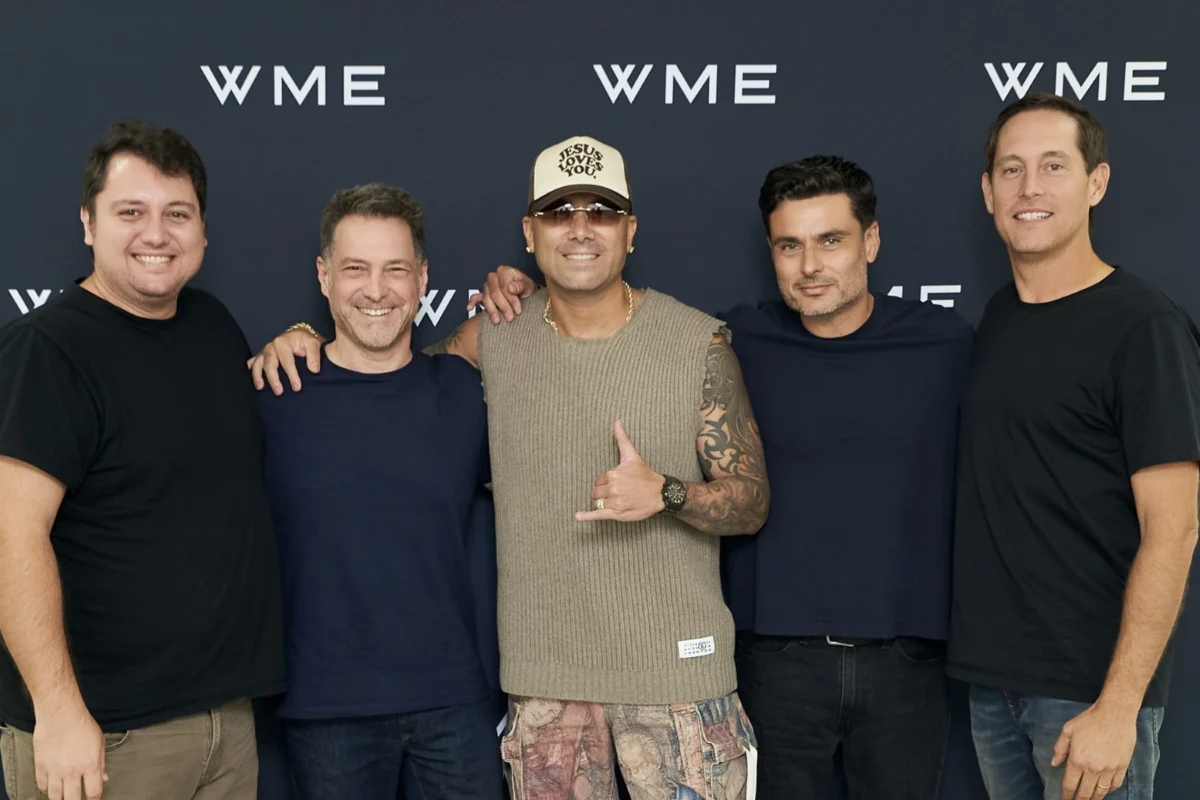
The landscape of global Latin music representation shifted significantly this week as veteran reggaeton superstar Wisin officially signed with WME (William Morris Endeavor) for representation across all areas of his professional career. The announcement, confirmed exclusively on Monday, October 5, marks a pivotal moment for the Puerto Rican artist, signaling an aggressive push toward international expansion and a diversification of his brand beyond the recording studio. This strategic move follows a recent shift in his management structure, as the artist continues to redefine his trajectory nearly three decades after his entry into the urban music movement.
A Strategic Alignment for Global Growth
For Wisin, whose legal name is Juan Luis Morera Luna, the partnership with WME is designed to leverage the agency’s massive global infrastructure. By signing in "all areas," the artist positions himself to tap into opportunities in film, television, brand partnerships, and international touring that extend well beyond the traditional parameters of a music career.
"I’m joining WME at an exciting new chapter in my career," Wisin stated following the announcement. "I’m thrilled that the team understands my evolving vision and is fully on board. After helping shape the global sound and impact of reggaeton, I’m ready to expand beyond music and connect with new audiences, markets, and opportunities around the world."
The signing is not merely a change in administrative representation; it is a calculated business maneuver. WME, which represents some of the world’s most recognizable entertainment figures, provides Wisin with the institutional support necessary to transition from a genre pioneer to a global entertainment brand. Industry analysts note that such moves by veteran artists often serve as a catalyst for "legacy building," ensuring that the artist remains relevant while younger generations of urban musicians rise through the ranks.
The Management Transition: A New Era
The WME deal arrives just weeks after Wisin made significant changes to his inner circle. Last month, the artist confirmed a new management partnership with Chris Duque of D27 Entertainment. This transition was particularly noteworthy within the Latin music industry, as it ended a professional relationship with veteran manager Walter Kolm that had spanned nearly a decade.
The move to D27 Entertainment, combined with the new WME representation, suggests a desire for a fresh creative and commercial direction. Industry insiders have noted that such overhauls are often prompted by an artist’s need to refresh their strategy, especially as the reggaeton genre evolves from its underground roots to the center of global pop culture. By bringing in a new team, Wisin is effectively retooling his infrastructure to capitalize on the current global demand for Latin music.
The Evolution of an Icon: A Career Chronology
Wisin’s influence on the urban genre is foundational. Rising to international prominence in the early 2000s as one half of the iconic duo Wisin y Yandel, he helped define the sonic blueprint for what would eventually become a multibillion-dollar global industry.
The chronology of his success is well-documented within the charts:
- Late 1990s: Wisin begins his career, establishing the foundational sound of reggaeton alongside Yandel.
- 2000s: The duo solidifies their status as "Los Líderes," dominating the Latin urban scene with albums like Pa’l Mundo.
- 2014: Wisin embarks on a highly successful solo career following a hiatus from the duo, releasing the chart-topping El Regreso del Sobreviviente.
- 2016: The collaboration "Duele El Corazón" with Enrique Iglesias cements his cross-over appeal, remaining at the top of the Latin Airplay chart for 11 weeks and the Hot Latin Songs chart for 14 weeks.
- 2026: Wisin shifts his management to D27 Entertainment and signs with WME to pivot toward a global, multi-platform brand strategy.
Throughout his solo career, Wisin has amassed 24 No. 1 hits on the Billboard Latin Airplay chart, a record that underscores his longevity and consistency as a hitmaker. His ability to adapt to changing sonic trends—from the hard-hitting "perreo" of his early days to the polished pop-fusion of his mid-career collaborations—has been central to his staying power.

Analyzing the "La Universidad del Perreo" Impact
Wisin’s latest project, La Universidad del Perreo, acts as both a retrospective and a forward-looking manifesto. By bringing together genre pioneers such as Ivy Queen, Don Chezina, and Jowell & Randy, alongside contemporary breakout stars like El Bogueto and Kapo, Wisin is positioning himself as the bridge between the genre’s history and its future.
"If people out there are talking about salsa, the history of merengue, tropical music, the history of bolero, I think they also have to talk about the history of an established movement," Wisin noted in an interview regarding the project. "It’s a project where we return to the original sound, the sound that started it all and opened so many doors."
This project has served as a validation of his influence. By curating a record that respects the origins of the music while mentoring newer artists, he is actively cultivating his legacy. Rob Markus, Senior Partner and Head of International at WME, emphasized this point in his response to the partnership: "Wisin helped build the sound of reggaeton, and he’s still pushing it forward. With La Universidad del Perreo, he’s not only delivering new music but also bringing the culture to a new generation."
Industry Implications and Market Outlook
The signing of a legacy artist by a major agency like WME highlights a broader trend in the music business: the institutionalization of Latin urban music. As the genre continues to outperform other formats in terms of streaming and touring revenue, agencies are increasingly competing to represent the artists who built the foundation of the movement.
From a market perspective, Wisin’s move indicates that the "Latin boom" is moving into a phase of professional consolidation. Artists are no longer just looking for booking agents; they are seeking partners who can navigate complex international entertainment landscapes. WME’s deep reach into film and television could potentially lead to Wisin taking on more significant roles in media production, acting, or high-profile global brand ambassadorships.
Furthermore, the involvement of Chris Duque and the D27 team indicates a unified front. By aligning management and agency representation under a new, cohesive vision, Wisin is mitigating the risks often associated with late-career transitions. The support from WME’s international division, led by Rob Markus, suggests that there is a strategic roadmap in place to increase Wisin’s touring footprint in non-traditional Latin markets, including Asia, Europe, and parts of the Middle East, where the appetite for reggaeton has grown exponentially over the last five years.
The Road Ahead
As the industry looks toward the remainder of the year and into 2027, the focus will shift to how effectively this new team can translate Wisin’s legendary status into new commercial ventures. The artist has clearly stated that he is ready to step out of the comfort zone that defined his early success.
In the near term, stakeholders will be watching for potential announcements regarding global tours, film projects, or significant brand partnerships that reflect this "new chapter." The objective, as framed by the artist and his new representatives, is clear: to ensure that the pioneer of the reggaeton movement is not just a relic of the past, but a central player in the global entertainment economy of the future.
With the combined expertise of D27 Entertainment and the resources of WME, Wisin has effectively cleared the path for a second act that could prove to be as influential as his first. The transition represents a rare instance in the music industry where an artist with such deep-seated roots in a specific genre manages to pivot toward a broader, more diversified career model without alienating the core audience that built his foundation. As he moves forward, the music industry will undoubtedly use his transition as a case study for how to manage the longevity of a global icon in an increasingly digital and borderless market.