
 Nayara Elvina
For generations, the remote expanse of the Alaskan wilderness has occupied a mythical space in the American sporting consciousness. Visions of monumental Alaska-Yukon bull moose navigating mist-shrouded river valleys, transported out of the bush via historic single-engine aircraft, have graced the pages of outdoor magazines for decades. Yet, for the average outdoorsman, these images have traditionally been accompanied by a prohibitive mental barrier: the formidable price tag associated with fully guided commercial excursions.
For working-class hunters, the standard outfitted expedition—often commanding between $35,000 and $50,000—has relegated the Last Frontier to the category of lifelong aspiration rather than achievable reality. However, a growing faction of self-reliant outdoorsmen is challenging this financial paradigm. By bypassing traditional outfitter models in favor of do-it-yourself (DIY) planning, hunters are proving that navigating the Alaskan bush independently can drastically reduce costs without sacrificing the authenticity or success of the experience.
Examining the actual financial requirements, logistical hurdles, and structural changes within the DIY hunting community reveals a clearer picture of what it takes to execute a remote Alaskan moose hunt on a realistic budget.
Main Facts and the Reality of DIY Financials
To understand the economic feasibility of an independent Alaskan hunt, industry veterans emphasize a fundamental distinction: the difference between the cost of hunting and the cost of succeeding.
An independent expedition is not inexpensive, nor is it logistically simple. However, comprehensive cost analyses from recent DIY excursions indicate that the financial threshold required to enter the field independently hovers near $10,000. This baseline covers essential baseline expenditures, including commercial air travel, mandatory state licensing, remote bush flights, foundational gear, and basic sustenance for a standard ten-day field rotation.
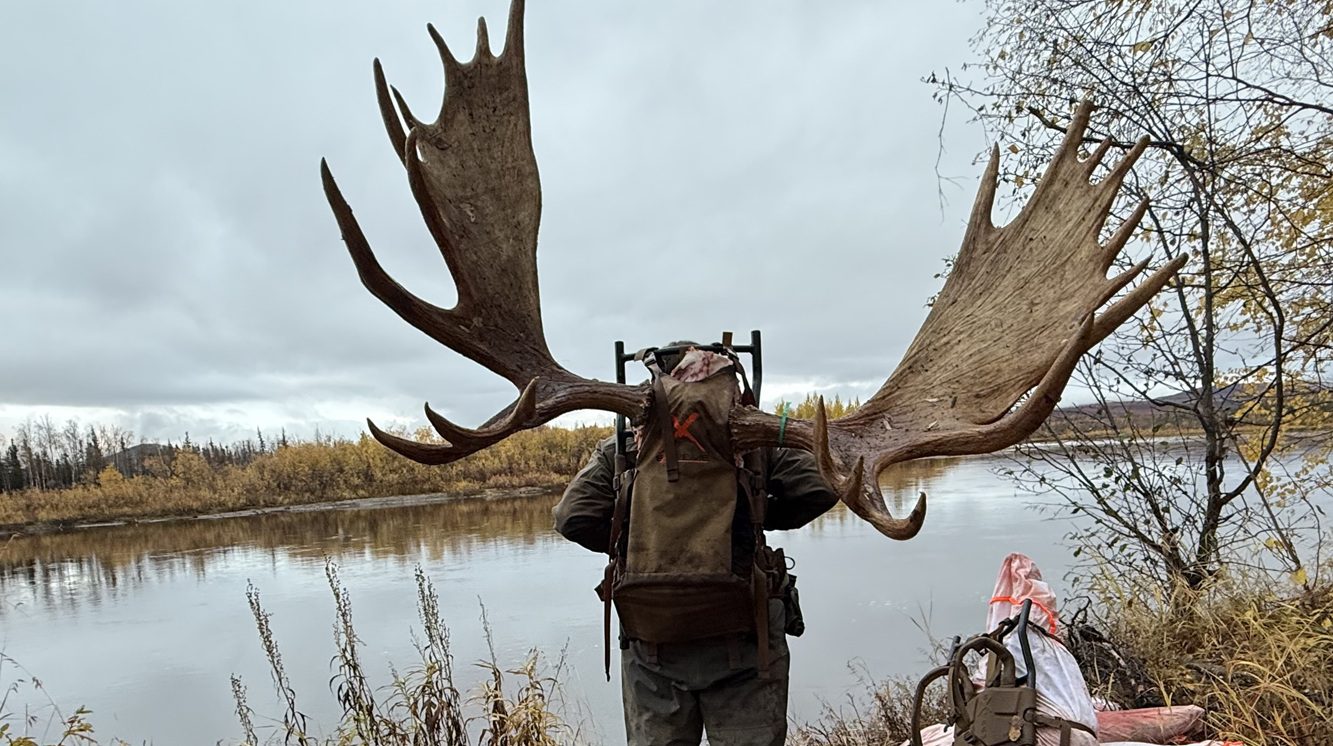
Crucially, however, securing a harvest introduces a secondary tier of expenses. Unlike hunting smaller game, a mature Alaska-Yukon bull moose yields hundreds of pounds of high-quality protein alongside massive antlers and a skull. Transporting this biological volume out of a remote drainage and back to the Lower 48 incurs substantial secondary logistics charges. Meat processing, specialized cold-storage facilities, commercial freight shipping for antlers and meat, and excess baggage fees frequently add between $3,000 and $5,000 to the final accounting. Consequently, a successful DIY hunt typically materializes at a total expenditure of approximately $14,000.
While fourteen thousand dollars remains a significant financial commitment, it represents a potential savings of 60% to 70% compared to equivalent outfitted packages, opening the door for demographics previously priced out of remote expeditions.
Chronology and Planning Timeline
Executing a successful DIY Alaskan moose hunt requires a meticulous, multi-year or multi-month preparation timeline. Experienced independent hunters stress that the margin for error in remote environments is exceptionally narrow, requiring structured advance planning.
Phase one typically begins twelve to eighteen months prior to the targeted autumn hunting season. During this window, hunters research state game management units (GMUs), analyze historical harvest statistics, review nonresident tag allocations, and establish partnerships with trusted hunting companions. Splitting foundational overhead costs—such as charter flights, watercraft rentals, and satellite communication devices—with a partner is widely cited as the single most effective strategy for mitigating individual financial exposure.
Phase two unfolds six to nine months before departure. This period is dedicated to securing non-resident hunting licenses and competitive locking tags through the Alaska Department of Fish and Game (ADF&G), booking commercial airline tickets, and reserving specialized bush plane charters, commonly referred to as air taxis. Securing an air taxi early is paramount, as reputable pilots operating out of strategic hubs frequently book their flight schedules a year in advance.
Phase three encompasses the three to six months leading up to the launch. Hunters finalize logistical contingencies, acquire specialized nutrition plans, organize gear systems, and arrange post-harvest meat logistics. Anticipating how hundreds of pounds of venison will be transferred from a remote gravel bar to a commercial freight carrier requires advanced coordination with local meat lockers and shipping depots in Anchorage or Fairbanks.
Detailed Breakdown of Expenses
Analyzing the granular data of an independent Alaskan moose hunt highlights where financial resources are allocated.
- Bush Flights and Air Taxis: The single largest capital expenditure for a remote DIY hunt is specialized aerial transportation. Bush flights into remote drainages via aircraft like the Piper Super Cub generally range from $6,000 to $8,000 per party. Utilizing specialized transporters who offer enhanced infrastructure or cached equipment can push these costs upward of $10,000 to $16,000.
- State Licensing and Tags: Legal participation in Alaska’s non-resident big game seasons carries mandatory state fees. A standard non-resident hunting license costs approximately $160, while the mandatory moose locking tag requires an additional investment of about $800. Additional species tags can be added if anglers or hunters intend to pursue secondary game or sportfish.
- Commercial Travel and Logistics: Commercial airfare, travel insurance, and extensive baggage fees for specialized gear typically total between $1,200 and $1,500. Because expedition-grade gear, heavy-duty rainwear, and extended-stay camping supplies exceed standard airline allowances, baggage fees can accumulate rapidly.
- Watercraft Allocation: For float hunts along remote river systems, watercraft is mandatory. Renting a commercial-grade raft specifically engineered for heavy whitewater and cargo capacity runs roughly $1,000 for a ten-day period. Conversely, purchasing an equivalent vessel can range from $3,500 to $5,500, making rental the economically rational choice for hunters who do not frequent remote northern rivers on an annual basis.
- Subsistence and In-Town Overheads: Procuring ten days of high-calorie backcountry rations and baseline provisions generally accounts for $500. Additionally, transitional lodging in Anchorage, rental vehicles or U-Haul transport for gear, and last-minute supplies contribute an estimated $700 to $900 to the ledger.
- Harvest and Cargo Logistics: Should the hunt result in a successful harvest, post-field logistics—including bush plane cargo surcharges, commercial air freight for meat and antlers, taxidermy preparation, and cold storage—introduce an additional $500 to $2,000 in expenditures.
The Broader Movement: Democratizing Adventure
The rising popularity of DIY Alaskan expeditions is supported by broader shifts in outdoor education and digital resource availability. Historically, the knowledge required to navigate complex Alaskan regulations, select appropriate bush transporters, and execute wilderness survival protocols was passed down through exclusive personal networks or acquired exclusively through expensive outfitter relationships.
In response to information gaps, experienced outdoorsmen have begun developing structured educational platforms designed to demystify the planning process. Initiatives such as comprehensive digital masterclasses—exemplified by programs established through organizations like Elkhorn Expeditions—aim to provide transparent, step-by-step guidance to regular hunters. These instructional frameworks cover critical operational details, including legal compliance, emergency contingency planning, meat preservation techniques in fly-heavy environments, and gear optimization. Furthermore, strategic partnerships with outdoor manufacturing brands often provide enrolled students with access to exclusive equipment discounts, helping mitigate the ancillary costs of assembling a specialized gear kit.
Implications and Expert Recommendations
Industry analysts and conservation groups note that the DIY hunting model places a heightened emphasis on personal responsibility, ethical stewardship, and wilderness competence. Unlike fully outfitted clients who rely on professional guides for navigation, camp setup, and game recovery, independent hunters bear total accountability for their safety and the ethical treatment of harvested wildlife.
Wildlife management agencies continually stress that independent hunters must possess advanced wilderness survival skills, hyper-reliable equipment, and psychological resilience capable of withstanding extreme weather fluctuations. The remote Alaskan tundra is notoriously unforgiving of poor preparation, and financial savings gained through a DIY approach must never come at the expense of safety equipment or emergency communication devices.
Ultimately, the proliferation of accessible logistical data demonstrates that an Alaskan moose hunt is no longer an exclusive domain reserved exclusively for high-net-worth individuals. By combining meticulous research, disciplined budgeting, shared expenses, and comprehensive advance preparation, self-reliant hunters are successfully bridging the gap between imagination and execution—proving that with the right framework, the Last Frontier remains accessible to those willing to do the heavy lifting.