 Lana Akmaluna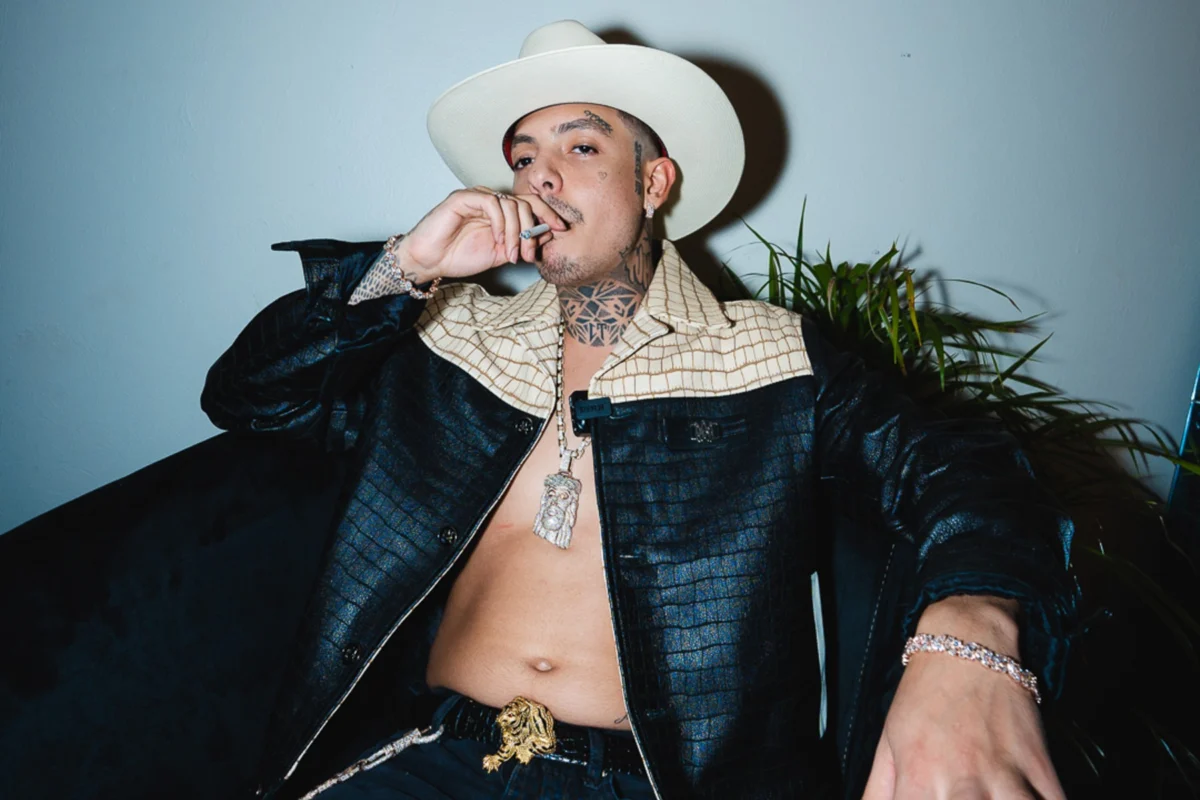
Minutes before taking the stage at Mexico City’s prestigious Estadio GNP Seguros on September 18, Natanael Cano epitomized the modern rockstar persona intrinsic to the genre he helped pioneer. Adorned in a classic cowboy hat, a striking snakeskin jacket, and projecting the unapologetic confidence of an artist fully aware of his cultural footprint, the visionary behind corridos tumbados delivered a defining pre-show interview to Billboard Español. Channeling the rebellious spirit of hip-hop icons alongside regional Mexican legends, Cano remarked that his styling reflected a unique cross-cultural lineage, drawing a direct line from Tupac Shakur and DMX to Chalino Sánchez and himself. This eclectic aesthetic serves as a visual manifestation of a musical movement that has successfully transitioned from underground regional circuits to commanding the largest concert venues across Mexico and the United States.
Main Facts and Tour Genesis
The interview preceded the historic launch of Cano’s first-ever stadium headlining tour across Mexico, a milestone inaugurated by two consecutive sold-out performances at Mexico City’s Estadio GNP Seguros. Amid ongoing discussions regarding his U.S. visa status and how logistical boundaries might shape this phase of his career, Cano maintained a resilient perspective, emphasizing his deep-rooted connection to his domestic audience. Rather than viewing geographical restrictions as a setback, the artist expressed profound gratitude toward his home country, noting that the unwavering support of Mexican fans serves as his primary driving force.
This tour represents a critical juncture for the Rancho Humilde star, arriving on the heels of extensive musical experimentation. Following his exploration of diverse sonic territories—including trap, reggaetón, and afrobeat on his 2025 release Porque La Demora—Cano has returned to his foundational sound while continuing to push stylistic boundaries through high-profile collaborations and deeply personal songwriting.
Musical Evolution and Recent Releases
Cano’s creative momentum is further underscored by his recent musical output, notably the trap-leaning single "Olivia La Flaca," released on September 24. Produced in collaboration with Tito Double P, Ovi, and Víctor Mendívil, the track was celebrated by Cano as a triumph for his collaborative circle. Describing the recording process as an authentic reflection of camaraderie, the artist praised the contributions of his peers, labeling the single as a high-energy offering dedicated to his loyal fanbase.
Concurrently, Cano’s latest studio album, Natanael Cano, Vol. 1, has continued to make significant commercial inroads. The 15-track project debuted at No. 4 on the Top Regional Mexican Albums chart and secured the No. 10 position on the broader Top Latin Albums ranking. Within the album, the track "Mar Azul" has emerged as a standout fan favorite. The emotionally charged song resonated deeply with listeners, sparking widespread speculation regarding its autobiographical nature. Addressing the meaning behind the lyrics during his interview with Billboard Español, Cano offered a knowing acknowledgment of the song’s personal resonance, noting that its underlying narrative is transparent to both himself and his audience.
Chart performance for "Mar Azul" reflects its widespread reception, peaking at No. 7 on Billboard’s Mexico Songs chart, No. 26 on Hot Latin Songs, and No. 22 on Regional Mexican Airplay. These figures demonstrate Cano’s continued commercial viability and his ability to translate personal introspection into chart-topping success.
Chronology of the Natanael Cano Vol. 1 Tour
The rollout of the Natanael Cano Vol. 1 Tour marks a meticulously planned schedule designed to bring the corridos tumbados phenomenon to key markets throughout Mexico. Following the high-profile launch in Mexico City on September 18, the itinerary spans the final quarter of the year, providing fans across multiple states the opportunity to experience the stadium-scale production.
- September 18: Tour kickoff with the first of two consecutive sold-out shows at Estadio GNP Seguros in Mexico City.
- October 17: Performance scheduled in Mérida.
- October 30: Performance scheduled in Boca del Río.
- October 31: Performance scheduled in Puebla.
- November 6: Performance scheduled in Toluca.
- November 7: Performance scheduled in Oaxaca.
- November 14: Performance scheduled in Mexicali.
- November 21: Performance scheduled in Morelia.
- November 27: Performance scheduled in Saltillo.
- November 28: Performance scheduled in Torreón.
- December 5: Performance scheduled in Acapulco, marking the current culmination of the scheduled dates.
This comprehensive routing illustrates the expansive logistical framework required to support an artist of Cano’s magnitude within the domestic Mexican market, bypassing traditional limitations to establish direct contact with regional fanbases on an unprecedented scale.
Broader Impact and Industry Implications
The trajectory of Natanael Cano serves as a case study for the globalization and institutionalization of regional Mexican music. By fusing traditional norteño instrumentation with urban trap sensibilities, Cano not only formulated the corridos tumbados subgenre but also created a blueprint for a new generation of Latin artists. His ability to sell out major stadiums in Mexico City underscores a structural shift in the live entertainment industry, where domestic audiences increasingly demand large-scale productions tailored specifically to homegrown stars.
Industry analysts note that Cano’s strategic focus on the Mexican market during this tour phase highlights the resilience and economic power of domestic concert circuits. While international touring remains a lucrative avenue for Latin acts, Cano’s ability to mobilize massive crowds entirely within Mexico reinforces the strength of his foundational audience. Furthermore, his messaging centered on perseverance—acknowledging the inevitability of life’s challenges while urging fans to extract constructive lessons from hardship—resonates strongly with a demographic that views him not merely as an entertainer, but as a cultural representative of working-class ambition.
As the Natanael Cano Vol. 1 Tour progresses toward its December conclusion, the broader implications of Cano’s career choices continue to ripple through the Latin music landscape. By balancing commercial radio hits with deeply personal compositions and high-energy live productions, Cano secures his enduring influence on the evolution of contemporary Mexican music.