 Muhammad Ibadurrohman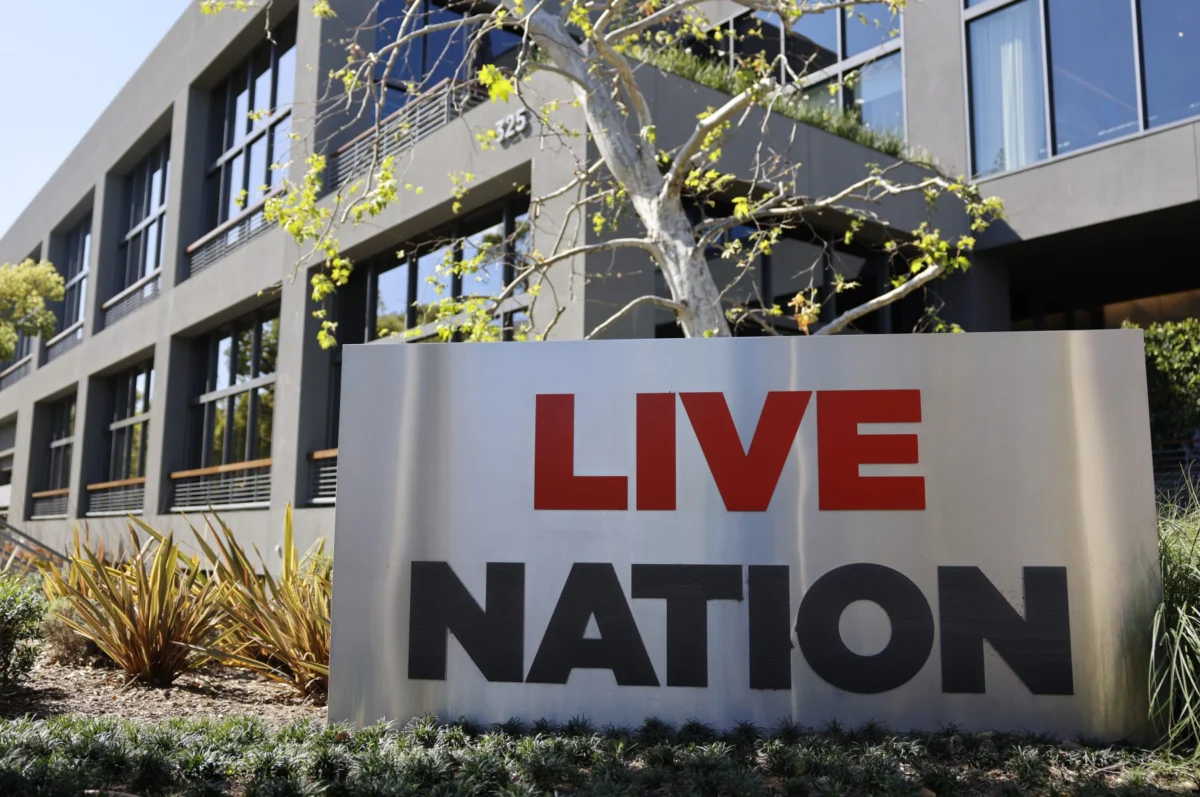
Live Nation has officially confirmed that it was the target of a targeted cybersecurity breach, a development that has sent ripples through the entertainment and data privacy sectors. The incident, which was formally disclosed to regulatory authorities on October 1, has already triggered a wave of class-action litigation, underscoring the increasing vulnerability of major entertainment conglomerates to sophisticated digital threats. While the company has maintained that the breach was limited in scope, the exposure of sensitive personal information—including Social Security numbers, government identification, and health records—has raised significant concerns among privacy advocates and regulatory bodies.
The revelation follows an internal discovery by the ticketing giant, which has faced a series of security-related challenges over the past decade. As the owner of Ticketmaster, Live Nation manages the personal and financial data of millions of concertgoers, making it a high-value target for cybercriminal syndicates. This latest incident, while described by the company as contained, serves as a stark reminder of the persistent threat landscape facing firms that operate at the intersection of mass-market commerce and high-volume data collection.
A Chronology of the Disclosure and Investigation
The timeline of the breach began to emerge in early October, when Live Nation submitted formal notifications to the Vermont Attorney General’s office. According to the state’s mandatory reporting portal, at least two individuals in Vermont were confirmed to have had their sensitive information compromised. The specific categories of data impacted are particularly concerning: Social Security numbers and government-issued IDs are permanent identifiers, making their theft far more damaging than the compromise of temporary credentials like credit card numbers.
Following the initial filing, the company faced a period of public uncertainty regarding the scale of the intrusion. By Wednesday, October 7, Live Nation issued a formal statement to address growing speculation. "Recently, we identified, contained, and secured a cybersecurity incident," the company stated. "Following a thorough internal review and independent investigation by a leading cybersecurity firm, we found the incident was limited in scope and had no impact on our operations."
Despite these assurances, the lack of granular detail regarding the number of affected individuals or the precise duration of the unauthorized access remains a point of contention. The company has stated that it is currently in the process of notifying the small number of impacted individuals and providing them with identity monitoring resources. However, in an era where data breach notification laws vary significantly from state to state and country to country, transparency remains a critical issue for stakeholders and customers alike.
Historical Precedent and the Snowflake Context
This incident is not an isolated event for Live Nation. The company’s history with cybersecurity is marked by several notable breaches that have historically resulted in both financial penalties and reputational strain.
In 2018, Live Nation subsidiary Ticketmaster suffered a major breach that specifically targeted the payment information of British customers. The incident was traced back to a malicious script injected into a third-party support tool. The fallout was substantial; the U.K. Information Commissioner’s Office (ICO) levied a fine of £1.25 million (approximately $1.65 million at the time) against the company, citing failures in protecting personal data.
More recently, the company was caught up in the widespread 2024 breach involving Snowflake, a prominent cloud-based data storage provider. That incident, which affected numerous high-profile companies, was attributed to the cybercriminal group known as ShinyHunters. The breach involved the unauthorized access of large swaths of user data, leading to a complex web of legal challenges. A Canadian national was recently convicted for their role in that hack, but the civil litigation brought by consumers against Snowflake’s clients—including Ticketmaster—continues to progress through the U.S. court system.
The recurring nature of these incidents has led to mounting pressure from shareholders and legal experts who argue that the company’s current cybersecurity infrastructure may be insufficient to combat the evolving tactics of global hacking rings.

The Legal Landscape and Class Action Implications
The legal response to the October 1 disclosure was swift. As of mid-October, at least three class-action lawsuits have been filed in federal courts, alleging that Live Nation failed to implement adequate security protocols. These lawsuits typically argue that companies have a duty of care to protect sensitive PII (Personally Identifiable Information) and that, by failing to prevent unauthorized access, they have breached their contractual and fiduciary obligations.
Legal analysts suggest that these cases will hinge on the concept of "reasonable security." Under various state and federal privacy frameworks, corporations are expected to maintain safeguards that meet industry standards. If the plaintiffs can demonstrate that Live Nation’s security measures were outdated or that they failed to implement industry-standard encryption, the company could face significant financial liabilities, including statutory damages and the costs associated with long-term credit monitoring for victims.
Furthermore, these civil claims are often accompanied by regulatory inquiries. While the FTC and other agencies have yet to open a formal investigation into this specific October breach, the combination of multiple lawsuits and the sensitivity of the data involved—specifically health records—could invite heightened scrutiny from federal regulators.
The Technical and Operational Challenges of Data Security
The incident highlights the broader challenge of managing vast amounts of data in a decentralized digital environment. Live Nation’s reliance on third-party vendors and cloud storage providers adds a layer of complexity to its security posture. When a third-party partner is compromised, as was the case with the 2024 Snowflake incident, the primary company is often left to manage the fallout, even if the breach did not occur directly within its own internal network.
Experts note that the entertainment industry, which relies on rapid, high-volume transactions, often prioritizes user experience and speed over deep-layered security, creating a potential "friction point" that hackers exploit. Moving forward, the company will likely be required to accelerate its investment in zero-trust architectures and more robust multi-factor authentication systems.
The financial implications of these breaches extend beyond immediate legal fees. They include the costs of remediation, forensic investigations, brand damage, and potential increases in cybersecurity insurance premiums. For a company like Live Nation, which handles millions of transactions during peak concert seasons, the cost of downtime—even if temporary—or the loss of customer trust can be far more expensive than the security measures required to prevent the intrusion in the first place.
Industry Implications and Future Outlook
The broader impact of this breach extends beyond Live Nation. The entertainment ticketing sector has become a focal point for cyber threats because it captures a unique blend of financial data and behavioral patterns. Concertgoers are a high-value demographic, and the data associated with their attendance, preferences, and spending habits is a lucrative commodity on the dark web.
As the industry continues to digitize—with the expansion of mobile-only ticketing, digital identity verification, and integrated payment apps—the attack surface for bad actors will only grow. The industry is currently facing a "security reckoning," where the scale of data collection is finally being met with an equally rigorous demand for protection.
For consumers, the advice from cybersecurity professionals remains consistent: monitor financial statements for unauthorized activity, enable multi-factor authentication (MFA) on all accounts, and be wary of phishing attempts that may arise in the wake of such a breach. As for Live Nation, the company is expected to continue its internal audit, with industry analysts predicting a significant overhaul of their data governance policies to satisfy both the courts and an increasingly skeptical consumer base.
The coming months will likely reveal the true scope of the impact as the legal proceedings move into the discovery phase. Whether this latest incident leads to a settlement, as has been seen in previous industry cases, or proceeds to trial, the outcome will undoubtedly set a precedent for how major corporations in the entertainment space manage the delicate balance between high-volume commerce and the absolute necessity of digital privacy. The company’s ability to navigate this crisis while maintaining its dominance in the live event market will be a critical test of its leadership and its commitment to digital infrastructure.